
Tech & Digital Transformation in Canada
-
 Op-Ed
5 Priorities to Strengthen Home Care and Digital Care
Op-Ed
5 Priorities to Strengthen Home Care and Digital Care
 Adrian Schauer
Founder & CEO
AlayaCare
Adrian Schauer
Founder & CEO
AlayaCare
-
 Op-Ed
Canada’s Semiconductor Strategy: Are We Mistaking “Not Winning Everywhere” for “Not Competing at All”?
Op-Ed
Canada’s Semiconductor Strategy: Are We Mistaking “Not Winning Everywhere” for “Not Competing at All”?
 Glen Lougheed
CEO
Applied Post
Glen Lougheed
CEO
Applied Post
-
 Op-Ed
From Automation to Reinvention: Why Leaders Defining the Next Decade Are Prioritizing AI Platforms and People
Op-Ed
From Automation to Reinvention: Why Leaders Defining the Next Decade Are Prioritizing AI Platforms and People
 Brian Solis
Head of Global Innovation
ServiceNow
Brian Solis
Head of Global Innovation
ServiceNow
-
 Op-Ed
Canada’s Tech Future Depends On What We Do Next
Op-Ed
Canada’s Tech Future Depends On What We Do Next
 Kevin d’Entremont
President & CEO
TECHNATION
Kevin d’Entremont
President & CEO
TECHNATION
-
 Op-Ed
How Live Sports Streaming Can Power the Digital Economy
Op-Ed
How Live Sports Streaming Can Power the Digital Economy
 Vanessa Morbi
VP, Marketing
Fubo
Vanessa Morbi
VP, Marketing
Fubo
-
 Op-Ed
Fiduciary-Grade AI: Unlocking Real ROI in Professional Services
Op-Ed
Fiduciary-Grade AI: Unlocking Real ROI in Professional Services
 David Wong
Chief Product Officer
Thomson Reuters
David Wong
Chief Product Officer
Thomson Reuters
-
 Op-Ed
Canada’s Spectrum Policy: Securing Mid-Band Capacity for 5G and 6G Leadership
Op-Ed
Canada’s Spectrum Policy: Securing Mid-Band Capacity for 5G and 6G Leadership
 Luciana Camargos
Head of Spectrum
GSMA
Luciana Camargos
Head of Spectrum
GSMA
-
 Op-Ed
Canadian Banks Must Power the Platform Economy, Not Just Participate In It
Op-Ed
Canadian Banks Must Power the Platform Economy, Not Just Participate In It
 Mike Cook
Head, Industry Advisors
Zafin
Mike Cook
Head, Industry Advisors
Zafin
-
 Op-Ed
AI Is Modernizing Canadian Healthcare. Legacy Tech Is Undermining It
Op-Ed
AI Is Modernizing Canadian Healthcare. Legacy Tech Is Undermining It
 Carl Rodrigues
President & CEO
SOTI
Carl Rodrigues
President & CEO
SOTI
-
 Op-Ed
Canada’s Defence AI Procurement Gap: From Pilots to Production
Op-Ed
Canada’s Defence AI Procurement Gap: From Pilots to Production
 Harold Dumur
CEO
OVA
Harold Dumur
CEO
OVA
-
 Op-Ed
Canada’s AI Blockbuster Moment: Why the Right Infrastructure Will Make or Break it
Op-Ed
Canada’s AI Blockbuster Moment: Why the Right Infrastructure Will Make or Break it
 Raj Juneja
President
Cisco Canada
Raj Juneja
President
Cisco Canada
-
 Op-Ed
How Canadian Fintech Can Lead the Next Financial Revolution
Op-Ed
How Canadian Fintech Can Lead the Next Financial Revolution
 Naga Parvatharajan
CEO
Ratehub
Naga Parvatharajan
CEO
Ratehub
-
 Op-Ed
Canada’s Creative Renaissance: A Call to Action for Agentic AI
Op-Ed
Canada’s Creative Renaissance: A Call to Action for Agentic AI
 Shahrzad Rafati
Founder & CEO
RHEI
Shahrzad Rafati
Founder & CEO
RHEI
-
 Op-Ed
What Does Identic AI Mean for Canada’s Future?
Op-Ed
What Does Identic AI Mean for Canada’s Future?
 Don Tapscott
Co-Founder & Executive Chairman
Blockchain Research Institute
Don Tapscott
Co-Founder & Executive Chairman
Blockchain Research Institute
-
 Op-Ed
Building Canada’s Technology Nation: The Urgency of Bold Investment
Op-Ed
Building Canada’s Technology Nation: The Urgency of Bold Investment
 Ha Nguyen
Partner
McRock Capital
Ha Nguyen
Partner
McRock Capital
-
 Op-Ed
The Future of Robotics in Canada: How to Emerge as a Leader
Op-Ed
The Future of Robotics in Canada: How to Emerge as a Leader
 James Wells
CEO
Sanctuary AI
James Wells
CEO
Sanctuary AI
-
 Op-Ed
Canada’s Economic Future Depends on Investing in Education
Op-Ed
Canada’s Economic Future Depends on Investing in Education
 Annie Kidder
Co-Founder
People for Education
Annie Kidder
Co-Founder
People for Education
-
 Op-Ed
The Future of Work Starts With Investing in Today’s Talent
Op-Ed
The Future of Work Starts With Investing in Today’s Talent
 Dana Stephenson
CEO
Riipen
Dana Stephenson
CEO
Riipen
-
 Op-Ed
Can AI Help Solve the Accounting Skills Gap?
Op-Ed
Can AI Help Solve the Accounting Skills Gap?
 Stephen Edginton
CPTO
Dext
Stephen Edginton
CPTO
Dext
-
 Op-Ed
Rethinking Sustainability and Affordability Through Digital Bartering
Op-Ed
Rethinking Sustainability and Affordability Through Digital Bartering
 Firat Eren
CEO
Bunz.com
Firat Eren
CEO
Bunz.com
-
 Op-Ed
Science and Governance: Dual Opportunities for Canadian Leadership in Space
Op-Ed
Science and Governance: Dual Opportunities for Canadian Leadership in Space
 Dr. Sarah Gallagher
Director of the Institute for Earth and Space Exploration
Western University
Dr. Sarah Gallagher
Director of the Institute for Earth and Space Exploration
Western University
 Dr. Valerie Oosterveld
Professor and Western Research Chair at the Faculty of Law
Western University
Dr. Valerie Oosterveld
Professor and Western Research Chair at the Faculty of Law
Western University
 Dr. Pauline Barmby
Professor and Chair of Physics & Astronomy
Western University
Dr. Pauline Barmby
Professor and Chair of Physics & Astronomy
Western University
-
 Op-Ed
Only a Revolution Will Solve Canada’s Healthcare Crisis
Op-Ed
Only a Revolution Will Solve Canada’s Healthcare Crisis
 Dr. Andrew Forde
Partner of Technology Strategy and AI-led Digital Transformation
KPMG
Dr. Andrew Forde
Partner of Technology Strategy and AI-led Digital Transformation
KPMG
-
 Op-Ed
From Quiet Strength to Global Leadership: This is Canada’s Semiconductor Moment
Op-Ed
From Quiet Strength to Global Leadership: This is Canada’s Semiconductor Moment
 Gordon Harling
President and CEO
CMC Microsystems
Gordon Harling
President and CEO
CMC Microsystems
-
 Op-Ed
Laying the Digital Rails for a Prosperous Canadian Future
Op-Ed
Laying the Digital Rails for a Prosperous Canadian Future
 Douglas Heintzman
Chief Catalyst
Blockchain Research Institute
Douglas Heintzman
Chief Catalyst
Blockchain Research Institute
-
 Op-Ed
Bridging the Digital Divide: Empowering Youth Through Digital Skills Training
Op-Ed
Bridging the Digital Divide: Empowering Youth Through Digital Skills Training
 Julia Blackburn
CEO
NPower Canada
Julia Blackburn
CEO
NPower Canada
-
 Op-Ed
Canada’s New AI Ministry is a Bold Commitment to Sector’s Homegrown Revolution
Op-Ed
Canada’s New AI Ministry is a Bold Commitment to Sector’s Homegrown Revolution
 Ryan Khurana
Contributor
Macdonald-Laurier Institute
Ryan Khurana
Contributor
Macdonald-Laurier Institute
-
 Op-Ed
Competing in Robotics: A Canadian Strategy for Economic Sovereignty
Op-Ed
Competing in Robotics: A Canadian Strategy for Economic Sovereignty
 Daniel Araya
Senior Fellow
Centre for International Governance Innovation (CIGI)
Daniel Araya
Senior Fellow
Centre for International Governance Innovation (CIGI)
 Peter Suma
CEO
Thresh.app
Peter Suma
CEO
Thresh.app
-
 Op-Ed
Catalyzing Canada’s AI Advantage: Five Actions to Win the Global AI Race
Op-Ed
Catalyzing Canada’s AI Advantage: Five Actions to Win the Global AI Race
 Fatih Nayebi
Vice President, Data & AI
ALDO Group
Fatih Nayebi
Vice President, Data & AI
ALDO Group
-
 Op-Ed
How Can We Fix the System If We Can’t See It? Addressing the Data Gap Facing International Medical Graduates in Canada
Op-Ed
How Can We Fix the System If We Can’t See It? Addressing the Data Gap Facing International Medical Graduates in Canada
 Kashif Raza
Postdoctoral Fellow
University of British Columbia
Kashif Raza
Postdoctoral Fellow
University of British Columbia
-
 Op-Ed
Canada’s Space Future: How to Lead in the New Space Economy
Op-Ed
Canada’s Space Future: How to Lead in the New Space Economy
 Philip Ferguson
Director of the Space Technology and Advanced Research Lab
University of Manitoba
Philip Ferguson
Director of the Space Technology and Advanced Research Lab
University of Manitoba
-
 Op-Ed
Canada’s AI Moment: Time to Bet on Our Home Team
Op-Ed
Canada’s AI Moment: Time to Bet on Our Home Team
 Eric Duffy
Senior Director of Business Development
Tenstorrent
Eric Duffy
Senior Director of Business Development
Tenstorrent
-
 Op-Ed
The Future of Health: Working Together for a Stronger Canada
Op-Ed
The Future of Health: Working Together for a Stronger Canada
 Brigitte Nolet
President and CEO
Roche Pharma Canada
Brigitte Nolet
President and CEO
Roche Pharma Canada
-
 Op-Ed
How AI and Big Data Can Future-Proof Buildings Against Climate Risk
Op-Ed
How AI and Big Data Can Future-Proof Buildings Against Climate Risk
 Mike Williams
President and Co-Founder
ClimateFirst
Mike Williams
President and Co-Founder
ClimateFirst
-
 Op-Ed
The Canadian Food Economy’s Best Defence Against Tariffs is Adopting Tech
Op-Ed
The Canadian Food Economy’s Best Defence Against Tariffs is Adopting Tech
 Dana McCauley
CEO
Canadian Food Innovation Network
Dana McCauley
CEO
Canadian Food Innovation Network
-
 Op-Ed
How Technology is Unlocking a New Era for Canadian Homeowners
Op-Ed
How Technology is Unlocking a New Era for Canadian Homeowners
 Justin Herlick
CEO
Pine
Justin Herlick
CEO
Pine
-
 Op-Ed
Securing Canada’s Digital Future Starts with Talent
Op-Ed
Securing Canada’s Digital Future Starts with Talent
 Hyelim Juliana Kim
National Sector Lead, Cybersecurity
Mitacs
Hyelim Juliana Kim
National Sector Lead, Cybersecurity
Mitacs
 Dr. Stephen Lucas
CEO
Mitacs
Dr. Stephen Lucas
CEO
Mitacs
-
 Video Interview
Unlocking the Power of Health Data: Building Trust, Driving Change
Video Interview
Unlocking the Power of Health Data: Building Trust, Driving Change
 Rishma Abdulhusein
Squad Lead for Real World Data Health System Transformation
Roche Canada
Rishma Abdulhusein
Squad Lead for Real World Data Health System Transformation
Roche Canada
 Kerri Beirnes
Member
Roche Canada's Patient Co-Creation Council
Kerri Beirnes
Member
Roche Canada's Patient Co-Creation Council
 Julia Burt
Public Engagement Operational Lead
Health Data Research Network Canada
Julia Burt
Public Engagement Operational Lead
Health Data Research Network Canada
 Dr. James White
Director of Precision Medicine
Libin Cardiovascular Institute, University of Calgary
Dr. James White
Director of Precision Medicine
Libin Cardiovascular Institute, University of Calgary
-
 Op-Ed
The Future of Mobile Broadband Can Arrive Early in Canada
Op-Ed
The Future of Mobile Broadband Can Arrive Early in Canada
 Peter Cramton
International Research Fellow
Max Planck Institute for Research on Collective Goods
Peter Cramton
International Research Fellow
Max Planck Institute for Research on Collective Goods
-
 Op-Ed
The Next Revolution in AI Must Be an Industry-Wide Effort to Reduce Carbon Use
Op-Ed
The Next Revolution in AI Must Be an Industry-Wide Effort to Reduce Carbon Use
 Germain Masse
Product Lead of Artificial Intelligence and Data
OVHcloud
Germain Masse
Product Lead of Artificial Intelligence and Data
OVHcloud
-
 Op-Ed
Addressing Canada’s Cybersecurity Readiness Gap
Op-Ed
Addressing Canada’s Cybersecurity Readiness Gap
 Farhaz Thobani
President
Kyndryl Canada
Farhaz Thobani
President
Kyndryl Canada
-
 Op-Ed
Developing Accelerated Infrastructure for AI
Op-Ed
Developing Accelerated Infrastructure for AI
 Nizar Rida
Vice President of Engineering and Country Manager
Marvell Canada
Nizar Rida
Vice President of Engineering and Country Manager
Marvell Canada
-
 Op-Ed
AI Advantage: Why Women Entrepreneurs Are Key to Canada’s Tech Leadership
Op-Ed
AI Advantage: Why Women Entrepreneurs Are Key to Canada’s Tech Leadership
 Sonia Sarrami
Director of AI Innovation
NAAAP Toronto
Sonia Sarrami
Director of AI Innovation
NAAAP Toronto
-
 Op-Ed
The Rise of Renting: How Companies, Not Renters, Must Adapt
Op-Ed
The Rise of Renting: How Companies, Not Renters, Must Adapt
 Lizaveta Akhvledziani
Founder and CEO
Chexy
Lizaveta Akhvledziani
Founder and CEO
Chexy
-
 Op-Ed
A “New” New Perspective on the Health of Canadians: Transformation Through Partnership
Op-Ed
A “New” New Perspective on the Health of Canadians: Transformation Through Partnership
 Daniel P. Edgcumbe
Vice President Medical & Regulatory Affairs and Country Medical Director
Roche Canada
Daniel P. Edgcumbe
Vice President Medical & Regulatory Affairs and Country Medical Director
Roche Canada
-
 Op-Ed
What if Generative AI Signals Decline and Stagnation, Not a Productivity Boost?
Op-Ed
What if Generative AI Signals Decline and Stagnation, Not a Productivity Boost?
 Kean D. Birch
Director
Institute for Technoscience & Society
Kean D. Birch
Director
Institute for Technoscience & Society
-
 Op-Ed
Embracing Innovation: The Future of Canadian Manufacturing
Op-Ed
Embracing Innovation: The Future of Canadian Manufacturing
 Mitch Debora
Co-Founder and CEO
Mosaic Manufacturing
Mitch Debora
Co-Founder and CEO
Mosaic Manufacturing
-
 Video Interview
Advancing Toward Canada’s Health AI Revolution
Video Interview
Advancing Toward Canada’s Health AI Revolution
 Laurent Tillement
Director Partnerships, AI & Health
Mila - Quebec AI Institute
Laurent Tillement
Director Partnerships, AI & Health
Mila - Quebec AI Institute
 Ryan MacDonald
Director of Health AI Implementation
Vector Institute
Ryan MacDonald
Director of Health AI Implementation
Vector Institute
 Justin Mallet
Healthcare System Partner
Roche Canada
Justin Mallet
Healthcare System Partner
Roche Canada
-
 Op-Ed
Bridging the Digital Divide: Canada’s Path to Become a Global Digital Transformation Leader
Op-Ed
Bridging the Digital Divide: Canada’s Path to Become a Global Digital Transformation Leader
 Sam Jenkins
Co-Founder and Managing Partner
Punchcard
Sam Jenkins
Co-Founder and Managing Partner
Punchcard
-
 Op-Ed
Protecting the Fundamental Right to Privacy in the Digital Age
Op-Ed
Protecting the Fundamental Right to Privacy in the Digital Age
 Philippe Dufresne
Privacy Commissioner of Canada
Philippe Dufresne
Privacy Commissioner of Canada
-
 Op-Ed
How AI Can Usher in a New Era of Privacy and Trust
Op-Ed
How AI Can Usher in a New Era of Privacy and Trust
 Hesham Fahmy
Chief Information Officer
TELUS
Hesham Fahmy
Chief Information Officer
TELUS
-
 Op-Ed
Digital Trust and Verification in Action: A Catalyst for Economic Prosperity
Op-Ed
Digital Trust and Verification in Action: A Catalyst for Economic Prosperity
 Joni Brennan
President
DIACC
Joni Brennan
President
DIACC
-
 Op-Ed
From AI Hype to Real-World Results: 3 Steps for Canadian Leaders
Op-Ed
From AI Hype to Real-World Results: 3 Steps for Canadian Leaders
 Brandon Roberts
Group Vice President of People Analytics and AI
ServiceNow
Brandon Roberts
Group Vice President of People Analytics and AI
ServiceNow
-
 Op-Ed
Digital Innovation: The Key to a More Efficient Canadian Immigration System
Op-Ed
Digital Innovation: The Key to a More Efficient Canadian Immigration System
 Aditya Mhatre
Co-Founder and Chief Product and Technology Officer
Beacon
Aditya Mhatre
Co-Founder and Chief Product and Technology Officer
Beacon
-
 Op-Ed
Future-Proofing Canadian Healthcare: From Discovery to Delivery
Op-Ed
Future-Proofing Canadian Healthcare: From Discovery to Delivery
 Bettina Hamelin
President
Innovative Medicines Canada (IMC)
Bettina Hamelin
President
Innovative Medicines Canada (IMC)
-
 Video Interview
Advancing Connected Care to Transform Healthcare
Video Interview
Advancing Connected Care to Transform Healthcare
 Abhinav Kalra
Executive VP of Connected Care
Canada Health Infoway
Abhinav Kalra
Executive VP of Connected Care
Canada Health Infoway
 Carlene Todd
Vice President of Access
Roche Canada
Carlene Todd
Vice President of Access
Roche Canada
-
 Op-Ed
How V2G Technology is the Key to a Sustainable Transport System
Op-Ed
How V2G Technology is the Key to a Sustainable Transport System
 Rob Safrata
CEO
Fuse Power Management
Rob Safrata
CEO
Fuse Power Management
-
 Op-Ed
Advancing Sustainable Transportation in Canada Through Open Data Standards
Op-Ed
Advancing Sustainable Transportation in Canada Through Open Data Standards
 Heili Toome
Global Engagement Director
MobilityData
Heili Toome
Global Engagement Director
MobilityData
-
 Op-Ed
The Future of Skills Development: What Canada Must Do Now to Lead
Op-Ed
The Future of Skills Development: What Canada Must Do Now to Lead
 Jennifer Flanagan
Co-Founder and CEO
Actua
Jennifer Flanagan
Co-Founder and CEO
Actua
-
 Op-Ed
The Restorative Economy Unlocks a Resilient Future Beyond Sustainability
Op-Ed
The Restorative Economy Unlocks a Resilient Future Beyond Sustainability
 Geoff Pegg
Head of Sustainability & Environment
TELUS
Geoff Pegg
Head of Sustainability & Environment
TELUS
-
 Op-Ed
Unlocking Canada’s Potential: Embracing AI for a New Era of Productivity
Op-Ed
Unlocking Canada’s Potential: Embracing AI for a New Era of Productivity
 Sabrina Geremia
VP & Country Managing Director
Google Canada
Sabrina Geremia
VP & Country Managing Director
Google Canada
-
 Op-Ed
5 Things Canada Should Do to Own the Global Technology Industry
Op-Ed
5 Things Canada Should Do to Own the Global Technology Industry
 Laura McGee
Founder & CEO
Diversio
Laura McGee
Founder & CEO
Diversio
-
 Op-Ed
Bridging Canada’s Tech Talent Shortage: Reskilling for the Digital Future
Dana Stephenson
CEO
Riipen
Op-Ed
Bridging Canada’s Tech Talent Shortage: Reskilling for the Digital Future
Dana Stephenson
CEO
Riipen
-
 Op-Ed
Transforming Canadian Cities Through Data
Op-Ed
Transforming Canadian Cities Through Data
 Mary W. Rowe
President and CEO
The Canadian Urban Institute
Mary W. Rowe
President and CEO
The Canadian Urban Institute
-
 Op-Ed
Ada Lovelace Champions Equity in STEM Across Time
Op-Ed
Ada Lovelace Champions Equity in STEM Across Time
 Melanie Ratnam
Interim CEO
The Society for Canadian Women in Science and Technology
Melanie Ratnam
Interim CEO
The Society for Canadian Women in Science and Technology
-
 Op-Ed
Rethinking Cyber Preparedness in Canada’s Digital Landscape
Op-Ed
Rethinking Cyber Preparedness in Canada’s Digital Landscape
 Shannon Leininger
President
Cisco Canada
Shannon Leininger
President
Cisco Canada
-
 Op-Ed
AI General-Purpose Robots are the Future of Canada’s Workforce
James Wells
CEO
Sanctuary AI
Op-Ed
AI General-Purpose Robots are the Future of Canada’s Workforce
James Wells
CEO
Sanctuary AI
-
 Op-Ed
Canada Must Invest in the Blue Economy or That Ship May Sail Without Us
Op-Ed
Canada Must Invest in the Blue Economy or That Ship May Sail Without Us
 Kate Moran
President & CEO
Ocean Networks Canada
Kate Moran
President & CEO
Ocean Networks Canada
-
 Op-Ed
Generative AI Can Boost Canada’s Productivity. Responsible Adoption is Key
Op-Ed
Generative AI Can Boost Canada’s Productivity. Responsible Adoption is Key
 Chris Barry
President
Microsoft Canada
Chris Barry
President
Microsoft Canada
 David Morgenstern
President
Accenture Canada
David Morgenstern
President
Accenture Canada
-
 Op-Ed
Indigenous Digital Equity: Overcoming Digital Colonialism in Canada
Op-Ed
Indigenous Digital Equity: Overcoming Digital Colonialism in Canada
 Rhode Thomas
Executive Director
The Centre for Indigenous Innovation and Technology
Rhode Thomas
Executive Director
The Centre for Indigenous Innovation and Technology
-
 Op-Ed
AI and the Electric Grid: Friends or Foes?
Op-Ed
AI and the Electric Grid: Friends or Foes?
 Josh Wong
Founder & CEO
ThinkLabs AI
Josh Wong
Founder & CEO
ThinkLabs AI
-
 Op-Ed
The Future of Digital Assets in Canada: The Importance of Protecting Consumers
Op-Ed
The Future of Digital Assets in Canada: The Importance of Protecting Consumers
 Lance Morginn
President
Blockchain Intelligence Group (BIG)
Lance Morginn
President
Blockchain Intelligence Group (BIG)
-
 Spotlight Interview
How to Accelerate the Decarbonization of Cement in Canada
Spotlight Interview
How to Accelerate the Decarbonization of Cement in Canada
 David Redfern
President and CEO
Lafarge Eastern Canada
David Redfern
President and CEO
Lafarge Eastern Canada
-
 Op-Ed
Technology-Enabled Immigration: Improving Canadian Productivity
Op-Ed
Technology-Enabled Immigration: Improving Canadian Productivity
 Akshat Soni
Co-founder and CEO
CanPR Technology Ltd.
Akshat Soni
Co-founder and CEO
CanPR Technology Ltd.
-
 Spotlight Interview
Government Support is Key to Building Decarbonized Infrastructure
Spotlight Interview
Government Support is Key to Building Decarbonized Infrastructure
 Geir Bjørkeli
Former CEO
Corvus Energy
Geir Bjørkeli
Former CEO
Corvus Energy
-
 Op-Ed
To Rescue Canada’s Economic Stability in a Pre-Election Year, We Need to Re-think “Value”
Op-Ed
To Rescue Canada’s Economic Stability in a Pre-Election Year, We Need to Re-think “Value”
 Ann Fitz-Gerald
Director
The Balsillie School of International Affairs
Ann Fitz-Gerald
Director
The Balsillie School of International Affairs
-
 Spotlight Interview
From the Shop Floor to the C-Suite: Achieving Buy-In for Electric Fleets
Spotlight Interview
From the Shop Floor to the C-Suite: Achieving Buy-In for Electric Fleets
 Naeem Farooqi
Founder
FleetZero
Naeem Farooqi
Founder
FleetZero
-
 Spotlight Interview
A Strategic Rollout for Decarbonizing Road Freight
Spotlight Interview
A Strategic Rollout for Decarbonizing Road Freight
 Dave Earle
President and CEO
BC Trucking Association
Dave Earle
President and CEO
BC Trucking Association
-
 Op-Ed
How Deep Tech Startups in Canada Can Rise Above the Funding Drought
Op-Ed
How Deep Tech Startups in Canada Can Rise Above the Funding Drought
 Thomas Park
Partner and Lead
BDC Deep Tech Fund
Thomas Park
Partner and Lead
BDC Deep Tech Fund
-
 Op-Ed
How Canada Can Win the Rapidly Developing Quantum Technology Race
Op-Ed
How Canada Can Win the Rapidly Developing Quantum Technology Race
 Paul Terry
CEO
Photonic
Paul Terry
CEO
Photonic
-
 Op-Ed
Securing Canada’s Digital Future: A Strategic Imperative for Cybersecurity Leadership
Op-Ed
Securing Canada’s Digital Future: A Strategic Imperative for Cybersecurity Leadership
 Brion Muldoon
Chief Information Officer
IDENTOS
Brion Muldoon
Chief Information Officer
IDENTOS
-
 Op-Ed
To Win in Canada’s Digital Future, We Need a Stronger Foundation of Diversity and Innovation in Tech
Op-Ed
To Win in Canada’s Digital Future, We Need a Stronger Foundation of Diversity and Innovation in Tech
 Cybele Negris
Co-Founder and CEO
Webnames.ca
Cybele Negris
Co-Founder and CEO
Webnames.ca
-
 Op-Ed
Collaboration is the Key: Reimagining the Internet
Op-Ed
Collaboration is the Key: Reimagining the Internet
 Kathryn Anthonisen
President and CEO
CANARIE
Kathryn Anthonisen
President and CEO
CANARIE
-
 Op-Ed
The Cloud Lives in Our Pockets: Overcoming the Challenge of Cloud Adoption
Op-Ed
The Cloud Lives in Our Pockets: Overcoming the Challenge of Cloud Adoption
 Mark Lambert
Canada Health & Public Service Lead
Accenture
Mark Lambert
Canada Health & Public Service Lead
Accenture
-
 Op-Ed
The Future of Impact Venture Capital in Canada: Spotlighting Women’s Health
Op-Ed
The Future of Impact Venture Capital in Canada: Spotlighting Women’s Health
 Annie Thériault
Managing Partner
Cross-Border Impact Ventures (CBIV)
Annie Thériault
Managing Partner
Cross-Border Impact Ventures (CBIV)
-
 Op-Ed
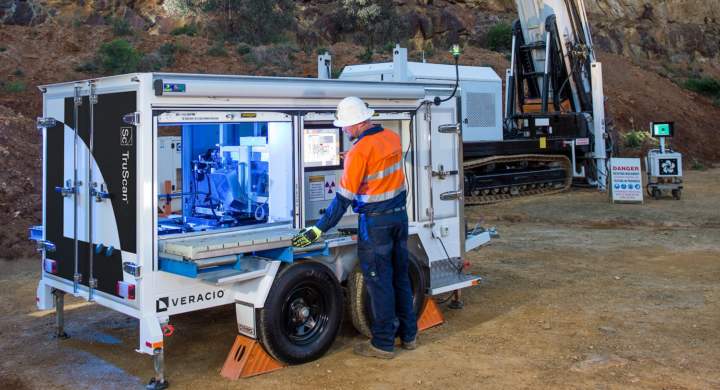
The Role of AI in Mining: Accelerating Critical Mineral Exploration for the Energy Transition
Op-Ed
The Role of AI in Mining: Accelerating Critical Mineral Exploration for the Energy Transition
 JT Clark
Chief Executive Officer
Veracio
JT Clark
Chief Executive Officer
Veracio
-
 Op-Ed
Canada Can Lead the World in Open RAN Evolution
Op-Ed
Canada Can Lead the World in Open RAN Evolution
 Nazim Benhadid
Chief Technology Officer
TELUS
Nazim Benhadid
Chief Technology Officer
TELUS
-
 Op-Ed
The Canadian AI Arms Race: How to Battle Cybercrime in a New Era
Op-Ed
The Canadian AI Arms Race: How to Battle Cybercrime in a New Era
 Mary Ann Yule
President and CEO
HP Canada
Mary Ann Yule
President and CEO
HP Canada
-
 Op-Ed
Shields Activated: Defining a Strategy for Canada’s Cybersecurity Future
Op-Ed
Shields Activated: Defining a Strategy for Canada’s Cybersecurity Future
 Claudette McGowan
Founder and CEO
Protexxa
Claudette McGowan
Founder and CEO
Protexxa
-
 Op-Ed
Building the Future of Insurance in Canada Through Innovation
Op-Ed
Building the Future of Insurance in Canada Through Innovation
 Laviva Mazhar
Principal
Luge Capital
Laviva Mazhar
Principal
Luge Capital
-
 Op-Ed
Breaking Monopolies and Supporting Fintech Innovation
Op-Ed
Breaking Monopolies and Supporting Fintech Innovation
 Nic Beique
Founder and Chief Executive Officer
Helcim
Nic Beique
Founder and Chief Executive Officer
Helcim
-
 Op-Ed
Improving Bill C-26 to Strengthen Canada’s Cybersecurity Position
Op-Ed
Improving Bill C-26 to Strengthen Canada’s Cybersecurity Position
 Jennifer Quaid
Executive Director
Canadian Cyber Threat Exchange
Jennifer Quaid
Executive Director
Canadian Cyber Threat Exchange
-
 Op-Ed
Vehicle-to-Grid Technology Will Boost EV Adoption
Rob Safrata
CEO
Novex Delivery Solutions
Op-Ed
Vehicle-to-Grid Technology Will Boost EV Adoption
Rob Safrata
CEO
Novex Delivery Solutions
-
 Op-Ed
Transforming Canadian Healthcare Through Innovation in Nursing
Op-Ed
Transforming Canadian Healthcare Through Innovation in Nursing
 Tim Guest
CEO
Canadian Nurses Association
Tim Guest
CEO
Canadian Nurses Association
-
 Op-Ed
Supporting Black-Led Tech: A Key Pillar for A Positive Economic Outlook in Canada
Op-Ed
Supporting Black-Led Tech: A Key Pillar for A Positive Economic Outlook in Canada
 Isaac Olowolafe Jr.
Co-Founder
BKR Capital
Isaac Olowolafe Jr.
Co-Founder
BKR Capital
 Lise Birikundavyi
Co-Founder
BKR Capital
Lise Birikundavyi
Co-Founder
BKR Capital
-
 Op-Ed
How Canada Can Win in AI: Adopting the Silicon Valley Treatment
Op-Ed
How Canada Can Win in AI: Adopting the Silicon Valley Treatment
 Patricia Thaine
Co-Founder & CEO
Private AI
Patricia Thaine
Co-Founder & CEO
Private AI
-
 Op-Ed
Navigating the Road to Fleet Electrification
Op-Ed
Navigating the Road to Fleet Electrification
 Joe Lombardo
Vice President, Network Operations
Purolator
Joe Lombardo
Vice President, Network Operations
Purolator
-
 Op-Ed
Capturing Canada’s Electric Vehicle Opportunity
Op-Ed
Capturing Canada’s Electric Vehicle Opportunity
 Joanna Kyriazis
Director of Public Affairs
Clean Energy Canada
Joanna Kyriazis
Director of Public Affairs
Clean Energy Canada
 Sicellia Tsui
Communications Specialist
Clean Energy Canada
Sicellia Tsui
Communications Specialist
Clean Energy Canada
-
 Op-Ed
Optimizing Canadian Healthcare with the Power of Information
Op-Ed
Optimizing Canadian Healthcare with the Power of Information
 Duncan Weatherston
CEO
Smile Digital Health
Duncan Weatherston
CEO
Smile Digital Health
-
 Op-Ed
The Importance of Innovative Collaborations in Construction
Op-Ed
The Importance of Innovative Collaborations in Construction
 Chloe Smith
CEO and Co-Founder
Mercator
Chloe Smith
CEO and Co-Founder
Mercator
-
 Op-Ed
Unleashing Prosperity Through The Power of Procurement
Op-Ed
Unleashing Prosperity Through The Power of Procurement
 Matt Busbridge
Country Manager
Amazon Business Canada
Matt Busbridge
Country Manager
Amazon Business Canada
-
 Op-Ed
How Digital Trust and Identity Verification Solutions Can Boost Canada’s Prosperity
Op-Ed
How Digital Trust and Identity Verification Solutions Can Boost Canada’s Prosperity
 Joni Brennan
President
Digital ID and Authentication Council of Canada (DIACC)
Joni Brennan
President
Digital ID and Authentication Council of Canada (DIACC)
 Karan Puri
Associate Vice President and Head of Product, Trusted Credentials
TD Bank
Karan Puri
Associate Vice President and Head of Product, Trusted Credentials
TD Bank
-
 Op-Ed
If We Want Smarter Cities, We Need Smarter Funding
Op-Ed
If We Want Smarter Cities, We Need Smarter Funding
 Kurtis McBride
CEO
Miovision
Kurtis McBride
CEO
Miovision
-
 Op-Ed
The Future of Canadian D2C: Finding Success in a Saturated Landscape
Op-Ed
The Future of Canadian D2C: Finding Success in a Saturated Landscape
 Kaylee Astle
Founder & CEO
Blanka
Kaylee Astle
Founder & CEO
Blanka
-
 Op-Ed
The “Write” to Sign in an Evolving e-Signature Landscape
Op-Ed
The “Write” to Sign in an Evolving e-Signature Landscape
 John Gruetzner
Chief Operating Officer
Syngrafii
John Gruetzner
Chief Operating Officer
Syngrafii
-
 Op-Ed
Digital Identity: Driving the Economic Participation of Canadians
Op-Ed
Digital Identity: Driving the Economic Participation of Canadians
 Azim Esmail
Head of Growth
ATB Ventures
Azim Esmail
Head of Growth
ATB Ventures
-
 Op-Ed
Why Canadian Entrepreneurship is in Decline and How to Revive It
Op-Ed
Why Canadian Entrepreneurship is in Decline and How to Revive It
 Jeff Coull
Executive Director
Northwestern Ontario Innovation Centre
Jeff Coull
Executive Director
Northwestern Ontario Innovation Centre
-
 Op-Ed
Building Our Future: Priming Canada’s AEC Sector for Global Success
Op-Ed
Building Our Future: Priming Canada’s AEC Sector for Global Success
 Mansoor Kazerouni
Global Director of Architecture and Urbanism
Arcadis
Mansoor Kazerouni
Global Director of Architecture and Urbanism
Arcadis
-
 Op-Ed
Raising Investment for Geothermal Energy in Canada
Op-Ed
Raising Investment for Geothermal Energy in Canada
 Paul Cairns
Co-Founder and Chief Business Development Officer
Eavor Technologies Inc.
Paul Cairns
Co-Founder and Chief Business Development Officer
Eavor Technologies Inc.
-
 Op-Ed
A Loon Call for Canada to Lead in Sustainable AI
Op-Ed
A Loon Call for Canada to Lead in Sustainable AI
 Sam Ramadori
CEO
Brainbox AI
Sam Ramadori
CEO
Brainbox AI
-
 Op-Ed
E-Commerce of the Future: Innovation, Shopability, and Joyfulness
Op-Ed
E-Commerce of the Future: Innovation, Shopability, and Joyfulness
 Kristie Painting
Country Manager
Pinterest Canada
Kristie Painting
Country Manager
Pinterest Canada
-
 Op-Ed
Assistive Technology: Canada’s Little-Known Opportunity
Op-Ed
Assistive Technology: Canada’s Little-Known Opportunity
 Eyra Abraham
Founder and CEO
Lisnen
Eyra Abraham
Founder and CEO
Lisnen
-
 Op-Ed
AI Will Benefit Workers. Government Must Speed Up Adoption
Op-Ed
AI Will Benefit Workers. Government Must Speed Up Adoption
 Philip Cross
Senior Fellow
Macdonald-Laurier Institute
Philip Cross
Senior Fellow
Macdonald-Laurier Institute
-
 Video Interview
AI Adoption: Getting Canada From Laggard to Leader
Video Interview
AI Adoption: Getting Canada From Laggard to Leader
 Eric Gales
Country Manager
AWS Canada
Eric Gales
Country Manager
AWS Canada
-
 Op-Ed
How to Ensure Canadian Tech Remains a Global Leader
Op-Ed
How to Ensure Canadian Tech Remains a Global Leader
 Claudia Krywiak
President and CEO
Ontario Centre of Innovation
Claudia Krywiak
President and CEO
Ontario Centre of Innovation
-
 Op-Ed
Transforming Education: A Case for Future-Ready Learning for All
Op-Ed
Transforming Education: A Case for Future-Ready Learning for All
 Elka Walsh
Associate Vice President, Teaching, Learning and Digital Transformation, Education Industry
Microsoft Canada
Elka Walsh
Associate Vice President, Teaching, Learning and Digital Transformation, Education Industry
Microsoft Canada
-
 Op-Ed
Updating Canada’s Education System for the 21st Century
Op-Ed
Updating Canada’s Education System for the 21st Century
 Sharif Mahdy
CEO
Students Commission of Canada
Sharif Mahdy
CEO
Students Commission of Canada
 Stoney McCart
Co-Founder
Students Commission of Canada
Stoney McCart
Co-Founder
Students Commission of Canada
-
 Op-Ed
The Power of eLearning: Prospering in a Digitally-Driven Economy
Op-Ed
The Power of eLearning: Prospering in a Digitally-Driven Economy
 Lee Dale
CEO
Say Yeah!
Lee Dale
CEO
Say Yeah!
-
 Video Interview
A Common Lexicon for Data and Privacy Values
Video Interview
A Common Lexicon for Data and Privacy Values
 Roobi Alam
Associate Partner of Privacy & Data Trust
EY
Roobi Alam
Associate Partner of Privacy & Data Trust
EY
 Adam Kardash
Partner and Chair of the Privacy and Data Management Practice
Osler, Hoskin & Harcourt
Adam Kardash
Partner and Chair of the Privacy and Data Management Practice
Osler, Hoskin & Harcourt
 Sasha Krstic
President
Mastercard Canada
Sasha Krstic
President
Mastercard Canada
-
 Op-Ed
How to Bring Estate Settlement into the 21st Century
Op-Ed
How to Bring Estate Settlement into the 21st Century
 Davide Pisanu
CEO and Co-Founder
ClearEstate
Davide Pisanu
CEO and Co-Founder
ClearEstate
-
 Op-Ed
Towards a Future Canada Driven by Blockchain and Crypto
Op-Ed
Towards a Future Canada Driven by Blockchain and Crypto
 Mark Greenberg
Managing Director
Kraken Canada
Mark Greenberg
Managing Director
Kraken Canada
-
 Video Interview
Finding the Balance: Driving Crypto Innovation While Protecting Consumers
Video Interview
Finding the Balance: Driving Crypto Innovation While Protecting Consumers
 Morva Rohani
Executive Director
Canadian Web3 Council
Morva Rohani
Executive Director
Canadian Web3 Council
 Eric Richmond
President
Coinsquare
Sasha Krstic
President
Mastercard Canada
Eric Richmond
President
Coinsquare
Sasha Krstic
President
Mastercard Canada
-
 Op-Ed
How to Build A Leading Fintech Sector in Canada
Op-Ed
How to Build A Leading Fintech Sector in Canada
 Geoff Rush
Global Head of Financial Services Advisory
KPMG
Geoff Rush
Global Head of Financial Services Advisory
KPMG
 Edith Hitt
Partner, Advisory Services
KPMG
Edith Hitt
Partner, Advisory Services
KPMG
-
 Video Interview
Taking Risks for New Education Models and Economic Growth in Canada
Video Interview
Taking Risks for New Education Models and Economic Growth in Canada
 Sheldon Levy
Former President
Toronto Metropolitan University
Sasha Krstic
President
Mastercard Canada
Sheldon Levy
Former President
Toronto Metropolitan University
Sasha Krstic
President
Mastercard Canada
-
 Op-Ed
AI’s Environmental Harm: How to Reduce AI’s Energy Consumption
Op-Ed
AI’s Environmental Harm: How to Reduce AI’s Energy Consumption
 Arun Iyengar
CEO
Untether AI
Arun Iyengar
CEO
Untether AI
-
 Op-Ed
Robotics is the Future. Can Canada Lead?
Op-Ed
Robotics is the Future. Can Canada Lead?
 Soroush Karimzadeh
CEO and Co-Founder
Novarc Technologies
Soroush Karimzadeh
CEO and Co-Founder
Novarc Technologies
-
 Op-Ed
Canadian Businesses Need an AI Blueprint to Increase Adoption
Op-Ed
Canadian Businesses Need an AI Blueprint to Increase Adoption
 Deb Pimentel
General Manager, Technology
IBM Canada
Deb Pimentel
General Manager, Technology
IBM Canada
-
 Op-Ed
Upskilling in the Age of AI and Automation
Op-Ed
Upskilling in the Age of AI and Automation
 Chris Ellison
Vice President and General Manager
ServiceNow Canada
Chris Ellison
Vice President and General Manager
ServiceNow Canada
-
 Op-Ed
Can Canada Lead in Trustworthy AI?
Op-Ed
Can Canada Lead in Trustworthy AI?
 Andy Fillmore
Member of Parliament
Halifax
Andy Fillmore
Member of Parliament
Halifax
-
 Op-Ed
Unlocking Canada’s Tech Renaissance by Growing the Semiconductor Sector
Op-Ed
Unlocking Canada’s Tech Renaissance by Growing the Semiconductor Sector
 Avinash Persaud
Vice President
Hardware Catalyst Initiative, ventureLAB
Avinash Persaud
Vice President
Hardware Catalyst Initiative, ventureLAB
-
 Video Interview
How to Navigate the Risks and Rewards of the AI Revolution
Video Interview
How to Navigate the Risks and Rewards of the AI Revolution
 Sinead Bovell
Founder
WAYE
Sinead Bovell
Founder
WAYE
 David Birch
Director of Innovation
Consult Hyperion
Sasha Krstic
President
Mastercard Canada
David Birch
Director of Innovation
Consult Hyperion
Sasha Krstic
President
Mastercard Canada
-
 Op-Ed
Canada Cannot Afford to be Complacent With Generative AI Risks
Op-Ed
Canada Cannot Afford to be Complacent With Generative AI Risks
 Ian Paterson
CEO
Plurilock
Ian Paterson
CEO
Plurilock
-
 Video Interview
Making Cybersecurity a Foundation of Good Business
Video Interview
Making Cybersecurity a Foundation of Good Business
 Sami Khoury
Head
Canadian Centre for Cyber Security
Shannon Leininger
President
Cisco Canada
Sasha Krstic
President
Mastercard Canada
Sami Khoury
Head
Canadian Centre for Cyber Security
Shannon Leininger
President
Cisco Canada
Sasha Krstic
President
Mastercard Canada
-
 Op-Ed
How Canada Can Lead in the Global Semiconductor Industry – If We Act Now
Gordon Harling
President and CEO
CMC Microsystems
Op-Ed
How Canada Can Lead in the Global Semiconductor Industry – If We Act Now
Gordon Harling
President and CEO
CMC Microsystems
-
 Op-Ed
How Canada Can Win in Web3, The Internet’s Next Frontier
Op-Ed
How Canada Can Win in Web3, The Internet’s Next Frontier
 Alex Tapscott
Co-Founder
Blockchain Research Institute
Alex Tapscott
Co-Founder
Blockchain Research Institute
-
 Op-Ed
How Regulating Bitcoin Will Lead to A More Stable Economy
Op-Ed
How Regulating Bitcoin Will Lead to A More Stable Economy
 Jean Amiouny
Co-Founder and CEO
Shakepay
Jean Amiouny
Co-Founder and CEO
Shakepay
-
 Op-Ed
How to Modernize Payments in Canada
Op-Ed
How to Modernize Payments in Canada
 Brigit Carroll
Policy Lead for North America
Wise
Brigit Carroll
Policy Lead for North America
Wise
-
 Op-Ed
How A Canadian Tech Myth Can Drive Innovation
Op-Ed
How A Canadian Tech Myth Can Drive Innovation
 Bruce Qi
Founder and CEO
Launchpad Technologies
Bruce Qi
Founder and CEO
Launchpad Technologies
-
 Video Interview
Tech Modernization: AI, Cybersecurity, and Sustainability
Video Interview
Tech Modernization: AI, Cybersecurity, and Sustainability
 Dave McCann
President
IBM Canada
Dave McCann
President
IBM Canada
-
 Op-Ed
How to Protect Against Identity Theft: A Guide for Canadian Businesses and Consumers
Op-Ed
How to Protect Against Identity Theft: A Guide for Canadian Businesses and Consumers
 Leigh Tynan
Director of TELUS Online Security
TELUS
Leigh Tynan
Director of TELUS Online Security
TELUS
-
 Op-Ed
Why Companies Must Update Their Supply Chain Tech Now
Op-Ed
Why Companies Must Update Their Supply Chain Tech Now
 Nicole Verkindt
CEO
Buggy
Nicole Verkindt
CEO
Buggy
-
 Op-Ed
What Crypto Regulation Is in Canada and How It Should Evolve
Op-Ed
What Crypto Regulation Is in Canada and How It Should Evolve
 Matthew Burgoyne
Co-Head, Digital Assets
Osler
Matthew Burgoyne
Co-Head, Digital Assets
Osler
-
 Op-Ed
How Blockchain Technology Will Boost Innovation in Canada
Op-Ed
How Blockchain Technology Will Boost Innovation in Canada
 Jaime Leverton
CEO
Hut 8
Jaime Leverton
CEO
Hut 8
-
 Video Interview
How Canada Can Build An Auto Industry of the Future
Video Interview
How Canada Can Build An Auto Industry of the Future
 Bill Newman
Chief Industry Executive Advisor, Automotive and Manufacturing
SAP
Bill Newman
Chief Industry Executive Advisor, Automotive and Manufacturing
SAP
-
 Op-Ed
How to Support Tech Innovation in Canada’s Automotive Sector
Op-Ed
How to Support Tech Innovation in Canada’s Automotive Sector
 Charles Boulanger
CEO
LeddarTech
Charles Boulanger
CEO
LeddarTech
-
 Op-Ed
How Canada Can Win the War for Talent
Op-Ed
How Canada Can Win the War for Talent
 Arif Khimani
President and COO
MobSquad
Arif Khimani
President and COO
MobSquad
-
 Op-Ed
How to Overcome Canada’s Tech Talent Shortage
Julia Blackburn
CEO
NPower Canada
Op-Ed
How to Overcome Canada’s Tech Talent Shortage
Julia Blackburn
CEO
NPower Canada
-
 Spotlight Interview
The Importance of Digital Literacy for Youth
Spotlight Interview
The Importance of Digital Literacy for Youth
 Monica Paraschiv
Junior Data Analyst Program Alumna
NPower Canada
Monica Paraschiv
Junior Data Analyst Program Alumna
NPower Canada
-
 Spotlight Interview
Digital Skilling: Supporting Inclusive Economic Growth
Chris Barry
President
Microsoft Canada
Spotlight Interview
Digital Skilling: Supporting Inclusive Economic Growth
Chris Barry
President
Microsoft Canada
-
 Spotlight Interview
How to Skill Workers for the Digital Economy
David Morgenstern
President
Accenture Canada
Spotlight Interview
How to Skill Workers for the Digital Economy
David Morgenstern
President
Accenture Canada
-
 Spotlight Interview
Digital Skilling Programs for an Inclusive Green Economy
Spotlight Interview
Digital Skilling Programs for an Inclusive Green Economy
 Sue Paish
CEO
Digital Supercluster
Sue Paish
CEO
Digital Supercluster
-
 Video Interview
Canada Needs a Network for Crisis Response
Video Interview
Canada Needs a Network for Crisis Response
 Véronique Lecault
Co-Founder and Chief Operating Officer
AbCellera
Véronique Lecault
Co-Founder and Chief Operating Officer
AbCellera
-
 Video Interview
Scaling an E-Commerce Business in Canada
Video Interview
Scaling an E-Commerce Business in Canada
 François Gaouette
Founder and CEO
Amilia
François Gaouette
Founder and CEO
Amilia
-
 Op-Ed
How a Circular Economy can Bridge the Digital Divide
Op-Ed
How a Circular Economy can Bridge the Digital Divide
 Bojan Paduh
Founder and President
The Electronic Recycling Association (ERA)
Bojan Paduh
Founder and President
The Electronic Recycling Association (ERA)
-
 Op-Ed
The Next Wave of Canadian E-commerce: Super-apps and Sustainability
Op-Ed
The Next Wave of Canadian E-commerce: Super-apps and Sustainability
 Frederic Lalonde
CEO and Co-Founder
Hopper
Frederic Lalonde
CEO and Co-Founder
Hopper
-
 Video Panels
Sustainable Food Systems: Canada as A World Leader in Agricultural Sustainability
Video Panels
Sustainable Food Systems: Canada as A World Leader in Agricultural Sustainability
 Dr. Ellen Goddard
Professor at the Faculty of Agricultural, Life and Environmental Sciences
University of Alberta
Dr. Ellen Goddard
Professor at the Faculty of Agricultural, Life and Environmental Sciences
University of Alberta
 François Belzile
Professor in the Plant Science Department
Université Laval
François Belzile
Professor in the Plant Science Department
Université Laval
 Chris Grainger
President and CEO
Harvest Genomics
Chris Grainger
President and CEO
Harvest Genomics
 Rob Annan
President & CEO
Genome Canada
Rob Annan
President & CEO
Genome Canada
-
 Op-Ed
Improving Canada’s Digital Public Services: Simplicity, Humanity and Security
Mark Lambert
Canada Health & Public Service Lead
Accenture
Op-Ed
Improving Canada’s Digital Public Services: Simplicity, Humanity and Security
Mark Lambert
Canada Health & Public Service Lead
Accenture
-
 Op-Ed
The Key Ingredient to Success in a Changing Economy: People
Chris Barry
President
Microsoft Canada
Op-Ed
The Key Ingredient to Success in a Changing Economy: People
Chris Barry
President
Microsoft Canada
-
 Op-Ed
Accelerating EV Adoption in Canada
Op-Ed
Accelerating EV Adoption in Canada
 Jennifer Rogers
National Automotive and Transportation Leader
EY Canada
Jennifer Rogers
National Automotive and Transportation Leader
EY Canada
-
 Video Interview
Canada’s Esports and Video Gaming Industry
Video Interview
Canada’s Esports and Video Gaming Industry
 Chris Overholt
President and CEO
OverActive Media
Chris Overholt
President and CEO
OverActive Media
-
 Op-Ed
Canada Must Digitize Traditional Industries to Bridge Economic Divide
Op-Ed
Canada Must Digitize Traditional Industries to Bridge Economic Divide
 Jean-Charles Fahmy
CENGN, Canada's Centre of Excellence in Next Generation Networks
Jean-Charles Fahmy
Jean-Charles Fahmy
CENGN, Canada's Centre of Excellence in Next Generation Networks
-
 Op-Ed
How Standards will Modernize Canadian Regulatory Policy
Op-Ed
How Standards will Modernize Canadian Regulatory Policy
 Keith Jansa
Executive Director
CIO Strategy Council
Keith Jansa
Executive Director
CIO Strategy Council
-
 Op-Ed
Auto, Ag and Energy: Why Canada Needs a Strong Domestic Semiconductor Industry
Op-Ed
Auto, Ag and Energy: Why Canada Needs a Strong Domestic Semiconductor Industry
 Melissa Chee
President and CEO
ventureLAB
Melissa Chee
President and CEO
ventureLAB
-
 Op-Ed
Innovation in Rural Canada: Overcoming the Digital Divide
Op-Ed
Innovation in Rural Canada: Overcoming the Digital Divide
 Ken Coates
Canada Research Chair in Regional Innovation
Johnson-Shoyama Graduate School of Public Policy
Ken Coates
Canada Research Chair in Regional Innovation
Johnson-Shoyama Graduate School of Public Policy
-
 Op-Ed
Electronic Medical Records: How Open Data Creates Competition and Innovation
Op-Ed
Electronic Medical Records: How Open Data Creates Competition and Innovation
 Matthew Boswell
Commissioner of Competition
Competition Bureau Canada
Matthew Boswell
Commissioner of Competition
Competition Bureau Canada
-
 Video Interview
How to Grow Canada’s Biotech Sector
Video Interview
How to Grow Canada’s Biotech Sector
 Andrew Casey
President and CEO
BIOTECanada
Andrew Casey
President and CEO
BIOTECanada
-
 Video Interview
Open Banking, Web3 and Cybersecurity: The Future of Financial Services
Sasha Krstic
President
Mastercard Canada
Video Interview
Open Banking, Web3 and Cybersecurity: The Future of Financial Services
Sasha Krstic
President
Mastercard Canada
-
 Op-Ed
Future-Proofing Canada’s Public Services with Digital Skilling
Mark Lambert
Canada Health & Public Service Lead
Accenture
Op-Ed
Future-Proofing Canada’s Public Services with Digital Skilling
Mark Lambert
Canada Health & Public Service Lead
Accenture
 Ryan Oakes
Managing Director for Global Public Sector
Accenture
Ryan Oakes
Managing Director for Global Public Sector
Accenture
-
 Op-Ed
Real World Data Insights are Critical to Electrification Progress
Op-Ed
Real World Data Insights are Critical to Electrification Progress
 Neil Cawse
CEO and Founder
Geotab
Neil Cawse
CEO and Founder
Geotab
-
 Op-Ed
Canada’s Opportunity as a Global Leader in Agricultural Innovation
Op-Ed
Canada’s Opportunity as a Global Leader in Agricultural Innovation
 Allison Penner
Founder and Executive Director
Reimagine Agriculture
Allison Penner
Founder and Executive Director
Reimagine Agriculture
-
 Op-Ed
Canada Needs More Urgency on Digital ID
Op-Ed
Canada Needs More Urgency on Digital ID
 Iliana Oris Valiente
Managing Director and Canada Innovation Lead
Accenture
Joni Brennan
President
Digital ID and Authentication Council of Canada (DIACC)
Iliana Oris Valiente
Managing Director and Canada Innovation Lead
Accenture
Joni Brennan
President
Digital ID and Authentication Council of Canada (DIACC)
-
 Video Interview
Boosting Canada’s Tech Competitiveness and Brand on the Global Stage
Video Interview
Boosting Canada’s Tech Competitiveness and Brand on the Global Stage
 Abdullah Snobar
Executive Director
The DMZ
Abdullah Snobar
Executive Director
The DMZ
-
 Op-Ed
Restaurants’ Digital Future
Op-Ed
Restaurants’ Digital Future
 Ryan Moreno
CEO and Co-Founder
Joseph Richard Group
Ryan Moreno
CEO and Co-Founder
Joseph Richard Group
-
 Video Interview
The Importance of Entrepreneurial Education
Video Interview
The Importance of Entrepreneurial Education
 Robert Madej
Founder and CEO
PureFacts Financial Solutions
Robert Madej
Founder and CEO
PureFacts Financial Solutions
-
 Video Interview
How Canada Can Win the War for Tech Talent
Video Interview
How Canada Can Win the War for Tech Talent
 Sean Hinton
CEO and Founder
SkyHive Technologies
Sean Hinton
CEO and Founder
SkyHive Technologies
-
 Video Interview
Challenges and Opportunities in Canada’s Digital Economy
Video Interview
Challenges and Opportunities in Canada’s Digital Economy
 Namir Anani
President and CEO
Information and Communications Technology Council (ICTC)
Namir Anani
President and CEO
Information and Communications Technology Council (ICTC)
-
 Video Interview
Upskilling Canadian Workers for the Digital Transformation
Video Interview
Upskilling Canadian Workers for the Digital Transformation
 Eric Gales
Country Manager
Amazon Web Services (AWS) Canada
Eric Gales
Country Manager
Amazon Web Services (AWS) Canada
-
 Op-Ed
The Roadmap to a Chip-producing and Future-proof Canadian Economy
Op-Ed
The Roadmap to a Chip-producing and Future-proof Canadian Economy
 Sarah Prevette
Chair
Canada’s Semiconductor Council
Sarah Prevette
Chair
Canada’s Semiconductor Council
-
 Video Interview
The Future of Canada’s Cybersecurity Landscape
Video Interview
The Future of Canada’s Cybersecurity Landscape
 Melissa Carvalho
VP Global Cyber Security Planning Office & Customer Enterprise Identity and Access Management
Royal Bank of Canada (RBC)
Melissa Carvalho
VP Global Cyber Security Planning Office & Customer Enterprise Identity and Access Management
Royal Bank of Canada (RBC)
-
 Video Interview
Challenges and Opportunities for Canadian Cleantech Post-COVID
Video Interview
Challenges and Opportunities for Canadian Cleantech Post-COVID
 Peter Hall
Vice President & Chief Economist
Export Development Canada (EDC)
Peter Hall
Vice President & Chief Economist
Export Development Canada (EDC)
-
 Video Interview
Tech Adoption for Canada’s Advanced Manufacturing SMEs
Video Interview
Tech Adoption for Canada’s Advanced Manufacturing SMEs
 Irene Sterian
President and CEO
ReMAP Network
Irene Sterian
President and CEO
ReMAP Network
-
 Spotlight Interview
Collaboration to Strengthen Canada’s Advanced Manufacturing Sector
Spotlight Interview
Collaboration to Strengthen Canada’s Advanced Manufacturing Sector
 Andrea Johnston
Assistant Deputy Minister
Innovation Canada
Andrea Johnston
Assistant Deputy Minister
Innovation Canada
-
 Spotlight Interview
High-Tech Manufacturing in the Canadian Health Sector
Spotlight Interview
High-Tech Manufacturing in the Canadian Health Sector
 Victor Yang
Chief Scientific Officer
7D Surgical
Victor Yang
Chief Scientific Officer
7D Surgical
-
 Video Interview
The Future of Medtech and Life Sciences in Alberta
Video Interview
The Future of Medtech and Life Sciences in Alberta
 Breanne Everett
CEO and Co-Founder
Orpyx Medical Technologies
Breanne Everett
CEO and Co-Founder
Orpyx Medical Technologies
-
 Video Interview
E-Commerce and the Digital Transformation of Canada’s Economy
Video Interview
E-Commerce and the Digital Transformation of Canada’s Economy
 Ian Black
Managing Director, Canada
Shopify
Ian Black
Managing Director, Canada
Shopify
-
 Video Interview
Alberta and Canada’s AI-Driven Future
Video Interview
Alberta and Canada’s AI-Driven Future
 Nicole Janssen
Co-Founders and Co-CEO
AltaML
Nicole Janssen
Co-Founders and Co-CEO
AltaML
 Cory Janssen
Co-Founders and Co-CEO
AltaML
Cory Janssen
Co-Founders and Co-CEO
AltaML
-
 Video Interview
The Digital Payments Revolution in Canada
Video Interview
The Digital Payments Revolution in Canada
 William Keliehor
Chief Commercial Officer
Interac
William Keliehor
Chief Commercial Officer
Interac
-
 Video Panels
Panel: The Future of AgTech
Video Panels
Panel: The Future of AgTech
 Stanford Blade
Dean of the Faculty of Agricultural, Life and Environmental Sciences
University of Alberta
Stanford Blade
Dean of the Faculty of Agricultural, Life and Environmental Sciences
University of Alberta
 Remi Schmaltz
Director of North American Agribusiness Development
TELUS Agriculture
Remi Schmaltz
Director of North American Agribusiness Development
TELUS Agriculture
 Karen Schuett
Co-Founder and CEO
Livestock Water Recycling
Karen Schuett
Co-Founder and CEO
Livestock Water Recycling
-
 Video Interview
Capital and the US Market for Canada’s Entrepreneurs
Video Interview
Capital and the US Market for Canada’s Entrepreneurs
 Brett Chell
President and CEO
Cold Bore Technology
Brett Chell
President and CEO
Cold Bore Technology
-
 Video Interview
The Future of Artificial Intelligence and Reinforcement Learning
Video Interview
The Future of Artificial Intelligence and Reinforcement Learning
 Richard Sutton
Chief Scientific Advisor and Professor
Alberta Machine Intelligence Institute (Amii) and University of Alberta
Richard Sutton
Chief Scientific Advisor and Professor
Alberta Machine Intelligence Institute (Amii) and University of Alberta
-
 Op-Ed
Building the Future of Canada’s Internet
Op-Ed
Building the Future of Canada’s Internet
 Byron Holland
President and CEO
Canadian Internet Registration Authority (CIRA)
Byron Holland
President and CEO
Canadian Internet Registration Authority (CIRA)
-
 Video Interview
Internet Access, Privacy & Cybersecurity in Canada
Byron Holland
President and CEO
Canadian Internet Registration Authority (CIRA)
Video Interview
Internet Access, Privacy & Cybersecurity in Canada
Byron Holland
President and CEO
Canadian Internet Registration Authority (CIRA)
-
 Video Interview
Big Visions and Crossing Silos for Canadian Entrepreneurs
Video Interview
Big Visions and Crossing Silos for Canadian Entrepreneurs
 Mike Stern
CEO and Co-Founder
Connected
Mike Stern
CEO and Co-Founder
Connected
-
 Video Interview
Beyond Steel: Hamilton’s Diversifying Economy
Video Interview
Beyond Steel: Hamilton’s Diversifying Economy
 Fred Eisenberger
Mayor
City of Hamilton
Fred Eisenberger
Mayor
City of Hamilton
-
 Video Interview
Transparency and Support for FDI in Canada
Video Interview
Transparency and Support for FDI in Canada
 Kathy Jenkins
Group Chief Executive
Marshall of Cambridge
Kathy Jenkins
Group Chief Executive
Marshall of Cambridge
-
 Spotlight Interview
Launching Businesses in Montreal
Spotlight Interview
Launching Businesses in Montreal
 Rachel Labbe-Bellas
Founder
O’land Stations
Rachel Labbe-Bellas
Founder
O’land Stations
-
 Spotlight Interview
Montreal: A Collaborative Ecosystem for Climate Tech
Spotlight Interview
Montreal: A Collaborative Ecosystem for Climate Tech
 Sylvain Carle
Senior Director
SecondMuse Capital
Sylvain Carle
Senior Director
SecondMuse Capital
-
 Spotlight Interview
The Rapid Growth of Montreal’s Cleantech Sector
Spotlight Interview
The Rapid Growth of Montreal’s Cleantech Sector
 Patrick Gagné
CEO
Cycle Momentum
Patrick Gagné
CEO
Cycle Momentum
-
 Spotlight Interview
Montreal’s Cleantech Innovation Ecosystem
Spotlight Interview
Montreal’s Cleantech Innovation Ecosystem
 Catherine Bérubé
Vice President of Sustainability, Investor Relations, and Public Affairs
Cycle Capital Management
Catherine Bérubé
Vice President of Sustainability, Investor Relations, and Public Affairs
Cycle Capital Management
-
 Video Interview
Canada’s Adaptive Regulatory Environment in Cleantech
Video Interview
Canada’s Adaptive Regulatory Environment in Cleantech
 Philippe Saint-Just
Co-Founder and Senior Vice President of Product
REEF Technology
Philippe Saint-Just
Co-Founder and Senior Vice President of Product
REEF Technology
-
 Video Interview
Alberta’s Growing Innovation Ecosystem
Video Interview
Alberta’s Growing Innovation Ecosystem
 Doug Schweitzer
Minister of Jobs, Economy and Innovation
Government of Alberta
Doug Schweitzer
Minister of Jobs, Economy and Innovation
Government of Alberta
-
 Video Panels
Panel: Disrupt the Dialogue on Diversity
Video Panels
Panel: Disrupt the Dialogue on Diversity
 Angela Mondou
President & CEO
TECHNATION
Melissa Chee
President and CEO
ventureLAB
Angela Mondou
President & CEO
TECHNATION
Melissa Chee
President and CEO
ventureLAB
 Angela Brown
President & CEO
Moneris
Mary Ann Yule
President and CEO
HP Canada
Angela Brown
President & CEO
Moneris
Mary Ann Yule
President and CEO
HP Canada
 Jaime Leverton
CEO
Hut 8 Mining Corp
Jaime Leverton
CEO
Hut 8 Mining Corp
 Coreen Bouchard
Founder
Purologic IT
Coreen Bouchard
Founder
Purologic IT
 Susan Bowen
CEO and President
Aptum
Susan Bowen
CEO and President
Aptum
-
 Video Interview
Transformative Sectors in Edmonton’s Economy
Video Interview
Transformative Sectors in Edmonton’s Economy
 Malcolm Bruce
CEO
Edmonton Global
Malcolm Bruce
CEO
Edmonton Global
-
 Video Interview
Accelerating Digitization in Government
Video Interview
Accelerating Digitization in Government
 Marc LeCuyer
Vice President and General Manager
ServiceNow Canada
Marc LeCuyer
Vice President and General Manager
ServiceNow Canada
-
 Interview
Technology Adoption to Decarbonize Concrete
Interview
Technology Adoption to Decarbonize Concrete
 Pouria Ghods
Co-Founder and CEO
Giatec
Pouria Ghods
Co-Founder and CEO
Giatec
-
 Video Interview
How Industry Can Help Canada Lead Globally
Video Interview
How Industry Can Help Canada Lead Globally
 Penny Wise
President and Managing Director
3M Canada
Penny Wise
President and Managing Director
3M Canada
-
 Spotlight Interview
The Right Networks for Business Growth in PEI
Spotlight Interview
The Right Networks for Business Growth in PEI
 Deborah Dullen
Co-Founder and President
BioTraceIT
Deborah Dullen
Co-Founder and President
BioTraceIT
-
 Spotlight Interview
Innovating Technologies in St. John’s Ocean Economy
Spotlight Interview
Innovating Technologies in St. John’s Ocean Economy
 Mike Maguire
Chair of the Board
Oceans Advance
Mike Maguire
Chair of the Board
Oceans Advance
-
 Video Panels
Panel on the Future of Augmented Reality and 3D in Commerce
Video Panels
Panel on the Future of Augmented Reality and 3D in Commerce
 Ben Houston
CTO & Founder
Threekit Technologies Inc.
Ben Houston
CTO & Founder
Threekit Technologies Inc.
 Shlomo Bibas
SVP & Global Chief Information Officer
Celestica
Shlomo Bibas
SVP & Global Chief Information Officer
Celestica
 Dan Gange
Director of Ecommerce
Palliser Furniture and EQ3
Dan Gange
Director of Ecommerce
Palliser Furniture and EQ3
-
 Video Interview
Toronto: North America’s Fastest Growing Tech Hub
Video Interview
Toronto: North America’s Fastest Growing Tech Hub
 Paddy Cosgrave
Founder & CEO
Collision
Paddy Cosgrave
Founder & CEO
Collision
-
 Interview
Why Canada Needs Tech Adoption in Government
Interview
Why Canada Needs Tech Adoption in Government
 Anant Gadia
Managing Director
Accenture
Anant Gadia
Managing Director
Accenture
-
 Video Interview
Entrepreneurship and the Global Mindset
Video Interview
Entrepreneurship and the Global Mindset
 Tarique Al-Ansari
Founder & CEO
Paystone
Tarique Al-Ansari
Founder & CEO
Paystone
-
 Interview
The Necessity of Digitization for the Future Economy
Interview
The Necessity of Digitization for the Future Economy
 Xerxes Cooper
General Manager, Global Technology Services
IBM Canada
Xerxes Cooper
General Manager, Global Technology Services
IBM Canada
-
 Spotlight Interview
Innovating New Technologies to Strengthen the Canadian Supply Chain
Spotlight Interview
Innovating New Technologies to Strengthen the Canadian Supply Chain
 Janet Wardle
President & CEO
MHI Canada Aerospace
Janet Wardle
President & CEO
MHI Canada Aerospace
-
 Video Interview
Montreal as a Global Hub for Investment
Video Interview
Montreal as a Global Hub for Investment
 Stéphane Paquet
President & CEO
Montréal International
Stéphane Paquet
President & CEO
Montréal International
-
 Video Interview
Canada’s Digital Payments Revolution
Angela Brown
President & CEO
Moneris
Video Interview
Canada’s Digital Payments Revolution
Angela Brown
President & CEO
Moneris
-
 Spotlight Interview
Big Tech in Waterloo
Spotlight Interview
Big Tech in Waterloo
 Steve Woods
Senior Director of Engineering & Engineering Lead
Google Canada
Steve Woods
Senior Director of Engineering & Engineering Lead
Google Canada
-
 Spotlight Interview
Waterloo’s Talent and Quality of Life
Spotlight Interview
Waterloo’s Talent and Quality of Life
 Matt Rendall
CEO and Co-Founder
Clearpath Robotics
Matt Rendall
CEO and Co-Founder
Clearpath Robotics
-
Interview
How Tech Can Help Canada’s SMEs Through COVID and Beyond
 David Marquis
Country Manager, Canada
Intuit
David Marquis
Country Manager, Canada
Intuit
-
Video Interview
Canada’s International Network and Tech-Driven Recovery
 John Stackhouse
Senior Vice President, Office of the CEO
RBC
John Stackhouse
Senior Vice President, Office of the CEO
RBC
-
 Spotlight Interview
Fredericton’s World Class Talent
Spotlight Interview
Fredericton’s World Class Talent
 Chris Forman
Founder & CEO
Appcast
Chris Forman
Founder & CEO
Appcast
-
 Spotlight Interview
Quality of Life and a Welcoming Business Environment
Spotlight Interview
Quality of Life and a Welcoming Business Environment
 Vagmi Mudumbai
CTO
Sedin Technologies
Vagmi Mudumbai
CTO
Sedin Technologies
-
 Spotlight Interview
Cybersecurity Strengths in Fredericton
Spotlight Interview
Cybersecurity Strengths in Fredericton
 Yan Simard
CEO
Kognitiv Spark
Yan Simard
CEO
Kognitiv Spark
-
 Video Interview
Calgary: A Diversifying Economy
Video Interview
Calgary: A Diversifying Economy
 Mary Moran
President & CEO
Calgary Economic Development
Mary Moran
President & CEO
Calgary Economic Development
-
 Spotlight Interview
Calgary: Driving Canadian Agtech Innovation
Spotlight Interview
Calgary: Driving Canadian Agtech Innovation
 Wilson Acton
Chief Commercial Officer
Verge
Wilson Acton
Chief Commercial Officer
Verge
-
 Spotlight Interview
The Future of Calgary’s Tech Scene
Spotlight Interview
The Future of Calgary’s Tech Scene
 Dan Giurescu
President, CEO, & Founder
TerraHub (now Credivera)
Dan Giurescu
President, CEO, & Founder
TerraHub (now Credivera)
-
Video Interview
Toronto: A Safe Haven for Investment
 Stephen Lund
CEO
Toronto Global
Stephen Lund
CEO
Toronto Global
-
 Spotlight Interview
Innovating Solutions for the World
Spotlight Interview
Innovating Solutions for the World
 Allyson Hewitt
VP, Impact
MaRS Discovery District
Allyson Hewitt
VP, Impact
MaRS Discovery District
-
 Spotlight Interview
Markham’s Tech & Innovation Ecosystem
Spotlight Interview
Markham’s Tech & Innovation Ecosystem
 Frank Scarpitti
Mayor
City of Markham
Frank Scarpitti
Mayor
City of Markham
-
 Spotlight Interview
Toronto’s Thriving Talent-Rich Tech Ecosystem
Spotlight Interview
Toronto’s Thriving Talent-Rich Tech Ecosystem
 Jodi Kovitz
CEO
#movethedial
Jodi Kovitz
CEO
#movethedial
-
Video Interview
Driving Canadian Tech Competitiveness
 Kevin Peesker
President
Microsoft Canada
Kevin Peesker
President
Microsoft Canada
-
 Video Panels
Digital ID and Verification in Canada’s Future Economy Panel
Video Panels
Digital ID and Verification in Canada’s Future Economy Panel
 Joni Brennan
President
Digital ID & Authentication Council of Canada (DIACC)
Joni Brennan
President
Digital ID & Authentication Council of Canada (DIACC)
 Greg Wolfond
CEO
SecureKey
Greg Wolfond
CEO
SecureKey
 Franklin Garrigues
VP Digital Channels
TD Bank
Franklin Garrigues
VP Digital Channels
TD Bank
-
 Spotlight Interview
Machine Learning’s Impact on the Future of Canada’s Workforce
Cory Janssen
Co-Founders and Co-CEO
AltaML
Spotlight Interview
Machine Learning’s Impact on the Future of Canada’s Workforce
Cory Janssen
Co-Founders and Co-CEO
AltaML
-
 Spotlight Interview
AI’s Impact on the Future of Canada’s Workforce
Spotlight Interview
AI’s Impact on the Future of Canada’s Workforce
 Prasad Garigipati
Head of Global AI Accelerator in Montreal
Ericsson
Prasad Garigipati
Head of Global AI Accelerator in Montreal
Ericsson
-
 Spotlight Interview
Impact of 5G on Canada’s Workforce
Spotlight Interview
Impact of 5G on Canada’s Workforce
 Pierre Boucher
General Manager of Innovation
ENCQOR
Pierre Boucher
General Manager of Innovation
ENCQOR
-
 Video Interview
The Skills and Partnerships Needed for Canada’s Innovation Economy
Video Interview
The Skills and Partnerships Needed for Canada’s Innovation Economy
 John Hepburn
CEO & Scientific Director
Mitacs
John Hepburn
CEO & Scientific Director
Mitacs
-
 Interview
Entrepreneurship is a Science: Identify the Problem, Hypothesize, and Test
Interview
Entrepreneurship is a Science: Identify the Problem, Hypothesize, and Test
 Brendan King
CEO
Vendasta
Brendan King
CEO
Vendasta
-
 Video Panels
Canada’s Post-COVID Digital Future Panel
Video Panels
Canada’s Post-COVID Digital Future Panel
 Alex Benay
Partner in Digital and Government Solutions & Co-Founder
KPMG Canada & CIO Strategy Council
Keith Jansa
Executive Director
CIO Strategy Council
Alex Benay
Partner in Digital and Government Solutions & Co-Founder
KPMG Canada & CIO Strategy Council
Keith Jansa
Executive Director
CIO Strategy Council
-
 Video Interview
Midsized City Manufacturing Above its Weight
Video Interview
Midsized City Manufacturing Above its Weight
 Kapil Lakhotia
President & CEO
London Economic Development Corporation
Kapil Lakhotia
President & CEO
London Economic Development Corporation
-
 Spotlight Interview
Talent at the Core of Canada’s Digital Economy
Spotlight Interview
Talent at the Core of Canada’s Digital Economy
 Sabrina Geremia
VP & Country Manager
Google
Sabrina Geremia
VP & Country Manager
Google
-
 Op-Ed
It’s Time to Focus on Talent to Accelerate Canada’s Startup Momentum
Op-Ed
It’s Time to Focus on Talent to Accelerate Canada’s Startup Momentum
 Dan Herman
Founder
Their World, Our Future
Dan Herman
Founder
Their World, Our Future
-
 Op-Ed
Physician-Patient Consultation is Critical in Developing Sustainable Telemedicine Infrastructure
Op-Ed
Physician-Patient Consultation is Critical in Developing Sustainable Telemedicine Infrastructure
 Dr. Inderveer Mahal
Family Physician, Fellow
Munk School of Global Affairs & Public Policy
Dr. Inderveer Mahal
Family Physician, Fellow
Munk School of Global Affairs & Public Policy
-
 Interview
Digitization, Data and the Future of Finance
Interview
Digitization, Data and the Future of Finance
 Keren Moynihan
Co-Founder & CEO
Boss Insights
Keren Moynihan
Co-Founder & CEO
Boss Insights
-
 Op-Ed
The Rise of Healthtech Amid COVID-19
Op-Ed
The Rise of Healthtech Amid COVID-19
 Cameron Burke
Managing Director, Advisory & Tech
PwC Canada
Cameron Burke
Managing Director, Advisory & Tech
PwC Canada
-
 Interview
Canadian Leadership in Digital ID: The solutions are here but we must act now
Greg Wolfond
CEO
SecureKey
Interview
Canadian Leadership in Digital ID: The solutions are here but we must act now
Greg Wolfond
CEO
SecureKey
-
 Interview
Breaking Down the Silos: Innovation through Industry Collaboration
Interview
Breaking Down the Silos: Innovation through Industry Collaboration
 Bill Tam
Co-Founder & COO
Digital Technology Supercluster
Bill Tam
Co-Founder & COO
Digital Technology Supercluster
-
 Spotlight Interview
Cybersecurity: Time to be proactive
Spotlight Interview
Cybersecurity: Time to be proactive
 Sylvain Masounave
Global VP of Engineering and Operations
OneSpan
Sylvain Masounave
Global VP of Engineering and Operations
OneSpan
-
 Spotlight Interview
Montreal’s Strengths in AI, VR and Games Growing its Cybersecurity Ecosystem
Spotlight Interview
Montreal’s Strengths in AI, VR and Games Growing its Cybersecurity Ecosystem
 Vanessa Henri
Data Protection Strategist
Fasken
Vanessa Henri
Data Protection Strategist
Fasken
-
 Spotlight Interview
Collaboration is Key to Our Competitive Edge in Cybersecurity
Spotlight Interview
Collaboration is Key to Our Competitive Edge in Cybersecurity
 Amir Belkhelladi
National Cyber Leader
Deloitte Canada
Amir Belkhelladi
National Cyber Leader
Deloitte Canada
-
 Spotlight Interview
Cybersecurity: Both a Huge Risk and Opportunity
Spotlight Interview
Cybersecurity: Both a Huge Risk and Opportunity
 Benoît Dupont
Canada Research Chair in Cybersecurity
Université de Montréal
Benoît Dupont
Canada Research Chair in Cybersecurity
Université de Montréal
-
 Interview
Industry-Academia Collaboration for SMEs’ Successful Implementation of AI
Interview
Industry-Academia Collaboration for SMEs’ Successful Implementation of AI
 Debbie McKee Demczyk
Dean of the Office of Research Services, Innovation and Entrepreneurship
Durham College
Debbie McKee Demczyk
Dean of the Office of Research Services, Innovation and Entrepreneurship
Durham College
-
 Spotlight Interview
Canada Must Produce More AI-focused Students
Spotlight Interview
Canada Must Produce More AI-focused Students
 Joe Ritacca
Director of R&D
Precise ParkLink
Joe Ritacca
Director of R&D
Precise ParkLink
-
 Spotlight Interview
The Opportunity for Academia-Industry AI Collaboration
Spotlight Interview
The Opportunity for Academia-Industry AI Collaboration
 Ali Hirji
Project Manager
The AI Hub at Durham College
Ali Hirji
Project Manager
The AI Hub at Durham College
-
 Spotlight Interview
Government’s Role in Driving AI Implementation
Spotlight Interview
Government’s Role in Driving AI Implementation
 Jodie Wallis
Managing Director, Artificial Intelligence
Accenture
Jodie Wallis
Managing Director, Artificial Intelligence
Accenture
-
 Spotlight Interview
Canadian AI Tech: From R&D to Commercialization
Spotlight Interview
Canadian AI Tech: From R&D to Commercialization
 Claudia Krywiak
President & CEO
OCE
Claudia Krywiak
President & CEO
OCE
-
 Interview
Canada Must Rethink Education and Regulations to Prepare for the 4th Industrial Revolution
Interview
Canada Must Rethink Education and Regulations to Prepare for the 4th Industrial Revolution
 Angela Mondou
President & CEO
TECHNATIONca
Angela Mondou
President & CEO
TECHNATIONca
-
 Interview
Canadian Competitiveness: How Businesses and Governments Must Adapt
Interview
Canadian Competitiveness: How Businesses and Governments Must Adapt
 John Weigelt
National Technology Officer
Microsoft Canada
John Weigelt
National Technology Officer
Microsoft Canada
-
 Interview
Canada’s National Economic Strategy Requires Input from All Voices
Interview
Canada’s National Economic Strategy Requires Input from All Voices
 Suzanne Grant
CEO
Canadian Advanced Technology Alliance (CATA)
Suzanne Grant
CEO
Canadian Advanced Technology Alliance (CATA)
-
 Interview
Collaboration at Every Level to Boost Canadian Competitiveness in the Future Economy
Interview
Collaboration at Every Level to Boost Canadian Competitiveness in the Future Economy
 Yvonne Pilon
President & CEO
WEtech Alliance
Yvonne Pilon
President & CEO
WEtech Alliance
-
Interview
How to Grow Canada’s Capital Markets and Future Success Stories
 Brady Fletcher
Managing Director
TSX Venture Exchange
Brady Fletcher
Managing Director
TSX Venture Exchange
-
 Interview
Economic Reconciliation at the Heart of Empowering Indigenous Entrepreneurs in Canada
Interview
Economic Reconciliation at the Heart of Empowering Indigenous Entrepreneurs in Canada
 Jace Meyer
Lead for Indigenous Entrepreneurs
Shopify
Jace Meyer
Lead for Indigenous Entrepreneurs
Shopify
-
 Interview
Computer Science Must be a Part of our Foundational Skills
Interview
Computer Science Must be a Part of our Foundational Skills
 Melissa Sariffodeen
Co-Founder & CEO
Canada Learning Code
Melissa Sariffodeen
Co-Founder & CEO
Canada Learning Code
-
 Interview
The 4 Characteristics Canadian Businesses Need to Succeed in the Digital Economy
Interview
The 4 Characteristics Canadian Businesses Need to Succeed in the Digital Economy
 Vala Afshar
Chief Digital Evangelist
Salesforce
Vala Afshar
Chief Digital Evangelist
Salesforce
-
Interview
Standards Implementation: Key to Canadian Competitiveness in the Future Economy
Keith Jansa
Executive Director
CIO Strategy Council
-
 Interview
Canadian Tech and Future Economy: “How do we achieve something bigger?”
Interview
Canadian Tech and Future Economy: “How do we achieve something bigger?”
 Iain Klugman
President & CEO
Communitech
Iain Klugman
President & CEO
Communitech
-
 Interview
What Canadian & Dutch Tech Entrepreneurs Can Learn from Each Other
Interview
What Canadian & Dutch Tech Entrepreneurs Can Learn from Each Other
 Constantijn van Oranje
Special Envoy, TechLeap.NL
Prince of the Netherlands
Constantijn van Oranje
Special Envoy, TechLeap.NL
Prince of the Netherlands
-
 Interview
Cultivating Excellence in Canada’s Youth and Entrepreneurs
Interview
Cultivating Excellence in Canada’s Youth and Entrepreneurs
 Germain Lamonde
Founder & Executive Chairman
EXFO
Germain Lamonde
Founder & Executive Chairman
EXFO
-
Interview
Unlocking the Value of Canadian Entrepreneurship Through Diversity
Laura McGee
Founder & CEO
Diversio
-
 Interview
Canada’s Moment to Invest in Quantum Computing is Now
Interview
Canada’s Moment to Invest in Quantum Computing is Now
 Alán Aspuru-Guzik
Canada 150 Research Chair in Theoretical and Quantum Chemistry
University of Toronto
Alán Aspuru-Guzik
Canada 150 Research Chair in Theoretical and Quantum Chemistry
University of Toronto
-
 Interview
Positioning CSR at the Core of Canadian Business
Interview
Positioning CSR at the Core of Canadian Business
 Leor Rotchild
Executive Director
Canadian Business for Social Responsibility
Leor Rotchild
Executive Director
Canadian Business for Social Responsibility
-
 Interview
A Mentality Shift: From Humble Canadian Entrepreneurs to ‘Own the Podium’
Interview
A Mentality Shift: From Humble Canadian Entrepreneurs to ‘Own the Podium’
 Nicole Verkindt
Founder & CEO
OMX
Nicole Verkindt
Founder & CEO
OMX
-
 Interview
Leveraging Canadian Mining Expertise to Sustainably Develop Emerging Economies
Interview
Leveraging Canadian Mining Expertise to Sustainably Develop Emerging Economies
 Gianni Kovacevic
Author
Gianni Kovacevic
Author
-
 Interview
SMEs’ Access to Capital: Quebec and Canada’s Lever for Economic Development
Interview
SMEs’ Access to Capital: Quebec and Canada’s Lever for Economic Development
 Emilio Imbriglio
President & CEO
Raymond Chabot Grant Thornton
Emilio Imbriglio
President & CEO
Raymond Chabot Grant Thornton
-
 Interview
Canadian Governance Models are Ripe for Digital Disruption
Interview
Canadian Governance Models are Ripe for Digital Disruption
 Alex Benay
Chief Information Officer
Government of Canada
Alex Benay
Chief Information Officer
Government of Canada
-
 Interview
Equal Footing for Emerging FinTechs and Incumbent Financial Institutions
Interview
Equal Footing for Emerging FinTechs and Incumbent Financial Institutions
 Andrew Boyajian
Head of Banking, North America
TransferWise
Andrew Boyajian
Head of Banking, North America
TransferWise
-
Interview
Canada Needs a Unified National Digital Strategy for its Unpredictable Digital Future
 Robert Brennan Hart
Founder & CEO
Canadian Cloud Council
Robert Brennan Hart
Founder & CEO
Canadian Cloud Council
-
 Interview
This is Canada’s Moment
Interview
This is Canada’s Moment
 Bruce Croxon
Co-Founder
Round13 Capital
Bruce Croxon
Co-Founder
Round13 Capital
-
 Interview
Blockchain: Hugely transformational over the next 25 years
Interview
Blockchain: Hugely transformational over the next 25 years
 Jim Harris
Business Author & Public Speaker
Jim Harris
Business Author & Public Speaker
-
 Interview
Brain Circulation to Achieve Innovation and Knowledge Dependence
Interview
Brain Circulation to Achieve Innovation and Knowledge Dependence
 Feridun Hamdullahpur
President and Vice-Chancellor
University of Waterloo
Feridun Hamdullahpur
President and Vice-Chancellor
University of Waterloo
-
 Interview
We Must Scale Our Country, Not Just Our Businesses
Interview
We Must Scale Our Country, Not Just Our Businesses
 Kirstine Stewart
President & CRO
TribalScale
Kirstine Stewart
President & CRO
TribalScale
-
 Interview
Canadian University Students Must be both Job-ready and Future-ready
Interview
Canadian University Students Must be both Job-ready and Future-ready
 Suzanne Fortier
Principal and Vice-Chancellor
McGill University
Suzanne Fortier
Principal and Vice-Chancellor
McGill University
-
 Interview
Canada and Alberta: We need to expand our views beyond our borders
Interview
Canada and Alberta: We need to expand our views beyond our borders
 Laura Kilcrease
CEO
Alberta Innovates
Laura Kilcrease
CEO
Alberta Innovates
-
 Interview
Connecting Canada with Silicon Valley
Interview
Connecting Canada with Silicon Valley
 Rana Sarkar
Consul General
Consulate General of Canada in San Francisco | Silicon Valley
Rana Sarkar
Consul General
Consulate General of Canada in San Francisco | Silicon Valley
-
 Interview
The Status Quo Can Be our Biggest Competitor
Interview
The Status Quo Can Be our Biggest Competitor
 Steven Koles
President & CEO
Hifi Engineering
Steven Koles
President & CEO
Hifi Engineering
-
 Interview
Cleantech: The colossal trillion-dollar business opportunity
Interview
Cleantech: The colossal trillion-dollar business opportunity
 Vincent Chornet
Cofounder, President & CEO
Enerkem
Vincent Chornet
Cofounder, President & CEO
Enerkem
-
 Interview
One of the Big Challenges of the Future Economy: The density of manufactured energy
Interview
One of the Big Challenges of the Future Economy: The density of manufactured energy
 Christofer Mowry
CEO & Director
General Fusion
Christofer Mowry
CEO & Director
General Fusion
-
Interview
Montreal: Life sciences, high-tech, aerospace, AI and clean tech hub
 Lidia Divry
CEO
TechnoMontréal
Lidia Divry
CEO
TechnoMontréal
-
 Interview
The Future of Canada’s Economy
Interview
The Future of Canada’s Economy
 Perrin Beatty
President & CEO
The Canadian Chamber of Commerce
Perrin Beatty
President & CEO
The Canadian Chamber of Commerce
-
 Interview
The Future of Canada’s Economy and its Energy Sector
Interview
The Future of Canada’s Economy and its Energy Sector
 Vicky Sharpe
Corporate Director
Sustainable Development Technology Canada
Vicky Sharpe
Corporate Director
Sustainable Development Technology Canada
-
Interview
Canadian Mining: A sunrise industry
 Bryan Cox
President & CEO
Mining Association of British Columbia
Bryan Cox
President & CEO
Mining Association of British Columbia
-
 Interview
This is Canada’s Moment
Interview
This is Canada’s Moment
 Santa Ono
President
University of British Columbia
Santa Ono
President
University of British Columbia
-
 Interview
Encouraging Innovation While Maintaining the Stability of our Financial Framework
Interview
Encouraging Innovation While Maintaining the Stability of our Financial Framework
 Louis Lévesque
CEO
Finance Montréal
Louis Lévesque
CEO
Finance Montréal
-
 Interview
Aiming to Become One of the Top Five LSHT Markets in North America
Interview
Aiming to Become One of the Top Five LSHT Markets in North America
 Frank Béraud
President & CEO
Montreal InVivo
Frank Béraud
President & CEO
Montreal InVivo
-
 Interview
Canada’s Economic Goals are Tied to Environmental Goals
Interview
Canada’s Economic Goals are Tied to Environmental Goals
 Annette Verschuren
Chair & CEO
NRStor
Annette Verschuren
Chair & CEO
NRStor
-
 Interview
Asset-intensive Industries Need to Undergo a Transformation in Perspective
Interview
Asset-intensive Industries Need to Undergo a Transformation in Perspective
 Judi Hess
CEO
Copperleaf Technologies
Judi Hess
CEO
Copperleaf Technologies
-
Interview
Canada is One of the Most Competitive Countries in the World Today
 Paul Lee
Founder and Managing Partner
Vanedge Capital
Paul Lee
Founder and Managing Partner
Vanedge Capital
-
 Spotlight Interview
Digital Mining: Efficiency and Sustainability Through Innovation
Spotlight Interview
Digital Mining: Efficiency and Sustainability Through Innovation
 Jeff More
President & CEO
MineSense
Jeff More
President & CEO
MineSense
-
 Spotlight Interview
Building Growth-stage Tech Companies in Canada
Spotlight Interview
Building Growth-stage Tech Companies in Canada
 Wayne Pommen
President & CEO
PayBright
Wayne Pommen
President & CEO
PayBright
-
 Spotlight Interview
Focusing on the Value Potential of Technology Metals in Canada
Spotlight Interview
Focusing on the Value Potential of Technology Metals in Canada
 Peter Cashin
President & CEO
Imperial Mining Group
Peter Cashin
President & CEO
Imperial Mining Group
-
 Spotlight Interview
From Research to Commercialization: Canada Needs Globally Competitive Anchor Companies in Health
Andrew Casey
President and CEO
BIOTECanada
Spotlight Interview
From Research to Commercialization: Canada Needs Globally Competitive Anchor Companies in Health
Andrew Casey
President and CEO
BIOTECanada
-
 Spotlight Interview
The Digitalization of Health Data is Canada’s Biggest Health Tech Opportunity
Spotlight Interview
The Digitalization of Health Data is Canada’s Biggest Health Tech Opportunity
 Norma Biln
CEO
Augurex Life Sciences
Norma Biln
CEO
Augurex Life Sciences
-
 Spotlight Interview
Blockchain: The next evolution in the way the world connects
Spotlight Interview
Blockchain: The next evolution in the way the world connects
 Janine Moir
Blockchain Assurance Leader
Deloitte
Janine Moir
Blockchain Assurance Leader
Deloitte
Digital Transformation in Canada
Digital transformation in Canada is reshaping how businesses operate, how governments deliver services and how Canadians work, communicate and participate in the economy. Artificial intelligence, automation, cloud computing, data analytics and digital platforms are no longer limited to the technology sector. They are becoming essential tools across manufacturing, finance, healthcare, natural resources, agriculture, retail and public services.
For Canada, the central challenge is not simply developing new technologies. It is ensuring that Canadian businesses, institutions and workers can adopt them quickly, securely and productively.
Canada has internationally recognized strengths in artificial intelligence, research and technology talent. However, research excellence does not automatically translate into stronger productivity, successful companies or better public services. Digital transformation requires organizations to redesign operations, train workers, modernize infrastructure and rethink how they create value.
The future of Canada’s economy will increasingly depend on how effectively the country moves from digital innovation to widespread digital adoption.
What Is Digital Transformation?
Digital transformation is the integration of digital technologies into an organization’s operations, services and business model. It involves more than purchasing new software or replacing paper processes with online systems.
True transformation changes how an organization works.
A manufacturer might use sensors and artificial intelligence to predict equipment failures. A mining company could use autonomous systems to improve safety and productivity. A healthcare provider might use interoperable digital records to coordinate patient care. A government agency could redesign a public service so Canadians can complete the entire process securely online.
Digital transformation can include artificial intelligence, cloud computing, automation, robotics, data analytics, cybersecurity, digital commerce, connected devices and industrial technologies.
The objective is not technology adoption for its own sake. It is to improve productivity, strengthen services, reduce costs, make better decisions and create new products, business models and sources of revenue.
Why Digital Transformation Matters to Canada
Canada has faced a long-running productivity challenge. Digital technologies can help companies produce more, improve operational performance and compete more effectively in domestic and international markets.
Technology can also help Canadian businesses overcome structural constraints, including a relatively small domestic market, labour shortages and the high cost of serving customers across a large geographic area.
For small and medium-sized enterprises, digital platforms can expand access to customers, talent and international markets. Cloud-based tools can give smaller firms access to capabilities that were once available only to large corporations. Automation can help businesses manage labour shortages, while digital commerce can allow Canadian companies to reach customers far beyond their local markets.
For major industries, advanced technologies can improve the productivity, safety and sustainability of complex operations. Artificial intelligence can help financial institutions detect fraud, manufacturers improve quality control and energy companies monitor infrastructure. Data analytics can help businesses identify inefficiencies, anticipate demand and make faster decisions.
However, purchasing new technology does not automatically transform a business. Organizations need high-quality data, modern systems, capable leadership and employees who understand how to use the technology effectively.
Moving From Research to Adoption
Canada has built a strong research ecosystem in areas such as artificial intelligence, quantum technology, advanced computing and cybersecurity. The country’s next challenge is turning this expertise into stronger Canadian companies and more productive Canadian industries.
Too often, Canadian innovations are developed domestically but commercialized, scaled or acquired elsewhere. This limits Canada’s ability to capture the full economic value of the ideas, talent and intellectual property it creates.
Closing this commercialization challenge requires stronger connections between researchers, entrepreneurs, investors, established companies and public institutions.
Governments can help by supporting technology adoption, commercialization and procurement. Businesses must also be willing to invest in modern systems and experiment with new operating models. Large organizations can play an important role by purchasing from Canadian technology companies and helping them validate and scale their products.
Adoption programs must go beyond funding technology developers. They should help businesses identify practical use cases, evaluate costs, manage implementation risks and train employees.
Support must also reflect the different needs of Canadian industries. A digital transformation strategy for manufacturing will look different from one designed for healthcare, agriculture, construction, mining or professional services.
Canada’s greatest opportunity may be applying digital innovation to sectors in which it already has significant capabilities. These include energy, mining, advanced manufacturing, financial services, healthcare, agriculture and transportation.
Digital Transformation and Canadian Workers
Technology is changing the tasks workers perform and the skills employers require. Some routine activities will be automated, while many occupations will be supported and augmented by digital tools.
Canada will need more software developers, cybersecurity specialists, data professionals and artificial intelligence experts. However, digital transformation cannot depend only on highly specialized technology workers.
Managers, frontline workers and professionals across every industry will require stronger digital literacy.
A construction manager may need to use digital modelling software. A nurse may need to work with virtual care systems and electronic health records. A factory worker may need to operate connected machinery. A financial professional may need to interpret automated analysis and assess the risks of artificial intelligence systems.
Training must therefore reach people throughout the workforce.
Employers need to invest in continuous learning and involve employees in the introduction of new technologies. Educational institutions must ensure that technical knowledge is paired with communication, problem-solving, leadership and industry-specific expertise.
Governments can support this transition through flexible training programs, work-integrated learning and stronger connections between employers and educational institutions.
Successful digital transformation should increase the capabilities and productivity of Canadian workers rather than treating technology primarily as a way to reduce headcount.
Building Secure and Trusted Digital Systems
The expansion of digital services creates new risks. Businesses and public institutions are increasingly exposed to ransomware, fraud, data theft, service disruptions and attacks against critical infrastructure.
Cybersecurity must therefore be built into digital transformation from the beginning. It cannot be treated as a separate technical issue added after a system has already been designed.
Organizations need secure infrastructure, strong data governance, clear accountability and plans for responding to disruptions. They also need to regularly assess their vulnerabilities and ensure employees understand basic cybersecurity practices.
Smaller businesses face particular challenges. Many lack dedicated cybersecurity teams, even though they may hold sensitive customer information or operate within the supply chains of larger organizations. They need affordable access to expertise, tools and training.
Trust will also be essential as organizations deploy artificial intelligence and automated decision-making systems. Canadians need to understand when these systems are being used, how decisions are made and how their information is protected.
Businesses and governments must establish clear rules around privacy, transparency, data ownership and accountability.
Without security and public confidence, digital adoption will be slower and its economic benefits will be harder to realize.
Modernizing Digital Government
Digital transformation is also changing what Canadians expect from government.
People increasingly expect public services to be accessible online, easy to navigate and designed around their needs. Yet many government systems remain fragmented across departments and jurisdictions.
Modern digital government requires more than converting existing forms into online documents. Services should be redesigned so people do not have to repeatedly provide the same information or understand how government departments are structured.
A well-designed digital service should be simple, secure and accessible from beginning to end.
Better digital systems can reduce administrative costs, improve access to services and allow public servants to focus on more complex work. They can also support more effective cooperation between federal, provincial, territorial and municipal governments.
Governments can also use data more effectively to identify needs, measure results and improve programs. However, this must be balanced with strong privacy protections and clear accountability.
Digital government must remain inclusive. Online services should not exclude Canadians who face connectivity, affordability, disability or digital-literacy barriers. In-person and telephone support may still be necessary for many services.
The goal should be to improve access and efficiency without creating new obstacles.
Closing Canada’s Digital Divides
The benefits of digital transformation are not distributed evenly.
Large companies generally have more capital, technical expertise and data than smaller businesses. Urban communities often have stronger connectivity than rural, remote and northern regions. Some Canadians lack access to affordable devices, reliable Internet service or opportunities to develop digital skills.
These divides can limit productivity and deepen existing regional and economic inequalities.
Canada needs reliable high-speed connectivity, modern computing infrastructure and access to secure digital tools across the country. It also needs targeted support that helps smaller organizations implement technology rather than simply advising them to become more innovative.
Digital inclusion should be treated as an economic competitiveness issue. Canadians and Canadian businesses cannot fully participate in the digital economy without the necessary infrastructure, skills and financial resources.
Indigenous communities, rural regions and northern communities must also be active partners in the development of digital infrastructure and services. Local needs, ownership and governance should be reflected in how systems are designed and deployed.
Closing Canada’s digital divides will help more businesses grow, more workers access opportunities and more communities participate in the future economy.
Strengthening Canada’s Digital Infrastructure
Digital transformation depends on physical and technological infrastructure.
Reliable broadband, cloud services, data centres, computing capacity and secure telecommunications networks are becoming as important to economic competitiveness as roads, ports and electricity systems.
The growing use of artificial intelligence will increase demand for advanced computing infrastructure and energy. Canada must consider how it will develop the data centres, power systems and digital networks needed to support this growth.
Infrastructure decisions will also affect where digital investment takes place. Regions with reliable electricity, high-speed connectivity and access to skilled workers will be better positioned to attract technology companies and advanced industries.
At the same time, digital infrastructure must be resilient. Businesses and public services are increasingly dependent on connected systems, meaning outages or cyberattacks can have widespread economic consequences.
Canada will need coordinated investment from governments, telecommunications providers, utilities and the private sector to ensure its digital infrastructure is secure, reliable and available across the country.
The Future of Digital Transformation in Canada
Canada has many of the ingredients required to succeed in the digital economy: strong research institutions, highly educated workers, established technology clusters and globally competitive industries.
The country’s weakness has often been turning those strengths into adoption, commercialization and productivity at scale.
Governments must establish modern regulations, invest in infrastructure and make it easier for organizations to adopt secure technologies. Businesses must treat digital investment as a strategic priority rather than a temporary technology project. Educational institutions must prepare people for continuous technological change.
Canadian organizations must also become more comfortable with experimentation. Digital transformation is rarely completed through one large technology purchase. It usually involves testing new tools, learning from failures and continuously improving systems and processes.
Leadership will be critical. Executives and public-sector leaders need to understand how technology can support their organization’s goals, rather than delegating all responsibility for transformation to information technology departments.
Canada’s digital future will not be determined only by how many new technologies it develops. It will be determined by how successfully those technologies are deployed across the economy.
Digital transformation in Canada is ultimately about building more productive companies, more responsive public services and an economy capable of competing in a rapidly changing world.