
Diversity, Equity and Inclusion
-
 Op-Ed
Women in Finance Are Driving Change in Canada’s Finance Industry
Op-Ed
Women in Finance Are Driving Change in Canada’s Finance Industry
 Heather Cooke
Board Chair
CFA Society Toronto
Heather Cooke
Board Chair
CFA Society Toronto
-
 Video Interview
Consent, Not Checkboxes: Energy Projects and Indigenous Rights in Canada
Video Interview
Consent, Not Checkboxes: Energy Projects and Indigenous Rights in Canada
 John Cook
Senior VP & Portfolio Manager
Mackenzie Investments
John Cook
Senior VP & Portfolio Manager
Mackenzie Investments
 Raylene Whitford
Director
Canative Energy
Raylene Whitford
Director
Canative Energy
-
 Op-Ed
Budget 2025’s AI Bet: $1 Billion for Infrastructure, Zero for the Women It Will Displace
Op-Ed
Budget 2025’s AI Bet: $1 Billion for Infrastructure, Zero for the Women It Will Displace
 Sarah Stockdale
Founder
Growclass
Sarah Stockdale
Founder
Growclass
-
 Op-Ed
We’re Graduating Female Scientists But Not Keeping Them. It’s Self-Sabotage
Op-Ed
We’re Graduating Female Scientists But Not Keeping Them. It’s Self-Sabotage
 Farah Mohamed
Senator
Senate of Canada
Farah Mohamed
Senator
Senate of Canada
-
 Op-Ed
From Curiosity to Career: We Must Start Early to Build the Future of Women in STEM
Op-Ed
From Curiosity to Career: We Must Start Early to Build the Future of Women in STEM
 Cindy Adams
Executive Director
Scientists in School
Cindy Adams
Executive Director
Scientists in School
-
 Op-Ed
Canada’s Clean Energy Opportunity: Powering Shared Prosperity
Op-Ed
Canada’s Clean Energy Opportunity: Powering Shared Prosperity
 Kwatuuma Cole Sayers
Executive Director
Clean Energy BC
Kwatuuma Cole Sayers
Executive Director
Clean Energy BC
-
 Op-Ed
A Territorial Development Approach to Mining in Canada
Op-Ed
A Territorial Development Approach to Mining in Canada
 Andres Sanabria
Policy Analyst
OECD’s Centre for Entrepreneurship, SMEs, Regions and Cities
Andres Sanabria
Policy Analyst
OECD’s Centre for Entrepreneurship, SMEs, Regions and Cities
 Bridget Donovan
Policy Analyst
OECD’s Centre for Entrepreneurship, SMEs, Regions and Cities
Bridget Donovan
Policy Analyst
OECD’s Centre for Entrepreneurship, SMEs, Regions and Cities
 Tamara Krawchenko
Associate Professor
University of Victoria
Tamara Krawchenko
Associate Professor
University of Victoria
-
 Op-Ed
Why Nonprofits Are the Unsung Drivers of Canada’s Economic Growth
Op-Ed
Why Nonprofits Are the Unsung Drivers of Canada’s Economic Growth
 Duke Chang
CEO
CanadaHelps
Duke Chang
CEO
CanadaHelps
-
 Op-Ed
Indigenous Youth Are Key Partners in Strengthening Canada’s Security
Op-Ed
Indigenous Youth Are Key Partners in Strengthening Canada’s Security
 Jennifer Brennan
Senior Director
Mastercard Foundation
Jennifer Brennan
Senior Director
Mastercard Foundation
-
 Op-Ed
Indigenous Wealth Creation from Seed to Success
Op-Ed
Indigenous Wealth Creation from Seed to Success
 Michele Young-Crook
Co-Founder
Rezolution Summit
Michele Young-Crook
Co-Founder
Rezolution Summit
 Janice L. Gladue
Co-Founder
Rezolution Summit
Janice L. Gladue
Co-Founder
Rezolution Summit
-
 Op-Ed
A Future Canada Must Choose: Nation-Building Through Indigenous Power
Op-Ed
A Future Canada Must Choose: Nation-Building Through Indigenous Power
 Michael Fox
President & CEO
Indigenous & Community Engagement (ICE)
Michael Fox
President & CEO
Indigenous & Community Engagement (ICE)
-
 Op-Ed
How Canada’s Hidden Talent Can Solve Our Productivity Crisis
Op-Ed
How Canada’s Hidden Talent Can Solve Our Productivity Crisis
 Alfred Burgesson
Founder & CEO
Tribe Network
Alfred Burgesson
Founder & CEO
Tribe Network
-
 Op-Ed
Beyond the Bucket List: Canadian Tour Operators Must Lead on Sustainable Tourism
Op-Ed
Beyond the Bucket List: Canadian Tour Operators Must Lead on Sustainable Tourism
 Jean Hébert
Executive Director
Canadian Association of Tour Operators (CATO)
Jean Hébert
Executive Director
Canadian Association of Tour Operators (CATO)
-
 Op-Ed
The Purposeful Economy: Why Canada’s Tourism Future is About People, Not Postcards
Op-Ed
The Purposeful Economy: Why Canada’s Tourism Future is About People, Not Postcards
 Bruce Poon Tip
Founder
G Adventures
Bruce Poon Tip
Founder
G Adventures
-
 Op-Ed
A Strengthened Care Economy is the Future of Gender Equality in Canada
Op-Ed
A Strengthened Care Economy is the Future of Gender Equality in Canada
 Sarah Kaplan
Distinguished Professor
Rotman School of Management
Sarah Kaplan
Distinguished Professor
Rotman School of Management
 Susan Prentice
Professor of Sociology
University of Manitoba
Susan Prentice
Professor of Sociology
University of Manitoba
-
 Op-Ed
A Pathway to Prosperity Starts With Social Innovation
Op-Ed
A Pathway to Prosperity Starts With Social Innovation
 Andrea Nemtin
CEO
Social Innovation Canada
Andrea Nemtin
CEO
Social Innovation Canada
-
 Op-Ed
Why Indigenous Food Systems Are Canada’s Untapped Economic and Climate Advantage
Op-Ed
Why Indigenous Food Systems Are Canada’s Untapped Economic and Climate Advantage
 Kallie Wood
President & CEO
National Circle for Indigenous Agriculture and Food
Kallie Wood
President & CEO
National Circle for Indigenous Agriculture and Food
-
 Op-Ed
Rethinking Menopause for the Health of Women and the Future of Our Economy
Op-Ed
Rethinking Menopause for the Health of Women and the Future of Our Economy
 Janet Ko
President and Co-Founder
Menopause Foundation of Canada
Janet Ko
President and Co-Founder
Menopause Foundation of Canada
-
 Op-Ed
The War on Diversity, Equity, and Inclusion is a War on Human Rights
Op-Ed
The War on Diversity, Equity, and Inclusion is a War on Human Rights
 Tamara Thermitus
Distinguished Boulton Senior Fellow
McGill University’s Faculty of Law
Tamara Thermitus
Distinguished Boulton Senior Fellow
McGill University’s Faculty of Law
-
 Op-Ed
“Canada Strong” Needs a Strong Indigenous Economy
Op-Ed
“Canada Strong” Needs a Strong Indigenous Economy
 Senator PJ Prosper
Mi’kmaw lawyer
Nova Scotia
Senator PJ Prosper
Mi’kmaw lawyer
Nova Scotia
-
 Op-Ed
Money as Nutrients
Op-Ed
Money as Nutrients
 Teara Fraser
Founder and CEO
Iskwew Air
Teara Fraser
Founder and CEO
Iskwew Air
-
 Op-Ed
Time to Get Serious: Cut Real Deals for Indigenous Economic Development Now
Op-Ed
Time to Get Serious: Cut Real Deals for Indigenous Economic Development Now
 JP Gladu
Principal
Mokwateh
JP Gladu
Principal
Mokwateh
-
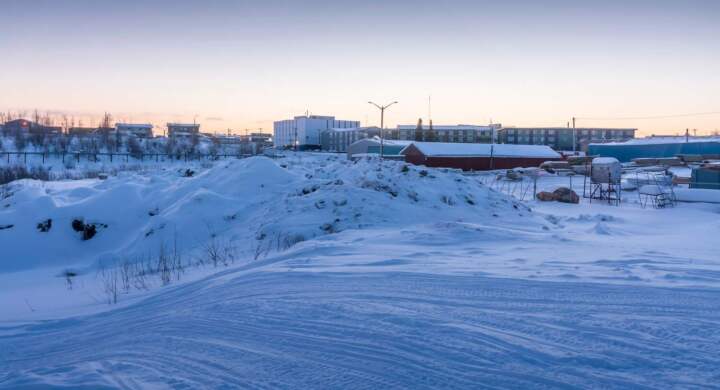 Op-Ed
The Future of Canada’s Northern Economy: What Must Be Done Now
Op-Ed
The Future of Canada’s Northern Economy: What Must Be Done Now
 Ken Coates
Professor Emeritus
Johnson Shoyama Graduate School of Public Policy
Ken Coates
Professor Emeritus
Johnson Shoyama Graduate School of Public Policy
-
 Op-Ed
Integrating Giving into Business: Canada’s Response to a Changing World
Op-Ed
Integrating Giving into Business: Canada’s Response to a Changing World
 Fatima Zaidi
Co-Chair
Tech+Biz4SickKids
Fatima Zaidi
Co-Chair
Tech+Biz4SickKids
-
 Op-Ed
Economic Reconciliation: What Does it Mean?
Op-Ed
Economic Reconciliation: What Does it Mean?
 Chief Raymond Powder
Chief
Fort McKay First Nation
Chief Raymond Powder
Chief
Fort McKay First Nation
-
 Op-Ed
The Next Frontier for Black Founders: Thriving Beyond the Backlash Against DEI
Op-Ed
The Next Frontier for Black Founders: Thriving Beyond the Backlash Against DEI
 Yinka Adesesan
Black Innovation Programs Manager
DMZ
Yinka Adesesan
Black Innovation Programs Manager
DMZ
-
 Op-Ed
Mind the Gap: The Motherhood Penalty and the Future of DEI in Canada
Op-Ed
Mind the Gap: The Motherhood Penalty and the Future of DEI in Canada
 Harmy Mendoza
Executive Director
WomanACT
Harmy Mendoza
Executive Director
WomanACT
-
 Op-Ed
Canada’s Moment to Lead: Advancing Gender Equality
Op-Ed
Canada’s Moment to Lead: Advancing Gender Equality
 Mitzie Hunter
President and CEO
Canadian Women’s Foundation
Mitzie Hunter
President and CEO
Canadian Women’s Foundation
-
 Op-Ed
6 Things Black Entrepreneurs in Canada Need to Break Barriers
Op-Ed
6 Things Black Entrepreneurs in Canada Need to Break Barriers
 Tiffany Callender
Co-Founder and CEO
FACE
Tiffany Callender
Co-Founder and CEO
FACE
-
 Op-Ed
The Unfulfilled Promises of CUSMA: Unfair Regulations Hinder Indigenous Businesses
Op-Ed
The Unfulfilled Promises of CUSMA: Unfair Regulations Hinder Indigenous Businesses
 Mario Castillo
Founder
Scitlalli
Mario Castillo
Founder
Scitlalli
-
 Op-Ed
Managing a Multi-Generational Workforce: How Gen Z is Shaping Workplaces
Op-Ed
Managing a Multi-Generational Workforce: How Gen Z is Shaping Workplaces
 Martin Fox
Managing Director
Robert Walters Canada
Martin Fox
Managing Director
Robert Walters Canada
-
 Op-Ed
Navigating the New Economy: Why DEI is Mission-Critical for Canada’s Business Future
Op-Ed
Navigating the New Economy: Why DEI is Mission-Critical for Canada’s Business Future
 Sarah Saska
CEO
Feminuity
Sarah Saska
CEO
Feminuity
-
 Op-Ed
The Future of Canada’s Economy Lies in Indigenous Partnership
Op-Ed
The Future of Canada’s Economy Lies in Indigenous Partnership
 Sean Willy
President and CEO
Des Nedhe Group
Sean Willy
President and CEO
Des Nedhe Group
-
 Op-Ed
5 Things Canada Should Do to Own the Global Technology Industry
Op-Ed
5 Things Canada Should Do to Own the Global Technology Industry
 Laura McGee
Founder & CEO
Diversio
Laura McGee
Founder & CEO
Diversio
-
 Op-Ed
Ada Lovelace Champions Equity in STEM Across Time
Op-Ed
Ada Lovelace Champions Equity in STEM Across Time
 Melanie Ratnam
Interim CEO
The Society for Canadian Women in Science and Technology
Melanie Ratnam
Interim CEO
The Society for Canadian Women in Science and Technology
-
 Op-Ed
Rethinking Cyber Preparedness in Canada’s Digital Landscape
Op-Ed
Rethinking Cyber Preparedness in Canada’s Digital Landscape
 Shannon Leininger
President
Cisco Canada
Shannon Leininger
President
Cisco Canada
-
 Op-Ed
Advancing Intersectional Leadership for a More Inclusive and Prosperous Canada
Op-Ed
Advancing Intersectional Leadership for a More Inclusive and Prosperous Canada
 Julie Savard-Shaw
Executive Director
The Prosperity Project
Julie Savard-Shaw
Executive Director
The Prosperity Project
-
 Op-Ed
The Evidence of Our Time: The Rise of Indigenous Economic Power
Op-Ed
The Evidence of Our Time: The Rise of Indigenous Economic Power
 Carol Anne Hilton
Founder & CEO
The Indigenomics Institute
Carol Anne Hilton
Founder & CEO
The Indigenomics Institute
-
 Op-Ed
Tackling Indigenous Youth Employment Barriers in Remote First Nations
Op-Ed
Tackling Indigenous Youth Employment Barriers in Remote First Nations
 Dwight Ballantyne
Founder
The Ballantyne Project
Dwight Ballantyne
Founder
The Ballantyne Project
 Christina Miller
Teacher and Graduation Coach
-
Christina Miller
Teacher and Graduation Coach
-
-
 Op-Ed
Addressing Media Narratives: Indigenous Procurement Policies Are Not the Problem
Op-Ed
Addressing Media Narratives: Indigenous Procurement Policies Are Not the Problem
 Tabatha Bull
President and CEO
The Canadian Council for Indigenous Business
Tabatha Bull
President and CEO
The Canadian Council for Indigenous Business
-
 Op-Ed
Indigenous Digital Equity: Overcoming Digital Colonialism in Canada
Op-Ed
Indigenous Digital Equity: Overcoming Digital Colonialism in Canada
 Rhode Thomas
Executive Director
The Centre for Indigenous Innovation and Technology
Rhode Thomas
Executive Director
The Centre for Indigenous Innovation and Technology
-
 Op-Ed
Intersectionality at Work: Why Gender-Only Approaches Aren’t Enough
Op-Ed
Intersectionality at Work: Why Gender-Only Approaches Aren’t Enough
 Golnaz Golnaraghi
Founder and President
Accelerate Her Future
Golnaz Golnaraghi
Founder and President
Accelerate Her Future
-
 Op-Ed
Diversifying Your Supply Chain – For More Than the Greater Good
Op-Ed
Diversifying Your Supply Chain – For More Than the Greater Good
 Darrell Schuurman
Co-founder and CEO
Canada’s 2SLGBTQI+ Chamber of Commerce (CGLCC)
Darrell Schuurman
Co-founder and CEO
Canada’s 2SLGBTQI+ Chamber of Commerce (CGLCC)
-
 Op-Ed
To Win in Canada’s Digital Future, We Need a Stronger Foundation of Diversity and Innovation in Tech
Op-Ed
To Win in Canada’s Digital Future, We Need a Stronger Foundation of Diversity and Innovation in Tech
 Cybele Negris
Co-Founder and CEO
Webnames.ca
Cybele Negris
Co-Founder and CEO
Webnames.ca
-
 Op-Ed
Indigenous Leadership: A Key Component to Meet Electricity Demand in Canada
Op-Ed
Indigenous Leadership: A Key Component to Meet Electricity Demand in Canada
 James Jenkins
Executive Director
Indigenous Clean Energy
James Jenkins
Executive Director
Indigenous Clean Energy
-
 Op-Ed
Canada’s Economy Can Be Grown If Indigenous Innovation Is Enabled and Encouraged
Op-Ed
Canada’s Economy Can Be Grown If Indigenous Innovation Is Enabled and Encouraged
 Kelly Lendsay
Chief Transformational Officer
Luminary
Kelly Lendsay
Chief Transformational Officer
Luminary
 Marie Delorme
CEO
The Imagination Group
Marie Delorme
CEO
The Imagination Group
 Manley Begay
Director of Tribal Leadership Initiative
Northern Arizona University
Manley Begay
Director of Tribal Leadership Initiative
Northern Arizona University
-
 Op-Ed
Canada Must Ramp Up Momentum in Increasing Indigenous Employment
Op-Ed
Canada Must Ramp Up Momentum in Increasing Indigenous Employment
 Patricia Baxter
Co-Chair
Indigenous Works
Patricia Baxter
Co-Chair
Indigenous Works
 Stephen Lindley
Co-Chair
Indigenous Works
Stephen Lindley
Co-Chair
Indigenous Works
-
 Op-Ed
Economic Reconciliation Isn’t Just Up to the Government. Businesses Play a Key Role
Op-Ed
Economic Reconciliation Isn’t Just Up to the Government. Businesses Play a Key Role
 Steven Vanloffeld
Founder and CEO
eSupply Canada
Steven Vanloffeld
Founder and CEO
eSupply Canada
-
 Op-Ed
Integrating Internationally Educated Nurses Into Canadian Practice
Op-Ed
Integrating Internationally Educated Nurses Into Canadian Practice
 Ruth Lee
Executive Director
CARE Centre for Internationally Educated Nurses
Ruth Lee
Executive Director
CARE Centre for Internationally Educated Nurses
 Ruth Wojtiuk
Professional Practice Lead
CARE Centre for Internationally Educated Nurses
Ruth Wojtiuk
Professional Practice Lead
CARE Centre for Internationally Educated Nurses
-
 Op-Ed
Linking DEI and ESG Creates More Than the Sum of Their Parts
Op-Ed
Linking DEI and ESG Creates More Than the Sum of Their Parts
 Julie Cafley
Executive Director
Catalyst Canada
Julie Cafley
Executive Director
Catalyst Canada
 Shirin Emadi-Mahabadi
Senior Consultant, Practice Standards
CIBC
Shirin Emadi-Mahabadi
Senior Consultant, Practice Standards
CIBC
-
 Op-Ed
Tapping Into the Talents of Employees With an Intellectual Disability
Op-Ed
Tapping Into the Talents of Employees With an Intellectual Disability
 Moira Wilson
President
Inclusion Canada
Moira Wilson
President
Inclusion Canada
-
 Op-Ed
Empowering Women: Supporting Menopause in the Workplace
Op-Ed
Empowering Women: Supporting Menopause in the Workplace
 Helena Pagano
Executive Vice-President, Chief People and Culture Officer
Sun Life
Helena Pagano
Executive Vice-President, Chief People and Culture Officer
Sun Life
-
 Op-Ed
Canada’s Path to Becoming a World Leader in Indigenous Tourism
Op-Ed
Canada’s Path to Becoming a World Leader in Indigenous Tourism
 Keith Henry
President and CEO
ITAC
Keith Henry
President and CEO
ITAC
 Deneen Allen
CEO
Firecircle
Deneen Allen
CEO
Firecircle
-
 Op-Ed
Nurturing the Roots of Indigenous Entrepreneurship
Op-Ed
Nurturing the Roots of Indigenous Entrepreneurship
 Sunshine Tenasco
Founder
Pow Wow Pitch
Sunshine Tenasco
Founder
Pow Wow Pitch
-
 Op-Ed
How to Better Support Women Entrepreneurs in Canada
Op-Ed
How to Better Support Women Entrepreneurs in Canada
 Wendy Cukier
Founder and Academic Director
The Diversity Institute at the Ted Rogers School of Management, Toronto Metropolitan University
Wendy Cukier
Founder and Academic Director
The Diversity Institute at the Ted Rogers School of Management, Toronto Metropolitan University
-
 Op-Ed
Tall Trees, Strong Roots: Untold Stories in Indigenous Forestry
Op-Ed
Tall Trees, Strong Roots: Untold Stories in Indigenous Forestry
 John Desjarlais
Executive Director
Indigenous Resource Network
John Desjarlais
Executive Director
Indigenous Resource Network
-
 Op-Ed
Assistive Technology: Canada’s Little-Known Opportunity
Op-Ed
Assistive Technology: Canada’s Little-Known Opportunity
 Eyra Abraham
Founder and CEO
Lisnen
Eyra Abraham
Founder and CEO
Lisnen
-
 Op-Ed
Embracing Inclusive Leadership for a Better Tomorrow
Op-Ed
Embracing Inclusive Leadership for a Better Tomorrow
 Sonja Volpe
CEO
BNP Paribas
Sonja Volpe
CEO
BNP Paribas
 Paulette Senior
Senator
Senate of Canada
Paulette Senior
Senator
Senate of Canada
-
 Op-Ed
Indigenous-Led Clean Energy: Advancing Canada’s Sustainable Future
Op-Ed
Indigenous-Led Clean Energy: Advancing Canada’s Sustainable Future
 Rudi van den Broek
Vice President of Partnerships
Northern Energy Capital
Rudi van den Broek
Vice President of Partnerships
Northern Energy Capital
-
 Op-Ed
Supporting Rural and Remote Economies: What Canada Must Do Now
Tamara Krawchenko
Associate Professor
University of Victoria
Op-Ed
Supporting Rural and Remote Economies: What Canada Must Do Now
Tamara Krawchenko
Associate Professor
University of Victoria
-
 Op-Ed
How to Achieve Supplier Diversity in Canada
Op-Ed
How to Achieve Supplier Diversity in Canada
 Cassandra Dorrington
President and CEO
CAMSC
Cassandra Dorrington
President and CEO
CAMSC
-
 Op-Ed
Less Talk, More Walk: Empowering Women Requires Bold Actions
Op-Ed
Less Talk, More Walk: Empowering Women Requires Bold Actions
 Lara Zink
President and CEO
Women in Capital Markets
Lara Zink
President and CEO
Women in Capital Markets
-
 Op-Ed
Increasing Economic Integration for Canadians With Disabilities
Op-Ed
Increasing Economic Integration for Canadians With Disabilities
 Heather Walkus
Chairperson
Council of Canadians with Disabilities
Heather Walkus
Chairperson
Council of Canadians with Disabilities
 Michael Prince
Lansdowne Professor of Social Policy in the Faculty of Human and Social Development
University of Victoria
Michael Prince
Lansdowne Professor of Social Policy in the Faculty of Human and Social Development
University of Victoria
-
 Op-Ed
4 Economic Development Tools for a Just and Circular Transition
Op-Ed
4 Economic Development Tools for a Just and Circular Transition
 Meg O’Shea
Senior Manager of Economic Transformation
Vancouver Economic Commission
Meg O’Shea
Senior Manager of Economic Transformation
Vancouver Economic Commission
 Vanessa Sun
Economic Transformation Analyst
Vancouver Economic Commission
Vanessa Sun
Economic Transformation Analyst
Vancouver Economic Commission
-
 Op-Ed
How to Unlock the Indigenous Economy
Op-Ed
How to Unlock the Indigenous Economy
 Harold Calla
Executive Chair
First Nations Financial Management Board
Harold Calla
Executive Chair
First Nations Financial Management Board
-
 Op-Ed
How to Overcome Tall Poppy Syndrome and Create a Culture of Inclusivity
Op-Ed
How to Overcome Tall Poppy Syndrome and Create a Culture of Inclusivity
 Rumeet Billan
CEO
Women of Influence+
Rumeet Billan
CEO
Women of Influence+
-
 Op-Ed
How Sponsorship Helps Women Advance Their Careers
Op-Ed
How Sponsorship Helps Women Advance Their Careers
 Andrea Gunraj
Vice President of Public Engagement
Canadian Women’s Foundation
Andrea Gunraj
Vice President of Public Engagement
Canadian Women’s Foundation
-
 Op-Ed
How Canada Can Do Better for Working Mothers and Caregivers
Op-Ed
How Canada Can Do Better for Working Mothers and Caregivers
 Paulette Senior
President and CEO
Canadian Women’s Foundation
Paulette Senior
President and CEO
Canadian Women’s Foundation
-
 Op-Ed
3 Ways to Build A More Inclusive Canadian Energy Industry
Op-Ed
3 Ways to Build A More Inclusive Canadian Energy Industry
 Antoine Mindjimba
Culture and DE&I Lead
EY
Antoine Mindjimba
Culture and DE&I Lead
EY
 Karleen Batty
Energy and Resources Strategy and Transactions Leader
EY
Karleen Batty
Energy and Resources Strategy and Transactions Leader
EY
-
 Spotlight Interview
Digital Skilling Programs for an Inclusive Green Economy
Spotlight Interview
Digital Skilling Programs for an Inclusive Green Economy
 Sue Paish
CEO
Digital Supercluster
Sue Paish
CEO
Digital Supercluster
-
 Op-Ed
Canada Must Shape its Boardrooms of the Future by Choice, Not Chance
Op-Ed
Canada Must Shape its Boardrooms of the Future by Choice, Not Chance
 Helle Bank Jorgensen
Founder and CEO
Competent Boards
Helle Bank Jorgensen
Founder and CEO
Competent Boards
-
 Spotlight Interview
Genomics for Indigenous Food Systems
Spotlight Interview
Genomics for Indigenous Food Systems
 Tiff-Annie Kenny
Professor
Université Laval
Tiff-Annie Kenny
Professor
Université Laval
-
 Spotlight Interview
Silent Genomes: Precision Medicine and Indigenous DNA
Spotlight Interview
Silent Genomes: Precision Medicine and Indigenous DNA
 Nadine Caron
Co-Lead
Silent Genomes Project
Nadine Caron
Co-Lead
Silent Genomes Project
-
 Spotlight Interview
Indigenous Knowledge and Genomics Research
Spotlight Interview
Indigenous Knowledge and Genomics Research
 Eric Solomon
Co-Lead
Ikaarvik
Eric Solomon
Co-Lead
Ikaarvik
-
 Video Interview
How Canada can Implement the National Indigenous Economic Strategy
Tabatha Bull
President and CEO
Canadian Council for Aboriginal Business
Video Interview
How Canada can Implement the National Indigenous Economic Strategy
Tabatha Bull
President and CEO
Canadian Council for Aboriginal Business
-
 Op-Ed
The Future of our Economy Hinges on Valuing Women’s Care Work
Paulette Senior
President and CEO
Canadian Women’s Foundation
Op-Ed
The Future of our Economy Hinges on Valuing Women’s Care Work
Paulette Senior
President and CEO
Canadian Women’s Foundation
-
 Video Interview
Canada’s Full Potential: Cultural Capital and Indigenous Reparations
Video Interview
Canada’s Full Potential: Cultural Capital and Indigenous Reparations
 Jesse Wente
Co-Executive Director
Indigenous Screen Office and Chair of the Canada Council for the Arts
Jesse Wente
Co-Executive Director
Indigenous Screen Office and Chair of the Canada Council for the Arts
-
 Op-Ed
A Positive Step Forward for Economic Reconciliation
Tabatha Bull
President and CEO
Canadian Council for Aboriginal Business
Op-Ed
A Positive Step Forward for Economic Reconciliation
Tabatha Bull
President and CEO
Canadian Council for Aboriginal Business
-
 Video Interview
The Future of Impact Investing in Canada
Video Interview
The Future of Impact Investing in Canada
 Geeta Sankappanavar
CEO
Akira Impact
Geeta Sankappanavar
CEO
Akira Impact
-
 Op-Ed
Increasing Opportunities for Indigenous Peoples and Businesses in Digital Marketing
Op-Ed
Increasing Opportunities for Indigenous Peoples and Businesses in Digital Marketing
 Darian Kovacs
Founder
Jelly Marketing
Darian Kovacs
Founder
Jelly Marketing
-
 Spotlight Interview
First Nations’ Role in Maximizing Edmonton’s Hydrogen Potential
Spotlight Interview
First Nations’ Role in Maximizing Edmonton’s Hydrogen Potential
 Chief Billy Morin
Vice Chair, Chief
Edmonton Region Hydrogen HUB and Enoch Cree Nation
Chief Billy Morin
Vice Chair, Chief
Edmonton Region Hydrogen HUB and Enoch Cree Nation
-
 Video Interview
Why Canada Must Think for Itself
Video Interview
Why Canada Must Think for Itself
 Irvin Studin
President and Editor-in-Chief
The Institute for 21st Century Questions and Global Brief Magazine
Irvin Studin
President and Editor-in-Chief
The Institute for 21st Century Questions and Global Brief Magazine
-
 Op-Ed
Striving for First Nations Economic Sovereignty Through a Low-Carbon Indigenous Sovereign Wealth Fund
Op-Ed
Striving for First Nations Economic Sovereignty Through a Low-Carbon Indigenous Sovereign Wealth Fund
 Liana Wolf Leg
Student and Member
University of Calgary and Siksika Nation
Liana Wolf Leg
Student and Member
University of Calgary and Siksika Nation
 Chief Calvin Bruneau
Former Chief
Papaschase First Nation
Chief Calvin Bruneau
Former Chief
Papaschase First Nation
-
 Interview
Empowering Immigrants in Canada
Interview
Empowering Immigrants in Canada
 Muraly Srinarayanathas
CEO
Computek College
Muraly Srinarayanathas
CEO
Computek College
-
 Video Interview
Indigenous Business Engagement in Saskatchewan
Video Interview
Indigenous Business Engagement in Saskatchewan
 Thomas Benjoe
President and CEO - FHQ Developments & Chair
Saskatchewan Chamber of Commerce
Thomas Benjoe
President and CEO - FHQ Developments & Chair
Saskatchewan Chamber of Commerce
-
 Spotlight Interview
The Benefits of Multiculturalism in Montreal
Spotlight Interview
The Benefits of Multiculturalism in Montreal
 Olivier Niggli
Director-General
World Anti-Doping Agency (WADA)
Olivier Niggli
Director-General
World Anti-Doping Agency (WADA)
-
 Video Interview
Indigenous Participation in Canada’s Electricity Sector
Video Interview
Indigenous Participation in Canada’s Electricity Sector
 Eryn Stewart
Managing Director
Indigenous Clean Energy (ICE)
Eryn Stewart
Managing Director
Indigenous Clean Energy (ICE)
 Ricky-Lee Watts
Youth Program Manager
Indigenous Clean Energy (ICE)
Ricky-Lee Watts
Youth Program Manager
Indigenous Clean Energy (ICE)
-
 Video Interview
Bioethics and GE3LS Research: Guiding Canadian Bioengineering
Video Interview
Bioethics and GE3LS Research: Guiding Canadian Bioengineering
 Dr. Vardit Ravitsky
Professor of Bioethics and President
Université de Montréal and International Association of Bioethics
Dr. Vardit Ravitsky
Professor of Bioethics and President
Université de Montréal and International Association of Bioethics
-
 Spotlight Interview
First Nation Investment into the Yukon’s Mining Sector
Spotlight Interview
First Nation Investment into the Yukon’s Mining Sector
 Jani Djokic
CEO
Na-Cho Nyäk Dun Development Corporation
Jani Djokic
CEO
Na-Cho Nyäk Dun Development Corporation
-
 Spotlight Interview
Skills Development for Indigenous Teachers and Learners
Spotlight Interview
Skills Development for Indigenous Teachers and Learners
 Rachel Mishenene
Executive Director, Canada Programs
Right to Play
Rachel Mishenene
Executive Director, Canada Programs
Right to Play
-
 Video Interview
The Impacts of Canada’s Settler West
Video Interview
The Impacts of Canada’s Settler West
 Sarah Carter
Professor, Department of History and Classics and the Faculty of Native Studies
University of Alberta
Sarah Carter
Professor, Department of History and Classics and the Faculty of Native Studies
University of Alberta
-
 Video Interview
Canadian Research on Marginalized Groups
Video Interview
Canadian Research on Marginalized Groups
 Cecilia Benoit
Professor
University of Victoria
Cecilia Benoit
Professor
University of Victoria
-
 Video Interview
Achieving SDGs Through Business
Video Interview
Achieving SDGs Through Business
 Bill Sisson
Executive Director
World Business Council for Sustainable Development – North America
Bill Sisson
Executive Director
World Business Council for Sustainable Development – North America
-
 Video Interview
Indigenous Participation in Canada’s Energy Transition
Video Interview
Indigenous Participation in Canada’s Energy Transition
 Sandra Sutter
Manager, Indigenous Partnerships
PTW Energy
Sandra Sutter
Manager, Indigenous Partnerships
PTW Energy
-
 Video Panels
Indigenous Participation in Canada’s Energy Transition Panel
Sandra Sutter
Manager, Indigenous Partnerships
PTW Energy
Video Panels
Indigenous Participation in Canada’s Energy Transition Panel
Sandra Sutter
Manager, Indigenous Partnerships
PTW Energy
 Ernie Daniels
President & CEO
First Nations Finance Authority
Ernie Daniels
President & CEO
First Nations Finance Authority
-
 Video Interview
Canada’s Financial Landscape Through and Post-COVID
Video Interview
Canada’s Financial Landscape Through and Post-COVID
 Christine Bergeron
Interim President & CEO
Vancity
Christine Bergeron
Interim President & CEO
Vancity
-
 Interview
Procurement & Representation to Grow the Black Business Ecosystem
Interview
Procurement & Representation to Grow the Black Business Ecosystem
 Andria Barrett
President
Canadian Black Chamber of Commerce
Andria Barrett
President
Canadian Black Chamber of Commerce
-
 Interview
A Mindful Approach to Entrepreneurship
Interview
A Mindful Approach to Entrepreneurship
 Jason Tafler
Founder & CEO
Unyte
Jason Tafler
Founder & CEO
Unyte
-
 Spotlight Interview
Increasing Indigenous Access to Capital Now and Beyond COVID-19
Spotlight Interview
Increasing Indigenous Access to Capital Now and Beyond COVID-19
 Jean Vincent
President & Chief Executive Officer
Société de Crédit Commercial Autochtone (SOCCA)
Jean Vincent
President & Chief Executive Officer
Société de Crédit Commercial Autochtone (SOCCA)
-
 Spotlight Interview
Supporting Indigenous Businesses Through COVID-19
Spotlight Interview
Supporting Indigenous Businesses Through COVID-19
 Cameron Alexis
CEO
Tribal Chiefs Ventures Inc. (TCVI)
Cameron Alexis
CEO
Tribal Chiefs Ventures Inc. (TCVI)
-
 Spotlight Interview
Developing a National Indigenous Economic Strategy
Spotlight Interview
Developing a National Indigenous Economic Strategy
 Dawn Madahbee Leach
Interim Chairperson
National Indigenous Economic Development Board (NIEDB)
Dawn Madahbee Leach
Interim Chairperson
National Indigenous Economic Development Board (NIEDB)
-
 Spotlight Interview
Investing in the Indigenous Economy’s Long-Term Success
Spotlight Interview
Investing in the Indigenous Economy’s Long-Term Success
 Shannin Metatawabin
CEO
National Aboriginal Capital Corporations Association (NACCA)
Shannin Metatawabin
CEO
National Aboriginal Capital Corporations Association (NACCA)
-
 Interview
Entrepreneurship in Canada’s North
Interview
Entrepreneurship in Canada’s North
 Benjamin Scott
Project Director
EntrepreNorth
Benjamin Scott
Project Director
EntrepreNorth
-
 Interview
Peer-to-Peer Lending Driving the Sharing Economy
Interview
Peer-to-Peer Lending Driving the Sharing Economy
 Bruce Linton
Co-Founder
Ruckify
Bruce Linton
Co-Founder
Ruckify
-
 Interview
Recognition, Procurement & Education to Grow the Indigenous Economy
Interview
Recognition, Procurement & Education to Grow the Indigenous Economy
 Rt Hon. Paul Martin
Founder
The Martin Family Initiative
Rt Hon. Paul Martin
Founder
The Martin Family Initiative
-
 Video Interview
Corporate and Government Partnerships Helping Indigenous Businesses Through COVID-19
Video Interview
Corporate and Government Partnerships Helping Indigenous Businesses Through COVID-19
 Tabatha Bull
President & CEO
Canadian Council for Aboriginal Business (CCAB)
Tabatha Bull
President & CEO
Canadian Council for Aboriginal Business (CCAB)
-
 Interview
Canadian Mining: A variety of underutilized mineral resources
Interview
Canadian Mining: A variety of underutilized mineral resources
 Sam Farris
President & General Manager, Operations
K+S Potash Canada
Sam Farris
President & General Manager, Operations
K+S Potash Canada
-
 Spotlight Interview
Indigenous Economy: Towards A New Capitalism?
Spotlight Interview
Indigenous Economy: Towards A New Capitalism?
 Clint Davis
CEO
North35 Capital Partners
Clint Davis
CEO
North35 Capital Partners
-
 Spotlight Interview
Economic Reconciliation: An economy by and for Indigenous People
Spotlight Interview
Economic Reconciliation: An economy by and for Indigenous People
 Jocelyn Formsma
Executive Director
National Association of Friendship Centres
Jocelyn Formsma
Executive Director
National Association of Friendship Centres
-
 Spotlight Interview
Towards a Reconciliation Economy: Investing in Indigenous Business
Spotlight Interview
Towards a Reconciliation Economy: Investing in Indigenous Business
 Jeffrey Cyr
Managing Partner
Raven Indigenous Capital Partners
Jeffrey Cyr
Managing Partner
Raven Indigenous Capital Partners
-
 Spotlight Interview
Canada’s Prosperity is Tied to Indigenous Prosperity
Shannin Metatawabin
CEO
National Aboriginal Capital Corporations Association (NACCA)
Spotlight Interview
Canada’s Prosperity is Tied to Indigenous Prosperity
Shannin Metatawabin
CEO
National Aboriginal Capital Corporations Association (NACCA)
-
 Interview
Economic Reconciliation at the Heart of Empowering Indigenous Entrepreneurs in Canada
Interview
Economic Reconciliation at the Heart of Empowering Indigenous Entrepreneurs in Canada
 Jace Meyer
Lead for Indigenous Entrepreneurs
Shopify
Jace Meyer
Lead for Indigenous Entrepreneurs
Shopify
-
 Spotlight Interview
Increased Indigenous Participation and Development for Nunavut’s Fisheries
Spotlight Interview
Increased Indigenous Participation and Development for Nunavut’s Fisheries
 Jerry Ward
Director of Fisheries
Qikiqtaaluk Corporation
Jerry Ward
Director of Fisheries
Qikiqtaaluk Corporation
-
 Spotlight Interview
Stability of Access to the Fishery Resource is Crucial to Investment
Spotlight Interview
Stability of Access to the Fishery Resource is Crucial to Investment
 Martin Sullivan
CEO & Co-Chair
Ocean Choice International
Martin Sullivan
CEO & Co-Chair
Ocean Choice International
-
 Interview
Indigenous Economic Growth Depends on Banks Serving First Nations’ Needs
Interview
Indigenous Economic Growth Depends on Banks Serving First Nations’ Needs
 Keith Martell
President & CEO
First Nations Bank of Canada
Keith Martell
President & CEO
First Nations Bank of Canada
-
 Interview
Mining Companies Benefit from Long-term Relationships With First Nations
Interview
Mining Companies Benefit from Long-term Relationships With First Nations
 Bruce McIvor
Principal
First Peoples Law
Bruce McIvor
Principal
First Peoples Law
-
 Interview
Unlocking the Value of Canadian Entrepreneurship Through Diversity
Laura McGee
Founder & CEO
Diversio
Interview
Unlocking the Value of Canadian Entrepreneurship Through Diversity
Laura McGee
Founder & CEO
Diversio
-
 Interview
Positioning CSR at the Core of Canadian Business
Interview
Positioning CSR at the Core of Canadian Business
 Leor Rotchild
Executive Director
Canadian Business for Social Responsibility
Leor Rotchild
Executive Director
Canadian Business for Social Responsibility
-
 Interview
The Indigenous Economy is Canada’s Next Economic Powerhouse
Carol Anne Hilton
Founder & CEO
The Indigenomics Institute
Interview
The Indigenous Economy is Canada’s Next Economic Powerhouse
Carol Anne Hilton
Founder & CEO
The Indigenomics Institute
-
 Interview
Aboriginal Business is Growing Faster Than the Canadian Economy
Interview
Aboriginal Business is Growing Faster Than the Canadian Economy
 JP Gladu
President & CEO
Canadian Council for Aboriginal Business
JP Gladu
President & CEO
Canadian Council for Aboriginal Business
-
 Interview
Indigenous Business Success is Canada’s Success
Interview
Indigenous Business Success is Canada’s Success
 Carol Anne Hilton
Senior Advisor to the Federal Finance Minister
Advisory Council on Economic Growth
Carol Anne Hilton
Senior Advisor to the Federal Finance Minister
Advisory Council on Economic Growth
-
 Spotlight Interview
Canadian Indigenous Communities & Mining Companies: Realities, progress and expectations
Spotlight Interview
Canadian Indigenous Communities & Mining Companies: Realities, progress and expectations
 Bobbie Jo Greenland-Morgan
Grand Chief & President
Gwich’in Tribal Council
Bobbie Jo Greenland-Morgan
Grand Chief & President
Gwich’in Tribal Council
-
 Spotlight Interview
Indigenous Communities are Taking Ownership Stakes in the High-tech Mining Sector
Spotlight Interview
Indigenous Communities are Taking Ownership Stakes in the High-tech Mining Sector
 Hans Matthews
President
Canadian Aboriginal Minerals Association
Hans Matthews
President
Canadian Aboriginal Minerals Association
-
 Spotlight Interview
Canada’s Private Sector Needed to Achieve SDGs
Spotlight Interview
Canada’s Private Sector Needed to Achieve SDGs
 Marc-André Blanchard
Canada’s Ambassador and Permanent Representative to the UN
Canada’s Permanent Mission at the UN
Marc-André Blanchard
Canada’s Ambassador and Permanent Representative to the UN
Canada’s Permanent Mission at the UN
-
 Spotlight Interview
The Power of Leading with Purpose
Helle Bank Jorgensen
Founder and CEO
Competent Boards
Spotlight Interview
The Power of Leading with Purpose
Helle Bank Jorgensen
Founder and CEO
Competent Boards
-
 Spotlight Interview
Investing and Corporate Performance Measurement Must Incorporate ESGs
Spotlight Interview
Investing and Corporate Performance Measurement Must Incorporate ESGs
 Dustyn Lanz
CEO
Responsible Investment Association
Dustyn Lanz
CEO
Responsible Investment Association
-
 Spotlight Interview
Canadian Leadership in Mining: Safety, Talent and Diversity
Spotlight Interview
Canadian Leadership in Mining: Safety, Talent and Diversity
 Susan Jones
Executive Vice President & CEO of Potash
Nutrien
Susan Jones
Executive Vice President & CEO of Potash
Nutrien
-
 Spotlight Interview
Indigenous Ownership of Major Projects is Key to Economic Growth and Empowerment
Spotlight Interview
Indigenous Ownership of Major Projects is Key to Economic Growth and Empowerment
 Niilo Edwards
Executive Director
First Nations Major Projects Coalition
Niilo Edwards
Executive Director
First Nations Major Projects Coalition
Diversity in the Workplace, Equity, & Inclusion
Diversity in the workplace is becoming increasingly important to Canada’s economic future. As the country’s population, labour force and customer base become more diverse, organizations must ensure that their workplaces reflect the people and communities they serve.
Workplace diversity includes differences in gender, race, ethnicity, age, disability, culture, language, socioeconomic background, education, experience and ways of thinking. However, creating a diverse workforce is only the beginning.
Organizations must also build equitable systems that give people fair access to opportunities and inclusive cultures in which employees feel respected, supported and able to contribute.
For Canadian businesses and institutions, diversity, equity and inclusion are not separate from competitiveness. They influence access to talent, employee retention, innovation, leadership quality and an organization’s ability to understand changing markets.
The challenge is moving beyond statements and commitments toward measurable changes in how people are recruited, promoted, supported and heard.
What Is Diversity in the Workplace?
Diversity in the workplace refers to the presence of employees with different identities, backgrounds, experiences and perspectives.
A diverse workforce may include people from different cultural and ethnic communities, women and men, Indigenous Peoples, newcomers, people with disabilities, members of LGBTQ+ communities, workers from different generations and people with varied educational and professional backgrounds.
Diversity can also include differences in thought, communication style, problem-solving approach and lived experience.
These differences can help organizations understand challenges from multiple perspectives. However, diversity alone does not guarantee that every employee has an equal opportunity to succeed.
Equity focuses on identifying and removing barriers that prevent some people from accessing the same opportunities as others. Inclusion means creating an environment in which employees feel valued, respected and able to participate fully.
A workplace may be diverse without being inclusive. An organization may hire employees from underrepresented groups while still maintaining systems, behaviours or leadership structures that limit their advancement.
Effective diversity, equity and inclusion strategies must address all three dimensions.
Why Workplace Diversity Matters to Canada
Canada’s workforce is changing.
Immigration continues to play an important role in population and labour force growth. At the same time, women, Indigenous Peoples, people with disabilities and other historically underrepresented groups continue to face barriers in employment, compensation, promotion and leadership.
As employers compete for skilled workers, organizations cannot afford to overlook talent because of outdated hiring practices, inaccessible workplaces or narrow assumptions about what a qualified candidate looks like.
Diversity in the workplace can expand the pool of available talent and help organizations attract people with a wider range of skills and experiences.
It can also improve an organization’s understanding of its customers and communities. A workforce that reflects the population is often better positioned to recognize different needs, identify new market opportunities and design products and services that work for more people.
For Canada, broader participation in the labour force can also support economic growth. When people are excluded from employment or advancement, the economy loses valuable skills, ideas and productive capacity.
Workplace diversity is therefore both a social and economic issue.
Diversity and Business Performance
Diverse teams can strengthen decision-making by bringing different perspectives to the same problem.
People with similar backgrounds may approach challenges in similar ways or share the same assumptions. A more diverse group can raise different questions, identify overlooked risks and propose alternative solutions.
This can improve creativity and help organizations avoid groupthink.
However, diversity does not automatically lead to stronger results. Teams need inclusive leadership, clear communication and a culture that allows employees to disagree constructively.
Employees must feel comfortable sharing their views without fear that they will be dismissed, penalized or expected to conform.
Organizations also need to recognize that inclusion can require changes to how meetings are run, how decisions are made and whose contributions receive recognition.
When diverse perspectives are actively included, organizations can become more adaptable, innovative and responsive.
These capabilities are especially important in a rapidly changing economy shaped by new technologies, demographic shifts and global competition.
Building More Inclusive Hiring Practices
Hiring is one of the most important areas in which organizations can improve workplace diversity.
Traditional recruitment methods can unintentionally favour candidates from familiar networks, schools, industries or backgrounds. Job descriptions may also include unnecessary requirements that discourage qualified applicants.
Organizations can broaden their talent pool by reviewing how roles are advertised, where candidates are recruited and how applications are assessed.
Job descriptions should focus on the skills and experience genuinely needed for the role. Employers should also consider whether educational credentials, Canadian work experience or specific career paths are necessary.
Structured interviews can help reduce inconsistency by ensuring candidates are assessed against the same criteria. Diverse interview panels can also bring different perspectives to the hiring process.
Accessibility must be considered throughout recruitment. Candidates should be informed that accommodations are available, and application systems should be usable by people with disabilities.
Organizations should also monitor who enters and exits each stage of the hiring process. This can help reveal whether qualified candidates from particular groups are being screened out.
Inclusive hiring is not about lowering standards. It is about ensuring that standards are relevant, consistent and free from unnecessary barriers.
Creating Equity in Career Advancement
Hiring diverse employees is not enough if they do not have equal access to development, promotion and leadership opportunities.
Organizations should examine who receives high-profile assignments, mentorship, sponsorship, training and opportunities to manage teams.
Informal networks often play a major role in career advancement. Employees who have less access to senior leaders may be overlooked even when their performance is strong.
Mentorship can provide guidance, but sponsorship is also important. Sponsors actively advocate for employees and help connect them with opportunities that can advance their careers.
Promotion criteria should be transparent and based on clear evidence. Employees should understand what is required to move into more senior roles.
Organizations should also examine compensation, performance reviews and promotion outcomes for patterns of inequality.
Leadership accountability is essential. Senior leaders should be responsible for progress on diversity, equity and inclusion in the same way they are responsible for other organizational priorities.
Without accountability, commitments may remain disconnected from everyday decisions.
The Role of Inclusive Leadership
Inclusive workplaces require leaders who can manage differences effectively.
Inclusive leaders listen to a range of perspectives, recognize their own assumptions and create opportunities for employees to contribute. They do not expect people from underrepresented groups to carry the entire responsibility for improving workplace culture.
Managers play a particularly important role because they shape employees’ daily experiences.
They decide who is heard in meetings, who receives feedback, how flexible work arrangements are handled and how conflict is addressed.
Organizations should provide managers with practical training on inclusive hiring, performance management, accessibility and workplace communication.
Leadership teams must also be willing to respond when employees raise concerns about discrimination, harassment or exclusion.
Trust can be damaged when organizations invite feedback but fail to act on it.
Inclusive leadership requires openness, consistency and a willingness to make difficult changes.
Accessibility and Disability Inclusion
Accessibility is a central part of workplace inclusion.
People with disabilities may face physical, technological, communication and attitudinal barriers. Some disabilities are visible, while others are not.
Employers should design workplaces, digital tools and processes so they are accessible from the beginning rather than waiting for an employee to request changes.
This can include accessible buildings, flexible work arrangements, assistive technology, captioning, clear written communication and accessible software.
Accommodation processes should be straightforward, respectful and confidential.
Organizations should also avoid assuming that disability limits an employee’s potential or ability to lead.
Improving accessibility can benefit the wider workforce. Flexible scheduling, clearer communication and more usable technology can support employees with different needs and working styles.
Accessibility should be treated as part of organizational design, not as an exception.
Measuring Workplace Diversity
Organizations need data to understand whether their diversity and inclusion efforts are working.
Useful measures may include workforce representation, hiring outcomes, retention, compensation, promotion rates and leadership composition.
Employee surveys can also provide insight into whether people feel respected, included and able to raise concerns.
However, data should be collected carefully and used responsibly. Employees must understand why information is being gathered, how it will be protected and how it will support change.
Organizations should avoid focusing only on broad representation numbers.
A company may appear diverse overall while underrepresented employees remain concentrated in junior positions or certain departments.
Measurement should therefore examine experiences and outcomes at different levels of the organization.
Public reporting can strengthen accountability, but progress should be communicated honestly. Organizations should explain where they are improving and where significant work remains.
Moving From Commitment to Action
Many Canadian organizations have made public commitments to diversity, equity and inclusion. The next challenge is turning those commitments into lasting institutional change.
Effective action requires clear goals, dedicated resources and accountability from senior leadership.
Organizations should review the policies and practices that shape recruitment, compensation, promotion, workplace flexibility, accessibility and employee development.
They should also listen to employees without expecting individuals from underrepresented groups to solve systemic problems on their own.
Progress may require changing long-standing processes and questioning assumptions that were previously treated as neutral.
Diversity and inclusion should not be approached as temporary initiatives that become less important when budgets tighten or public attention shifts.
They should be integrated into business strategy, workforce planning, leadership development and organizational governance.
The Future of Diversity in the Workplace
The future of diversity in the workplace will depend on whether organizations can build cultures in which a wider range of people can enter, contribute, advance and lead.
Canada’s demographic diversity is an important economic strength, but that strength will not be fully realized if barriers continue to prevent people from reaching their potential.
Businesses and public institutions need inclusive hiring systems, accessible workplaces, equitable career pathways and leaders who are accountable for results.
Employees also need confidence that their contributions will be evaluated fairly and that raising concerns will lead to meaningful action.
Workplace diversity is not simply about who is present. It is about who has influence, who receives opportunities and who is able to succeed.
Organizations that understand this will be better positioned to attract talent, respond to changing markets and compete in Canada’s future economy.