
Cleantech in Canada: Innovation, Investment & the Industries Shaping the Future
-
 Op-Ed
Marine Renewables: The Key to Unlocking Canada’s Blue Economy Potential
Op-Ed
Marine Renewables: The Key to Unlocking Canada’s Blue Economy Potential
 Elisa Obermann
Executive Director
Marine Renewables Canada
Elisa Obermann
Executive Director
Marine Renewables Canada
-
 Op-Ed
The Future of Canada’s Auto Sector: How Ontario Can Lead in EVs
Op-Ed
The Future of Canada’s Auto Sector: How Ontario Can Lead in EVs
 Jatin Nathwani
Professor Emeritus
University of Waterloo
Jatin Nathwani
Professor Emeritus
University of Waterloo
 Artie Ng
Fellow
Balsillie School of International Affairs
Artie Ng
Fellow
Balsillie School of International Affairs
-
 Video Interview
Canada’s Energy Superpower Moment: What It Will Take to Build
Video Interview
Canada’s Energy Superpower Moment: What It Will Take to Build
 Christine Healy
President & CEO
Northland Power
Christine Healy
President & CEO
Northland Power
 John Cook
Senior VP & Portfolio Manager
Mackenzie Investments
John Cook
Senior VP & Portfolio Manager
Mackenzie Investments
-
 Op-Ed
Fusion’s Decisive Decade and Why Canada Is Positioned to Lead
Op-Ed
Fusion’s Decisive Decade and Why Canada Is Positioned to Lead
 Amitava Bhattacharjee
President & Chief Science Officer
Stellarex
Amitava Bhattacharjee
President & Chief Science Officer
Stellarex
-
 Op-Ed
Canada Excels at Climate Technology Innovation, but Struggles to Adopt It
Op-Ed
Canada Excels at Climate Technology Innovation, but Struggles to Adopt It
 Tyler Hamilton
Senior Director of Climate
MaRS
Tyler Hamilton
Senior Director of Climate
MaRS
-
 Op-Ed
The Future of Distributed Wind in Canada: What Must Be Done Now to Lead and Win
Op-Ed
The Future of Distributed Wind in Canada: What Must Be Done Now to Lead and Win
 Richard Legault
President & CEO
Eocycle Technologies
Richard Legault
President & CEO
Eocycle Technologies
-
 Op-Ed
Rethinking Climate Policy: Why British Columbia Needs a Territorial Development Approach
Op-Ed
Rethinking Climate Policy: Why British Columbia Needs a Territorial Development Approach
 Tamara Krawchenko
Associate Professor
University of Victoria
Tamara Krawchenko
Associate Professor
University of Victoria
-
 Op-Ed
How Canada Can Lead Now in Geothermal Energy Innovation
Op-Ed
How Canada Can Lead Now in Geothermal Energy Innovation
 Emily Smejkal
Fellow
Cascade Institute
Emily Smejkal
Fellow
Cascade Institute
-
 Op-Ed
EV Charging Is a Trillion-Dollar Problem. Batteries Themselves Might Be the Solution
Op-Ed
EV Charging Is a Trillion-Dollar Problem. Batteries Themselves Might Be the Solution
 Edward Chiang
Chief Executive Officer
Moment Energy
Edward Chiang
Chief Executive Officer
Moment Energy
-
 Op-Ed
Carbon Tech is Ours to Win if We Back What Works
Op-Ed
Carbon Tech is Ours to Win if We Back What Works
 Mike Kelland
Co‑Founder, Chief Executive Officer, and Board Member
Planetary Technologies
Mike Kelland
Co‑Founder, Chief Executive Officer, and Board Member
Planetary Technologies
-
 Op-Ed
Canada’s Cleantech Moment: 3 Actions to Lead the Global Sustainable Materials Race
Op-Ed
Canada’s Cleantech Moment: 3 Actions to Lead the Global Sustainable Materials Race
 Mohammad Doostmohammadi
Founder, Director, and CEO
pH7 Technologies
Mohammad Doostmohammadi
Founder, Director, and CEO
pH7 Technologies
-
 Op-Ed
Why Clean Equals Competitive When Building Canada’s Trade Alliances Beyond the US
Op-Ed
Why Clean Equals Competitive When Building Canada’s Trade Alliances Beyond the US
 Rachel Doran
President and Executive Director
Clean Energy Canada
Rachel Doran
President and Executive Director
Clean Energy Canada
-
 Op-Ed
An East-West Oil Pipeline Would be a Failure of National Imagination
Jatin Nathwani
Professor Emeritus
University of Waterloo
Op-Ed
An East-West Oil Pipeline Would be a Failure of National Imagination
Jatin Nathwani
Professor Emeritus
University of Waterloo
-
 Op-Ed
Canada’s Cleantech Crossroads: Evolving for a Changing Market
Op-Ed
Canada’s Cleantech Crossroads: Evolving for a Changing Market
 David Sanguinetti
COO
Foresight Canada
David Sanguinetti
COO
Foresight Canada
-
 Op-Ed
Why It’s Time for Small Fleets to Electrify—and How Information Makes All the Difference
Op-Ed
Why It’s Time for Small Fleets to Electrify—and How Information Makes All the Difference
 Adam Thorn
Program Director, Transportation Policy
Pembina Institute
Adam Thorn
Program Director, Transportation Policy
Pembina Institute
-
 Op-Ed
Leveraging Political Turmoil to Achieve Economic Prosperity in Canada
Op-Ed
Leveraging Political Turmoil to Achieve Economic Prosperity in Canada
 Meaghan Seagrave
Executive Director
Bioindustrial Innovation Canada
Meaghan Seagrave
Executive Director
Bioindustrial Innovation Canada
-
 Op-Ed
Navigating the Transition to Electric Public Transit in Canada
Op-Ed
Navigating the Transition to Electric Public Transit in Canada
 Michael Habouri
Innovation & Strategy Leader for Mobility Solutions
Schneider Electric
Michael Habouri
Innovation & Strategy Leader for Mobility Solutions
Schneider Electric
-
 Op-Ed
Unlocking Mass EV Adoption: Why Home Charging is Canada’s Key Solution
Op-Ed
Unlocking Mass EV Adoption: Why Home Charging is Canada’s Key Solution
 David Corbeil
Co-Founder and CEO
RVE
David Corbeil
Co-Founder and CEO
RVE
 Marie-Pier Corbeil
VP Operations and Co-Founder
RVE
Marie-Pier Corbeil
VP Operations and Co-Founder
RVE
-
 Op-Ed
Mapping the Route to a Clean Future: An Open Letter to Canada’s Policymakers
David Sanguinetti
COO
Foresight Canada
Op-Ed
Mapping the Route to a Clean Future: An Open Letter to Canada’s Policymakers
David Sanguinetti
COO
Foresight Canada
-
 Op-Ed
Canada’s Hydrogen Strategy: Pioneering a Low-Carbon Future
Op-Ed
Canada’s Hydrogen Strategy: Pioneering a Low-Carbon Future
 Bob Masterson
President and CEO
Chemistry Industry Association of Canada
Bob Masterson
President and CEO
Chemistry Industry Association of Canada
-
 Op-Ed
AI and the Electric Grid: Friends or Foes?
Op-Ed
AI and the Electric Grid: Friends or Foes?
 Josh Wong
Founder & CEO
ThinkLabs AI
Josh Wong
Founder & CEO
ThinkLabs AI
-
 Spotlight Interview
How to Overcome the Economic Challenges of Decarbonizing Steel
Spotlight Interview
How to Overcome the Economic Challenges of Decarbonizing Steel
 Catherine Cobden
President and CEO
Canadian Steel Producers Association
Catherine Cobden
President and CEO
Canadian Steel Producers Association
-
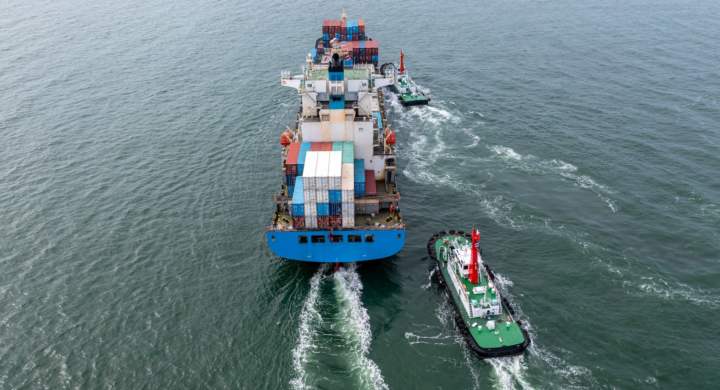 Spotlight Interview
Marine Biofuels: Transitioning to Decarbonized Shipping
Spotlight Interview
Marine Biofuels: Transitioning to Decarbonized Shipping
 John Sypnowich
Chief Legal and Sustainability Officer
CSL Group
John Sypnowich
Chief Legal and Sustainability Officer
CSL Group
-
 Spotlight Interview
Mobilizing Political Will to Decarbonize Cities
Spotlight Interview
Mobilizing Political Will to Decarbonize Cities
 Jyoti Gondek
Mayor
Calgary
Jyoti Gondek
Mayor
Calgary
-
 Spotlight Interview
Enabling Consumers to Participate in Canada’s Electrified Future
Spotlight Interview
Enabling Consumers to Participate in Canada’s Electrified Future
 Moe Kabbara
Vice President
The Transition Accelerator
Moe Kabbara
Vice President
The Transition Accelerator
-
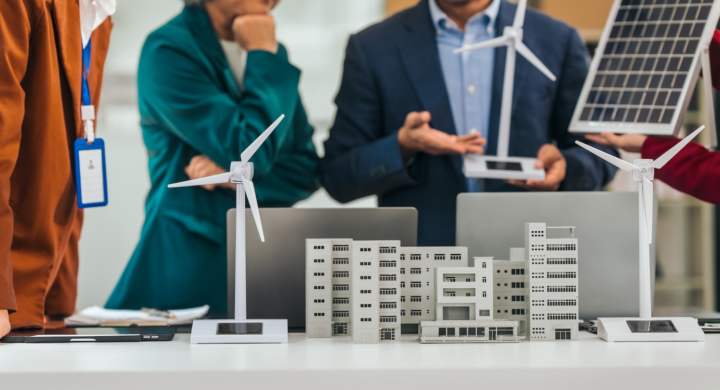 Spotlight Interview
How the Canadian Government Can Lead in Decarbonizing Buildings
Spotlight Interview
How the Canadian Government Can Lead in Decarbonizing Buildings
 Thomas Mueller
President and CEO
Canada Green Building Council (CaGBC)
Thomas Mueller
President and CEO
Canada Green Building Council (CaGBC)
-
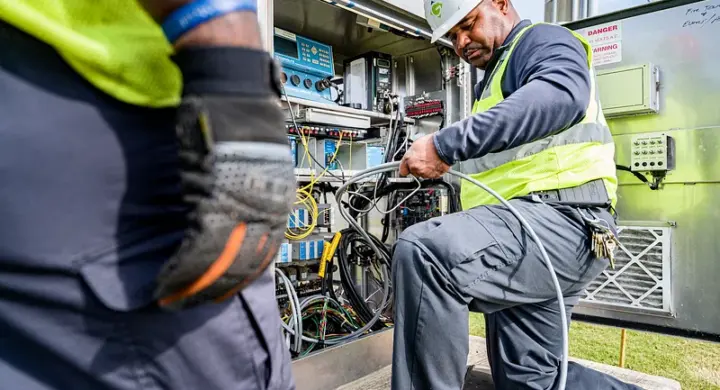 Op-Ed
The Hunt for Talent in Canada’s Electricity Sector
Op-Ed
The Hunt for Talent in Canada’s Electricity Sector
 Francis Bradley
President and CEO
Electricity Canada
Francis Bradley
President and CEO
Electricity Canada
-
 Video Interview
Building Canada’s Future Hydrogen Economy
Video Interview
Building Canada’s Future Hydrogen Economy
 Alanna Hnatiw
Mayor
Sturgeon County
Bob Masterson
President and CEO
Chemistry Industry Association of Canada
Alanna Hnatiw
Mayor
Sturgeon County
Bob Masterson
President and CEO
Chemistry Industry Association of Canada
-
 Op-Ed
Vehicle-to-Grid Technology Will Boost EV Adoption
Op-Ed
Vehicle-to-Grid Technology Will Boost EV Adoption
 Rob Safrata
CEO
Novex Delivery Solutions
Rob Safrata
CEO
Novex Delivery Solutions
-
 Op-Ed
Navigating the Road to Fleet Electrification
Op-Ed
Navigating the Road to Fleet Electrification
 Joe Lombardo
Vice President, Network Operations
Purolator
Joe Lombardo
Vice President, Network Operations
Purolator
-
 Op-Ed
Capturing Canada’s Electric Vehicle Opportunity
Op-Ed
Capturing Canada’s Electric Vehicle Opportunity
 Joanna Kyriazis
Director of Public Affairs
Clean Energy Canada
Joanna Kyriazis
Director of Public Affairs
Clean Energy Canada
 Sicellia Tsui
Communications Specialist
Clean Energy Canada
Sicellia Tsui
Communications Specialist
Clean Energy Canada
-
 Op-Ed
Smart Climate Policy Will Unleash Forest-Based Energy Solutions
Op-Ed
Smart Climate Policy Will Unleash Forest-Based Energy Solutions
 Derek Nighbor
President and CEO
Forest Products Association of Canada
Derek Nighbor
President and CEO
Forest Products Association of Canada
-
 Op-Ed
Can Industrial Hemp Accelerate Canada’s Green Economy?
Op-Ed
Can Industrial Hemp Accelerate Canada’s Green Economy?
 Darren Bondar
President and CEO
HEMPALTA
Darren Bondar
President and CEO
HEMPALTA
-
 Op-Ed
How to Drive Fleet Electrification in Canada
Op-Ed
How to Drive Fleet Electrification in Canada
 Frans Tjallingii
CEO and Co Founder
7Gen
Frans Tjallingii
CEO and Co Founder
7Gen
-
 Op-Ed
Indigenous-Led Clean Energy: Advancing Canada’s Sustainable Future
Op-Ed
Indigenous-Led Clean Energy: Advancing Canada’s Sustainable Future
 Rudi van den Broek
Vice President of Partnerships
Northern Energy Capital
Rudi van den Broek
Vice President of Partnerships
Northern Energy Capital
-
 Op-Ed
Long-Duration Energy Storage: Insurance for a 100% Renewable Grid
Op-Ed
Long-Duration Energy Storage: Insurance for a 100% Renewable Grid
 Curtis VanWalleghem
CEO
Hydrostor
Curtis VanWalleghem
CEO
Hydrostor
-
 Op-Ed
Composting: the Foundation of Sustainable Waste Management
Op-Ed
Composting: the Foundation of Sustainable Waste Management
 Douglas Horne
Founder and CEO
Evanesce
Douglas Horne
Founder and CEO
Evanesce
-
 Op-Ed
How Canada Can Lead in Nuclear Power
Op-Ed
How Canada Can Lead in Nuclear Power
 Mike Rencheck
President and CEO
Bruce Power
Mike Rencheck
President and CEO
Bruce Power
-
 Op-Ed
Canadian Cities Must Adopt Commercial Electric Vehicles Now — Here’s Why
Op-Ed
Canadian Cities Must Adopt Commercial Electric Vehicles Now — Here’s Why
 John LaGourgue
VP of Corporate Development
Vicinity Motor Corp.
John LaGourgue
VP of Corporate Development
Vicinity Motor Corp.
-
 Op-Ed
Alberta: Poised to Benefit the Most from the Inflation Reduction Act
Op-Ed
Alberta: Poised to Benefit the Most from the Inflation Reduction Act
 Mark Zacharias
Executive Director
Clean Energy Canada
Mark Zacharias
Executive Director
Clean Energy Canada
 Ollie Sheldrick-Moyle
Program Manager
Clean Energy Canada
Ollie Sheldrick-Moyle
Program Manager
Clean Energy Canada
-
 Op-Ed
Can Canadian Cleantech Become A Major Global Player?
Op-Ed
Can Canadian Cleantech Become A Major Global Player?
 Susan Rohac
Managing Partner, Climate Tech Fund
BDC Capital
Susan Rohac
Managing Partner, Climate Tech Fund
BDC Capital
-
 Op-Ed
Reducing Barriers to the EV Transition in Canada
Op-Ed
Reducing Barriers to the EV Transition in Canada
 Brian Kingston
President and CEO
Canadian Vehicle Manufacturers' Association
Brian Kingston
President and CEO
Canadian Vehicle Manufacturers' Association
-
 Op-Ed
Corporate Net Zero Targets Must Drive Action Now
Op-Ed
Corporate Net Zero Targets Must Drive Action Now
 Robert Klassen
Magna International Inc. Chair in Business Administration
Ivey Business School
Robert Klassen
Magna International Inc. Chair in Business Administration
Ivey Business School
 Matthew Lynch
Associate Director of the Centre for Building Sustainable Value
Ivey Business School
Matthew Lynch
Associate Director of the Centre for Building Sustainable Value
Ivey Business School
-
 Op-Ed
5 Ways Canada is Leading in the Clean Economy
Op-Ed
5 Ways Canada is Leading in the Clean Economy
 John Aldag
Member of Parliament, Chair of the Natural Resources Committee
Natural Resources Committee
John Aldag
Member of Parliament, Chair of the Natural Resources Committee
Natural Resources Committee
-
 Op-Ed
How to Accelerate Electrification in Canada’s Transport Systems
Op-Ed
How to Accelerate Electrification in Canada’s Transport Systems
 Brent Hartman
Director of Fuel & Transportation Standards
CSA Group
Brent Hartman
Director of Fuel & Transportation Standards
CSA Group
-
 Op-Ed
How to Support Tech Innovation in Canada’s Automotive Sector
Op-Ed
How to Support Tech Innovation in Canada’s Automotive Sector
 Charles Boulanger
CEO
LeddarTech
Charles Boulanger
CEO
LeddarTech
-
 Op-Ed
What Must Canada Do to Fulfill Its Net Zero Ambitions?
Op-Ed
What Must Canada Do to Fulfill Its Net Zero Ambitions?
 Normand Mousseau
Scientific Director
Institut de l'énergie Trottier (IET)
Normand Mousseau
Scientific Director
Institut de l'énergie Trottier (IET)
-
 Op-Ed
How to Build Canada’s Energy Transition Action Plan
Op-Ed
How to Build Canada’s Energy Transition Action Plan
 Lance Mortlock
Managing Partner, Energy and Resources
EY Canada
Lance Mortlock
Managing Partner, Energy and Resources
EY Canada
-
 Op-Ed
How Canada Can Win in Cleantech
Op-Ed
How Canada Can Win in Cleantech
 Mike Wilson
Executive Director
Smart Prosperity Institute
Mike Wilson
Executive Director
Smart Prosperity Institute
 Anik Islam
Senior Research Associate
Smart Prosperity Institute
Anik Islam
Senior Research Associate
Smart Prosperity Institute
-
 Op-Ed
Industrial Sustainability: Future-Proofing Canada’s Economy
Op-Ed
Industrial Sustainability: Future-Proofing Canada’s Economy
 Namir Anani
President and CEO
Information and Communications Technology Council (ICTC)
Namir Anani
President and CEO
Information and Communications Technology Council (ICTC)
-
 Op-Ed
Net-Zero by 2050: Canada’s To-Do List
Op-Ed
Net-Zero by 2050: Canada’s To-Do List
 Vittoria Bellissimo
President and CEO
Canadian Renewable Energy Association (CanREA)
Vittoria Bellissimo
President and CEO
Canadian Renewable Energy Association (CanREA)
-
 Op-Ed
The Net-Zero Transition in Canada: Decentralised Energy’s Role
Op-Ed
The Net-Zero Transition in Canada: Decentralised Energy’s Role
 Alicia Couto
Industry Standards Lead
Decentralised Energy Canada
Alicia Couto
Industry Standards Lead
Decentralised Energy Canada
-
 Op-Ed
The Energy Transition is Happening – Will Canada Notice?
Op-Ed
The Energy Transition is Happening – Will Canada Notice?
 Gareth Gransaull
Co-Executive Director
Re_Generation
Gareth Gransaull
Co-Executive Director
Re_Generation
-
 Video Interview
How Canada can Fight Climate Change with Tech We Have Now
Video Interview
How Canada can Fight Climate Change with Tech We Have Now
 Bob McDonald
Host
Quirks and Quarks with Bob McDonald
Bob McDonald
Host
Quirks and Quarks with Bob McDonald
-
 Op-Ed
Accelerating EV Adoption in Canada
Op-Ed
Accelerating EV Adoption in Canada
 Jennifer Rogers
National Automotive and Transportation Leader
EY Canada
Jennifer Rogers
National Automotive and Transportation Leader
EY Canada
-
 Op-Ed
How Canada can Become an EV Battery Powerhouse
Op-Ed
How Canada can Become an EV Battery Powerhouse
 Evan Pivnick and Rachel Doran
Clean Energy Program Manager and Director of Policy and Strategy - Clean Energy Canada
Evan Pivnick and Rachel Doran
Clean Energy Program Manager and Director of Policy and Strategy - Clean Energy Canada
-
 Op-Ed
Canada Needs EV Charging Infrastructure to Transition to a Clean Economy
Op-Ed
Canada Needs EV Charging Infrastructure to Transition to a Clean Economy
 Carter Li
CEO and Co-Founder
SWTCH Energy
Carter Li
CEO and Co-Founder
SWTCH Energy
-
 Op-Ed
Real World Data Insights are Critical to Electrification Progress
Op-Ed
Real World Data Insights are Critical to Electrification Progress
 Neil Cawse
CEO and Founder
Geotab
Neil Cawse
CEO and Founder
Geotab
-
 Video Interview
Launching Canada’s Cleantech Moonshots
Video Interview
Launching Canada’s Cleantech Moonshots
 Alan Bernstein
President and CEO
Canadian Institute for Advanced Research (CIFAR)
Alan Bernstein
President and CEO
Canadian Institute for Advanced Research (CIFAR)
-
 Op-Ed
Canada’s Circular Economy Evolution: Maximizing Value, Eliminating Waste, Addressing Climate Change
Op-Ed
Canada’s Circular Economy Evolution: Maximizing Value, Eliminating Waste, Addressing Climate Change
 Paul Shorthouse
Managing Director
Circular Construction Canada
Paul Shorthouse
Managing Director
Circular Construction Canada
-
 Op-Ed
Electronic Recycling’s Role in Advancing a Greener, More Equitable Future
Op-Ed
Electronic Recycling’s Role in Advancing a Greener, More Equitable Future
 Bojan Paduh
Founder
Electronic Recycling Association
Bojan Paduh
Founder
Electronic Recycling Association
-
 Video Interview
Electric Vehicle Manufacturing in Canada
Video Interview
Electric Vehicle Manufacturing in Canada
 Jay Giraud
Co-Founder and CEO
Damon Motors
Jay Giraud
Co-Founder and CEO
Damon Motors
-
 Video Interview
Challenges and Opportunities for Canadian Cleantech Post-COVID
Video Interview
Challenges and Opportunities for Canadian Cleantech Post-COVID
 Peter Hall
Vice President & Chief Economist
Export Development Canada (EDC)
Peter Hall
Vice President & Chief Economist
Export Development Canada (EDC)
-
 Spotlight Interview
Growing the Battery Materials Supply Chain in Canada
Spotlight Interview
Growing the Battery Materials Supply Chain in Canada
 Eric Desaulniers
President & CEO
Nouveau Monde Graphite
Eric Desaulniers
President & CEO
Nouveau Monde Graphite
-
 Spotlight Interview
Canada’s Lithium-Ion Battery Potential
Spotlight Interview
Canada’s Lithium-Ion Battery Potential
 Jeff Dahn
Professor
Dalhousie University
Jeff Dahn
Professor
Dalhousie University
-
 Spotlight Interview
Creating a Local EV Supply Chain in Canada
Spotlight Interview
Creating a Local EV Supply Chain in Canada
 Narayan Kar
Professor and Founder
University of Windsor’s Centre for Hybrid and Automotive Research and Green Energy (CHARGE)
Narayan Kar
Professor and Founder
University of Windsor’s Centre for Hybrid and Automotive Research and Green Energy (CHARGE)
-
 Spotlight Interview
The Canadian Auto Manufacturing Workforce’s Evolution
Spotlight Interview
The Canadian Auto Manufacturing Workforce’s Evolution
 Lauren Tedesco
Vice-President, Learning and Development
Automotive Parts Manufacturers' Association (APMA)
Lauren Tedesco
Vice-President, Learning and Development
Automotive Parts Manufacturers' Association (APMA)
-
 Spotlight Interview
Carbon Capture and Hydrogen in Edmonton and Canada
Spotlight Interview
Carbon Capture and Hydrogen in Edmonton and Canada
 Kate Chisholm
Senior Vice-President and Chief Strategy & Sustainability Officer
Capital Power
Kate Chisholm
Senior Vice-President and Chief Strategy & Sustainability Officer
Capital Power
-
 Spotlight Interview
First Nations’ Role in Maximizing Edmonton’s Hydrogen Potential
Spotlight Interview
First Nations’ Role in Maximizing Edmonton’s Hydrogen Potential
 Chief Billy Morin
Vice Chair, Chief
Edmonton Region Hydrogen HUB and Enoch Cree Nation
Chief Billy Morin
Vice Chair, Chief
Edmonton Region Hydrogen HUB and Enoch Cree Nation
-
 Spotlight Interview
Talent and Infrastructure for Edmonton’s Hydrogen Future
Spotlight Interview
Talent and Infrastructure for Edmonton’s Hydrogen Future
 Leland Oberst
President and CEO
Innovative Fuel Systems
Leland Oberst
President and CEO
Innovative Fuel Systems
-
 Spotlight Interview
Edmonton’s Immense Hydrogen Potential
Spotlight Interview
Edmonton’s Immense Hydrogen Potential
 Rachel Smith
Vice President and General Manager
Canada Air Products
Rachel Smith
Vice President and General Manager
Canada Air Products
-
 Video Interview
Shifting to Long-term Sustainability
Video Interview
Shifting to Long-term Sustainability
 Chett Matchett
Associate VP of Strategy, Operations, and Social Economics
ATB Financial
Chett Matchett
Associate VP of Strategy, Operations, and Social Economics
ATB Financial
-
 Video Interview
Geothermal Energy’s Potential in Alberta and Canada
Video Interview
Geothermal Energy’s Potential in Alberta and Canada
 Alison Thompson
President and CEO
Borealis GeoPower
Alison Thompson
President and CEO
Borealis GeoPower
-
 Video Interview
Vancouver’s Clean Transportation Ecosystem
Video Interview
Vancouver’s Clean Transportation Ecosystem
 Elicia Maine
Special Advisor on Innovation to the VP, Research
Simon Fraser University
Elicia Maine
Special Advisor on Innovation to the VP, Research
Simon Fraser University
-
 Spotlight Interview
Life Science Product Evaluation Capabilities in Hamilton
Spotlight Interview
Life Science Product Evaluation Capabilities in Hamilton
 Alex Muggah
Director
Synapse Life Science Consortium
Alex Muggah
Director
Synapse Life Science Consortium
-
 Spotlight Interview
Launching Businesses in Montreal
Spotlight Interview
Launching Businesses in Montreal
 Rachel Labbe-Bellas
Founder
O’land Stations
Rachel Labbe-Bellas
Founder
O’land Stations
-
 Spotlight Interview
Montreal: A Collaborative Ecosystem for Climate Tech
Spotlight Interview
Montreal: A Collaborative Ecosystem for Climate Tech
 Sylvain Carle
Senior Director
SecondMuse Capital
Sylvain Carle
Senior Director
SecondMuse Capital
-
 Spotlight Interview
The Rapid Growth of Montreal’s Cleantech Sector
Spotlight Interview
The Rapid Growth of Montreal’s Cleantech Sector
 Patrick Gagné
CEO
Cycle Momentum
Patrick Gagné
CEO
Cycle Momentum
-
 Spotlight Interview
Montreal’s Cleantech Innovation Ecosystem
Spotlight Interview
Montreal’s Cleantech Innovation Ecosystem
 Catherine Bérubé
Vice President of Sustainability, Investor Relations, and Public Affairs
Cycle Capital Management
Catherine Bérubé
Vice President of Sustainability, Investor Relations, and Public Affairs
Cycle Capital Management
-
 Video Interview
Canada’s Adaptive Regulatory Environment in Cleantech
Video Interview
Canada’s Adaptive Regulatory Environment in Cleantech
 Philippe Saint-Just
Co-Founder and Senior Vice President of Product
REEF Technology
Philippe Saint-Just
Co-Founder and Senior Vice President of Product
REEF Technology
-
 Video Interview
Alberta’s Growing Innovation Ecosystem
Video Interview
Alberta’s Growing Innovation Ecosystem
 Doug Schweitzer
Minister of Jobs, Economy and Innovation
Government of Alberta
Doug Schweitzer
Minister of Jobs, Economy and Innovation
Government of Alberta
-
 Interview
Technology Adoption to Decarbonize Concrete
Interview
Technology Adoption to Decarbonize Concrete
 Pouria Ghods
Co-Founder and CEO
Giatec
Pouria Ghods
Co-Founder and CEO
Giatec
-
 Video Panels
Panel on Canada’s Electricity Workforce: Adapting for the Future
Video Panels
Panel on Canada’s Electricity Workforce: Adapting for the Future
 Kevin Weaver
Vice President Academic
Georgian College
Kevin Weaver
Vice President Academic
Georgian College
 Roberta Hykawy
Assistant Business Manager
International Brotherhood of Electrical Workers
Roberta Hykawy
Assistant Business Manager
International Brotherhood of Electrical Workers
 Adrian Thomas
Country President
Schneider Electric
Adrian Thomas
Country President
Schneider Electric
-
 Video Interview
Indigenous Participation in Canada’s Electricity Sector
Video Interview
Indigenous Participation in Canada’s Electricity Sector
 Eryn Stewart
Managing Director
Indigenous Clean Energy (ICE)
Eryn Stewart
Managing Director
Indigenous Clean Energy (ICE)
 Ricky-Lee Watts
Youth Program Manager
Indigenous Clean Energy (ICE)
Ricky-Lee Watts
Youth Program Manager
Indigenous Clean Energy (ICE)
-
 Video Interview
Youth Engagement in the Future Electricity Workforce
Video Interview
Youth Engagement in the Future Electricity Workforce
 Meredith Adler
Executive Director
Student Energy
Meredith Adler
Executive Director
Student Energy
-
 Video Interview
Work-Integrated Learning’s Future in Canadian Industry
Video Interview
Work-Integrated Learning’s Future in Canadian Industry
 Anne-Marie Fannon
Director, Work-Integrated Learning Programs
University of Waterloo
Anne-Marie Fannon
Director, Work-Integrated Learning Programs
University of Waterloo
-
 Video Interview
Canada’s Future Workforce and Work-Integrated Learning
Video Interview
Canada’s Future Workforce and Work-Integrated Learning
 Sarah Plouffe
Director of the Student Work Placement Program
Employment and Social Development Canada (ESDC)
Sarah Plouffe
Director of the Student Work Placement Program
Employment and Social Development Canada (ESDC)
-
 Video Interview
Transitioning Canada’s Electricity Workforce
Video Interview
Transitioning Canada’s Electricity Workforce
 Najlaa Rauf
VP of People and Culture
Spark Power Corp.
Najlaa Rauf
VP of People and Culture
Spark Power Corp.
-
 Video Interview
Training Canada’s Future Electricity Workforce
Video Interview
Training Canada’s Future Electricity Workforce
 Kathy McCrum
VP, HR and Safety
SaskPower
Kathy McCrum
VP, HR and Safety
SaskPower
-
 Video Interview
Climate Change’s Impact on Canada’s Electricity Sector
Video Interview
Climate Change’s Impact on Canada’s Electricity Sector
 Ken Hartwick
President & CEO
Ontario Power Generation (OPG)
Ken Hartwick
President & CEO
Ontario Power Generation (OPG)
-
 Video Interview
Upskilling the Canadian Electricity Sector Workforce
Video Interview
Upskilling the Canadian Electricity Sector Workforce
 Michelle Branigan
Chief Executive Officer
Electricity Human Resources Canada
Michelle Branigan
Chief Executive Officer
Electricity Human Resources Canada
-
 Op-Ed
The Global Industrial Bioeconomy Opportunity: Is Canada Going to Get Serious?
Op-Ed
The Global Industrial Bioeconomy Opportunity: Is Canada Going to Get Serious?
 Jeff Passmore
CEO
Passmore Group
Jeff Passmore
CEO
Passmore Group
-
 Spotlight Interview
Scaling Up Canada’s Cleantech Future
Spotlight Interview
Scaling Up Canada’s Cleantech Future
 Alexandra Tavasoli
CEO & CTO
Solistra
Alexandra Tavasoli
CEO & CTO
Solistra
-
 Video Interview
Nanotechnology and the Future of Canada’s Cleantech Economy
Video Interview
Nanotechnology and the Future of Canada’s Cleantech Economy
 Ted Sargent
Vice-President, Research and Innovation, and Strategic Initiatives
University of Toronto
Ted Sargent
Vice-President, Research and Innovation, and Strategic Initiatives
University of Toronto
-
 Spotlight Interview
Canada’s Cleantech Future
Spotlight Interview
Canada’s Cleantech Future
 Madison Savilow
Chief of Staff
Carbon Upcycling Technologies
Madison Savilow
Chief of Staff
Carbon Upcycling Technologies
-
 Interview
Canada’s Untapped Potential in the Industrial Bioeconomy
Interview
Canada’s Untapped Potential in the Industrial Bioeconomy
 Jeff Passmore
Founder & Chair
Scaling Up
Jeff Passmore
Founder & Chair
Scaling Up
-
 Interview
The Creative Middle Ground: Opening Space for our Energy Future
Interview
The Creative Middle Ground: Opening Space for our Energy Future
 Alison Cretney
Managing Director
Energy Futures Lab
Alison Cretney
Managing Director
Energy Futures Lab
-
 Interview
Leveraging Our Story for Good: Accelerating Cleantech in Canada
Interview
Leveraging Our Story for Good: Accelerating Cleantech in Canada
 Jeanette Jackson
CEO
Foresight Cleantech Accelerator Centre
Jeanette Jackson
CEO
Foresight Cleantech Accelerator Centre
-
 Interview
Breaking Gender Equality Barriers in Renewable Energy
Interview
Breaking Gender Equality Barriers in Renewable Energy
 Joanna Osawe
President & CEO
WiRE
Joanna Osawe
President & CEO
WiRE
-
 Interview
How to Grow Canada’s Capital Markets and Future Success Stories
Interview
How to Grow Canada’s Capital Markets and Future Success Stories
 Brady Fletcher
Managing Director
TSX Venture Exchange
Brady Fletcher
Managing Director
TSX Venture Exchange
-
 Interview
Distributed Energy Systems and Increased Electrification to Power the Future Economy
Interview
Distributed Energy Systems and Increased Electrification to Power the Future Economy
 Francis Bradley
President & CEO
Canadian Electricity Association
Francis Bradley
President & CEO
Canadian Electricity Association
-
 Interview
Renewable Energy and Reconciliation: Clean Energy’s Impact on Indigenous Communities
Interview
Renewable Energy and Reconciliation: Clean Energy’s Impact on Indigenous Communities
 David Isaac
President
W Dusk Energy Group
David Isaac
President
W Dusk Energy Group
-
 Interview
Canada’s Waste: An Opportunity for Entrepreneurship, Jobs and Economic Growth
Interview
Canada’s Waste: An Opportunity for Entrepreneurship, Jobs and Economic Growth
 Solenne Brouard Gaillot
Founder and CEO
Polystyvert
Solenne Brouard Gaillot
Founder and CEO
Polystyvert
-
 Interview
Positioning CSR at the Core of Canadian Business
Interview
Positioning CSR at the Core of Canadian Business
 Leor Rotchild
Executive Director
Canadian Business for Social Responsibility
Leor Rotchild
Executive Director
Canadian Business for Social Responsibility
-
 Interview
Natural Resource Development: Economic Growth, Environmental Sustainability and Inclusivity
Interview
Natural Resource Development: Economic Growth, Environmental Sustainability and Inclusivity
 Minister Amarjeet Sohi
Minister
Natural Resources Canada
Minister Amarjeet Sohi
Minister
Natural Resources Canada
-
 Interview
The Time for Delivery is Now Upon Us
Interview
The Time for Delivery is Now Upon Us
 David Wheeler
Co-Founder
Academy for Sustainable Innovation
David Wheeler
Co-Founder
Academy for Sustainable Innovation
-
 Interview
This is Canada’s Moment
Interview
This is Canada’s Moment
 Bruce Croxon
Co-Founder
Round13 Capital
Bruce Croxon
Co-Founder
Round13 Capital
-
 Interview
Comprehensive Wealth: Examining Canadian progress beyond GDP
Interview
Comprehensive Wealth: Examining Canadian progress beyond GDP
 Scott Vaughan
President & CEO
International Institute for Sustainable Development
Scott Vaughan
President & CEO
International Institute for Sustainable Development
-
 Interview
Canada Needs a Clear Execution Plan to Reach its Cleantech Potential
Interview
Canada Needs a Clear Execution Plan to Reach its Cleantech Potential
 Andrée-Lise Méthot
Founder and Managing Partner
Cycle Capital Management
Andrée-Lise Méthot
Founder and Managing Partner
Cycle Capital Management
-
 Interview
Canadians Need to Know More About the Oil Sands
Interview
Canadians Need to Know More About the Oil Sands
 Chris Turner
Award-winning Author
Chris Turner
Award-winning Author
-
 Interview
Wind Energy and the Transition of Canada’s Electricity Grid
Interview
Wind Energy and the Transition of Canada’s Electricity Grid
 Robert Hornung
President
Canadian Wind Energy Association
Robert Hornung
President
Canadian Wind Energy Association
-
 Interview
Doing Business Like a Canadian at the Intersection of Sustainability and Innovation
Leor Rotchild
Executive Director
Canadian Business for Social Responsibility
Interview
Doing Business Like a Canadian at the Intersection of Sustainability and Innovation
Leor Rotchild
Executive Director
Canadian Business for Social Responsibility
-
Interview
The Bioeconomy: A green growth opportunity for Canada
 Jeff Passmore
CEO
The Passmore Group
Jeff Passmore
CEO
The Passmore Group
-
 Interview
Canada Should Leverage its Competitive Advantage in Energy to Foster Innovation
Interview
Canada Should Leverage its Competitive Advantage in Energy to Foster Innovation
 Sean Collins
President
Terrapin Geothermics
Sean Collins
President
Terrapin Geothermics
-
 Interview
Regulation and Innovation in Cleantech: A Win-Win Scenario
Interview
Regulation and Innovation in Cleantech: A Win-Win Scenario
 Audrey Mascarenhas
President and CEO
Questor Technology
Audrey Mascarenhas
President and CEO
Questor Technology
-
 Interview
Successful Energy Transition: We need to cut costs and we need to cut carbon
Interview
Successful Energy Transition: We need to cut costs and we need to cut carbon
 Steve MacDonald
CEO
Emissions Reduction Alberta
Steve MacDonald
CEO
Emissions Reduction Alberta
-
 Interview
Canada’s Clean Energy Transition: Win-Win for the Economy and the Environment
Interview
Canada’s Clean Energy Transition: Win-Win for the Economy and the Environment
 Merran Smith
Executive Director
Clean Energy Canada
Merran Smith
Executive Director
Clean Energy Canada
-
 Interview
Hydrocarbons Industry: Looking at the full spectrum of options
Interview
Hydrocarbons Industry: Looking at the full spectrum of options
 Joy Romero
Vice-President, Technology and Innovation
Canadian Natural Resources Ltd.
Joy Romero
Vice-President, Technology and Innovation
Canadian Natural Resources Ltd.
-
 Interview
Canada and Alberta: We need to expand our views beyond our borders
Interview
Canada and Alberta: We need to expand our views beyond our borders
 Laura Kilcrease
CEO
Alberta Innovates
Laura Kilcrease
CEO
Alberta Innovates
-
 Interview
Emission Reduction in Canada’s Future Energy Economy
Interview
Emission Reduction in Canada’s Future Energy Economy
 Glen Murray
Executive Director
The Pembina Institute
Glen Murray
Executive Director
The Pembina Institute
-
 Interview
Innovation Strategy: Canada is making a bet on the future
Interview
Innovation Strategy: Canada is making a bet on the future
 Jason Switzer
Executive Director
Alberta Clean Technology Industry Alliance (ACTia)
Jason Switzer
Executive Director
Alberta Clean Technology Industry Alliance (ACTia)
-
 Interview
The Status Quo Can Be our Biggest Competitor
Interview
The Status Quo Can Be our Biggest Competitor
 Steven Koles
President & CEO
Hifi Engineering
Steven Koles
President & CEO
Hifi Engineering
-
 Interview
Cleantech: The colossal trillion-dollar business opportunity
Interview
Cleantech: The colossal trillion-dollar business opportunity
 Vincent Chornet
Cofounder, President & CEO
Enerkem
Vincent Chornet
Cofounder, President & CEO
Enerkem
-
Interview
The Future of Canada’s Economy and its Energy Sector
 Vicky Sharpe
Corporate Director
Sustainable Development Technology Canada
Vicky Sharpe
Corporate Director
Sustainable Development Technology Canada
-
 Interview
Canada’s Economic Goals are Tied to Environmental Goals
Interview
Canada’s Economic Goals are Tied to Environmental Goals
 Annette Verschuren
Chair & CEO
NRStor
Annette Verschuren
Chair & CEO
NRStor
-
 Interview
Changing our Mindsets to be Relevant in a Decarbonized World
Interview
Changing our Mindsets to be Relevant in a Decarbonized World
 Suzanne West
President & CEO
Imaginea Energy
Suzanne West
President & CEO
Imaginea Energy
-
 Interview
A Very Unusual Energy Transition
Interview
A Very Unusual Energy Transition
 Todd Parker
CEO
Blue Spark Energy
Todd Parker
CEO
Blue Spark Energy
-
Interview
We Need to Get Smarter, Cheaper, Faster
 Marty Reed
CEO
Evok Innovations
Marty Reed
CEO
Evok Innovations
-
 Interview
The Oil and Gas Industry Needs to Think Like a New Industry
Interview
The Oil and Gas Industry Needs to Think Like a New Industry
 Richard Adamson
Former President
CMC Research Institutes
Richard Adamson
Former President
CMC Research Institutes
-
 Interview
Driving Technologies Down the Chain
Interview
Driving Technologies Down the Chain
 Neil Huff
Managing Director
Foresight Cleantech Accelerator Centre
Neil Huff
Managing Director
Foresight Cleantech Accelerator Centre
-
Interview
Working with Energy Industry Partners to Identify and Prioritize Innovation
 Kevin Frankowski
Executive Director
Kinetica Ventures
Kevin Frankowski
Executive Director
Kinetica Ventures
-
 Interview
Real Change will Come Through Breakthrough Innovation
Interview
Real Change will Come Through Breakthrough Innovation
 Jean-Michel Gires
CEO
NextTier Energy Solutions
Jean-Michel Gires
CEO
NextTier Energy Solutions
-
 Interview
Goal: Canada as a World Leader in Energy Innovation
Interview
Goal: Canada as a World Leader in Energy Innovation
 Koleya Karringten
President & CEO
Absolute Combustion International
Koleya Karringten
President & CEO
Absolute Combustion International
The Future of Cleantech in Canada
For years, cleantech was often treated as a niche sector.
Today, it increasingly looks like economic infrastructure.
As countries compete to build stronger industrial capacity, improve energy systems, reduce emissions, strengthen supply chains, and capture new export markets, cleantech is becoming part of a broader economic conversation. It now touches manufacturing, mining, construction, transportation, agriculture, software, finance, and energy.
For Canada, the opportunity is significant.
The country has access to natural resources, research capacity, technical expertise, industrial experience, and growing investment momentum. But success will depend on whether Canada can move beyond pilots and turn innovation into deployment, scaling, and long-term competitiveness.
The future of cleantech in Canada will be shaped by execution.
What Is Cleantech?
Cleantech refers to technologies, products, services, and processes designed to improve environmental performance while creating economic value.
That includes technologies that reduce emissions, improve efficiency, lower waste, optimize resource use, electrify operations, strengthen energy systems, and modernize industrial processes.
Examples include:
- Clean electricity generation
- Energy storage
- Carbon management technologies
- Industrial efficiency solutions
- Sustainable materials
- Water technologies
- Smart grids
- Low-emissions transportation
- Advanced agriculture technologies
- Circular economy solutions
- Energy software and optimization tools
Cleantech is not one industry. It is increasingly becoming an enabling layer across many industries.
For broader innovation coverage, explore: Future of Innovation in Canada
Canada Has Many of the Ingredients for Cleantech Growth
Canada enters this transition with several structural advantages.
The country combines technical talent, strong engineering capability, established industrial sectors, natural resources, and access to global markets.
Canada also has active cleantech organizations helping accelerate commercialization and growth, including Sustainable Development Technology Canada and MaRS Discovery District.
Meanwhile, Canadian cleantech companies continue operating across sectors, including energy, industrial technology, advanced manufacturing, and environmental services.
Yet advantages alone are not enough.
Canada has often succeeded at generating ideas while struggling to scale them domestically.
That challenge appears in cleantech as well.
The Real Opportunity Is Industrial Competitiveness
Cleantech discussions sometimes focus narrowly on environmental outcomes.
But businesses often make decisions based on economics.
The strongest cleantech solutions tend to do more than reduce emissions. They improve performance.
They can:
- Lower operating costs
- Reduce energy intensity
- Improve productivity
- Strengthen supply chain reliability
- Increase output quality
- Extend asset life
- Improve export competitiveness
This is particularly relevant in sectors that remain central to Canada’s economy.
Mining operations increasingly use digital optimization and electrification.
Manufacturers are modernizing facilities.
Agriculture continues to adopt precision tools.
Transportation networks are evolving toward lower-emissions systems.
Industrial transformation may ultimately become one of cleantech’s largest growth drivers.
Energy Will Shape What Happens Next
Energy remains one of the biggest foundations of cleantech growth.
Many emerging technologies depend on reliable, affordable, and scalable electricity.
As industries electrify and digital infrastructure expands, energy demand could rise substantially.
This raises practical questions:
- Can infrastructure be built fast enough?
- Can electricity remain competitive?
- Can permitting processes keep pace?
- Can new projects attract investment?
- Can industrial users maintain affordability?
Canada’s energy mix creates opportunities, but timing and execution matter.
Countries that align infrastructure, investment, permitting, and industrial strategy may capture disproportionate economic benefits.
Explore more: Future of Energy in Canada
Capital and Scaling Remain Persistent Challenges
Many Canadian cleantech companies face a familiar problem.
Early innovation exists.
Scaling becomes harder.
Moving from pilot projects to commercial deployment often requires larger pools of capital, long timelines, infrastructure support, and customer adoption.
Growth-stage companies frequently compete internationally for investment and talent.
This raises important questions for Canada’s economic future:
How can procurement encourage adoption?
How can domestic customers support scaling?
How can capital markets support long-term growth?
How can policy reduce uncertainty?
The next phase of cleantech growth may depend less on creating more startups and more on helping successful companies expand.
Cleantech Will Depend on Workforce and Skills
Technology adoption ultimately depends on people.
Cleantech growth requires workers across technical and non-technical roles.
That includes:
- Engineers
- Skilled trades
- Technicians
- Project managers
- Software developers
- Construction workers
- Operators
- Commercial leaders
The transition is not simply about creating entirely new jobs.
Many existing industries are changing from within.
Upskilling and workforce readiness may become increasingly important competitive advantages.
Explore related coverage: Future of Work in Canada
Cleantech Is Becoming a Strategic Economic Question
Cleantech is increasingly intersecting with industrial policy, trade, supply chains, infrastructure, and economic growth.
Countries are competing to attract projects, secure supply chains, and build domestic capability.
For Canada, success will likely depend on whether businesses, governments, investors, and institutions can move from ambition to implementation.
The future may not be determined by who announces the most.
It may belong to those who build, scale, deploy, and compete.
Cleantech is no longer simply a technology category.
It is becoming part of how countries define economic strength.