
The Indigenous Economy in Canada: Economic Reconciliation & Growth
-
 Video Interview
Consent, Not Checkboxes: Energy Projects and Indigenous Rights in Canada
Video Interview
Consent, Not Checkboxes: Energy Projects and Indigenous Rights in Canada
 John Cook
Senior VP & Portfolio Manager
Mackenzie Investments
John Cook
Senior VP & Portfolio Manager
Mackenzie Investments
 Raylene Whitford
Director
Canative Energy
Raylene Whitford
Director
Canative Energy
-
 Op-Ed
Canada’s Clean Energy Opportunity: Powering Shared Prosperity
Op-Ed
Canada’s Clean Energy Opportunity: Powering Shared Prosperity
 Kwatuuma Cole Sayers
Executive Director
Clean Energy BC
Kwatuuma Cole Sayers
Executive Director
Clean Energy BC
-
 Op-Ed
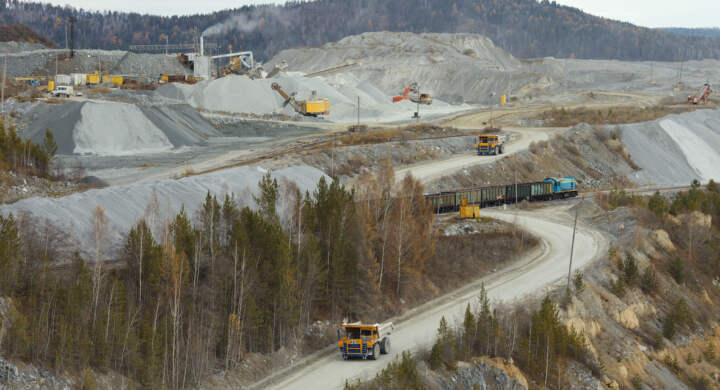
A Territorial Development Approach to Mining in Canada
Op-Ed
A Territorial Development Approach to Mining in Canada
 Andres Sanabria
Policy Analyst
OECD’s Centre for Entrepreneurship, SMEs, Regions and Cities
Andres Sanabria
Policy Analyst
OECD’s Centre for Entrepreneurship, SMEs, Regions and Cities
 Bridget Donovan
Policy Analyst
OECD’s Centre for Entrepreneurship, SMEs, Regions and Cities
Bridget Donovan
Policy Analyst
OECD’s Centre for Entrepreneurship, SMEs, Regions and Cities
 Tamara Krawchenko
Associate Professor
University of Victoria
Tamara Krawchenko
Associate Professor
University of Victoria
-
 Op-Ed
Indigenous Youth Are Key Partners in Strengthening Canada’s Security
Op-Ed
Indigenous Youth Are Key Partners in Strengthening Canada’s Security
 Jennifer Brennan
Senior Director
Mastercard Foundation
Jennifer Brennan
Senior Director
Mastercard Foundation
-
 Op-Ed
Indigenous Wealth Creation from Seed to Success
Op-Ed
Indigenous Wealth Creation from Seed to Success
 Michele Young-Crook
Co-Founder
Rezolution Summit
Michele Young-Crook
Co-Founder
Rezolution Summit
 Janice L. Gladue
Co-Founder
Rezolution Summit
Janice L. Gladue
Co-Founder
Rezolution Summit
-
 Op-Ed
A Future Canada Must Choose: Nation-Building Through Indigenous Power
Op-Ed
A Future Canada Must Choose: Nation-Building Through Indigenous Power
 Michael Fox
President & CEO
Indigenous & Community Engagement (ICE)
Michael Fox
President & CEO
Indigenous & Community Engagement (ICE)
-
 Op-Ed
Beyond the Bucket List: Canadian Tour Operators Must Lead on Sustainable Tourism
Op-Ed
Beyond the Bucket List: Canadian Tour Operators Must Lead on Sustainable Tourism
 Jean Hébert
Executive Director
Canadian Association of Tour Operators (CATO)
Jean Hébert
Executive Director
Canadian Association of Tour Operators (CATO)
-
 Op-Ed
The Purposeful Economy: Why Canada’s Tourism Future is About People, Not Postcards
Op-Ed
The Purposeful Economy: Why Canada’s Tourism Future is About People, Not Postcards
 Bruce Poon Tip
Founder
G Adventures
Bruce Poon Tip
Founder
G Adventures
-
 Op-Ed
Why Indigenous Food Systems Are Canada’s Untapped Economic and Climate Advantage
Op-Ed
Why Indigenous Food Systems Are Canada’s Untapped Economic and Climate Advantage
 Kallie Wood
President & CEO
National Circle for Indigenous Agriculture and Food
Kallie Wood
President & CEO
National Circle for Indigenous Agriculture and Food
-
 Op-Ed
Time to Get Serious: Cut Real Deals for Indigenous Economic Development Now
Op-Ed
Time to Get Serious: Cut Real Deals for Indigenous Economic Development Now
 JP Gladu
Principal
Mokwateh
JP Gladu
Principal
Mokwateh
-
 Op-Ed
“Canada Strong” Needs a Strong Indigenous Economy
Op-Ed
“Canada Strong” Needs a Strong Indigenous Economy
 Senator PJ Prosper
Mi’kmaw lawyer
Nova Scotia
Senator PJ Prosper
Mi’kmaw lawyer
Nova Scotia
-
 Op-Ed
Money as Nutrients
Op-Ed
Money as Nutrients
 Teara Fraser
Founder and CEO
Iskwew Air
Teara Fraser
Founder and CEO
Iskwew Air
-
 Op-Ed
The Future of Canada’s Northern Economy: What Must Be Done Now
Op-Ed
The Future of Canada’s Northern Economy: What Must Be Done Now
 Ken Coates
Professor Emeritus
Johnson Shoyama Graduate School of Public Policy
Ken Coates
Professor Emeritus
Johnson Shoyama Graduate School of Public Policy
-
 Op-Ed
Economic Reconciliation: What Does it Mean?
Op-Ed
Economic Reconciliation: What Does it Mean?
 Chief Raymond Powder
Chief
Fort McKay First Nation
Chief Raymond Powder
Chief
Fort McKay First Nation
-
 Op-Ed
The Unfulfilled Promises of CUSMA: Unfair Regulations Hinder Indigenous Businesses
Op-Ed
The Unfulfilled Promises of CUSMA: Unfair Regulations Hinder Indigenous Businesses
 Mario Castillo
Founder
Scitlalli
Mario Castillo
Founder
Scitlalli
-
 Op-Ed
The Future of Canada’s Economy Lies in Indigenous Partnership
Op-Ed
The Future of Canada’s Economy Lies in Indigenous Partnership
 Sean Willy
President and CEO
Des Nedhe Group
Sean Willy
President and CEO
Des Nedhe Group
-
 Op-Ed
The Evidence of Our Time: The Rise of Indigenous Economic Power
Op-Ed
The Evidence of Our Time: The Rise of Indigenous Economic Power
 Carol Anne Hilton
Founder & CEO
The Indigenomics Institute
Carol Anne Hilton
Founder & CEO
The Indigenomics Institute
-
 Op-Ed
Tackling Indigenous Youth Employment Barriers in Remote First Nations
Op-Ed
Tackling Indigenous Youth Employment Barriers in Remote First Nations
 Dwight Ballantyne
Founder
The Ballantyne Project
Dwight Ballantyne
Founder
The Ballantyne Project
 Christina Miller
Teacher and Graduation Coach
-
Christina Miller
Teacher and Graduation Coach
-
-
 Op-Ed
Addressing Media Narratives: Indigenous Procurement Policies Are Not the Problem
Op-Ed
Addressing Media Narratives: Indigenous Procurement Policies Are Not the Problem
 Tabatha Bull
President and CEO
The Canadian Council for Indigenous Business
Tabatha Bull
President and CEO
The Canadian Council for Indigenous Business
-
 Op-Ed
Indigenous Digital Equity: Overcoming Digital Colonialism in Canada
Op-Ed
Indigenous Digital Equity: Overcoming Digital Colonialism in Canada
 Rhode Thomas
Executive Director
The Centre for Indigenous Innovation and Technology
Rhode Thomas
Executive Director
The Centre for Indigenous Innovation and Technology
-
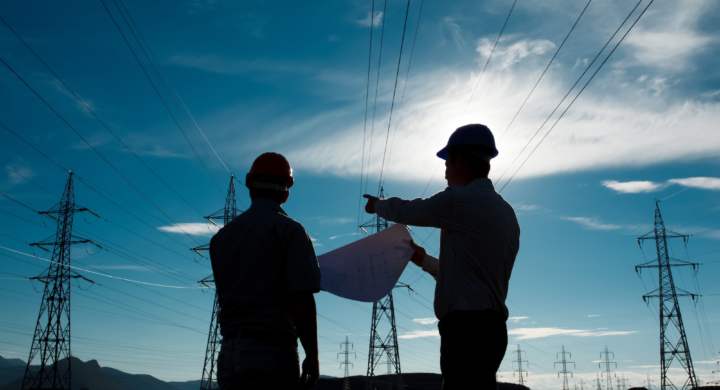 Op-Ed
Indigenous Leadership: A Key Component to Meet Electricity Demand in Canada
Op-Ed
Indigenous Leadership: A Key Component to Meet Electricity Demand in Canada
 James Jenkins
Executive Director
Indigenous Clean Energy
James Jenkins
Executive Director
Indigenous Clean Energy
-
 Op-Ed
Canada’s Economy Can Be Grown If Indigenous Innovation Is Enabled and Encouraged
Op-Ed
Canada’s Economy Can Be Grown If Indigenous Innovation Is Enabled and Encouraged
 Kelly Lendsay
Chief Transformational Officer
Luminary
Kelly Lendsay
Chief Transformational Officer
Luminary
 Marie Delorme
CEO
The Imagination Group
Marie Delorme
CEO
The Imagination Group
 Manley Begay
Director of Tribal Leadership Initiative
Northern Arizona University
Manley Begay
Director of Tribal Leadership Initiative
Northern Arizona University
-
 Op-Ed
Canada Must Ramp Up Momentum in Increasing Indigenous Employment
Op-Ed
Canada Must Ramp Up Momentum in Increasing Indigenous Employment
 Patricia Baxter
Co-Chair
Indigenous Works
Patricia Baxter
Co-Chair
Indigenous Works
 Stephen Lindley
Co-Chair
Indigenous Works
Stephen Lindley
Co-Chair
Indigenous Works
-
 Op-Ed
Economic Reconciliation Isn’t Just Up to the Government. Businesses Play a Key Role
Op-Ed
Economic Reconciliation Isn’t Just Up to the Government. Businesses Play a Key Role
 Steven Vanloffeld
Founder and CEO
eSupply Canada
Steven Vanloffeld
Founder and CEO
eSupply Canada
-
 Op-Ed
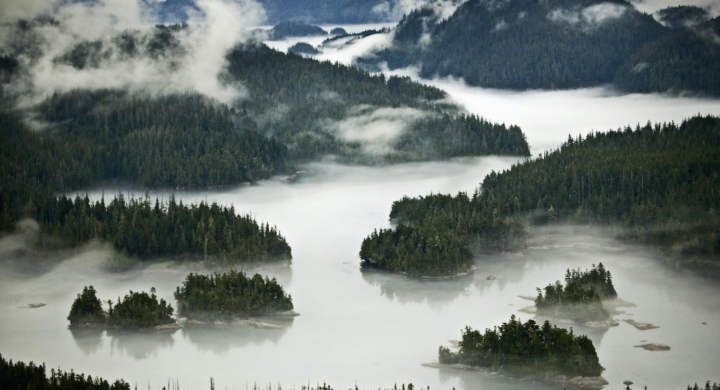
Canada’s Path to Becoming a World Leader in Indigenous Tourism
Op-Ed
Canada’s Path to Becoming a World Leader in Indigenous Tourism
 Keith Henry
President and CEO
ITAC
Keith Henry
President and CEO
ITAC
 Deneen Allen
CEO
Firecircle
Deneen Allen
CEO
Firecircle
-
 Op-Ed
Nurturing the Roots of Indigenous Entrepreneurship
Op-Ed
Nurturing the Roots of Indigenous Entrepreneurship
 Sunshine Tenasco
Founder
Pow Wow Pitch
Sunshine Tenasco
Founder
Pow Wow Pitch
-
 Op-Ed
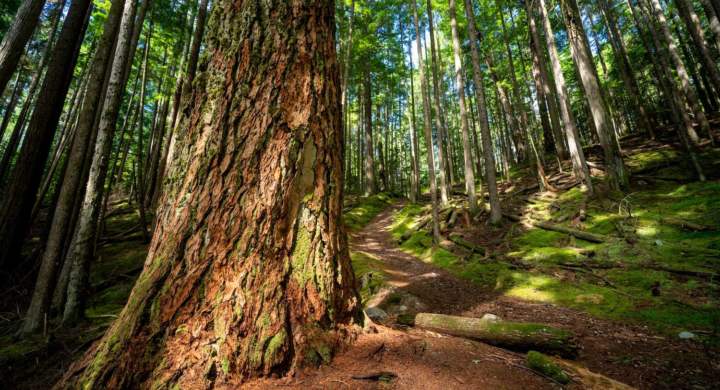
Tall Trees, Strong Roots: Untold Stories in Indigenous Forestry
Op-Ed
Tall Trees, Strong Roots: Untold Stories in Indigenous Forestry
 John Desjarlais
Executive Director
Indigenous Resource Network
John Desjarlais
Executive Director
Indigenous Resource Network
-
 Op-Ed
Indigenous-Led Clean Energy: Advancing Canada’s Sustainable Future
Op-Ed
Indigenous-Led Clean Energy: Advancing Canada’s Sustainable Future
 Rudi van den Broek
Vice President of Partnerships
Northern Energy Capital
Rudi van den Broek
Vice President of Partnerships
Northern Energy Capital
-
 Op-Ed
Supporting Rural and Remote Economies: What Canada Must Do Now
Tamara Krawchenko
Associate Professor
University of Victoria
Op-Ed
Supporting Rural and Remote Economies: What Canada Must Do Now
Tamara Krawchenko
Associate Professor
University of Victoria
-
 Op-Ed
How to Unlock the Indigenous Economy
Op-Ed
How to Unlock the Indigenous Economy
 Harold Calla
Executive Chair
First Nations Financial Management Board
Harold Calla
Executive Chair
First Nations Financial Management Board
-
 Spotlight Interview
Digital Skilling Programs for an Inclusive Green Economy
Spotlight Interview
Digital Skilling Programs for an Inclusive Green Economy
 Sue Paish
CEO
Digital Supercluster
Sue Paish
CEO
Digital Supercluster
-
 Spotlight Interview
Genomics for Indigenous Food Systems
Spotlight Interview
Genomics for Indigenous Food Systems
 Tiff-Annie Kenny
Professor
Université Laval
Tiff-Annie Kenny
Professor
Université Laval
-
 Spotlight Interview
Silent Genomes: Precision Medicine and Indigenous DNA
Spotlight Interview
Silent Genomes: Precision Medicine and Indigenous DNA
 Nadine Caron
Co-Lead
Silent Genomes Project
Nadine Caron
Co-Lead
Silent Genomes Project
-
 Spotlight Interview
Indigenous Knowledge and Genomics Research
Spotlight Interview
Indigenous Knowledge and Genomics Research
 Eric Solomon
Co-Lead
Ikaarvik
Eric Solomon
Co-Lead
Ikaarvik
-
 Video Interview
How Canada can Implement the National Indigenous Economic Strategy
Tabatha Bull
President and CEO
Canadian Council for Aboriginal Business
Video Interview
How Canada can Implement the National Indigenous Economic Strategy
Tabatha Bull
President and CEO
Canadian Council for Aboriginal Business
-
 Video Interview
Canada’s Full Potential: Cultural Capital and Indigenous Reparations
Video Interview
Canada’s Full Potential: Cultural Capital and Indigenous Reparations
 Jesse Wente
Co-Executive Director
Indigenous Screen Office and Chair of the Canada Council for the Arts
Jesse Wente
Co-Executive Director
Indigenous Screen Office and Chair of the Canada Council for the Arts
-
 Op-Ed
A Positive Step Forward for Economic Reconciliation
Tabatha Bull
President and CEO
Canadian Council for Aboriginal Business
Op-Ed
A Positive Step Forward for Economic Reconciliation
Tabatha Bull
President and CEO
Canadian Council for Aboriginal Business
-
 Op-Ed
Increasing Opportunities for Indigenous Peoples and Businesses in Digital Marketing
Op-Ed
Increasing Opportunities for Indigenous Peoples and Businesses in Digital Marketing
 Darian Kovacs
Founder
Jelly Marketing
Darian Kovacs
Founder
Jelly Marketing
-
 Spotlight Interview
First Nations’ Role in Maximizing Edmonton’s Hydrogen Potential
Spotlight Interview
First Nations’ Role in Maximizing Edmonton’s Hydrogen Potential
 Chief Billy Morin
Vice Chair, Chief
Edmonton Region Hydrogen HUB and Enoch Cree Nation
Chief Billy Morin
Vice Chair, Chief
Edmonton Region Hydrogen HUB and Enoch Cree Nation
-
 Op-Ed
Striving for First Nations Economic Sovereignty Through a Low-Carbon Indigenous Sovereign Wealth Fund
Op-Ed
Striving for First Nations Economic Sovereignty Through a Low-Carbon Indigenous Sovereign Wealth Fund
 Liana Wolf Leg
Student and Member
University of Calgary and Siksika Nation
Liana Wolf Leg
Student and Member
University of Calgary and Siksika Nation
 Chief Calvin Bruneau
Former Chief
Papaschase First Nation
Chief Calvin Bruneau
Former Chief
Papaschase First Nation
-
 Video Interview
Indigenous Business Engagement in Saskatchewan
Video Interview
Indigenous Business Engagement in Saskatchewan
 Thomas Benjoe
President and CEO - FHQ Developments & Chair
Saskatchewan Chamber of Commerce
Thomas Benjoe
President and CEO - FHQ Developments & Chair
Saskatchewan Chamber of Commerce
-
 Video Interview
Indigenous Participation in Canada’s Electricity Sector
Video Interview
Indigenous Participation in Canada’s Electricity Sector
 Eryn Stewart
Managing Director
Indigenous Clean Energy (ICE)
Eryn Stewart
Managing Director
Indigenous Clean Energy (ICE)
 Ricky-Lee Watts
Youth Program Manager
Indigenous Clean Energy (ICE)
Ricky-Lee Watts
Youth Program Manager
Indigenous Clean Energy (ICE)
-
 Spotlight Interview
First Nation Investment into the Yukon’s Mining Sector
Spotlight Interview
First Nation Investment into the Yukon’s Mining Sector
 Jani Djokic
CEO
Na-Cho Nyäk Dun Development Corporation
Jani Djokic
CEO
Na-Cho Nyäk Dun Development Corporation
-
 Spotlight Interview
Skills Development for Indigenous Teachers and Learners
Spotlight Interview
Skills Development for Indigenous Teachers and Learners
 Rachel Mishenene
Executive Director, Canada Programs
Right to Play
Rachel Mishenene
Executive Director, Canada Programs
Right to Play
-
 Video Interview
The Impacts of Canada’s Settler West
Video Interview
The Impacts of Canada’s Settler West
 Sarah Carter
Professor, Department of History and Classics and the Faculty of Native Studies
University of Alberta
Sarah Carter
Professor, Department of History and Classics and the Faculty of Native Studies
University of Alberta
-
 Video Interview
Indigenous Participation in Canada’s Energy Transition
Video Interview
Indigenous Participation in Canada’s Energy Transition
 Sandra Sutter
Manager, Indigenous Partnerships
PTW Energy
Sandra Sutter
Manager, Indigenous Partnerships
PTW Energy
-
 Video Panels
Indigenous Participation in Canada’s Energy Transition Panel
Sandra Sutter
Manager, Indigenous Partnerships
PTW Energy
Video Panels
Indigenous Participation in Canada’s Energy Transition Panel
Sandra Sutter
Manager, Indigenous Partnerships
PTW Energy
 Ernie Daniels
President & CEO
First Nations Finance Authority
Ernie Daniels
President & CEO
First Nations Finance Authority
-
 Spotlight Interview
Increasing Indigenous Access to Capital Now and Beyond COVID-19
Spotlight Interview
Increasing Indigenous Access to Capital Now and Beyond COVID-19
 Jean Vincent
President & Chief Executive Officer
Société de Crédit Commercial Autochtone (SOCCA)
Jean Vincent
President & Chief Executive Officer
Société de Crédit Commercial Autochtone (SOCCA)
-
 Spotlight Interview
Supporting Indigenous Businesses Through COVID-19
Spotlight Interview
Supporting Indigenous Businesses Through COVID-19
 Cameron Alexis
CEO
Tribal Chiefs Ventures Inc. (TCVI)
Cameron Alexis
CEO
Tribal Chiefs Ventures Inc. (TCVI)
-
 Spotlight Interview
Developing a National Indigenous Economic Strategy
Spotlight Interview
Developing a National Indigenous Economic Strategy
 Dawn Madahbee Leach
Interim Chairperson
National Indigenous Economic Development Board (NIEDB)
Dawn Madahbee Leach
Interim Chairperson
National Indigenous Economic Development Board (NIEDB)
-
 Spotlight Interview
Investing in the Indigenous Economy’s Long-Term Success
Spotlight Interview
Investing in the Indigenous Economy’s Long-Term Success
 Shannin Metatawabin
CEO
National Aboriginal Capital Corporations Association (NACCA)
Shannin Metatawabin
CEO
National Aboriginal Capital Corporations Association (NACCA)
-
 Interview
Entrepreneurship in Canada’s North
Interview
Entrepreneurship in Canada’s North
 Benjamin Scott
Project Director
EntrepreNorth
Benjamin Scott
Project Director
EntrepreNorth
-
 Interview
Recognition, Procurement & Education to Grow the Indigenous Economy
Interview
Recognition, Procurement & Education to Grow the Indigenous Economy
 Rt Hon. Paul Martin
Founder
The Martin Family Initiative
Rt Hon. Paul Martin
Founder
The Martin Family Initiative
-
 Video Interview
Corporate and Government Partnerships Helping Indigenous Businesses Through COVID-19
Video Interview
Corporate and Government Partnerships Helping Indigenous Businesses Through COVID-19
 Tabatha Bull
President & CEO
Canadian Council for Aboriginal Business (CCAB)
Tabatha Bull
President & CEO
Canadian Council for Aboriginal Business (CCAB)
-
 Interview
Canadian Mining: A variety of underutilized mineral resources
Interview
Canadian Mining: A variety of underutilized mineral resources
 Sam Farris
President & General Manager, Operations
K+S Potash Canada
Sam Farris
President & General Manager, Operations
K+S Potash Canada
-
 Spotlight Interview
Indigenous Economy: Towards A New Capitalism?
Spotlight Interview
Indigenous Economy: Towards A New Capitalism?
 Clint Davis
CEO
North35 Capital Partners
Clint Davis
CEO
North35 Capital Partners
-
 Spotlight Interview
Economic Reconciliation: An economy by and for Indigenous People
Spotlight Interview
Economic Reconciliation: An economy by and for Indigenous People
 Jocelyn Formsma
Executive Director
National Association of Friendship Centres
Jocelyn Formsma
Executive Director
National Association of Friendship Centres
-
 Spotlight Interview
Towards a Reconciliation Economy: Investing in Indigenous Business
Spotlight Interview
Towards a Reconciliation Economy: Investing in Indigenous Business
 Jeffrey Cyr
Managing Partner
Raven Indigenous Capital Partners
Jeffrey Cyr
Managing Partner
Raven Indigenous Capital Partners
-
 Spotlight Interview
Canada’s Prosperity is Tied to Indigenous Prosperity
Shannin Metatawabin
CEO
National Aboriginal Capital Corporations Association (NACCA)
Spotlight Interview
Canada’s Prosperity is Tied to Indigenous Prosperity
Shannin Metatawabin
CEO
National Aboriginal Capital Corporations Association (NACCA)
-
 Interview
Economic Reconciliation at the Heart of Empowering Indigenous Entrepreneurs in Canada
Interview
Economic Reconciliation at the Heart of Empowering Indigenous Entrepreneurs in Canada
 Jace Meyer
Lead for Indigenous Entrepreneurs
Shopify
Jace Meyer
Lead for Indigenous Entrepreneurs
Shopify
-
 Spotlight Interview
Increased Indigenous Participation and Development for Nunavut’s Fisheries
Spotlight Interview
Increased Indigenous Participation and Development for Nunavut’s Fisheries
 Jerry Ward
Director of Fisheries
Qikiqtaaluk Corporation
Jerry Ward
Director of Fisheries
Qikiqtaaluk Corporation
-
 Spotlight Interview
Stability of Access to the Fishery Resource is Crucial to Investment
Spotlight Interview
Stability of Access to the Fishery Resource is Crucial to Investment
 Martin Sullivan
CEO & Co-Chair
Ocean Choice International
Martin Sullivan
CEO & Co-Chair
Ocean Choice International
-
 Interview
Renewable Energy and Reconciliation: Clean Energy’s Impact on Indigenous Communities
Interview
Renewable Energy and Reconciliation: Clean Energy’s Impact on Indigenous Communities
 David Isaac
President
W Dusk Energy Group
David Isaac
President
W Dusk Energy Group
-
 Interview
Indigenous Economic Growth Depends on Banks Serving First Nations’ Needs
Interview
Indigenous Economic Growth Depends on Banks Serving First Nations’ Needs
 Keith Martell
President & CEO
First Nations Bank of Canada
Keith Martell
President & CEO
First Nations Bank of Canada
-
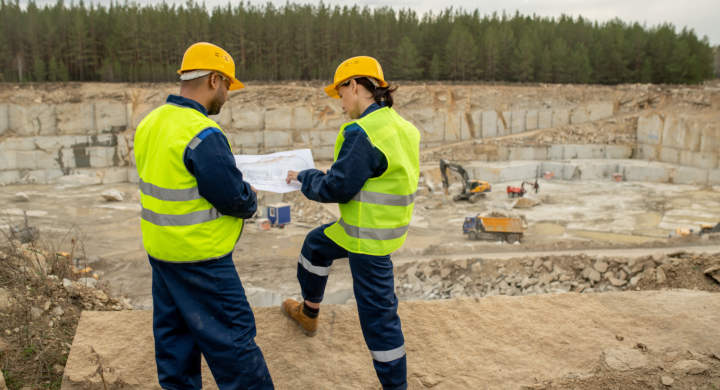 Interview
Mining Companies Benefit from Long-term Relationships With First Nations
Interview
Mining Companies Benefit from Long-term Relationships With First Nations
 Bruce McIvor
Principal
First Peoples Law
Bruce McIvor
Principal
First Peoples Law
-
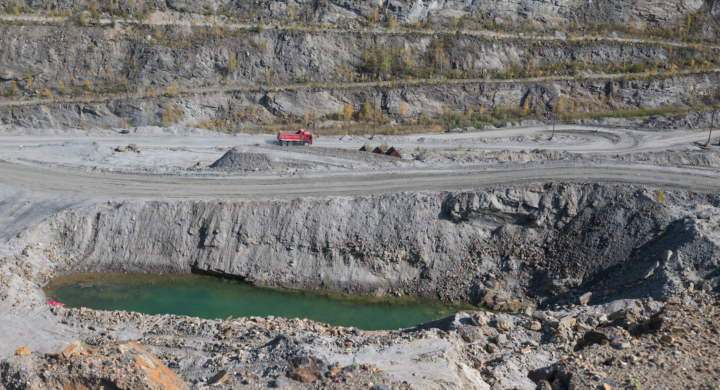 Interview
Canadian Mining’s Challenges and Opportunities: Regulations, Infrastructure, Sustainability and More
Interview
Canadian Mining’s Challenges and Opportunities: Regulations, Infrastructure, Sustainability and More
 Pierre Gratton
President and CEO
Mining Association of Canada
Pierre Gratton
President and CEO
Mining Association of Canada
-
 Interview
The Indigenous Economy is Canada’s Next Economic Powerhouse
Carol Anne Hilton
Founder & CEO
The Indigenomics Institute
Interview
The Indigenous Economy is Canada’s Next Economic Powerhouse
Carol Anne Hilton
Founder & CEO
The Indigenomics Institute
-
 Interview
Aboriginal Business is Growing Faster Than the Canadian Economy
Interview
Aboriginal Business is Growing Faster Than the Canadian Economy
 JP Gladu
President & CEO
Canadian Council for Aboriginal Business
JP Gladu
President & CEO
Canadian Council for Aboriginal Business
-
 Interview
Indigenous Business Success is Canada’s Success
Interview
Indigenous Business Success is Canada’s Success
 Carol Anne Hilton
Senior Advisor to the Federal Finance Minister
Advisory Council on Economic Growth
Carol Anne Hilton
Senior Advisor to the Federal Finance Minister
Advisory Council on Economic Growth
-
 Spotlight Interview
Canadian Indigenous Communities & Mining Companies: Realities, progress and expectations
Spotlight Interview
Canadian Indigenous Communities & Mining Companies: Realities, progress and expectations
 Bobbie Jo Greenland-Morgan
Grand Chief & President
Gwich’in Tribal Council
Bobbie Jo Greenland-Morgan
Grand Chief & President
Gwich’in Tribal Council
-
 Spotlight Interview
Indigenous Communities are Taking Ownership Stakes in the High-tech Mining Sector
Spotlight Interview
Indigenous Communities are Taking Ownership Stakes in the High-tech Mining Sector
 Hans Matthews
President
Canadian Aboriginal Minerals Association
Hans Matthews
President
Canadian Aboriginal Minerals Association
-
 Spotlight Interview
Indigenous Ownership of Major Projects is Key to Economic Growth and Empowerment
Spotlight Interview
Indigenous Ownership of Major Projects is Key to Economic Growth and Empowerment
 Niilo Edwards
Executive Director
First Nations Major Projects Coalition
Niilo Edwards
Executive Director
First Nations Major Projects Coalition
The Future of the Indigenous Economy
The Indigenous economy is one of the most important and fastest-growing drivers of Canada’s future prosperity. Across the country, First Nations, Inuit, and Métis communities are expanding their role in major projects, launching successful businesses, building investment capacity, and creating new models of economic development that are reshaping industries and communities alike.
As conversations around economic reconciliation continue to evolve, the Indigenous economy is increasingly recognized not only as a matter of inclusion and partnership but also as a significant economic opportunity for Canada. Indigenous businesses, entrepreneurs, development corporations, and communities are becoming major contributors to growth, investment, infrastructure development, resource projects, clean energy initiatives, and regional economic resilience.
Why the Indigenous Economy Matters
The Indigenous economy is a critical component of Canada’s economic future.
Indigenous Peoples represent one of the fastest-growing populations in the country, and Indigenous communities are increasingly participating in sectors ranging from energy and natural resources to construction, technology, tourism, transportation, finance, and environmental stewardship.
The economic contributions of Indigenous businesses and organizations continue to expand each year. Indigenous-owned enterprises operate in virtually every region of Canada and contribute to employment, innovation, community development, and local economic growth.
At the same time, Indigenous communities are increasingly taking ownership stakes in major projects, developing their own economic institutions, and creating long-term investment strategies designed to generate sustainable prosperity for future generations.
The growth of the Indigenous economy demonstrates that economic development and community well-being can advance together when Indigenous leadership is central to decision-making.
Economic Reconciliation and Shared Prosperity
Economic reconciliation has become a defining issue in Canada’s economic landscape.
While reconciliation encompasses many dimensions, economic reconciliation focuses on creating opportunities for Indigenous participation, ownership, wealth creation, and self-determination within the economy.
Increasingly, governments, businesses, investors, and Indigenous leaders recognize that meaningful economic reconciliation requires moving beyond consultation toward partnership. This includes expanding Indigenous ownership, supporting Indigenous entrepreneurship, improving access to capital, strengthening procurement opportunities, and ensuring communities can participate fully in economic development.
Economic reconciliation is not solely a social objective. It is also an economic imperative. Strong Indigenous participation contributes to investment certainty, workforce development, project success, and long-term economic growth.
As Indigenous communities continue to build economic capacity, the opportunities for collaboration and shared prosperity continue to expand.
Indigenous Ownership and Major Projects
One of the most significant developments in the Indigenous economy is the growing emphasis on ownership.
Across Canada, Indigenous communities are increasingly acquiring equity stakes in major infrastructure, energy, transportation, and resource projects. These investments provide opportunities for long-term revenue generation while allowing communities to participate directly in decision-making and project governance.
Ownership models are helping transform relationships between Indigenous communities and project proponents. Rather than being viewed solely as stakeholders, Indigenous nations are increasingly becoming partners, investors, and co-owners.
This shift is influencing how projects are developed, financed, and managed across multiple sectors of the economy.
As Indigenous ownership continues to grow, it is creating new models for economic development that align commercial success with community priorities and long-term prosperity.
Indigenous Entrepreneurship and Business Growth
Entrepreneurship is a major driver of the Indigenous economy.
Indigenous entrepreneurs are building businesses across a wide range of industries, creating employment opportunities and strengthening local economies. From small businesses serving regional markets to rapidly growing companies operating nationally and internationally, Indigenous-owned enterprises are contributing to economic diversification and innovation.
Many Indigenous entrepreneurs are also combining commercial success with community impact, creating business models that support cultural preservation, environmental stewardship, workforce development, and social well-being.
Supporting entrepreneurship requires access to financing, mentorship, training, networks, procurement opportunities, and business development resources. Strengthening these supports remains an important priority for Indigenous economic organizations and policymakers alike.
As Indigenous businesses continue to grow and scale, they are creating new opportunities for future generations while contributing to Canada’s broader economic success.
Natural Resources, Energy, and Infrastructure
Natural resources and infrastructure remain important pillars of the Indigenous economy.
Many Indigenous communities are located near major resource development opportunities involving energy, mining, forestry, agriculture, and critical minerals. Increasingly, communities are seeking opportunities not only to participate in these projects but also to shape their development and share in their long-term benefits.
Indigenous partnerships are becoming a defining feature of major projects across Canada. These collaborations can improve project outcomes, strengthen community relationships, support environmental stewardship, and create more durable economic benefits.
The transition to cleaner energy systems is also creating new opportunities for Indigenous participation in renewable energy, transmission infrastructure, energy storage, and environmental technologies.
As investment in infrastructure and resource development continues, Indigenous leadership will play an increasingly important role in shaping Canada’s economic future.
Access to Capital and Investment
Access to capital is essential for the continued growth of the Indigenous economy.
Communities, businesses, and development corporations require financial resources to invest in projects, expand operations, pursue ownership opportunities, and build long-term wealth.
Over the past decade, new financing models and investment partnerships have emerged to support Indigenous economic development. Governments, financial institutions, Indigenous financial organizations, and private investors are exploring ways to improve access to capital while supporting Indigenous priorities and decision-making.
Investment is increasingly being viewed through a long-term lens focused on economic self-sufficiency, intergenerational wealth creation, and sustainable development.
Strengthening access to financing remains one of the most important factors in unlocking future growth opportunities within the Indigenous economy.
Workforce Development and Future Opportunities
The future success of the Indigenous economy depends heavily on workforce development and education.
Indigenous youth represent one of the fastest-growing demographic groups in Canada, creating significant opportunities for economic participation and leadership. Supporting education, skills development, training, and career pathways will be critical to ensuring that future generations can take advantage of emerging opportunities.
Industries across Canada are seeking skilled workers in areas such as technology, healthcare, energy, construction, advanced manufacturing, and skilled trades. Indigenous workforce participation can help address labour shortages while supporting community prosperity and economic mobility.
Building strong talent pipelines benefits both Indigenous communities and the broader Canadian economy.
The Future of the Indigenous Economy
The Indigenous economy is becoming an increasingly important force in Canada’s economic transformation.
Indigenous leadership, entrepreneurship, ownership, and investment are reshaping how economic development occurs across sectors and regions. New partnership models are creating opportunities for shared prosperity while advancing the principles of economic reconciliation and self-determination.
The future will be shaped by continued growth in Indigenous business, expanded ownership opportunities, greater access to capital, workforce development, and stronger collaboration between Indigenous and non-Indigenous partners.
As Indigenous communities continue to expand their economic influence, their leadership will help shape a more inclusive, resilient, and prosperous future for Canada. The growth of the Indigenous economy is not simply a trend—it is a defining component of the country’s long-term economic success.