
Trade in Canada
-
 Op-Ed
Canada Has What the World Wants. The Question is Whether We Can Act On It.
Op-Ed
Canada Has What the World Wants. The Question is Whether We Can Act On It.
 Terence Smith
Senior Director, Centre for Canada’s Future
Boston Consulting Group
Terence Smith
Senior Director, Centre for Canada’s Future
Boston Consulting Group
 Keith Halliday
Partner & Associate Director, Global Trade & Investment
Boston Consulting Group
Keith Halliday
Partner & Associate Director, Global Trade & Investment
Boston Consulting Group
-
 Op-Ed
The Global Economy is Being Rewired. Canada Can’t Run Yesterday’s Playbook
Op-Ed
The Global Economy is Being Rewired. Canada Can’t Run Yesterday’s Playbook
 Shane Dunn
Canada EY-Parthenon Leader
EY Canada
Shane Dunn
Canada EY-Parthenon Leader
EY Canada
-
 Op-Ed
CUSMA at a Crossroads: What the Annual Review Means for Canada’s Trade Future
Op-Ed
CUSMA at a Crossroads: What the Annual Review Means for Canada’s Trade Future
 Jimmy Jean
Vice-President, Chief Economist & Strategist
Desjardins Group
Jimmy Jean
Vice-President, Chief Economist & Strategist
Desjardins Group
 Randall Bartlett
Deputy Chief Economist
Desjardins Group
Randall Bartlett
Deputy Chief Economist
Desjardins Group
-
 Op-Ed
Why Ethical Trade Is Central to Canada’s Global Competitiveness
Op-Ed
Why Ethical Trade Is Central to Canada’s Global Competitiveness
 Jennie Coleman
Co-Owner & President
Equifruit
Jennie Coleman
Co-Owner & President
Equifruit
-
 Op-Ed
The Future of Canada’s Auto Sector: How Ontario Can Lead in EVs
Op-Ed
The Future of Canada’s Auto Sector: How Ontario Can Lead in EVs
 Jatin Nathwani
Professor Emeritus
University of Waterloo
Jatin Nathwani
Professor Emeritus
University of Waterloo
 Artie Ng
Fellow
Balsillie School of International Affairs
Artie Ng
Fellow
Balsillie School of International Affairs
-
 Op-Ed
Beyond the Bucket List: Canadian Tour Operators Must Lead on Sustainable Tourism
Op-Ed
Beyond the Bucket List: Canadian Tour Operators Must Lead on Sustainable Tourism
 Jean Hébert
Executive Director
Canadian Association of Tour Operators (CATO)
Jean Hébert
Executive Director
Canadian Association of Tour Operators (CATO)
-
 Op-Ed
The Purposeful Economy: Why Canada’s Tourism Future is About People, Not Postcards
Op-Ed
The Purposeful Economy: Why Canada’s Tourism Future is About People, Not Postcards
 Bruce Poon Tip
Founder
G Adventures
Bruce Poon Tip
Founder
G Adventures
-
 Op-Ed
Tourism in Canada: A Cornerstone of Growth and Sustainable Transformation
Op-Ed
Tourism in Canada: A Cornerstone of Growth and Sustainable Transformation
 Amy Butcher
Vice President of Public Affairs
Tourism Industry Association of Canada
Amy Butcher
Vice President of Public Affairs
Tourism Industry Association of Canada
-
 Op-Ed
Why Clean Equals Competitive When Building Canada’s Trade Alliances Beyond the US
Op-Ed
Why Clean Equals Competitive When Building Canada’s Trade Alliances Beyond the US
 Rachel Doran
President and Executive Director
Clean Energy Canada
Rachel Doran
President and Executive Director
Clean Energy Canada
-
 Op-Ed
Monopoly: America’s Rigged Game Is Nearing Collapse. What Should Canada Do?
Op-Ed
Monopoly: America’s Rigged Game Is Nearing Collapse. What Should Canada Do?
 Stephan May
Managing Partner
Welch Capital Partners Inc.
Stephan May
Managing Partner
Welch Capital Partners Inc.
-
 Op-Ed
The Canadian Food Economy’s Best Defence Against Tariffs is Adopting Tech
Op-Ed
The Canadian Food Economy’s Best Defence Against Tariffs is Adopting Tech
 Dana McCauley
CEO
Canadian Food Innovation Network
Dana McCauley
CEO
Canadian Food Innovation Network
-
 Op-Ed
Canada’s Economic Future: Balancing Global Trade and Local Supply Chains
Op-Ed
Canada’s Economic Future: Balancing Global Trade and Local Supply Chains
 Mauricio Zelaya
EY-Parthenon Canada Partner & National Economics Leader
EY Canada
Mauricio Zelaya
EY-Parthenon Canada Partner & National Economics Leader
EY Canada
-
 Op-Ed
From Farm to Market: Canada’s Economic Playbook
Op-Ed
From Farm to Market: Canada’s Economic Playbook
 Kyle Larkin
Executive Director
Grain Growers of Canada
Kyle Larkin
Executive Director
Grain Growers of Canada
-
 Op-Ed
Canada’s Cleantech Crossroads: Evolving for a Changing Market
Op-Ed
Canada’s Cleantech Crossroads: Evolving for a Changing Market
 David Sanguinetti
COO
Foresight Canada
David Sanguinetti
COO
Foresight Canada
-
 Op-Ed
The Tariff Reckoning: Why Canada’s Financial Leaders Must Lead the Charge
Op-Ed
The Tariff Reckoning: Why Canada’s Financial Leaders Must Lead the Charge
 Howard Kerbel
Executive Director
FEI Canada
Howard Kerbel
Executive Director
FEI Canada
-
 Op-Ed
Beyond Tariffs: Canada’s Chance to Lead in the Global Talent Race
Op-Ed
Beyond Tariffs: Canada’s Chance to Lead in the Global Talent Race
 Daniel Hengeveld
VP of Investment Attraction
Toronto Global
Daniel Hengeveld
VP of Investment Attraction
Toronto Global
-
 Op-Ed
Domestic by Design: Why Canada Needs to Buy and Upgrade Canadian Resources
Op-Ed
Domestic by Design: Why Canada Needs to Buy and Upgrade Canadian Resources
 Apoorv Sinha
Co-Founder and CEO
Carbon Upcycling
Apoorv Sinha
Co-Founder and CEO
Carbon Upcycling
-
 Op-Ed
Trump has Made Regulatory Harmonization Unworkable; Canada Must Carve its Own Path
Op-Ed
Trump has Made Regulatory Harmonization Unworkable; Canada Must Carve its Own Path
 Kevin Thomas
CEO
SHARE
Kevin Thomas
CEO
SHARE
-
 Op-Ed
Canada Should Seize Opportunity Presented by Booming German Medical Market
Op-Ed
Canada Should Seize Opportunity Presented by Booming German Medical Market
 Raj Grover
CEO
High Tide
Raj Grover
CEO
High Tide
-
 Op-Ed
Unlocking Canada’s Economic Potential Through National Trade Corridors
Op-Ed
Unlocking Canada’s Economic Potential Through National Trade Corridors
 Lindsay Kislock
President & CEO
WESTAC
Lindsay Kislock
President & CEO
WESTAC
-
 Op-Ed
Made-in-Canada Life Sciences are an Antidote to US Trade War
Op-Ed
Made-in-Canada Life Sciences are an Antidote to US Trade War
 Christine Williams
Acting President
Ontario Institute for Cancer Research
Christine Williams
Acting President
Ontario Institute for Cancer Research
 David O’Neill
President
FACIT
David O’Neill
President
FACIT
-
 Op-Ed
Annex my A**: Navigating US Trade Tensions and Securing Canada’s Digital Sovereignty
Op-Ed
Annex my A**: Navigating US Trade Tensions and Securing Canada’s Digital Sovereignty
 Keith Jansa
Chief Executive Officer
Digital Governance Council
Keith Jansa
Chief Executive Officer
Digital Governance Council
-
 Op-Ed
Canada Needs a Lasting Inward Focus in a World of Black Swans
Op-Ed
Canada Needs a Lasting Inward Focus in a World of Black Swans
 Karl Oczkowski
Founder
KJ FOSTER
Karl Oczkowski
Founder
KJ FOSTER
-
 Op-Ed
2025 Offers a Chance to Restore Economic Sovereignty and Growth in Canada
Op-Ed
2025 Offers a Chance to Restore Economic Sovereignty and Growth in Canada
 Benjamin Bergen
President
Council of Canadian Innovators
Benjamin Bergen
President
Council of Canadian Innovators
-
 Op-Ed
Leveraging Political Turmoil to Achieve Economic Prosperity in Canada
Op-Ed
Leveraging Political Turmoil to Achieve Economic Prosperity in Canada
 Meaghan Seagrave
Executive Director
Bioindustrial Innovation Canada
Meaghan Seagrave
Executive Director
Bioindustrial Innovation Canada
-
 Op-Ed
Why Canada Needs Africa
Op-Ed
Why Canada Needs Africa
 Senator Amina Gerba
Senator
Senate of Canada
Senator Amina Gerba
Senator
Senate of Canada
-
 Op-Ed
Supercharging International Trade for Canada’s Agri-Food Industry
Op-Ed
Supercharging International Trade for Canada’s Agri-Food Industry
 Michael Harvey
Executive Director
Canadian Agri-Food Trade Alliance
Michael Harvey
Executive Director
Canadian Agri-Food Trade Alliance
-
 Video Interview
Canada’s Position in Global Trade
Video Interview
Canada’s Position in Global Trade
 Cynthia Leach
Senior Director, Economic Thought Leadership
RBC Economics
Cynthia Leach
Senior Director, Economic Thought Leadership
RBC Economics
-
 Interview
Enforcing Fair Trade Deals for the Agriculture Industry
Interview
Enforcing Fair Trade Deals for the Agriculture Industry
 Dan Darling
President
Canadian Agri-Food Trade Alliance (CAFTA)
Dan Darling
President
Canadian Agri-Food Trade Alliance (CAFTA)
-
 Spotlight Interview
Canada’s FDI Fundamentals: Political Stability, Economic Environment and Infrastructure
Spotlight Interview
Canada’s FDI Fundamentals: Political Stability, Economic Environment and Infrastructure
 Faisal Kazi
President & CEO
Siemens Canada
Faisal Kazi
President & CEO
Siemens Canada
-
 Op-Ed
Cross-Border Personal Mobility in the COVID-19 Crisis
Op-Ed
Cross-Border Personal Mobility in the COVID-19 Crisis
 Bill Anderson
Director
Cross-Border Institute
Bill Anderson
Director
Cross-Border Institute
-
 Interview
Canada Offers Top Talent, Low Costs and Trade with 51 Countries
Interview
Canada Offers Top Talent, Low Costs and Trade with 51 Countries
 Ian McKay
CEO
Invest in Canada
Ian McKay
CEO
Invest in Canada
-
 Interview
Putting Canada on the Map as a Major Energy Exporting Country
Interview
Putting Canada on the Map as a Major Energy Exporting Country
 Susannah Pierce
Director of Corporate Affairs
LNG Canada
Susannah Pierce
Director of Corporate Affairs
LNG Canada
-
 Interview
Reforming Regulation is Key to Canadian Competitiveness
Interview
Reforming Regulation is Key to Canadian Competitiveness
 Craig Alexander
Partner & Chief Economist
Deloitte Canada
Craig Alexander
Partner & Chief Economist
Deloitte Canada
-
 Interview
What Canadian & Dutch Tech Entrepreneurs Can Learn from Each Other
Interview
What Canadian & Dutch Tech Entrepreneurs Can Learn from Each Other
 Constantijn van Oranje
Special Envoy, TechLeap.NL
Prince of the Netherlands
Constantijn van Oranje
Special Envoy, TechLeap.NL
Prince of the Netherlands
-
 Interview
Making Exports and Diversification Central to Canadian Business
Interview
Making Exports and Diversification Central to Canadian Business
 Mairead Lavery
President & CEO
Export Development Canada (EDC)
Mairead Lavery
President & CEO
Export Development Canada (EDC)
-
 Interview
Canada Needs to Look Inward to Expand International Trade Relations
Interview
Canada Needs to Look Inward to Expand International Trade Relations
 Stewart Beck
President & CEO
Asia Pacific Foundation of Canada
Stewart Beck
President & CEO
Asia Pacific Foundation of Canada
-
 Interview
Canada and Alberta: We need to expand our views beyond our borders
Interview
Canada and Alberta: We need to expand our views beyond our borders
 Laura Kilcrease
CEO
Alberta Innovates
Laura Kilcrease
CEO
Alberta Innovates
-
 Interview
The Canadian Brand Will Become More Visible on the Global Stage
Interview
The Canadian Brand Will Become More Visible on the Global Stage
 Benoit Daignault
President & CEO
Export Development Canada (EDC)
Benoit Daignault
President & CEO
Export Development Canada (EDC)
Trade in Canada
Trade in Canada is central to the country’s prosperity. Canadian businesses depend on access to customers, suppliers, investment and technologies beyond their local markets, while communities across the country rely on trade to create employment and support economic growth.
Canada exports natural resources, agricultural products, manufactured goods, technology and professional services. It also imports the machinery, components, consumer goods and specialized inputs that Canadian businesses need to operate.
This exchange allows Canadian companies to reach larger markets, specialize in areas of strength and participate in global supply chains.
However, Canada’s trade environment is becoming more uncertain. Geopolitical tensions, protectionism, supply-chain disruptions and changing industrial policies are reshaping how countries conduct business. Governments are placing greater emphasis on economic security, domestic production and control over strategic resources and technologies.
Canada must adapt to this changing environment while continuing to benefit from open markets.
The future of trade in Canada will depend on whether the country can diversify its markets, strengthen domestic trade, improve infrastructure and help more Canadian businesses compete internationally.
Why Trade Matters to Canada
Canada has a relatively small population spread across a large geography. Canadian businesses often need access to international markets to achieve the scale required to grow.
Exports allow companies to sell to more customers, increase production and invest in new technologies. Imports give businesses access to equipment, components and expertise that may not be available domestically.
Trade also supports competition.
Exposure to international markets encourages companies to improve their productivity, quality and customer service. Businesses that export must often meet demanding technical, regulatory and environmental standards.
This can make them more innovative and resilient.
Trade supports a wide range of Canadian industries, including energy, mining, agriculture, forestry, manufacturing, aerospace, transportation, financial services, technology and tourism.
It also connects regional economies.
Ports, railways, highways, pipelines, airports and digital networks move goods, services and information between Canadian communities and international markets.
Trade policy is therefore not separate from economic policy. It influences investment, productivity, employment, infrastructure and Canada’s ability to compete globally.
Canada’s Trading Relationships
The United States is Canada’s largest and most important trading partner.
The two economies are deeply integrated. Goods and components often cross the border several times before a final product reaches the customer. Energy systems, automotive manufacturing, agriculture and critical infrastructure are closely connected.
This relationship gives Canadian businesses access to one of the world’s largest markets. It also creates risk.
When a large share of a country’s exports depends on one market, changes in tariffs, regulations, procurement rules or political priorities can have significant consequences.
Canada must continue to strengthen its relationship with the United States while expanding opportunities elsewhere.
Trade agreements with Europe, the Asia-Pacific region and other markets give Canadian companies preferential access to a broad range of economies. However, signing a trade agreement does not guarantee that businesses will use it.
Companies still need market knowledge, financing, local partners, transportation capacity and the ability to meet foreign regulatory requirements.
Canada’s challenge is turning formal market access into actual commercial activity.
Diversifying Canadian Trade
Trade diversification is one of Canada’s most important economic priorities.
Reducing dependence on a limited number of customers can make the economy more resilient to political disputes, recessions and changes in demand.
Diversification can involve exporting to more countries, but it can also mean selling a broader range of products and services.
Canada has opportunities in industries where global demand is growing, including clean energy, critical minerals, agri-food, digital services, life sciences, aerospace and advanced manufacturing.
However, entering a new market can be costly and complex.
Businesses must understand local customers, regulations, business cultures and distribution systems. They may need to adapt their products, pricing or marketing. Smaller companies may lack the staff or financing needed to manage these challenges.
Governments and industry organizations can help businesses identify opportunities, connect with customers and navigate foreign markets.
Trade missions can be useful when they are linked to clear commercial goals and sustained follow-up. Export support should focus on helping companies make sales and establish long-term relationships rather than simply generating visibility.
Canadian businesses must also take greater responsibility for diversification. Companies that are comfortable selling into the United States may need to invest in the expertise required to compete in more distant or unfamiliar markets.
Helping More Businesses Export
Many Canadian businesses do not export, even when their products or services could appeal to international customers.
Exporting requires knowledge, financing and confidence.
A company may need to increase production, obtain certifications, hire sales staff or extend payment terms to foreign customers. These investments often take place before the company receives revenue from the new market.
Access to financing and insurance can help businesses manage these risks.
Companies also need practical advice. General information about foreign markets is not always enough. Entrepreneurs need to know which customers to approach, how to price their products, how to structure contracts and how to manage taxes, logistics and currency risk.
Digital platforms have lowered some barriers to international trade.
A small business can now market products, deliver services and communicate with customers around the world. However, digital trade also creates challenges involving privacy, data localization, cybersecurity, taxation and intellectual property.
Canada should ensure that export support reflects the needs of both goods-producing and service-based businesses.
Professional services, software, education, creative industries and digital products can all contribute to Canadian exports without relying on traditional shipping infrastructure.
Strengthening Trade Infrastructure
Canada’s ability to trade depends on reliable infrastructure.
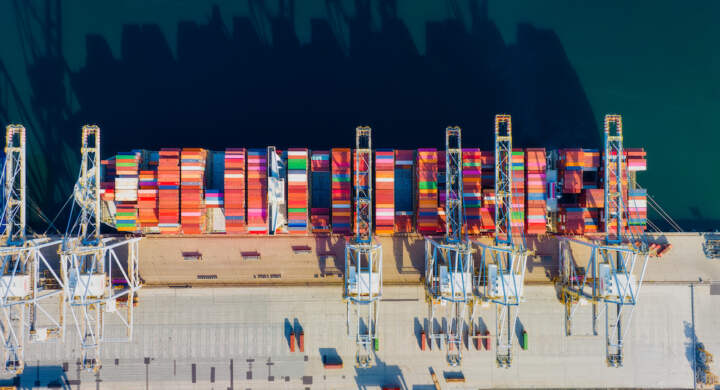
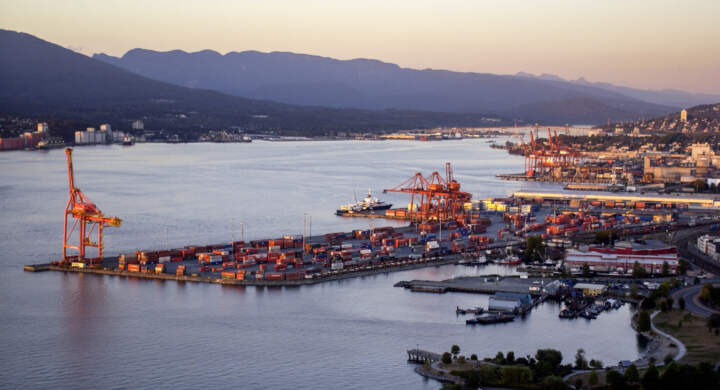
Ports, railways, roads, airports, border crossings and warehouses determine how quickly and affordably goods can reach customers.
Congestion, delays and inadequate capacity increase costs for Canadian businesses. Unreliable transportation can also damage Canada’s reputation as a supplier.
Trade infrastructure requires long-term planning.
Major projects can take years to approve, finance and construct. Governments and the private sector must anticipate future demand rather than responding only after bottlenecks have emerged.
Infrastructure planning should consider the entire trade corridor.
Expanding a port will have limited value if the connecting railways, highways or border facilities cannot handle the additional traffic.
Canada must also prepare infrastructure for climate risks. Floods, wildfires, extreme temperatures and other events can disrupt supply chains and isolate communities.
Resilient infrastructure will become increasingly important as climate-related disruptions become more frequent.
Digital infrastructure is another essential part of trade. Reliable telecommunications, cybersecurity and data systems allow businesses to manage logistics, deliver services and participate in digital markets.
Improving Interprovincial Trade
Trade within Canada is also essential to the country’s competitiveness.
Businesses can face different regulations, licensing rules, product standards and administrative requirements across provinces and territories.
These differences can make it harder for companies to expand nationally.
A business that succeeds in one province should not encounter unnecessary barriers when entering another Canadian market. Workers should also be able to move more easily between provinces when their skills and qualifications are equivalent.
Reducing internal trade barriers would give Canadian businesses access to a larger domestic market.
This could help companies achieve greater scale before expanding internationally. It could also increase competition, lower costs and make supply chains more resilient.
Governments should continue working toward mutual recognition of standards and professional credentials wherever appropriate.
Some regional differences may be necessary, but businesses should not face duplication or inconsistency without a clear public benefit.
A stronger internal market would improve Canada’s ability to compete externally.
Trade, Supply Chains and Economic Security
Recent disruptions have shown that efficient supply chains are not always secure supply chains.
Businesses and governments are paying more attention to where goods come from, who controls critical technologies and whether essential supplies can be obtained during a crisis.
Canada must balance efficiency with resilience.
This does not mean producing everything domestically. Complete self-sufficiency would be unrealistic and expensive. Instead, Canada should identify areas where excessive dependence creates serious economic or security risks.
These may include critical minerals, energy, food, medicines, defence products, semiconductors and telecommunications equipment.
Canada can strengthen resilience by diversifying suppliers, building strategic inventories and developing domestic capacity in selected areas.
International partnerships will also remain important.
Canada should work with trusted partners to build secure supply chains and establish common standards. These relationships can create new opportunities for Canadian businesses while reducing dependence on unreliable sources.
Economic security measures must be carefully designed. Policies intended to protect strategic industries should not unnecessarily restrict competition or raise costs across the wider economy.
Trade and Canadian Competitiveness
Trade performance depends on what happens inside the Canadian economy.
Businesses cannot compete internationally if they face weak productivity, high transportation costs, slow project approvals or shortages of skilled workers.
Trade policy must therefore be connected to innovation, infrastructure, taxation, regulation, education and investment.
Canadian companies need to produce goods and services that customers around the world want to buy.
Canada has strong advantages in natural resources, agriculture, energy and advanced research. However, it must create more value from these strengths.
Exporting raw materials can generate significant economic activity, but processing, manufacturing and developing associated technologies can create additional employment and intellectual property.
Canada should aim to participate in more stages of global value chains.
This may involve refining critical minerals, producing advanced materials, developing energy technologies or building specialized equipment for industries in which Canada already has expertise.
Competitiveness also requires speed. Businesses may lose opportunities when projects, permits or regulatory decisions take too long.
Strong standards can coexist with clear timelines and coordinated decision-making.
Building Ethical and Sustainable Trade
Trade can contribute to prosperity, but its benefits are not automatic.
Businesses and governments must consider working conditions, human rights, environmental impacts and the treatment of communities throughout supply chains.
Consumers and investors increasingly expect companies to understand where their products and materials come from.
Canadian businesses may be required to provide more information about emissions, labour practices and supply-chain risks.
These expectations can create costs, but they can also become a competitive advantage.
Canada has the opportunity to position itself as a reliable supplier of responsibly produced energy, minerals, food, technologies and manufactured goods.
However, claims about sustainability or ethical sourcing must be supported by credible standards and transparent information.
Indigenous economic participation should also be part of Canada’s trade strategy.
Indigenous businesses and communities are important partners in natural resources, infrastructure, tourism and other export-oriented industries. Greater access to capital, procurement and international markets can support Indigenous economic growth and strengthen Canadian supply chains.
The Future of Trade in Canada
The future of trade in Canada will be shaped by competition, geopolitical change and the growing importance of economic security.
Canada cannot rely solely on its geography, resources or existing trade agreements.
It must actively build the infrastructure, companies and relationships needed to succeed.
Governments should reduce internal barriers, improve trade corridors and provide businesses with practical support for entering new markets. Businesses must invest in productivity, develop international expertise and become less dependent on familiar customers.
Canada must also strengthen its position in strategic supply chains while maintaining the benefits of open trade.
The goal should not be trade for its own sake. Trade should help Canada build stronger industries, create high-quality employment and improve living standards.
Canada has products, resources, technologies and expertise that the world needs. Its success will depend on whether it can move them efficiently, sell them competitively and retain more of the resulting value at home.