
The Restorative Economy Unlocks a Resilient Future Beyond Sustainability

The world of ESG is undergoing a fundamental change.
“The strong feedback is that “sustainability” is too passive and that younger generations are interested in companies that practice recovery and renewal—a movement known as the “restorative economy.””
Increasingly, younger generations, led by Millennials and Gen Z, are wary of corporate “greenwashing” and “greenwishing”, demanding demonstrable impact. Calls for environmental justice, inclusive climate action and the transition toward low-carbon economies underscore the reality that “E” (environment), “S” (social) and “G” (governance) can no longer be treated as silos.
The strong feedback is that “sustainability” is too passive and that younger generations are interested in companies that practice recovery and renewal—a movement known as the “restorative economy.” Sustainable brands aim to reduce harm to the planet. Restorative businesses strive to actively revitalize society and the environment, creating lasting change.
As Head of Sustainability at TELUS, this impacts me directly. As leaders in social capitalism, we look to embrace a future beyond sustainability. It’s perhaps time to amend my job title to reflect the inclusion of regeneration in our ESG work and to better recognize the interdependence between our economic activities and our natural systems.
Why Take a Restorative Approach?

One key component of a restorative business approach is appreciating the significance of the world’s stocks of natural assets, including trees, forests, rivers, floodplains, wetlands, grasslands, soils and animals.
“Nature-based solutions (NbS) can provide up to 30% of the global emissions reduction required by 2030 to limit global warming to 1.5 degrees.”
Restoring natural assets helps mitigate the impacts of climate change by reducing atmospheric CO2 levels, enhancing resilience against climate impacts, and improving biodiversity. Nature-based solutions (NbS) can provide up to 30% of the global emissions reduction required by 2030 to limit global warming to 1.5 degrees. The United Nations also estimates that effective restoration of 15% of converted lands could prevent 60% of expected species extinctions.
The implications of nature restoration for business and society are just as profound. Economic activity relies heavily on natural capital: the World Economic Forum estimates that roughly half of the world’s total GDP—representing $44 trillion of economic value—depends on the natural world in some way. In Canada, forests help provide clean drinking water to 50% of the population, highlighting the importance of valuing and protecting ecosystem services.
“Over 50% of Canadians prefer to do business with companies that are environmentally responsible, and over 80% see tree planting as an important action companies can take in their regenerative efforts.”
Tripling investment in nature-based solutions by 2030 could generate an additional 20 million jobs worldwide; the economic opportunities emerging from regenerative business approaches are vast. NbS can also help businesses meet sustainability targets, stay ahead of the curve when it comes to complying with environmental regulations, and build positive brand value and awareness. TELUS research shows that over 50% of Canadians prefer to do business with companies that are environmentally responsible, and over 80% see tree planting as an important action companies can take in their regenerative efforts.
TELUS’ Approach to Restorative Business
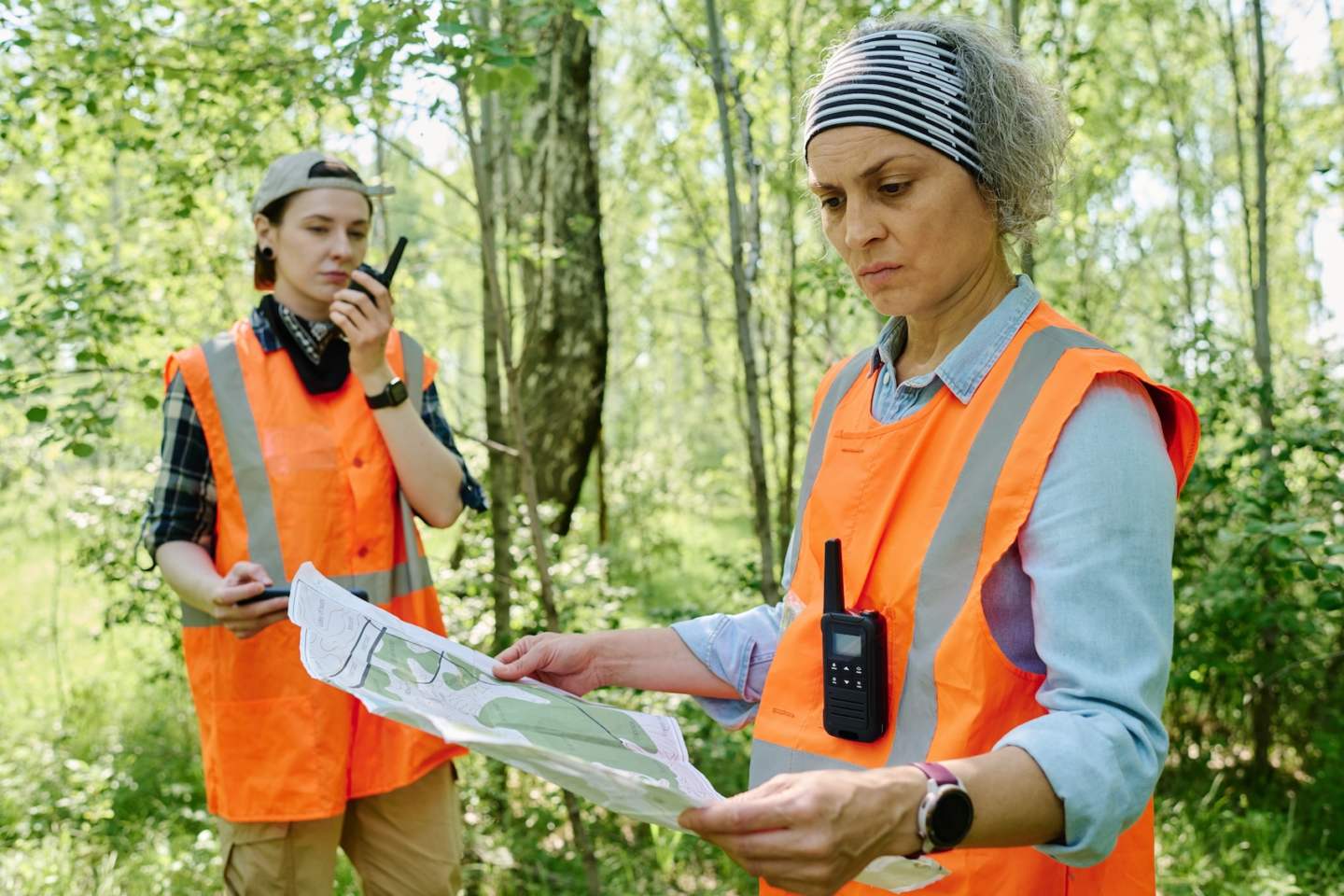
At TELUS, we believe that doing good and good business are mutually inclusive. We understand that we have a responsibility to address our most pressing social issues with our products and services. That’s why we are committed to supporting restorative economic practices and our dedication to environmental stewardship.
As part of our commitment to the 1 Trillion Trees Initiative, we pledge to leverage technology, ecological knowledge, and social engagement to enhance ecosystem benefits. We work with Canadian-based restorative businesses to pilot new technologies in reforestation and forest management.
Through TELUS Environmental Solutions Inc. (TESI), we offer a range of nature-based solutions, from replanting wildfire-affected areas to restoring coastal kelp forests. These efforts not only create positive social and environmental impacts but also help businesses differentiate their ESG programs and operational sustainability.
We strive to amplify our restorative impact through the TELUS Pollinator Fund for Good, which has invested in companies that aim to create positive environmental and social impact. These include startups like Flash Forest and Dryad Networks, which use cutting-edge technology to restore post-wildfire ecosystems and prevent and mitigate the effects of wildfires.
Piikani and TELUS: Indigenous Knowledge and Nature Restoration
Rooted in Indigenous ecological knowledge and respect for the people who have stewarded it for millennia, TELUS Environmental Solutions and Piikani Nation have partnered to advance ecological restoration in the Náápi Otsíthaatan (Oldman River) watershed.
For generations, this region has provided for the hunting, fishing, gathering and ceremonial needs of Piikani Nation members. In recent years, the community has grown increasingly concerned about ecological decline as a result of climate change and increased industrial and agricultural activity.
“Over the last few years, we’ve seen shorter seasons with our berries, sweetgrass, mint, harvesting of medicines, and with the availability of fish,” Noreen Plain Eagle, Lands Manager with Piikani Nation, tells us.
“Moving from sustainability to restoration is not just a trend; it’s a necessity. Nature restoration and restorative business are vital for our planet’s health and our economic futures.”
To address these challenges, TELUS and Piikani have already planted tens of thousands of stems of native cottonwood, poplar, aspen, and shrubs such as silverberry (known to Piikani as Wolf Willow), which are maintaining their growth wonderfully, said Plain Eagle. That number will grow to 350,000 by the end of 2025, completing the rehabilitation of 300 hectares of high-priority land identified by the Piikani Lands Department.
“Businesses can contribute to and benefit from these efforts by adopting nature-based solutions that enhance resilience and drive long-term success.”
Moving from sustainability to restoration is not just a trend; it’s a necessity. Nature restoration and restorative business are vital for our planet’s health and our economic futures. We need to recognize the full suite of benefits that nature provides and strive to incorporate this value into our business models, thereby creating a positive cycle of environmental regeneration. Private sector investment in nature restoration is also crucial. Businesses can contribute to and benefit from these efforts by adopting nature-based solutions that enhance resilience and drive long-term success.
At TELUS, we are committed to leading this transition, demonstrating that restorative practices are not only possible but essential for a thriving future. Let’s work together to create a healthier planet for generations to come.
-
 Beyond the Bucket List: Canadian Tour Operators Must Lead on Sustainable Tourism
 Jean Hébert
Executive Director
Canadian Association of Tour Operators (CATO)
Jean Hébert
Executive Director
Canadian Association of Tour Operators (CATO)
-
 The Purposeful Economy: Why Canada’s Tourism Future is About People, Not Postcards
 Bruce Poon Tip
Founder
G Adventures
Bruce Poon Tip
Founder
G Adventures
-
 Eco-Effectiveness: Canada’s Path to Genuine Sustainable Growth
 Jury Gualandris
Associate Professor of Operations Management & Sustainability
Ivey Business School
Jury Gualandris
Associate Professor of Operations Management & Sustainability
Ivey Business School