
Agriculture in Canada: Expert Insights on the Future of Ag, AgTech & Policy
-
 Op-Ed
To Feed the Future, Canada Must Broaden Its Definition of Food Innovation
Op-Ed
To Feed the Future, Canada Must Broaden Its Definition of Food Innovation
 Tenille Bonoguore
Strategic Initiatives Lead
Arrell Food Institute
Tenille Bonoguore
Strategic Initiatives Lead
Arrell Food Institute
 Pauline Cripps
Community Food Lead
Arrell Food Institute
Pauline Cripps
Community Food Lead
Arrell Food Institute
 Evan Fraser
Executive Director
Arrell Food Institute
Evan Fraser
Executive Director
Arrell Food Institute
-
 Op-Ed
Canada Now Has Commercially Viable Food Security Solutions. Will We Scale Them Here?
Op-Ed
Canada Now Has Commercially Viable Food Security Solutions. Will We Scale Them Here?
 Benjamin Feagin Jr.
CEO
AgriTech North
Benjamin Feagin Jr.
CEO
AgriTech North
-
 Op-Ed
Dairy That Delivers: Why Supply Management Works for a Modern Canada
Op-Ed
Dairy That Delivers: Why Supply Management Works for a Modern Canada
 David Wiens
Dairy farmer & President
Dairy Farmers of Canada
David Wiens
Dairy farmer & President
Dairy Farmers of Canada
-
 Video Interview
How to Build an Affordable, Sustainable Food System for Canada
Video Interview
How to Build an Affordable, Sustainable Food System for Canada
 Dana McCauley
CEO
Canadian Food Innovation Network
Dana McCauley
CEO
Canadian Food Innovation Network
 Marie-Claude Bourgie
VP Sustainability
Farm Credit Canada
Marie-Claude Bourgie
VP Sustainability
Farm Credit Canada
 Nick Betts
Managing Director
Canadian Alliance for Net Zero Agri-food
Nick Betts
Managing Director
Canadian Alliance for Net Zero Agri-food
 David Hughes
President & CEO
Generate Canada
David Hughes
President & CEO
Generate Canada
-
 Op-Ed
Getting Sustainable Finance for Agri-food Right is How Canada Feeds the World
Op-Ed
Getting Sustainable Finance for Agri-food Right is How Canada Feeds the World
 Amr Addas
Senior Director, Sustainable Finance and Insights
Farm Credit Canada
Amr Addas
Senior Director, Sustainable Finance and Insights
Farm Credit Canada
 Barbara Swartzentruber
Senior Advisor
Canadian Alliance for Net-Zero Agri-food
David Hughes
President & CEO
Generate Canada
Barbara Swartzentruber
Senior Advisor
Canadian Alliance for Net-Zero Agri-food
David Hughes
President & CEO
Generate Canada
-
 Op-Ed
Why Indigenous Food Systems Are Canada’s Untapped Economic and Climate Advantage
Op-Ed
Why Indigenous Food Systems Are Canada’s Untapped Economic and Climate Advantage
 Kallie Wood
President & CEO
National Circle for Indigenous Agriculture and Food
Kallie Wood
President & CEO
National Circle for Indigenous Agriculture and Food
-
 Op-Ed
From Farm to Market: Canada’s Economic Playbook
Op-Ed
From Farm to Market: Canada’s Economic Playbook
 Kyle Larkin
Executive Director
Grain Growers of Canada
Kyle Larkin
Executive Director
Grain Growers of Canada
-
 Op-Ed
Why Cannabis is Canada’s to Own
Op-Ed
Why Cannabis is Canada’s to Own
 Annaliese Kibler
Director of Regulatory Affairs
Aurora Cannabis
Annaliese Kibler
Director of Regulatory Affairs
Aurora Cannabis
-
 Op-Ed
Canada Should Seize Opportunity Presented by Booming German Medical Market
Op-Ed
Canada Should Seize Opportunity Presented by Booming German Medical Market
 Raj Grover
CEO
High Tide
Raj Grover
CEO
High Tide
-
 Op-Ed
Repositioning Cannabis: A Policy, Public Health, and Economic Discussion
Op-Ed
Repositioning Cannabis: A Policy, Public Health, and Economic Discussion
 Tabitha Davis
Director of Regulatory and Government Relations
SNDL
Tabitha Davis
Director of Regulatory and Government Relations
SNDL
-
 Op-Ed
A Burning Issue: Canada’s Excise Stamps are a Self-Inflicted Absurdity
Op-Ed
A Burning Issue: Canada’s Excise Stamps are a Self-Inflicted Absurdity
 Paul McCarthy
President
Cannabis Council of Canada
Paul McCarthy
President
Cannabis Council of Canada
-
 Op-Ed
Innovation is Key to the Future of Agriculture
Op-Ed
Innovation is Key to the Future of Agriculture
 Bill Greuel
Deputy Minister of Agriculture
Government of Saskatchewan
Bill Greuel
Deputy Minister of Agriculture
Government of Saskatchewan
-
 Op-Ed
Beyond Celebration: Recognizing Agriculture as Canada’s Strategic Asset
Op-Ed
Beyond Celebration: Recognizing Agriculture as Canada’s Strategic Asset
 Tyler McCann
Managing Director
Canadian Agri-Food Policy Institute
Tyler McCann
Managing Director
Canadian Agri-Food Policy Institute
-
 Op-Ed
Planning for Canada’s Agriculture and Food Future
Op-Ed
Planning for Canada’s Agriculture and Food Future
 Robert Hunter
CEO
Protein Industries Canada
Robert Hunter
CEO
Protein Industries Canada
-
 Op-Ed
Reimagining Canada’s Agri-Food Investments: How to Deliver a Sustainable Economy
Op-Ed
Reimagining Canada’s Agri-Food Investments: How to Deliver a Sustainable Economy
 Steven Webb
CEO
Global Institute for Food Security (GIFS)
Steven Webb
CEO
Global Institute for Food Security (GIFS)
-
 Op-Ed
The Future of Family Farms: Canada’s Opportunity for Growth
Op-Ed
The Future of Family Farms: Canada’s Opportunity for Growth
 Joelle Faulkner
President and CEO
Area One Farms
Joelle Faulkner
President and CEO
Area One Farms
 Daniel Bacon
Vice President of Investments
Area One Farms
Daniel Bacon
Vice President of Investments
Area One Farms
-
 Op-Ed
Supercharging International Trade for Canada’s Agri-Food Industry
Op-Ed
Supercharging International Trade for Canada’s Agri-Food Industry
 Michael Harvey
Executive Director
Canadian Agri-Food Trade Alliance
Michael Harvey
Executive Director
Canadian Agri-Food Trade Alliance
-
 Op-Ed
Waking the Sleeping Giant: Canada’s $25B Agriculture Opportunity
Op-Ed
Waking the Sleeping Giant: Canada’s $25B Agriculture Opportunity
 Bill Greuel
CEO
Protein Industries Canada
Bill Greuel
CEO
Protein Industries Canada
-
 Op-Ed
Sowing the Seeds of Progress: Agricultural Innovation in Canada
Op-Ed
Sowing the Seeds of Progress: Agricultural Innovation in Canada
 Antoine Bernet
President
Bayer Canada
Antoine Bernet
President
Bayer Canada
-
 Op-Ed
Can Industrial Hemp Accelerate Canada’s Green Economy?
Op-Ed
Can Industrial Hemp Accelerate Canada’s Green Economy?
 Darren Bondar
President and CEO
HEMPALTA
Darren Bondar
President and CEO
HEMPALTA
-
 Op-Ed
How Canada Became A Global Leader in Sustainable Beef
Op-Ed
How Canada Became A Global Leader in Sustainable Beef
 Dennis Laycraft
Executive Vice President
Canadian Cattle Association
Dennis Laycraft
Executive Vice President
Canadian Cattle Association
-
 Op-Ed
How to Improve Canadian Competitiveness in Food Production
Op-Ed
How to Improve Canadian Competitiveness in Food Production
 Denise Allen
President and CEO
Food Producers of Canada
Denise Allen
President and CEO
Food Producers of Canada
-
 Op-Ed
Are Plant-Based Foods the Future of Our Food System?
Op-Ed
Are Plant-Based Foods the Future of Our Food System?
 John Bonnell
Co-Founder and Co-CEO
Wholly Veggie
John Bonnell
Co-Founder and Co-CEO
Wholly Veggie
-
 Op-Ed
How Canadian Agriculture Can Lead in the Global Economy
Tyler McCann
Managing Director
Canadian Agri-Food Policy Institute
Op-Ed
How Canadian Agriculture Can Lead in the Global Economy
Tyler McCann
Managing Director
Canadian Agri-Food Policy Institute
-
 Video Interview
Growing an Agrifood Business in Canada
Video Interview
Growing an Agrifood Business in Canada
 Frank Burdzy
Co-Founder and CEO
Homestyle Selections
Frank Burdzy
Co-Founder and CEO
Homestyle Selections
-
 Op-Ed
Auto, Ag and Energy: Why Canada Needs a Strong Domestic Semiconductor Industry
Op-Ed
Auto, Ag and Energy: Why Canada Needs a Strong Domestic Semiconductor Industry
 Melissa Chee
President and CEO
ventureLAB
Melissa Chee
President and CEO
ventureLAB
-
 Video Interview
Food System Transformation in Turbulent Times
Video Interview
Food System Transformation in Turbulent Times
 Diane Holdorf
Executive Vice President
World Business Council for Sustainable Development (WBCSD)
Diane Holdorf
Executive Vice President
World Business Council for Sustainable Development (WBCSD)
 Ertharin Cousin
CEO and Founder
Food Systems for the Future
Ertharin Cousin
CEO and Founder
Food Systems for the Future
-
 Op-Ed
Canada’s Opportunity as a Global Leader in Agricultural Innovation
Op-Ed
Canada’s Opportunity as a Global Leader in Agricultural Innovation
 Allison Penner
Founder and Executive Director
Reimagine Agriculture
Allison Penner
Founder and Executive Director
Reimagine Agriculture
-
 Video Panels
Panel: The Future of AgTech
Video Panels
Panel: The Future of AgTech
 Stanford Blade
Dean of the Faculty of Agricultural, Life and Environmental Sciences
University of Alberta
Stanford Blade
Dean of the Faculty of Agricultural, Life and Environmental Sciences
University of Alberta
 Remi Schmaltz
Director of North American Agribusiness Development
TELUS Agriculture
Remi Schmaltz
Director of North American Agribusiness Development
TELUS Agriculture
 Karen Schuett
Co-Founder and CEO
Livestock Water Recycling
Karen Schuett
Co-Founder and CEO
Livestock Water Recycling
-
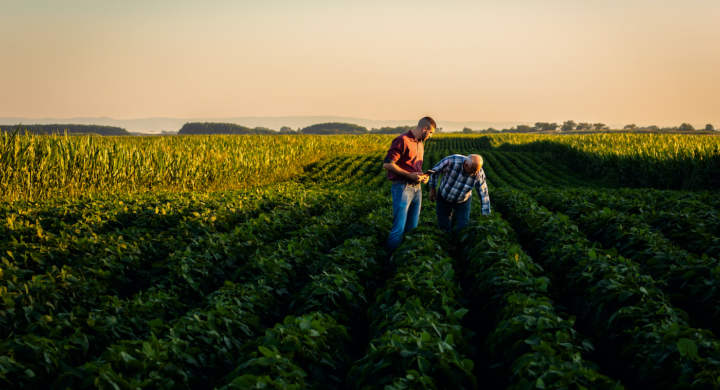 Interview
Enforcing Fair Trade Deals for the Agriculture Industry
Interview
Enforcing Fair Trade Deals for the Agriculture Industry
 Dan Darling
President
Canadian Agri-Food Trade Alliance (CAFTA)
Dan Darling
President
Canadian Agri-Food Trade Alliance (CAFTA)
-
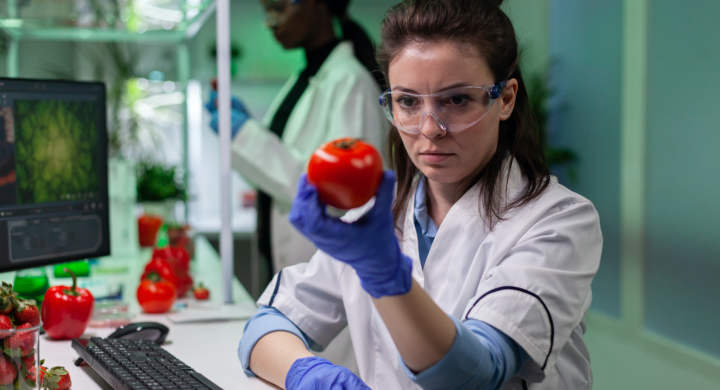 Video Interview
Engineering Biology in Agri-Food: Protecting Food Security and Sequestering Carbon
Video Interview
Engineering Biology in Agri-Food: Protecting Food Security and Sequestering Carbon
 Dr. Steven Webb
Executive Director and CEO
Global Institute for Food Security (GIFS)
Dr. Steven Webb
Executive Director and CEO
Global Institute for Food Security (GIFS)
-
 Spotlight Interview
Calgary: Driving Canadian Agtech Innovation
Spotlight Interview
Calgary: Driving Canadian Agtech Innovation
 Wilson Acton
Chief Commercial Officer
Verge
Wilson Acton
Chief Commercial Officer
Verge
-
 Spotlight Interview
Driving Innovation to Increase Agri-Food Products’ Value
Spotlight Interview
Driving Innovation to Increase Agri-Food Products’ Value
 Frank Hart
Chair of the Board
Protein Industries Canada (PIC)
Frank Hart
Chair of the Board
Protein Industries Canada (PIC)
-
 Video Interview
Attracting Investment to Regina & Saskatchewan
Video Interview
Attracting Investment to Regina & Saskatchewan
 John Lee
President & CEO
Economic Development Regina
John Lee
President & CEO
Economic Development Regina
-
 Spotlight Interview
Canada and Foreign Direct Investment’s Role in Feeding the Future
Spotlight Interview
Canada and Foreign Direct Investment’s Role in Feeding the Future
 Alanna Koch
Chair of the Board
Global Institute for Food Security (GIFS)
Alanna Koch
Chair of the Board
Global Institute for Food Security (GIFS)
-
 Spotlight Interview
Building Canada’s Sustainable Resource Future with Foreign Direct Investment
Spotlight Interview
Building Canada’s Sustainable Resource Future with Foreign Direct Investment
 Sarah Fedorchuk
VP Government & Public Affairs
Mosaic Company
Sarah Fedorchuk
VP Government & Public Affairs
Mosaic Company
-
 Spotlight Interview
Growing the Agri-Food Ecosystem and Next Level of Talent
Bill Greuel
CEO
Protein Industries Canada
Spotlight Interview
Growing the Agri-Food Ecosystem and Next Level of Talent
Bill Greuel
CEO
Protein Industries Canada
-
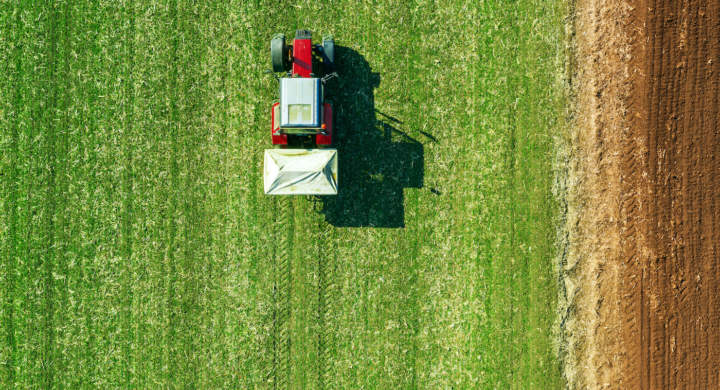 Video Interview
The Future of Canada’s Agriculture & Agri-food Sector
Video Interview
The Future of Canada’s Agriculture & Agri-food Sector
 Murad Al-Katib
President & CEO
AGT Food and Ingredients
Murad Al-Katib
President & CEO
AGT Food and Ingredients
-
 Spotlight Interview
Building the Global Future of Plant-Based Proteins
Spotlight Interview
Building the Global Future of Plant-Based Proteins
 Dominique Baumann
CEO
Roquette Canada
Dominique Baumann
CEO
Roquette Canada
-
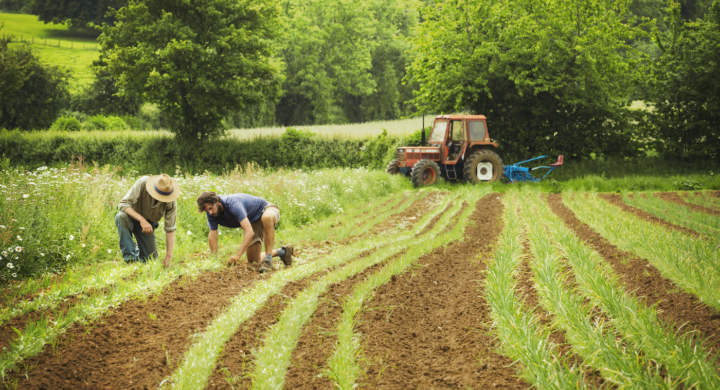 Interview
The Growth Economy: Keeping Canada Competitive in Agriculture
Interview
The Growth Economy: Keeping Canada Competitive in Agriculture
 David Dzisiak
Chief Operating Officer
Botaneco
David Dzisiak
Chief Operating Officer
Botaneco
-
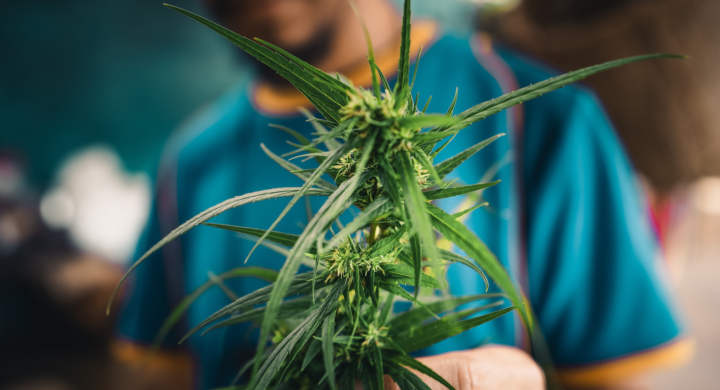 Interview
Canada Must Focus on Building Clusters of Expertise in Cannabis
Interview
Canada Must Focus on Building Clusters of Expertise in Cannabis
 Jennifer O’Donnell
Executive Director
BioNB
Jennifer O’Donnell
Executive Director
BioNB
-
 Spotlight Interview
First Movers’ Advantage: Head Start for Canadian Cannabis Manufacturing, Processing and Product Development
Spotlight Interview
First Movers’ Advantage: Head Start for Canadian Cannabis Manufacturing, Processing and Product Development
 Greg Engel
CEO
Organigram
Greg Engel
CEO
Organigram
-
Interview
Federal Leadership: The Missing Piece Desperately Needed to Solve Canada’s Cannabis Conundrum
 Ian Dawkins
Director
BC Micro License Association
Ian Dawkins
Director
BC Micro License Association
-
 Spotlight Interview
Industry-Research Alignment and Nimble Regulation to Maximize Canada’s Cannabis Advantage
Spotlight Interview
Industry-Research Alignment and Nimble Regulation to Maximize Canada’s Cannabis Advantage
 Meaghan Seagrave
President
1812 Hemp
Meaghan Seagrave
President
1812 Hemp
-
 Spotlight Interview
Balancing Cannabis Regulation and Economic Opportunity
Spotlight Interview
Balancing Cannabis Regulation and Economic Opportunity
 Stephen Lund
CEO
Opportunities New Brunswick
Stephen Lund
CEO
Opportunities New Brunswick
-
 Spotlight Interview
New Brunswick: Canada’s Ideal Cannabis Pilot Province
Spotlight Interview
New Brunswick: Canada’s Ideal Cannabis Pilot Province
 David Magee
Vice-President, Research
University of New Brunswick
David Magee
Vice-President, Research
University of New Brunswick
The Future of Agriculture in Canada
Agriculture in Canada is a cornerstone of the national economy, shaping rural communities, food systems across the country, and our export markets.. From grain farms on the Prairies to dairy operations in Quebec and Ontario, the sector is both diverse and deeply tied to Canada’s economic future.
As global demand for food rises and environmental pressures increase, agriculture in Canada is entering a period of transition. New technologies, shifting policies, and changing consumer expectations are redefining how food is produced, processed, and distributed.
Overview of Agriculture in Canada
Agriculture in Canada spans a wide range of products, regions, and production systems. The country’s size and climate create distinct agricultural zones, each with its own strengths.
The Prairie provinces dominate large-scale crop production. Wheat, canola, and barley are among Canada’s most important exports. These crops are grown at scale and play a major role in global food supply.
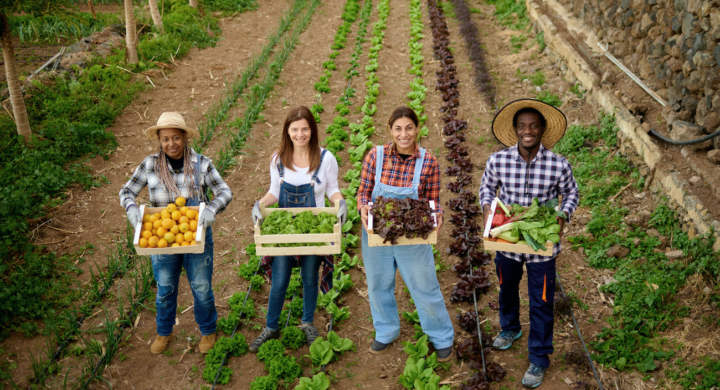
Central Canada has a more mixed agricultural system. Ontario and Quebec lead in dairy, poultry, and livestock, as well as fruits and vegetables. These regions are also home to much of Canada’s food processing industry.
In Western Canada, British Columbia supports specialty agriculture, including vineyards, berries, and greenhouse production. Atlantic Canada contributes with seafood-linked agriculture and smaller-scale farming.
Key products in agriculture in Canada include:
- Wheat, canola, and barley
- Beef, pork, and poultry
- Dairy products
- Fruits and vegetables
- Specialty crops like pulses and berries
This diversity allows agriculture in Canada to serve both domestic markets and global demand.
The Economic Role of Agriculture in Canada
Agriculture in Canada is a major economic driver. It supports jobs, contributes to GDP, and plays a central role in exports.
The sector is part of a broader agri-food system that includes processing, transportation, and retail. Together, these industries generate significant economic activity across the country.
Exports are especially important. Canada is one of the world’s largest exporters of agricultural products, with key markets in the United States, China, and other parts of Asia. Grain, oilseeds, and meat products are among the top exports.
Agriculture also supports rural economies. In many regions, farming and related industries are the main source of employment and local income.
At the same time, the sector faces cost pressures. Inputs such as fuel, fertilizer, and equipment have become more expensive, affecting margins for producers.
Technology and Innovation in Agriculture
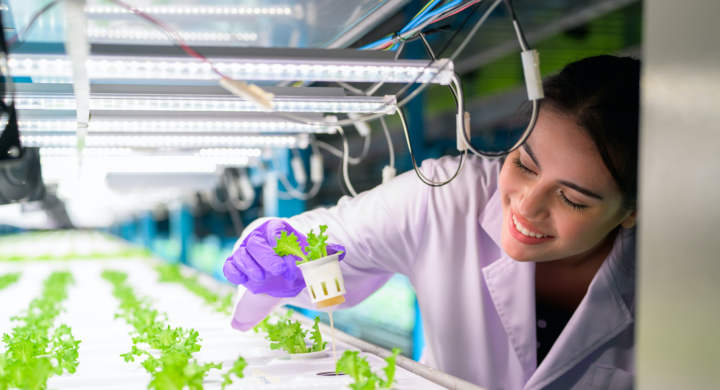
Technology is transforming agriculture in Canada. New tools and systems are improving efficiency, productivity, and decision-making.
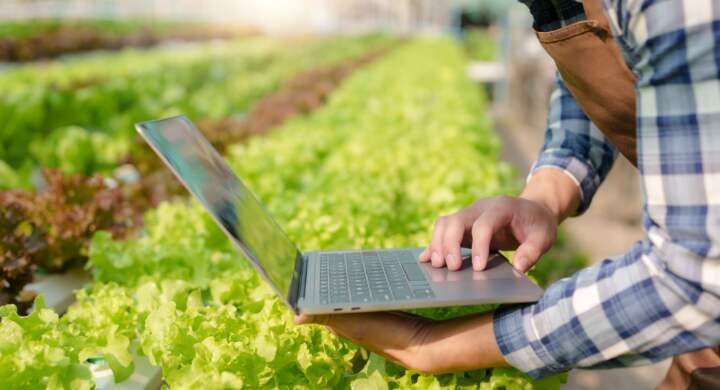
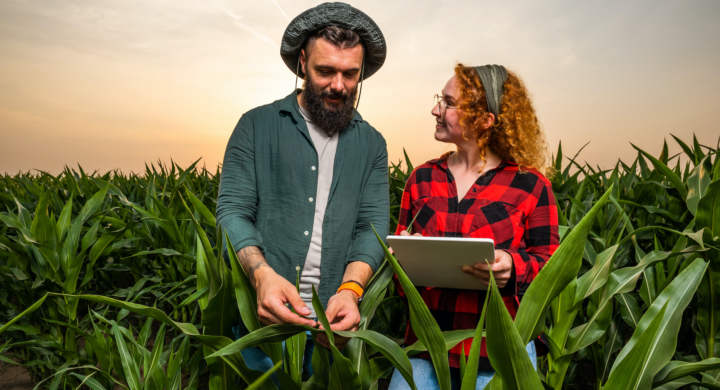
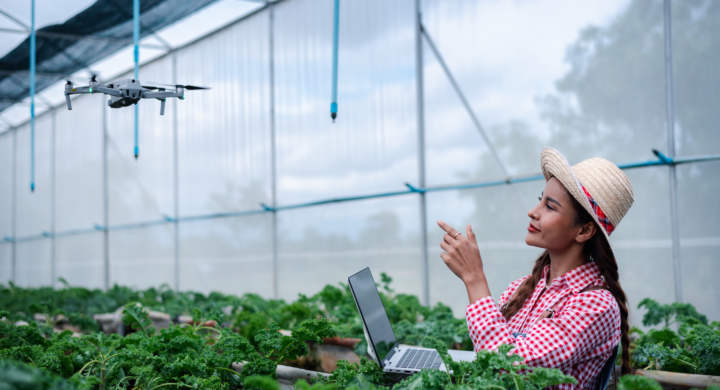
Precision agriculture is one of the most important developments. Canadian farmers now use GPS, sensors, and data analytics to manage crops more accurately. This reduces waste and improves yields.
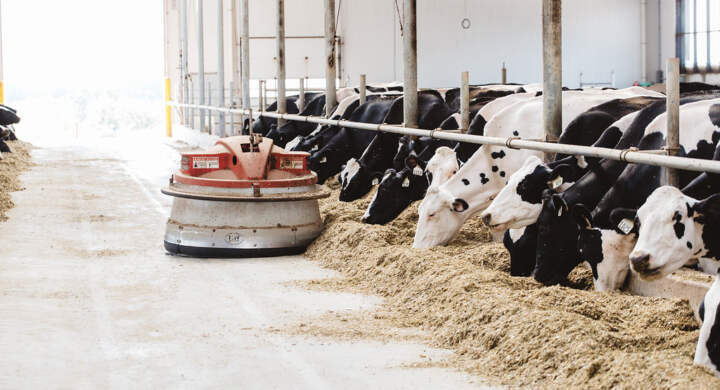
Automation is also growing. From robotic milking systems to autonomous machinery, farms are becoming more advanced and less labour-intensive.
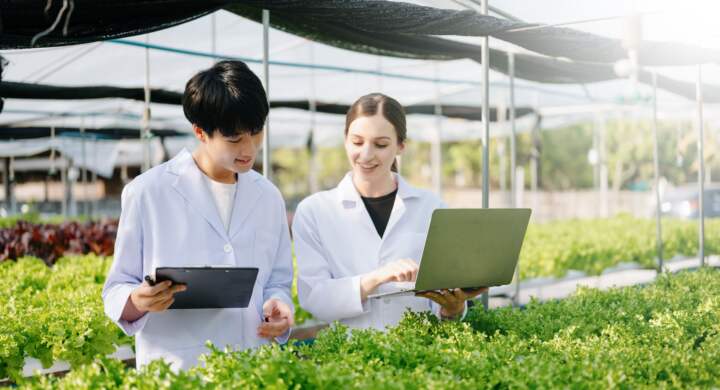
AgTech is expanding beyond the farm. Innovations in food processing, supply chains, and biotechnology are changing how agricultural products are developed and delivered.
These advances are helping agriculture in Canada remain competitive, but they also require investment and new skills.
Policy and Regulation
Policy plays a central role in shaping agriculture in Canada. Governments at the federal and provincial levels influence everything from trade to environmental standards.
Trade policy is especially important. Access to international markets allows Canadian producers to sell their products globally. Agreements and disputes can have a direct impact on prices and demand.
Supply management is another key feature. In sectors like dairy and poultry, production is controlled to stabilize prices and ensure consistent supply. This system remains a defining part of agriculture in Canada.
Environmental policies are also evolving. Farmers are facing increasing expectations to reduce emissions, protect soil, and manage water more efficiently. These requirements can add costs but also create opportunities for innovation.
Challenges Facing Agriculture in Canada
Agriculture in Canada faces several ongoing challenges that will shape its future.
Climate conditions are becoming less predictable. Droughts, floods, and extreme weather events can affect crop yields and livestock production. Farmers must adapt to these changes while maintaining productivity.
Labour shortages are another issue. Many farms rely on seasonal workers, and it can be difficult to find enough labour, especially in remote areas.
Cost pressures continue to rise. Inputs such as fertilizer, feed, and fuel have become more expensive, reducing profitability for many producers.
There are also supply chain challenges. Disruptions in transportation or global markets can affect how products move from farms to consumers.
Key challenges in agriculture in Canada include:
- Rising input costs and tight profit margins
- Labour shortages, especially in seasonal work
- Climate variability and extreme weather
- Supply chain disruptions and market volatility
These challenges require both policy responses and on-the-ground innovation.
Sustainability and the Future of Agriculture
Sustainability is becoming a central focus for agriculture in Canada. Producers are under pressure to reduce environmental impact while maintaining output.
Efforts are being made to improve soil health, reduce emissions, and manage water use more effectively. Practices such as crop rotation, reduced tillage, and precision input use are gaining traction.
There is also growing interest in carbon markets. Some farmers are exploring ways to generate revenue by storing carbon in soil or adopting lower-emission practices.
At the same time, consumer expectations are changing. There is increasing demand for transparency, traceability, and sustainable production methods.
Balancing productivity with environmental responsibility will be a key challenge moving forward.
Regional Strengths and Opportunities
Different regions offer unique opportunities for agriculture in Canada.
The Prairies will continue to lead in large-scale crop production and exports. Advances in crop science and precision farming could further improve yields.
Ontario and Quebec will remain central to livestock and food processing. These regions are well-positioned to benefit from growing domestic demand.
British Columbia has strong potential in high-value crops and greenhouse production. Its climate allows for year-round growing in some areas.
Atlantic Canada has opportunities in niche markets and local food systems. Smaller-scale production can support regional economies and supply chains.
Each region contributes to the broader strength of agriculture in Canada.
The Future of Agriculture in Canada
The future of agriculture in Canada will depend on how the sector adapts to change. Technology, policy, and market demand will all play a role.
Innovation will be critical. From AgTech to new farming practices, the ability to improve efficiency and reduce costs will shape competitiveness.
Global demand for food is expected to grow. This creates opportunities for Canadian producers, especially in export markets.
At the same time, risks remain. Climate uncertainty, trade tensions, and cost pressures will continue to affect the sector.
Agriculture in Canada has a strong foundation. With the right balance of investment, policy support, and innovation, it can continue to grow and evolve.
Understanding agriculture in Canada provides insight into one of the country’s most important industries. As the sector changes, it will remain central to both the economy and the food systems that support it.