
How V2G Technology is the Key to a Sustainable Transport System

On November 26th, we celebrate World Sustainable Transport Day—a single day dedicated to recognizing and advancing global efforts in sustainable transport. However, this day should serve as more than just a one-off event; it must emphasize the urgency of transforming our transportation systems in line with SDG 12: Responsible Consumption and Production. While Transport Canada is working toward ambitious targets for zero-emission vehicles (ZEVs) across light-duty and medium-to-heavy-duty sectors, transportation still accounts for a quarter of Canada’s greenhouse gas emissions. Meeting these goals will require more changes and new innovations.
The Potential of V2G Technology
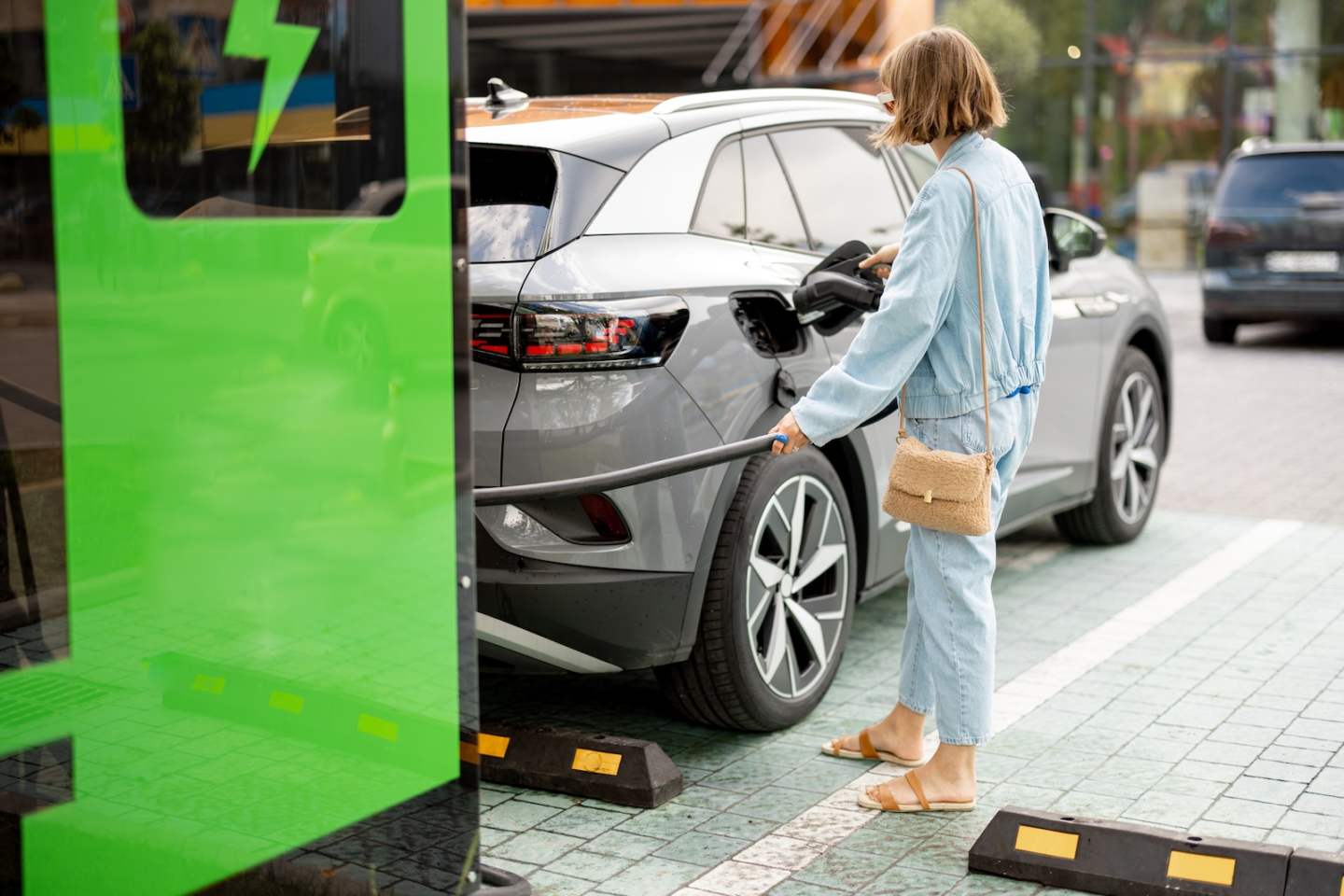
Vehicle-to-grid (V2G) technology is one of these innovations, offering Canada the opportunity to lead the shift toward sustainable transport. Projects like the one led by Fuse Power Management in British Columbia have already demonstrated V2G’s potential to reshape not only transportation but also the energy sector. V2G enables electric vehicles (EVs) to not only consume energy but also feed it back into the grid, turning fleets—such as buses and trucks—into mobile energy storage units. These vehicles can store renewable energy and discharge it during peak demand, stabilizing the grid and lowering operational costs.
“V2G enables electric vehicles (EVs) to not only consume energy but also feed it back into the grid, turning fleets—such as buses and trucks—into mobile energy storage units.”
Imagine thousands of heavy-duty trucks and buses, like those involved in pilot projects in British Columbia, contributing energy back to the grid. This transformation goes beyond reducing emissions; it enhances the reliability of our energy systems, turning vehicles into assets for energy infrastructure while creating new revenue streams for businesses. Additionally, fewer harmful emissions lead to significant healthcare savings, further showcasing the wide-ranging impact of V2G technology.
“By adopting V2G technology, Canada can accelerate its shift to clean energy while addressing the growing demand for electricity as more sectors electrify.”
Electric vehicle fleets are particularly well-suited for V2G integration because of their predictable availability. These vehicles can not only transport goods and people but also power homes and businesses during outages or periods of high demand. This dual functionality is especially valuable in remote and underserved areas where reliable energy is essential.
By adopting V2G technology, Canada can accelerate its shift to clean energy while addressing the growing demand for electricity as more sectors electrify. V2G provides a comprehensive solution to both transportation and energy challenges, which could significantly contribute towards Canada meeting our carbon reduction goals.
Charging Up V2G Innovations in Canada
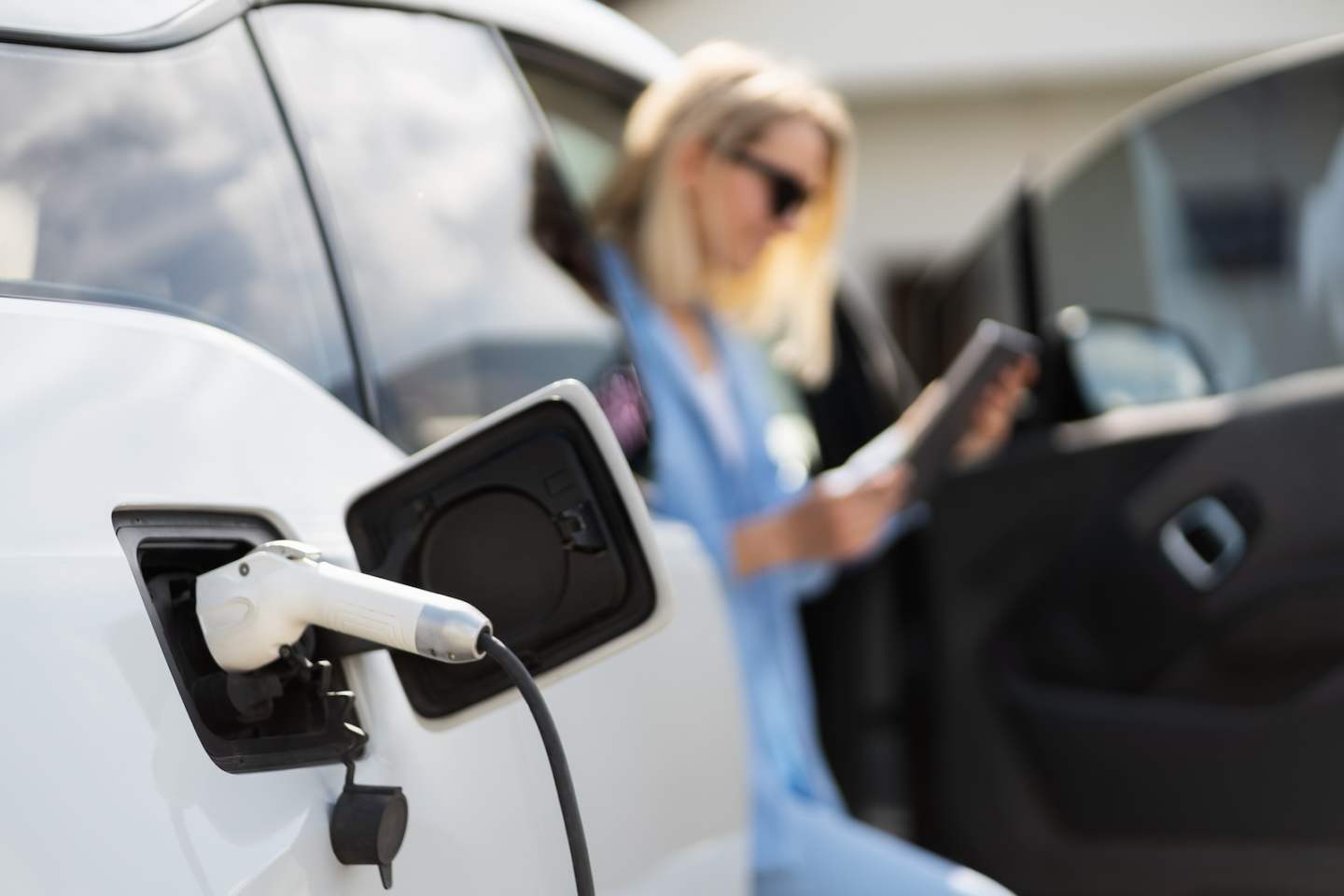
Government policies that incentivize bidirectional charging technology and promote investment in EV infrastructure will be critical to scaling V2G nationwide. Collaboration between energy providers, such as the one already underway with BC Hydro, EV manufacturers, and technology firms, will drive the necessary innovation to ensure Canada is ready to embrace a sustainable transportation future.
“Regulatory frameworks must be updated to allow the widespread use of bidirectional charging, and public awareness needs to grow so that consumers and businesses understand the benefits of V2G.”
This innovative solution, however, doesn’t come without its challenges. Regulatory frameworks must be updated to allow the widespread use of bidirectional charging, and public awareness needs to grow so that consumers and businesses understand the benefits of V2G. Moreover, the infrastructure required to support V2G—including charging stations and grid upgrades—must be scaled to meet demand.
By fostering cross-sector collaboration, Canada can unlock the full potential of V2G technology, ensuring a cleaner, more resilient future for generations to come. On this World Sustainable Transport Day, we can continue with business as usual, or we can seize the opportunity to lead the charge toward a greener, more resilient future.
Canada’s V2G-Powered Future
V2G technology is not just a tool for cleaner transportation—it’s a cornerstone of a decentralized and sustainable energy system. By scaling this technology, we can turn vehicles into assets that power our communities, reduce emissions, and improve our quality of life. The future is electric, resilient, and healthier. Now is the time to embrace V2G technology and drive Canada’s energy future toward a cleaner, more sustainable horizon.
-
 Advancing Sustainable Transportation in Canada Through Open Data Standards
 Heili Toome
Global Engagement Director
MobilityData
Heili Toome
Global Engagement Director
MobilityData
-
 What Does It Take to Fully Integrate Shared Mobility Services into Our Neighbourhoods?
 Venkatesh Gopal
CEO
movmi
Venkatesh Gopal
CEO
movmi
-
 Unlocking Mass EV Adoption: Why Home Charging is Canada’s Key Solution
 David Corbeil
Co-Founder and CEO
RVE
David Corbeil
Co-Founder and CEO
RVE
 Marie-Pier Corbeil
VP Operations and Co-Founder
RVE
Marie-Pier Corbeil
VP Operations and Co-Founder
RVE