
Digital Trust and Verification in Action: A Catalyst for Economic Prosperity

As Data Protection Day approaches, it’s an opportunity to remind Canadians of the importance of the connections between privacy control and data protection. In a fast-moving world where technologies like AI and models like consumer-directed finance are becoming the norm, we need secure and privacy-enhancing digital trust and verification services to protect data and determine authentic information from fake information.
Let’s face it—our personal and business data is everywhere. Information that used to be locked on paper now moves around the internet, fueling everything from social media accounts to banking apps. While this data revolution has opened massive possibilities, it’s also exposed people and organizations to risks we’re only beginning to understand. Moreover, our economic security depends on our ability to benefit from the ever-growing global digital economy. Analysts project its value will reach USD 16.5 trillion and capture 17% of global GDP by 2028.
Why Digital Trust and Verification Matter
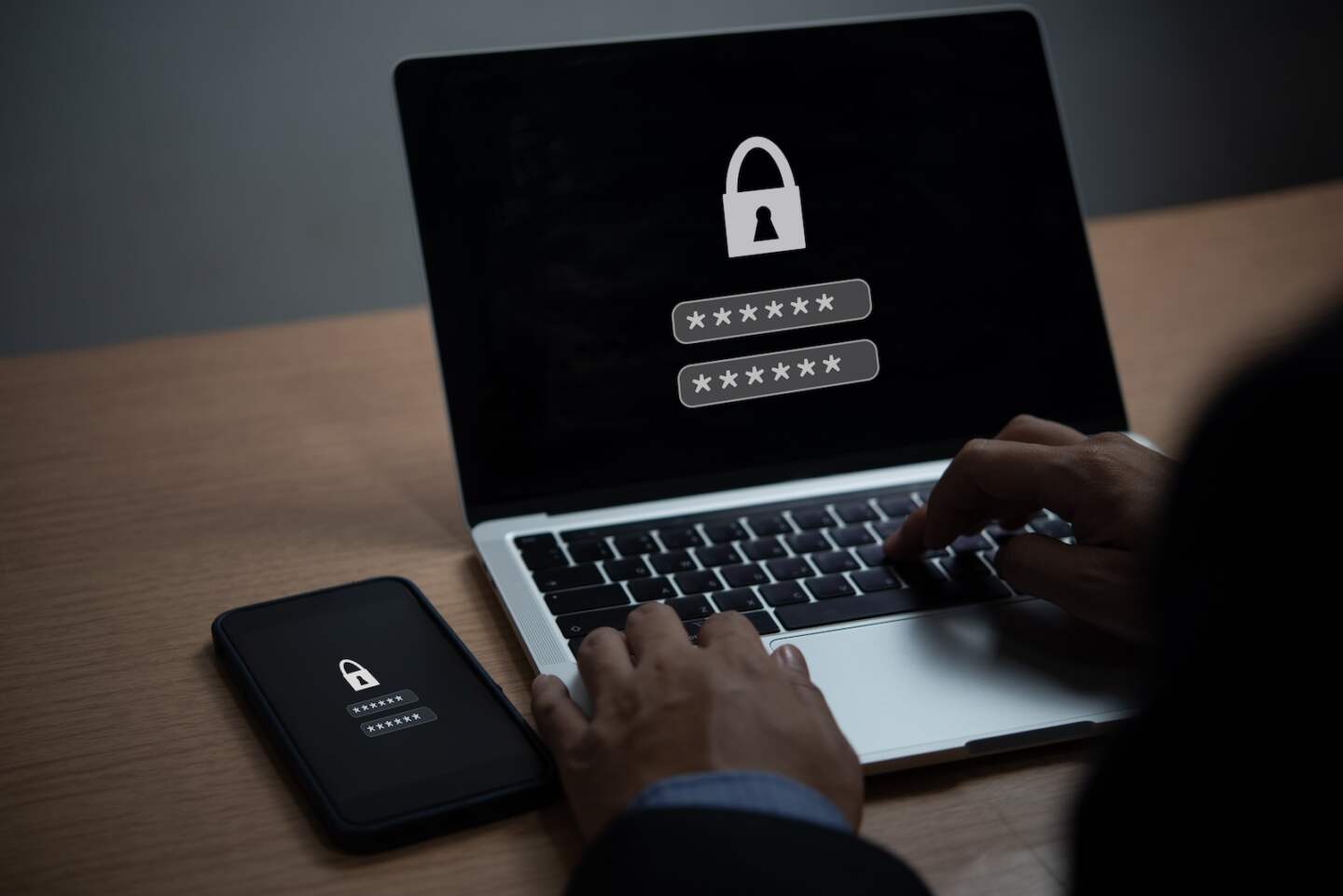
Given these technological and economic shifts, the benefits of digital trust and verification become clear. Digital credentials, wallets, and networks are tools for protecting personal information and controlling data. These technologies help us prove who we are and share only the necessary data without exposing our digital lives. The global digital identity solution market alone should grow from USD 42.12 billion in 2024 to USD 133.19 billion by 2030, reflecting the increasing importance of digital trust and verification.
Consider the economic potential of AI adoption. According to the government of Canada, the global AI market will reach USD 891 billion by 2028 and surpass USD 1 trillion by 2030. The Canadian AI market value was CAD 6.5 billion in 2023. With an anticipated annual growth rate of 33.9% from 2023 to 2028, its value will grow to CAD 28.2 billion by 2028.
“The global digital identity solution market alone should grow from USD 42.12 billion in 2024 to USD 133.19 billion by 2030, reflecting the increasing importance of digital trust and verification.”
Regarding protection, we must remember that AI is hungry for data, and today’s internet is becoming a nightmare of privacy and data protection without proper safeguards. Digital trust and verification offer solutions: People and organizations can share verified information with systems without compromising the privacy and security of their data.
Imagine you’re a client consulting an AI financial advisor. Instead of sharing your whole financial history, you could present a digital credential confirming you’re in an income bracket with a specific credit score range. The AI would receive what it needed to offer personalized advice, and you would keep your privacy and data protection intact.
The same goes for open banking. As Canadians start directing their financial institutions to share data for new services, clients need rock-solid verification systems to ensure services share their sensitive information only with explicit consent. Digital wallets can put that power directly in clients’ hands, letting them control what financial data institutions share and with whom.
The Importance of the Pan-Canadian Trust Framework™

At DIACC, we’ve developed the Pan-Canadian Trust Framework™ (PCTF) to help make this vision a reality. The PCTF is like a blueprint for implementing digital trust solutions, setting auditable criteria that help different systems work together while maintaining high security and privacy protection levels.
“We must be vigilant to ensure that digital trust and verification don’t become tools for surveillance or discrimination. We need ethics and transparency in service operation and governance.”
Let’s be clear: We must be vigilant to ensure that digital trust and verification don’t become tools for surveillance or discrimination. We need ethics and transparency in service operation and governance. We must also ensure that Canadians, regardless of their tech-savvy or economic status, can access and benefit from these protective technologies. Finally, we must ensure that these tools are voluntary and Canadians can continue using non-digital methods to manage their lives.
That’s why DIACC is committed to helping people and organizations realize the benefits of digital credentials, wallets, and networks in the global digital economy. These tools help us store and selectively share verified information, increasing privacy control and reducing the risks of data breaches and identity theft. They can also streamline processes that require us to hand over personal information, reducing the amount of sensitive data floating around.
Considering local economic impacts: Research estimates that unlocking trade between provinces could increase our GDP per capita by four percent. It also estimates that interprovincial trade barriers add between 7.8 and 14.5 percent to the price of goods and services. Digital trust and verification services can help businesses scale up while increasing trade opportunities and aligning with financial regulatory requirements.
Building a Secure Digital Future
This Data Protection Day, here’s my call to action: Adopt digital trust and verification services. Support the adoption of auditable criteria like the PCTF. Push for common sense education initiatives that help people understand and use these tools. And let’s work together—government, industry, and citizens—to build an innovative and secure digital future.
“Adopt digital trust and verification services. Support the adoption of auditable criteria like the PCTF. Push for common sense education initiatives that help people understand and use these tools.”
By embracing services that empower people to control their data, we can create a digital ecosystem that respects privacy, drives innovation, and builds confidence in our increasingly digital world.
Canada must lead the way in digital trust. Let’s work together to make it happen.
-
 How AI Can Usher in a New Era of Privacy and Trust
 Hesham Fahmy
Chief Information Officer
TELUS
Hesham Fahmy
Chief Information Officer
TELUS
-
 Protecting the Fundamental Right to Privacy in the Digital Age
 Philippe Dufresne
Privacy Commissioner of Canada
Philippe Dufresne
Privacy Commissioner of Canada
-
 Bridging the Digital Divide: Canada’s Path to Become a Global Digital Transformation Leader
 Sam Jenkins
Co-Founder and Managing Partner
Punchcard
Sam Jenkins
Co-Founder and Managing Partner
Punchcard