
The Canadian Food Economy’s Best Defence Against Tariffs is Adopting Tech
Dana McCauley argues that Canada’s best defence against rising trade tariffs is not growing more food—but scaling foodtech innovation to build a resilient, self-sufficient, and competitive food economy.

For decades, Canada’s food economy has rested on the stability of one of the most cooperative and mutually beneficial international trade relationships the world has ever known. But that stability is gone. A chaotic, unpredictable trade war instigated by the United States has exposed how dependent we’ve become on a single market, one we can no longer trust to remain open and reliable.
The recent volley of punitive tariffs threatens Canadian food businesses and consumers, driving up costs and putting jobs at risk. Worse, the tariffs have made it clear that our food security is not fully in our hands. As long as we rely on others to process, distribute, and supply our food, we remain vulnerable to forces beyond our control.
The solution isn’t producing more food. The countries leading the way in building self-sufficient, secure, and high-value food economies often aren’t the ones with the most farmland or the most favourable agricultural climates. Rather, they are investing in transformative foodtech to maximize food system resiliency. Canada has the potential to do the same, but we are failing to act at the scale required to make this transformation a reality.
Foodtech as the Key to Self-Sufficiency and Sector Growth
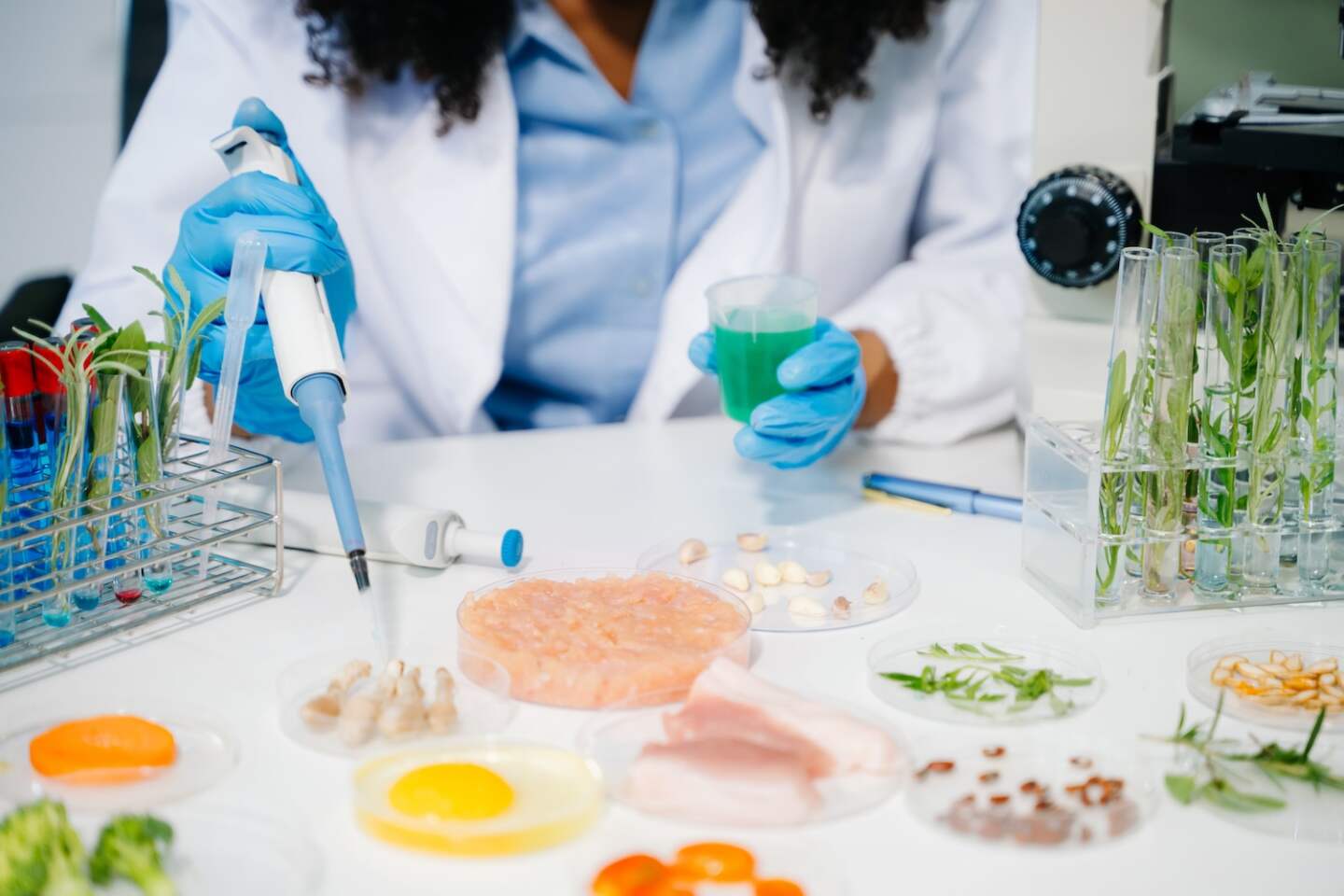
Five years ago, Canadian food companies had to search globally for technology partners and solutions. Today, Canada has emerged as a hidden gem for foodtech innovation. CFIN’s recently released Foodtech in Canada: 2025 Ecosystem Report confirms this transformation through interviews with industry leaders, manufacturers, investors, and researchers across the country. The report paints a picture of a rapidly maturing sector that’s beginning to attract global attention despite persistent challenges.
“Technology adoption enables Canadian companies to add value domestically rather than exporting raw commodities to the US and importing finished goods at a premium.”
This emerging dynamism shows what’s possible when we commit to developing our own technological capabilities. The success we’re seeing demonstrates how technology adoption enables Canadian companies to add value domestically rather than exporting raw commodities to the US and importing finished goods at a premium. Process automation through robotics and AI is reshaping food production by mitigating industry labour shortages and maximizing efficiency—critical advantages in a trade war.
Canadian innovators are also leading in food waste reduction technologies that transform food scraps and agricultural by-products into high-value ingredients and the creation of plant-based protein products. These innovations reduce dependency on imports while creating new export opportunities for Canadian businesses.
Breaking the Barriers to Scaling Canadian Foodtech
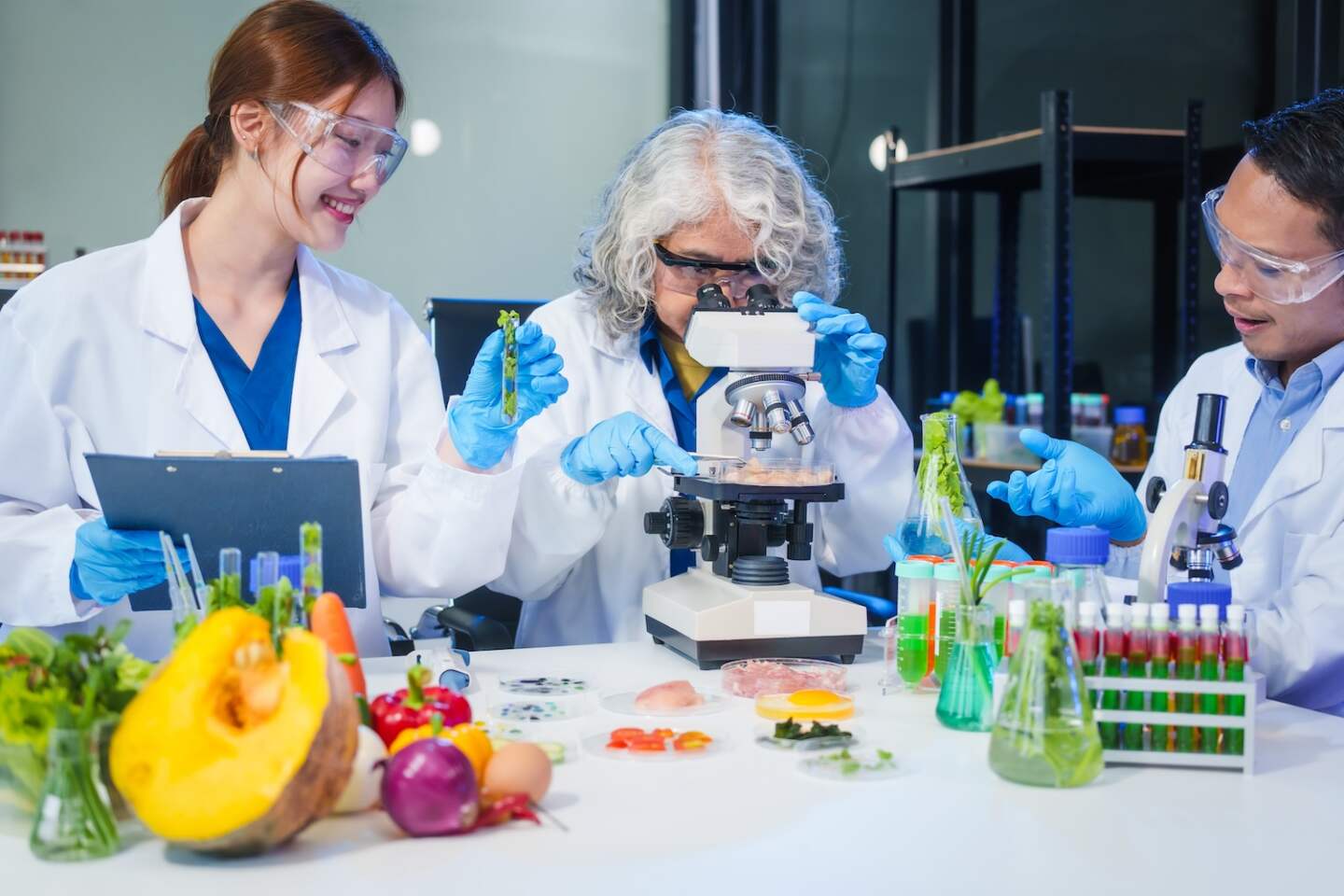
Despite these promising developments, our report identifies significant challenges in scaling foodtech. Between 2018 and 2024, Canada attracted just $1.6 billion (USD) in foodtech investment, compared to $8.8 billion in the U.K. and $86.6 billion in the US. Even more concerning, only 14% of Canadian foodtech investment supports later-stage companies—far below the 38% in the U.K. and 49% in the U.S.
“Between 2018 and 2024, Canada attracted just $1.6 billion (USD) in foodtech investment, compared to $8.8 billion in the U.K. and $86.6 billion in the US.”
This funding gap means many Canadian foodtech innovators get stuck spinning their wheels in the startup stage, unable to commercialize their innovations at scale. The result is an erosion of intellectual property, economic opportunity, and the innovation capacity of the wider sector.
Food manufacturers also struggle to adopt new technology. Most Canadian food manufacturers are small businesses with fewer than 10 employees, making it difficult to invest in transformative foodtech advancements. Without access to capital or incentives to upgrade their operations, these businesses are left using inefficient processes that drive up costs and make them less productive.
Building a Stronger, Self-Sufficient Food Economy
Put simply, Canada’s foodtech innovators struggle to scale, and our food businesses struggle to adopt new foodtech solutions. Interprovincial trade barriers and a fragmented national foodtech ecosystem make the situation worse, further slowing the adoption and commercialization of Canadian-made food innovations—which exacerbates our dependence on international trading partners to feed ourselves.
“A dedicated technology adoption fund, modelled after the Canada Digital Adoption Program, would help integrate AI, robotics, and automation technologies across the food sector.”
Prioritizing foodtech innovation and adoption is our best shot to break free of this dependency and create a more self-sufficient and resilient Canadian food economy. These three critical actions would help us do that:
- Introduce targeted technology adoption incentives for food manufacturers. A dedicated technology adoption fund, modelled after the Canada Digital Adoption Program, would help integrate AI, robotics, and automation technologies across the food sector. For the many small food businesses that form the backbone of our industry, this support could be the difference between stagnation and growth.
- Expand tax incentives for late-stage foodtech investment. Canada should expand the co-investment incentives available to large institutional investors and corporate VCs willing to fund late-stage foodtech startups. By de-risking investments with matching funds and tax credits, we can help the food industry invest in itself and bring more growth-stage capital into the ecosystem to help close the critical late-stage funding gap and get more essential foodtech solutions to market.
- Strengthen digital connectivity to unify Canada’s food sector. Canada’s food sector is deeply fragmented, hindered by geography, interprovincial trade barriers, regulatory differences, and uneven access to funding and expertise. YODL, CFIN’s online community of over 6,500 food business professionals from across Canada (and beyond), is demonstrating how digital connectivity can break down these barriers by fostering interprovincial collaboration to catalyze national economic growth. Expanding and strengthening digital networks will accelerate foodtech partnerships, streamline knowledge-sharing, and keep intellectual property and investment in Canada, building a more competitive and self-sufficient food sector.
“Expanding and strengthening digital networks will accelerate foodtech partnerships, streamline knowledge-sharing, and keep intellectual property and investment in Canada.”
A New Era for Canada’s Food Economy
Make no mistake: a prolonged trade war with the United States would be disastrous for Canada. If anything positive can be made from this situation, it is that these tariffs have helped Canadians recognize the urgent imperative for wresting our nation’s food security squarely into our own hands.
It is now our responsibility to use this precarious moment as a catalyst for transforming Canada’s food economy. With world-class agricultural outputs, top-tier research institutions, and a burgeoning foodtech sector, Canada has all the pieces it needs to make the most of this crisis. But we need policymakers to take ambitious and decisive action to provide the infrastructure, funding mechanisms, and policy environment needed to complete the puzzle. Investing in foodtech innovation will do more than help us win this trade war—it will help us build a food economy that is more resilient, more competitive, and more Canadian along the way.
About the Expert
-

Dana McCauley is CEO of the Canadian Food Innovation Network (CFIN). She previously led Food Starter (earning an Ontario Premier’s Award), directed new venture creation at the University of Guelph, and is a veteran food writer, trend commentator, and product innovator.
See more
-
 To Feed the Future, Canada Must Broaden Its Definition of Food Innovation
 Tenille Bonoguore
Strategic Initiatives Lead
Arrell Food Institute
Tenille Bonoguore
Strategic Initiatives Lead
Arrell Food Institute
 Pauline Cripps
Community Food Lead
Arrell Food Institute
Pauline Cripps
Community Food Lead
Arrell Food Institute
 Evan Fraser
Executive Director
Arrell Food Institute
Evan Fraser
Executive Director
Arrell Food Institute
-
 On World Hunger Day, Hunger Is Still a Policy Choice
 Nick Saul
Co-Founder & CEO
Right to Food
Nick Saul
Co-Founder & CEO
Right to Food
-
 Canada Now Has Commercially Viable Food Security Solutions. Will We Scale Them Here?
 Benjamin Feagin Jr.
CEO
AgriTech North
Benjamin Feagin Jr.
CEO
AgriTech North