
The Future of AI in Canada: Trends, Challenges & What Comes Next
-
 Op-Ed
Canada’s Insurance Industry Has A Productivity Crisis. AI Can Cure It.
Op-Ed
Canada’s Insurance Industry Has A Productivity Crisis. AI Can Cure It.
 Jackson Fregeau
CEO & Co-Founder
Quandri
Jackson Fregeau
CEO & Co-Founder
Quandri
-
 Video Interview
Can AI Help Canada Build the Future of Life Sciences?
Video Interview
Can AI Help Canada Build the Future of Life Sciences?
 Handol Kim
Co-Founder & CEO
Variational AI
Handol Kim
Co-Founder & CEO
Variational AI
 Martin Enault
Chief Entrepreneur in Residence
Centech
Martin Enault
Chief Entrepreneur in Residence
Centech
 David D. Jones
Managing Director
Merck Canada
David D. Jones
Managing Director
Merck Canada
-
 Op-Ed
5 Priorities to Strengthen Home Care and Digital Care
Op-Ed
5 Priorities to Strengthen Home Care and Digital Care
 Adrian Schauer
Founder & CEO
AlayaCare
Adrian Schauer
Founder & CEO
AlayaCare
-
 Op-Ed
Adoption Is Not Adaptation: The Reskilling Wave Canada’s AI Strategy Leaves Out
Op-Ed
Adoption Is Not Adaptation: The Reskilling Wave Canada’s AI Strategy Leaves Out
 Tracey Taylor-O’Reilly
Founder
Promentus
Tracey Taylor-O’Reilly
Founder
Promentus
-
 Op-Ed
Canada’s Semiconductor Strategy: Are We Mistaking “Not Winning Everywhere” for “Not Competing at All”?
Op-Ed
Canada’s Semiconductor Strategy: Are We Mistaking “Not Winning Everywhere” for “Not Competing at All”?
 Glen Lougheed
CEO
Applied Post
Glen Lougheed
CEO
Applied Post
-
 Op-Ed
From Automation to Reinvention: Why Leaders Defining the Next Decade Are Prioritizing AI Platforms and People
Op-Ed
From Automation to Reinvention: Why Leaders Defining the Next Decade Are Prioritizing AI Platforms and People
 Brian Solis
Head of Global Innovation
ServiceNow
Brian Solis
Head of Global Innovation
ServiceNow
-
 Op-Ed
Canada’s Competitiveness Depends on Building AI‑First Business Models
Op-Ed
Canada’s Competitiveness Depends on Building AI‑First Business Models
 Rob Wilmot
General Manager
IBM Consulting Canada
Rob Wilmot
General Manager
IBM Consulting Canada
-
 Op-Ed
Canada’s Defence Procurement Strategy Must Build More Than Military Capability
Op-Ed
Canada’s Defence Procurement Strategy Must Build More Than Military Capability
 Adam Froman
Founder & CEO
Delvinia
Adam Froman
Founder & CEO
Delvinia
-
 Op-Ed
Canada’s Tech Future Depends On What We Do Next
Op-Ed
Canada’s Tech Future Depends On What We Do Next
 Kevin d’Entremont
President & CEO
TECHNATION
Kevin d’Entremont
President & CEO
TECHNATION
-
 Op-Ed
Canada’s AI Ecosystem Is Ready to Compete. Now Let’s Build to Win
Op-Ed
Canada’s AI Ecosystem Is Ready to Compete. Now Let’s Build to Win
 Rachel Zimmer
Co-Founder & CEO
Simple Ventures
Rachel Zimmer
Co-Founder & CEO
Simple Ventures
 Lucy Hargreaves
Co-Founder & CEO
Build Canada
Lucy Hargreaves
Co-Founder & CEO
Build Canada
-
 Op-Ed
Canada’s AI Infrastructure: The Economic Case for Building at Home
Op-Ed
Canada’s AI Infrastructure: The Economic Case for Building at Home
 Rahul Krishnan
Canada CIFAR AI Chair
Vector Institute
Rahul Krishnan
Canada CIFAR AI Chair
Vector Institute
-
 Op-Ed
How AI for Patent Analysis Can Help Canada Turn Innovation into Revenue
Op-Ed
How AI for Patent Analysis Can Help Canada Turn Innovation into Revenue
 Yulia Druzhnikova
CEO & Co-Founder
PioneerIP
Yulia Druzhnikova
CEO & Co-Founder
PioneerIP
-
 Op-Ed
Fiduciary-Grade AI: Unlocking Real ROI in Professional Services
Op-Ed
Fiduciary-Grade AI: Unlocking Real ROI in Professional Services
 David Wong
Chief Product Officer
Thomson Reuters
David Wong
Chief Product Officer
Thomson Reuters
-
 Op-Ed
Rethinking Youth Employment in the AI Era
Op-Ed
Rethinking Youth Employment in the AI Era
 Namir Anani
President and CEO
Information and Communications Technology Council (ICTC)
Namir Anani
President and CEO
Information and Communications Technology Council (ICTC)
-
 Op-Ed
AI Isn’t Killing Entry-Level Jobs. It’s Rewriting the Playbook
Op-Ed
AI Isn’t Killing Entry-Level Jobs. It’s Rewriting the Playbook
 Mark Dixon
CEO
International Workplace Group (IWG)
Mark Dixon
CEO
International Workplace Group (IWG)
-
 Op-Ed
How Agentic AI Will Redefine Work by Automating Decisions, Not Just Tasks
Op-Ed
How Agentic AI Will Redefine Work by Automating Decisions, Not Just Tasks
 Kevin Moore
CEO & Founder
Vooban
Kevin Moore
CEO & Founder
Vooban
-
 Op-Ed
AI Workforce Readiness: Turning AI Adoption Into Real Business Impact
Op-Ed
AI Workforce Readiness: Turning AI Adoption Into Real Business Impact
 Jayney Howson
Senior VP, Global Workforce Skills & Talent Readiness
ServiceNow
Jayney Howson
Senior VP, Global Workforce Skills & Talent Readiness
ServiceNow
-
 Op-Ed
Canada’s AI Strategy: Did the Government’s AI Consultation Miss the Hard Trade-Offs?
Op-Ed
Canada’s AI Strategy: Did the Government’s AI Consultation Miss the Hard Trade-Offs?
 Michael Geist
Canada Research Chair in Internet & E-Commerce Law
University of Ottawa
Michael Geist
Canada Research Chair in Internet & E-Commerce Law
University of Ottawa
-
 Op-Ed
Are Canadian Businesses Ready? AI and Competitiveness in a Tariff‑Driven Economy
Op-Ed
Are Canadian Businesses Ready? AI and Competitiveness in a Tariff‑Driven Economy
 Chandrashekar LSP
Managing Director
Zoho Canada
Chandrashekar LSP
Managing Director
Zoho Canada
-
 Op-Ed
Budget 2025’s AI Bet: $1 Billion for Infrastructure, Zero for the Women It Will Displace
Op-Ed
Budget 2025’s AI Bet: $1 Billion for Infrastructure, Zero for the Women It Will Displace
 Sarah Stockdale
Founder
Growclass
Sarah Stockdale
Founder
Growclass
-
 Op-Ed
Building Canada’s Future Economy Starts Before Kindergarten
Op-Ed
Building Canada’s Future Economy Starts Before Kindergarten
 Arno Krug
CEO
CEFA Early Learning
Arno Krug
CEO
CEFA Early Learning
-
 Op-Ed
Canadian Banks Must Power the Platform Economy, Not Just Participate In It
Op-Ed
Canadian Banks Must Power the Platform Economy, Not Just Participate In It
 Mike Cook
Head, Industry Advisors
Zafin
Mike Cook
Head, Industry Advisors
Zafin
-
 Op-Ed
AI Is Modernizing Canadian Healthcare. Legacy Tech Is Undermining It
Op-Ed
AI Is Modernizing Canadian Healthcare. Legacy Tech Is Undermining It
 Carl Rodrigues
President & CEO
SOTI
Carl Rodrigues
President & CEO
SOTI
-
 Op-Ed
Canada’s AI Strategy Is Missing Its Most Important Piece: Kids
Op-Ed
Canada’s AI Strategy Is Missing Its Most Important Piece: Kids
 Jessica Rizk
Senior Research Associate, Education and Skills
The Conference Board of Canada
Jessica Rizk
Senior Research Associate, Education and Skills
The Conference Board of Canada
-
 Op-Ed
Canada’s Defence AI Procurement Gap: From Pilots to Production
Op-Ed
Canada’s Defence AI Procurement Gap: From Pilots to Production
 Harold Dumur
CEO
OVA
Harold Dumur
CEO
OVA
-
 Op-Ed
Canada’s AI Blockbuster Moment: Why the Right Infrastructure Will Make or Break it
Op-Ed
Canada’s AI Blockbuster Moment: Why the Right Infrastructure Will Make or Break it
 Raj Juneja
President
Cisco Canada
Raj Juneja
President
Cisco Canada
-
 Op-Ed
Kicking Off 2026: Canada’s AI Task Force Has a Rare Chance to Lead With Confidence
Adam Froman
Founder & CEO
Delvinia
Op-Ed
Kicking Off 2026: Canada’s AI Task Force Has a Rare Chance to Lead With Confidence
Adam Froman
Founder & CEO
Delvinia
-
 Op-Ed
How Legal AI Can Strengthen Canada’s Economic Competitiveness
Op-Ed
How Legal AI Can Strengthen Canada’s Economic Competitiveness
 Mark Doble
Founder & CEO
Alexi
Mark Doble
Founder & CEO
Alexi
-
 Op-Ed
Dependable Flexibility: The Fastest Path to a Resilient Grid
Op-Ed
Dependable Flexibility: The Fastest Path to a Resilient Grid
 Farid Madhani
CFO
Peak Power
Farid Madhani
CFO
Peak Power
-
 Op-Ed
Canada’s Creative Renaissance: A Call to Action for Agentic AI
Op-Ed
Canada’s Creative Renaissance: A Call to Action for Agentic AI
 Shahrzad Rafati
Founder & CEO
RHEI
Shahrzad Rafati
Founder & CEO
RHEI
-
 Op-Ed
What Does Identic AI Mean for Canada’s Future?
Op-Ed
What Does Identic AI Mean for Canada’s Future?
 Don Tapscott
Co-Founder & Executive Chairman
Blockchain Research Institute
Don Tapscott
Co-Founder & Executive Chairman
Blockchain Research Institute
-
 Op-Ed
Building Canada’s Technology Nation: The Urgency of Bold Investment
Op-Ed
Building Canada’s Technology Nation: The Urgency of Bold Investment
 Ha Nguyen
Partner
McRock Capital
Ha Nguyen
Partner
McRock Capital
-
 Op-Ed
From Hidden Cost to Strategic Value: Rethinking Water in the Age of AI
Op-Ed
From Hidden Cost to Strategic Value: Rethinking Water in the Age of AI
 Soula Chronopoulos
President
AquaAction
Soula Chronopoulos
President
AquaAction
-
 Op-Ed
Beyond Productivity: The Social Dividend of Canada’s Homegrown AI
Op-Ed
Beyond Productivity: The Social Dividend of Canada’s Homegrown AI
 Romel Dhalla
Corporate Director
JasperVOCAL
Romel Dhalla
Corporate Director
JasperVOCAL
-
 Op-Ed
The Future of Robotics in Canada: How to Emerge as a Leader
Op-Ed
The Future of Robotics in Canada: How to Emerge as a Leader
 James Wells
CEO
Sanctuary AI
James Wells
CEO
Sanctuary AI
-
 Op-Ed
Powering the Future: Sustainable AI Infrastructure as Canada’s Catalyst for Prosperity
Op-Ed
Powering the Future: Sustainable AI Infrastructure as Canada’s Catalyst for Prosperity
 Marc Mondesir
Managing Director
Equinix Canada
Marc Mondesir
Managing Director
Equinix Canada
-
 Op-Ed
Will Canada’s New Posture Meet AI’s New Frontier?
Op-Ed
Will Canada’s New Posture Meet AI’s New Frontier?
 Natalie Klym
VP, Strategic Initiatives
Radium
Natalie Klym
VP, Strategic Initiatives
Radium
-
 Op-Ed
Can AI Help Solve the Accounting Skills Gap?
Op-Ed
Can AI Help Solve the Accounting Skills Gap?
 Stephen Edginton
CPTO
Dext
Stephen Edginton
CPTO
Dext
-
 Op-Ed
Only a Revolution Will Solve Canada’s Healthcare Crisis
Op-Ed
Only a Revolution Will Solve Canada’s Healthcare Crisis
 Dr. Andrew Forde
Partner of Technology Strategy and AI-led Digital Transformation
KPMG
Dr. Andrew Forde
Partner of Technology Strategy and AI-led Digital Transformation
KPMG
-
 Op-Ed
Canada’s Innovation Moment Is Now. Here’s How We Lead It
Op-Ed
Canada’s Innovation Moment Is Now. Here’s How We Lead It
 Claudia Krywiak
President and CEO
Ontario Centre of Innovation (OCI)
Claudia Krywiak
President and CEO
Ontario Centre of Innovation (OCI)
-
 Op-Ed
Laying the Digital Rails for a Prosperous Canadian Future
Op-Ed
Laying the Digital Rails for a Prosperous Canadian Future
 Douglas Heintzman
Chief Catalyst
Blockchain Research Institute
Douglas Heintzman
Chief Catalyst
Blockchain Research Institute
-
 Op-Ed
The Future is Founder-Led: Canada’s Path to Global Innovation
Op-Ed
The Future is Founder-Led: Canada’s Path to Global Innovation
 Rachel Rodrigues
Program Director
EY Canada Entrepreneur Of The Year
Rachel Rodrigues
Program Director
EY Canada Entrepreneur Of The Year
-
 Op-Ed
Closing Canada’s Productivity Gap: Unlocking SME Potential Through Practical AI
Op-Ed
Closing Canada’s Productivity Gap: Unlocking SME Potential Through Practical AI
 Cinzia Bazzo
Managing Director
Sage Canada
Cinzia Bazzo
Managing Director
Sage Canada
-
 Op-Ed
Smarter Government Starts With AI, but Will It Better Serve Canadians?
Op-Ed
Smarter Government Starts With AI, but Will It Better Serve Canadians?
 Graham Dobbs
Senior Research Associate
Conference Board of Canada
Graham Dobbs
Senior Research Associate
Conference Board of Canada
-
 Op-Ed
AI for Grid as Canada’s New Superpower
Op-Ed
AI for Grid as Canada’s New Superpower
 Josh Wong
Founder & CEO
ThinkLabs AI
Josh Wong
Founder & CEO
ThinkLabs AI
-
 Op-Ed
Career Literacy in the Age of AI: Empowering Youth to Navigate the Future of Work
Op-Ed
Career Literacy in the Age of AI: Empowering Youth to Navigate the Future of Work
 Lisa Taylor
Founder and CEO
Challenge Factory
Lisa Taylor
Founder and CEO
Challenge Factory
-
 Op-Ed
Canada’s New AI Ministry is a Bold Commitment to Sector’s Homegrown Revolution
Op-Ed
Canada’s New AI Ministry is a Bold Commitment to Sector’s Homegrown Revolution
 Ryan Khurana
Contributor
Macdonald-Laurier Institute
Ryan Khurana
Contributor
Macdonald-Laurier Institute
-
 Op-Ed
In a Volatile Economy, Marketing (and Its Adoption of AI) Isn’t Optional. It’s Survival.
Op-Ed
In a Volatile Economy, Marketing (and Its Adoption of AI) Isn’t Optional. It’s Survival.
 Bernadette Butler
CEO and Co-Founder
StoryTap
Bernadette Butler
CEO and Co-Founder
StoryTap
-
 Op-Ed
Catalyzing Canada’s AI Advantage: Five Actions to Win the Global AI Race
Op-Ed
Catalyzing Canada’s AI Advantage: Five Actions to Win the Global AI Race
 Fatih Nayebi
Vice President, Data & AI
ALDO Group
Fatih Nayebi
Vice President, Data & AI
ALDO Group
-
 Op-Ed
Canada’s AI Moment: Time to Bet on Our Home Team
Op-Ed
Canada’s AI Moment: Time to Bet on Our Home Team
 Eric Duffy
Senior Director of Business Development
Tenstorrent
Eric Duffy
Senior Director of Business Development
Tenstorrent
-
 Op-Ed
How AI and Big Data Can Future-Proof Buildings Against Climate Risk
Op-Ed
How AI and Big Data Can Future-Proof Buildings Against Climate Risk
 Mike Williams
President and Co-Founder
ClimateFirst
Mike Williams
President and Co-Founder
ClimateFirst
-
 Op-Ed
The Next Revolution in AI Must Be an Industry-Wide Effort to Reduce Carbon Use
Op-Ed
The Next Revolution in AI Must Be an Industry-Wide Effort to Reduce Carbon Use
 Germain Masse
Product Lead of Artificial Intelligence and Data
OVHcloud
Germain Masse
Product Lead of Artificial Intelligence and Data
OVHcloud
-
 Op-Ed
How Artificial Intelligence Enhances Efficiency and Productivity in Business
Op-Ed
How Artificial Intelligence Enhances Efficiency and Productivity in Business
 Brian Veloso
Managing Director
SAP Concur Canada
Brian Veloso
Managing Director
SAP Concur Canada
-
 Op-Ed
Developing Accelerated Infrastructure for AI
Op-Ed
Developing Accelerated Infrastructure for AI
 Nizar Rida
Vice President of Engineering and Country Manager
Marvell Canada
Nizar Rida
Vice President of Engineering and Country Manager
Marvell Canada
-
 Op-Ed
What if Generative AI Signals Decline and Stagnation, Not a Productivity Boost?
Op-Ed
What if Generative AI Signals Decline and Stagnation, Not a Productivity Boost?
 Kean D. Birch
Director
Institute for Technoscience & Society
Kean D. Birch
Director
Institute for Technoscience & Society
-
 Video Interview
Advancing Toward Canada’s Health AI Revolution
Video Interview
Advancing Toward Canada’s Health AI Revolution
 Laurent Tillement
Director Partnerships, AI & Health
Mila - Quebec AI Institute
Laurent Tillement
Director Partnerships, AI & Health
Mila - Quebec AI Institute
 Ryan MacDonald
Director of Health AI Implementation
Vector Institute
Ryan MacDonald
Director of Health AI Implementation
Vector Institute
 Justin Mallet
Healthcare System Partner
Roche Canada
Justin Mallet
Healthcare System Partner
Roche Canada
-
 Op-Ed
How AI Can Usher in a New Era of Privacy and Trust
Op-Ed
How AI Can Usher in a New Era of Privacy and Trust
 Hesham Fahmy
Chief Information Officer
TELUS
Hesham Fahmy
Chief Information Officer
TELUS
-
 Op-Ed
From AI Hype to Real-World Results: 3 Steps for Canadian Leaders
Op-Ed
From AI Hype to Real-World Results: 3 Steps for Canadian Leaders
 Brandon Roberts
Group Vice President of People Analytics and AI
ServiceNow
Brandon Roberts
Group Vice President of People Analytics and AI
ServiceNow
-
 Op-Ed
Canada Needs Nuclear Energy to Meet the AI Moment
Op-Ed
Canada Needs Nuclear Energy to Meet the AI Moment
 Joe St-Julian
President of Nuclear
AtkinsRéalis
Joe St-Julian
President of Nuclear
AtkinsRéalis
-
 Op-Ed
Future-Proofing Canadian Healthcare: From Discovery to Delivery
Op-Ed
Future-Proofing Canadian Healthcare: From Discovery to Delivery
 Bettina Hamelin
President
Innovative Medicines Canada (IMC)
Bettina Hamelin
President
Innovative Medicines Canada (IMC)
-
 Op-Ed
The Demand for Data Centres is an Opportunity to Fuel a Sustainable AI Future
Op-Ed
The Demand for Data Centres is an Opportunity to Fuel a Sustainable AI Future
 Jim Kalogiros
Vice President, Secure Power
Schneider Electric
Jim Kalogiros
Vice President, Secure Power
Schneider Electric
-
 Op-Ed
Invest in AI to Boost Canadian Productivity: The Why and the How
Op-Ed
Invest in AI to Boost Canadian Productivity: The Why and the How
 Harry Blum
National Managing Partner
RSM Canada
Harry Blum
National Managing Partner
RSM Canada
-
 Op-Ed
AI in Canada: Shifting from Innovation to Implementation
Op-Ed
AI in Canada: Shifting from Innovation to Implementation
 Chris Walker
CEO
Untether AI
Chris Walker
CEO
Untether AI
-
 Op-Ed
Unlocking Canada’s Potential: Embracing AI for a New Era of Productivity
Op-Ed
Unlocking Canada’s Potential: Embracing AI for a New Era of Productivity
 Sabrina Geremia
VP & Country Managing Director
Google Canada
Sabrina Geremia
VP & Country Managing Director
Google Canada
-
 Op-Ed
AI General-Purpose Robots are the Future of Canada’s Workforce
James Wells
CEO
Sanctuary AI
Op-Ed
AI General-Purpose Robots are the Future of Canada’s Workforce
James Wells
CEO
Sanctuary AI
-
 Op-Ed
Generative AI Can Boost Canada’s Productivity. Responsible Adoption is Key
Op-Ed
Generative AI Can Boost Canada’s Productivity. Responsible Adoption is Key
 Chris Barry
President
Microsoft Canada
Chris Barry
President
Microsoft Canada
 David Morgenstern
President
Accenture Canada
David Morgenstern
President
Accenture Canada
-
 Op-Ed
AI and the Electric Grid: Friends or Foes?
Josh Wong
Founder & CEO
ThinkLabs AI
Op-Ed
AI and the Electric Grid: Friends or Foes?
Josh Wong
Founder & CEO
ThinkLabs AI
-
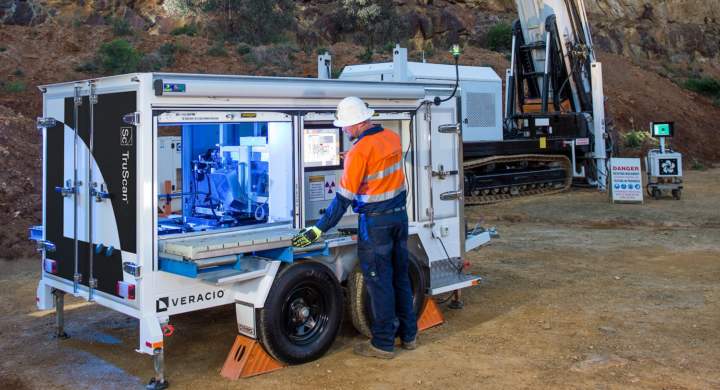 Op-Ed
The Role of AI in Mining: Accelerating Critical Mineral Exploration for the Energy Transition
Op-Ed
The Role of AI in Mining: Accelerating Critical Mineral Exploration for the Energy Transition
 JT Clark
Chief Executive Officer
Veracio
JT Clark
Chief Executive Officer
Veracio
-
 Op-Ed
The Canadian AI Arms Race: How to Battle Cybercrime in a New Era
Op-Ed
The Canadian AI Arms Race: How to Battle Cybercrime in a New Era
 Mary Ann Yule
President and CEO
HP Canada
Mary Ann Yule
President and CEO
HP Canada
-
 Op-Ed
How Canada Can Win in AI: Adopting the Silicon Valley Treatment
Op-Ed
How Canada Can Win in AI: Adopting the Silicon Valley Treatment
 Patricia Thaine
Co-Founder & CEO
Private AI
Patricia Thaine
Co-Founder & CEO
Private AI
-
 Op-Ed
Ensuring Canada’s Leading Role in AI-Driven Biotech
Op-Ed
Ensuring Canada’s Leading Role in AI-Driven Biotech
 Petrina Kamya
Head of AI Platforms and President
Insilico Medicine Canada
Petrina Kamya
Head of AI Platforms and President
Insilico Medicine Canada
-
 Op-Ed
A Loon Call for Canada to Lead in Sustainable AI
Op-Ed
A Loon Call for Canada to Lead in Sustainable AI
 Sam Ramadori
CEO
Brainbox AI
Sam Ramadori
CEO
Brainbox AI
-
 Op-Ed
Canada’s Path to Global Leadership in Responsible AI
Op-Ed
Canada’s Path to Global Leadership in Responsible AI
 Nicole Janssen
Co-Founders and Co-CEO
AltaML
Nicole Janssen
Co-Founders and Co-CEO
AltaML
-
 Op-Ed
Assistive Technology: Canada’s Little-Known Opportunity
Op-Ed
Assistive Technology: Canada’s Little-Known Opportunity
 Eyra Abraham
Founder and CEO
Lisnen
Eyra Abraham
Founder and CEO
Lisnen
-
 Op-Ed
AI Will Benefit Workers. Government Must Speed Up Adoption
Op-Ed
AI Will Benefit Workers. Government Must Speed Up Adoption
 Philip Cross
Senior Fellow
Macdonald-Laurier Institute
Philip Cross
Senior Fellow
Macdonald-Laurier Institute
-
 Video Interview
AI Adoption: Getting Canada From Laggard to Leader
Video Interview
AI Adoption: Getting Canada From Laggard to Leader
 Eric Gales
Country Manager
AWS Canada
Eric Gales
Country Manager
AWS Canada
-
 Op-Ed
Harnessing AI to Address Canada’s Climate Transformation
Op-Ed
Harnessing AI to Address Canada’s Climate Transformation
 Laura Zizzo
Co-Founder and CEO
Manifest Climate
Laura Zizzo
Co-Founder and CEO
Manifest Climate
-
 Op-Ed
AI’s Environmental Harm: How to Reduce AI’s Energy Consumption
Op-Ed
AI’s Environmental Harm: How to Reduce AI’s Energy Consumption
 Arun Iyengar
CEO
Untether AI
Arun Iyengar
CEO
Untether AI
-
 Op-Ed
Canadian Businesses Need an AI Blueprint to Increase Adoption
Op-Ed
Canadian Businesses Need an AI Blueprint to Increase Adoption
 Deb Pimentel
General Manager, Technology
IBM Canada
Deb Pimentel
General Manager, Technology
IBM Canada
-
 Op-Ed
Upskilling in the Age of AI and Automation
Op-Ed
Upskilling in the Age of AI and Automation
 Chris Ellison
Vice President and General Manager
ServiceNow Canada
Chris Ellison
Vice President and General Manager
ServiceNow Canada
-
 Op-Ed
Can Canada Lead in Trustworthy AI?
Op-Ed
Can Canada Lead in Trustworthy AI?
 Andy Fillmore
Member of Parliament
Halifax
Andy Fillmore
Member of Parliament
Halifax
-
 Video Interview
How to Navigate the Risks and Rewards of the AI Revolution
Video Interview
How to Navigate the Risks and Rewards of the AI Revolution
 Sinead Bovell
Founder
WAYE
Sinead Bovell
Founder
WAYE
 David Birch
Director of Innovation
Consult Hyperion
David Birch
Director of Innovation
Consult Hyperion
 Sasha Krstic
President
Mastercard Canada
Sasha Krstic
President
Mastercard Canada
-
 Op-Ed
Canada Cannot Afford to be Complacent With Generative AI Risks
Op-Ed
Canada Cannot Afford to be Complacent With Generative AI Risks
 Ian Paterson
CEO
Plurilock
Ian Paterson
CEO
Plurilock
-
 Op-Ed
How A Canadian Tech Myth Can Drive Innovation
Op-Ed
How A Canadian Tech Myth Can Drive Innovation
 Bruce Qi
Founder and CEO
Launchpad Technologies
Bruce Qi
Founder and CEO
Launchpad Technologies
-
 Video Interview
Tech Modernization: AI, Cybersecurity, and Sustainability
Video Interview
Tech Modernization: AI, Cybersecurity, and Sustainability
 Dave McCann
President
IBM Canada
Dave McCann
President
IBM Canada
-
 Op-Ed
The Future of AI in Canada: Strategies for Our Governments and Companies
Op-Ed
The Future of AI in Canada: Strategies for Our Governments and Companies
 Abhay Gupta
CEO
Lunge Systems
Abhay Gupta
CEO
Lunge Systems
-
 Video Interview
Alberta and Canada’s AI-Driven Future
Nicole Janssen
Co-Founders and Co-CEO
AltaML
Video Interview
Alberta and Canada’s AI-Driven Future
Nicole Janssen
Co-Founders and Co-CEO
AltaML
 Cory Janssen
Co-Founders and Co-CEO
AltaML
Cory Janssen
Co-Founders and Co-CEO
AltaML
-
 Video Interview
The Future of Artificial Intelligence and Reinforcement Learning
Video Interview
The Future of Artificial Intelligence and Reinforcement Learning
 Richard Sutton
Chief Scientific Advisor and Professor
Alberta Machine Intelligence Institute (Amii) and University of Alberta
Richard Sutton
Chief Scientific Advisor and Professor
Alberta Machine Intelligence Institute (Amii) and University of Alberta
-
 Video Interview
AI-Assisted Genomic Modelling: Simulations in Bioengineering
Video Interview
AI-Assisted Genomic Modelling: Simulations in Bioengineering
 Dr. Radhakrishnan Mahadevan
Professor
University of Toronto
Dr. Radhakrishnan Mahadevan
Professor
University of Toronto
-
 Video Interview
Montreal as a Global Hub for Investment
Video Interview
Montreal as a Global Hub for Investment
 Stéphane Paquet
President & CEO
Montréal International
Stéphane Paquet
President & CEO
Montréal International
-
 Spotlight Interview
Investing in AI to Improve Healthcare
Spotlight Interview
Investing in AI to Improve Healthcare
 Geralyn Ochab
CEO
Imagia
Geralyn Ochab
CEO
Imagia
-
 Spotlight Interview
Montreal’s Health and AI Talent
Spotlight Interview
Montreal’s Health and AI Talent
 Daniel Cohen
Co-Founder & CEO
Valence Discovery
Daniel Cohen
Co-Founder & CEO
Valence Discovery
-
 Spotlight Interview
Montreal as a Hub for Health AI
Spotlight Interview
Montreal as a Hub for Health AI
 Christian Macher
Country President and Oncology General Manager
Novartis Canada
Christian Macher
Country President and Oncology General Manager
Novartis Canada
-
Spotlight Interview
Montreal Researchers Accelerating AI in Health
 Irina Rish
Associate Professor, Department of Computer Science and Operations Research / Core Member
Université de Montreal / Mila – Quebec AI Institute
Irina Rish
Associate Professor, Department of Computer Science and Operations Research / Core Member
Université de Montreal / Mila – Quebec AI Institute
-
 Video Interview
Lessons for Canada’s AI Scale-Ups
Video Interview
Lessons for Canada’s AI Scale-Ups
 Alexander Wong
Co-Founder
DarwinAI
Alexander Wong
Co-Founder
DarwinAI
-
 Spotlight Interview
The Importance of Partnerships for Scaling AI Startups
Spotlight Interview
The Importance of Partnerships for Scaling AI Startups
 Pape Wade
CEO & Co-Founder
Airudi
Pape Wade
CEO & Co-Founder
Airudi
-
 Spotlight Interview
The Lean Startup Mentality for Canada’s AI Scale-Ups
Spotlight Interview
The Lean Startup Mentality for Canada’s AI Scale-Ups
 Naysan Saran
Co-Founder & CEO
CANN Forecast
Naysan Saran
Co-Founder & CEO
CANN Forecast
-
 Video Interview
Continual Skills Development for Canadian Competitiveness in AI
Video Interview
Continual Skills Development for Canadian Competitiveness in AI
 Garth Gibson
President & CEO
Vector Institute
Garth Gibson
President & CEO
Vector Institute
-
 Spotlight Interview
Skills for the AI Generation
Spotlight Interview
Skills for the AI Generation
 Eirene Seiradaki
Director of Research Partnerships
Borealis AI & RBC Institute of Research
Eirene Seiradaki
Director of Research Partnerships
Borealis AI & RBC Institute of Research
-
 Spotlight Interview
Machine Learning’s Impact on the Future of Canada’s Workforce
Cory Janssen
Co-Founders and Co-CEO
AltaML
Spotlight Interview
Machine Learning’s Impact on the Future of Canada’s Workforce
Cory Janssen
Co-Founders and Co-CEO
AltaML
-
 Spotlight Interview
AI’s Impact on the Future of Canada’s Workforce
Spotlight Interview
AI’s Impact on the Future of Canada’s Workforce
 Prasad Garigipati
Head of Global AI Accelerator in Montreal
Ericsson
Prasad Garigipati
Head of Global AI Accelerator in Montreal
Ericsson
-
 Spotlight Interview
Cybersecurity: Both a Huge Risk and Opportunity
Spotlight Interview
Cybersecurity: Both a Huge Risk and Opportunity
 Benoît Dupont
Canada Research Chair in Cybersecurity
Université de Montréal
Benoît Dupont
Canada Research Chair in Cybersecurity
Université de Montréal
-
 Interview
Industry-Academia Collaboration for SMEs’ Successful Implementation of AI
Interview
Industry-Academia Collaboration for SMEs’ Successful Implementation of AI
 Debbie McKee Demczyk
Dean of the Office of Research Services, Innovation and Entrepreneurship
Durham College
Debbie McKee Demczyk
Dean of the Office of Research Services, Innovation and Entrepreneurship
Durham College
-
 Spotlight Interview
Canada Must Produce More AI-focused Students
Spotlight Interview
Canada Must Produce More AI-focused Students
 Joe Ritacca
Director of R&D
Precise ParkLink
Joe Ritacca
Director of R&D
Precise ParkLink
-
 Spotlight Interview
The Opportunity for Academia-Industry AI Collaboration
Spotlight Interview
The Opportunity for Academia-Industry AI Collaboration
 Ali Hirji
Project Manager
The AI Hub at Durham College
Ali Hirji
Project Manager
The AI Hub at Durham College
-
 Spotlight Interview
Government’s Role in Driving AI Implementation
Spotlight Interview
Government’s Role in Driving AI Implementation
 Jodie Wallis
Managing Director, Artificial Intelligence
Accenture
Jodie Wallis
Managing Director, Artificial Intelligence
Accenture
-
 Spotlight Interview
Canadian AI Tech: From R&D to Commercialization
Spotlight Interview
Canadian AI Tech: From R&D to Commercialization
 Claudia Krywiak
President & CEO
OCE
Claudia Krywiak
President & CEO
OCE
-
 Interview
Canadian Competitiveness: How Businesses and Governments Must Adapt
Interview
Canadian Competitiveness: How Businesses and Governments Must Adapt
 John Weigelt
National Technology Officer
Microsoft Canada
John Weigelt
National Technology Officer
Microsoft Canada
-
 Spotlight Interview
AI and Blockchain: Transforming the Canadian mining industry
Spotlight Interview
AI and Blockchain: Transforming the Canadian mining industry
 Fraser Buchan
Co-Founder
Tradewind Markets
Fraser Buchan
Co-Founder
Tradewind Markets
The Future of AI in Canada
Artificial intelligence has moved from a specialist technology to a national economic question.
The conversation is no longer whether AI will change Canada. It already is. The harder question is whether Canada will turn early research leadership into companies, industries, productivity gains, and long-term economic advantage.
Canada helped shape modern AI. Researchers here contributed foundational breakthroughs in machine learning and built institutions that attracted global attention. Yet being early does not guarantee being dominant.
The future of AI in Canada will depend less on invention and more on execution: commercial adoption, talent retention, infrastructure, regulation, energy, and whether Canadian organizations move quickly enough to create value at home.
Canada Helped Build the AI Era. Now It Needs to Capture More of the Value
Canada has long punched above its weight in AI research.
Institutions such as the Vector Institute, Mila, and Alberta Machine Intelligence Institute helped establish Canada as a global centre for machine learning research.
The country also benefited from internationally recognized figures, including Geoffrey Hinton and Yoshua Bengio, whose work contributed to advances in deep learning.
But research strength has not automatically translated into economic scale.
Canada produces world-class talent, yet many high-growth companies, investment dollars, and commercialization pathways still pull toward larger markets.
This creates a recurring challenge: can Canada become a place that not only develops AI but also builds globally competitive businesses around it?
For a broader look at Canadian innovation trends, explore: Future of Innovation in Canada
The Biggest Opportunity: Productivity
One of the strongest arguments for AI is productivity.
Canada has faced persistent productivity concerns for years. Many sectors continue to struggle with labour shortages, aging workforces, administrative burdens, and slower output growth relative to peer economies.
AI creates an opportunity to augment workers rather than simply replace them.
Examples already emerging include:
- Faster document and knowledge management
- Predictive maintenance in industrial operations
- AI-assisted software development
- Customer service automation
- Improved logistics and forecasting
- Administrative support in professional services
- Faster discovery cycles in life sciences
The greatest gains may not come from fully autonomous systems. Instead, organizations that combine human expertise with AI tools could see the largest improvements.
Read more: Future of Productivity in Canada
The Next AI Race Is Infrastructure
AI increasingly depends on infrastructure.
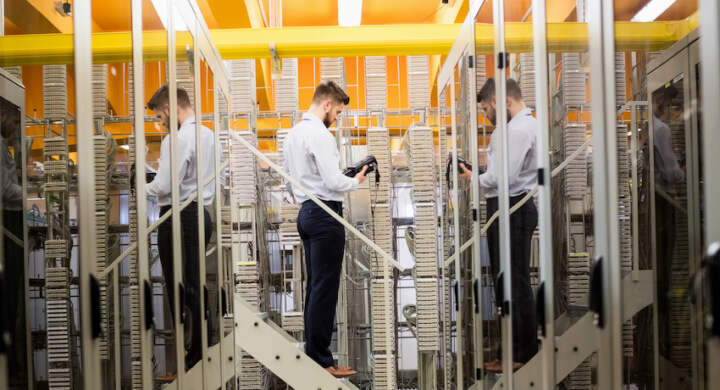
Training and deploying advanced systems requires computing power, data centres, networking capacity, and electricity. That means the future of AI is becoming connected to questions that once seemed unrelated to technology policy.
Can Canada build enough clean and reliable power?
Can permitting processes move quickly enough?
Can computing capacity remain affordable?
These questions matter because AI development increasingly follows access to energy and infrastructure.
Canada has advantages.
Its energy mix, colder climate, existing research ecosystem, and proximity to the United States create conditions that could support continued growth in AI infrastructure investment.
At the same time, competition is intensifying globally.
Talent May Become Canada’s Most Important AI Asset
Technology can move quickly. People move too.
Canada’s ability to attract and retain highly skilled workers remains one of its most valuable advantages.
That includes:
- Researchers
- Founders
- Engineers
- Domain experts
- Product leaders
- Technical operators
- Skilled workers applying AI within traditional industries
The future may belong less to countries with the most AI models and more to countries with the strongest systems for turning talent into outcomes.
This also means education and workforce development become economic priorities.
AI Adoption Is Becoming a Leadership Question
Technology adoption rarely fails because the technology itself is weak.
More often than not, organizations struggle with incentives, procurement, governance, culture, or uncertainty.
Canadian leaders increasingly face practical questions:
- Which processes should be automated?
- What should remain human-led?
- How should organizations measure value?
- How should risks be governed?
- When does waiting become more expensive than acting?
Early adoption does not always mean rushing.
But organizations that spend years studying AI without experimenting may find themselves competing against peers that have already built operational capability.
Trust, Governance, and Public Confidence Will Matter
AI growth depends on public trust.
Questions around privacy, transparency, bias, intellectual property, security, and accountability continue to shape adoption.
Strong governance frameworks can become competitive advantages rather than barriers.
Organizations that can demonstrate responsible use may find it easier to win customers, attract talent, and scale solutions.
Canada’s approach will likely continue balancing innovation with public confidence.
That balance may influence not only domestic growth, but also whether Canadian companies can compete internationally.
For additional reading: Government of Canada – Artificial Intelligence Strategy
What Does the Future of AI in Canada Look Like?
The next decade will likely determine whether Canada becomes:
- A global research hub
- A builder of AI-enabled industries
- A supplier of talent to other markets
- Or some combination of all three
The countries that benefit most from AI may not be those with the biggest headlines.
They may be the ones that quietly turn research into products, products into companies, and companies into long-term economic growth.
Canada already helped shape the AI era.
The next challenge is turning that early advantage into enduring prosperity.