
From Hidden Cost to Strategic Value: Rethinking Water in the Age of AI
Water is no longer just a utility. It underpins public health, climate resilience, and economic development.

Canada has long been seen as a water-rich nation. However, with climate change speeding up and digital infrastructure growing, that advantage is facing challenges. We must reconsider how we value and manage this vital resource, not just as an environmental concern, but as a strategic asset.
The Growing Water Footprint of AI and Data Infrastructure
“Water innovation is not just an environmental imperative; it’s an economic imperative and a matter of national security. “
In 2023, data centres in the US used roughly 17 billion gallons of water for cooling. Globally, that number is expected to rise dramatically to a trillion litres annually by 2028. Canada is part of this trend. With nearly 250 data centres and a surge in AI-driven infrastructure across provinces like Ontario, Quebec, and British Columbia, the demand for water-intensive cooling systems is growing, often in regions already facing climate-related water stress.
The pressure is real and immediate. Around the world, data centres are increasingly concentrated in areas where water is already in short supply. A single facility can draw millions of litres a day, competing with local needs and stretching municipal systems. And while the tech sector races ahead, the global water crisis continues to deepen. More than 2.2 billion people still lack access to drinking water, and climate change is making matters worse, intensifying droughts, triggering floods, and disrupting critical infrastructure.
Canada is not immune. From persistent boil water advisories in Indigenous communities to rising tensions over shared waters along the Canada-US border, the stakes are growing. In this context, water innovation is not just an environmental imperative; it’s an economic imperative and a matter of national security.
Innovation and the AquaHacking Great Lakes and St. Lawrence Binational 2026 Program
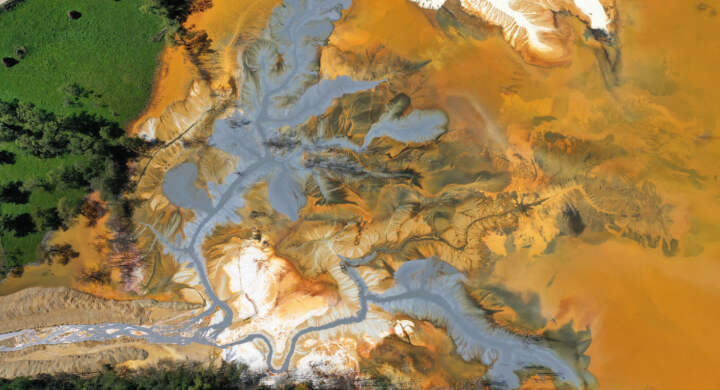
“Advanced nanotechnologies are even being tested to reclaim billions of litres of freshwater from mining waste, transforming environmental liabilities into opportunities for recovery and reuse.”
That’s where my organization’s AquaHacking Great Lakes and St. Lawrence Binational 2026 program comes in. It brings together young entrepreneurs, researchers, and changemakers from both sides of the border to tackle urgent water challenges. They are a launchpad for scalable technologies that address both environmental needs and geopolitical realities.
From technologies that remove toxic algae and prevent corrosion, to systems that restore water quality after wildfires, Canadian innovators are delivering strategic, scalable, and socially impactful solutions. Advanced nanotechnologies are even being tested to reclaim billions of litres of freshwater from mining waste, transforming environmental liabilities into opportunities for recovery and reuse.
Securing Canada’s Future Through Water Stewardship
“As Canada continues to invest in AI and digital infrastructure, we need to ensure water is part of the conversation.”
Canada’s ability to lead in freshwater stewardship, through technology, policy, and diplomacy, is not just about protecting ecosystems. It’s about securing our economic future, safeguarding vulnerable communities, and asserting influence in a region where water is increasingly politicized.
Water is no longer just a utility. It underpins public health, climate resilience, and economic development. As Canada continues to invest in AI and digital infrastructure, we need to ensure water is part of the conversation. The urgency is clear. What’s needed now is leadership. And Canada has the opportunity, and the responsibility, to lead this blue revolution. It requires bold political commitment, targeted investment, and a clear recognition of the central role water plays in our collective future.
The solutions are here. The innovators are primed and ready. Let’s get going.
About the Expert
-

Soula Chronopoulos is President of AquaAction, a Canadian organization focused on water innovation and entrepreneurship. Additional public biographical details about her education and prior career were not available at the time of this summary.
See more
-
 Canada’s Water Future: Climate Change, Water Security, and Sustainable Management
 John Pomeroy
Director
Global Water Futures Observatories
John Pomeroy
Director
Global Water Futures Observatories
-
 Beyond Silver Bullets: How We Solve Canada’s Wicked Problems Matters
 David Hughes
President & CEO
Generate Canada
David Hughes
President & CEO
Generate Canada
-
 Building a Strong Canada: Identifying Infrastructure Investments that Deliver More for Canadians
 Joanna Eyquem
Vice President
Climate Risk Institute
Joanna Eyquem
Vice President
Climate Risk Institute