
Why Indigenous Food Systems Are Canada’s Untapped Economic and Climate Advantage
Indigenous food systems are one of Canada’s most powerful yet overlooked solutions to the twin crises of food insecurity and climate change, and investing in them is key to building a resilient and inclusive future.

Canada is at a turning point. How we grow, distribute, and consume food is no longer just a matter of economics or efficiency—it’s a question of survival. Our current food system is showing its limits and risking leaving too many people behind, especially Indigenous communities who have been caretakers of this land for generations.
The path forward is clear—and long overdue. Indigenous food systems offer one of the most promising, yet overlooked, solutions to the twin crises of climate change and food insecurity. If we’re serious about building a better future, we can’t afford to keep these systems on the margins.
The Current Landscape: A Fragile Food System
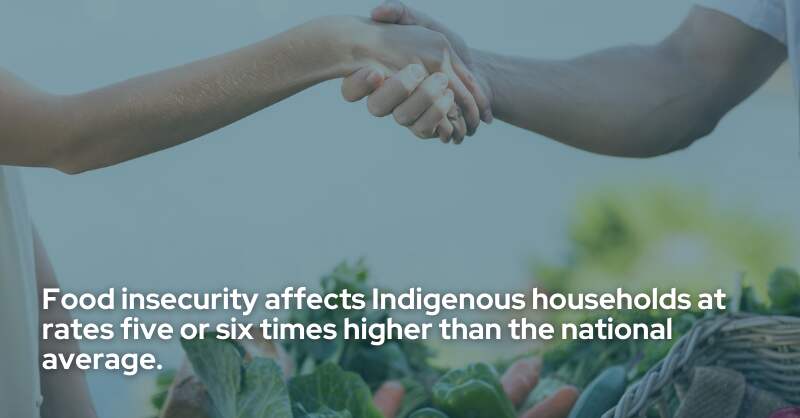
From skyrocketing grocery bills to climate disruptions and supply chain breakdowns, Canada’s food system is under stress. For many Indigenous communities, those pressures are even more severe. Food insecurity affects Indigenous households at rates five or six times higher than the national average. Access to funding, training, and markets remains limited for Indigenous food producers and entrepreneurs.
“From skyrocketing grocery bills to climate disruptions and supply chain breakdowns, Canada’s food system is under stress.”
But despite these barriers, a powerful movement is underway.
Innovation Rooted in Tradition
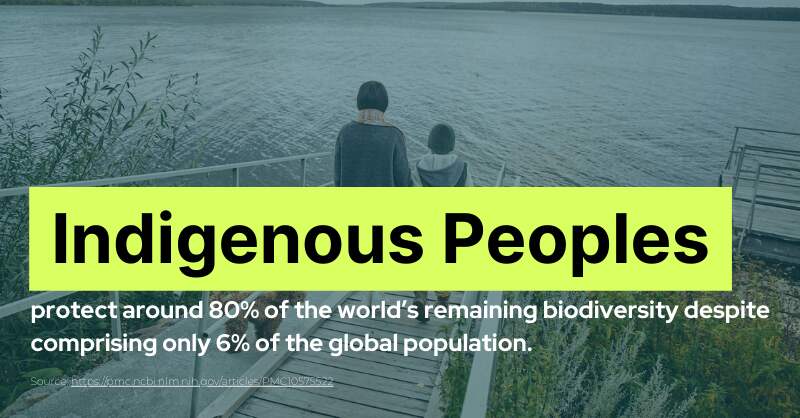
Across the country, Indigenous farmers, harvesters, and knowledge holders are revitalizing traditional food practices while also embracing innovation. From bison ranching and wild rice harvesting to aquaponics and community-led food hubs, Indigenous food leaders are showing that cultural knowledge and modern tools can go hand in hand.
At the National Circle for Indigenous Agriculture and Food (NCIAF), we see this work every day. Our mission is to support and grow these efforts, not just to address food insecurity, but to create jobs, restore ecosystems, and drive economic growth in ways that honour Indigenous rights and leadership.
But this kind of transformation can’t happen on inspiration alone. It needs real, sustained investment—and a shift in how Canada thinks about agriculture, food, and reconciliation.
What Canada Should Do
If Canada is serious about food security, economic reconciliation, and climate action, we must treat Indigenous food systems as core infrastructure, not side projects. This requires targeted, bold, and immediate action from every sector:
1. Government: Fund Indigenous-Led Food Infrastructure
Federal and provincial governments must create dedicated and collaborative funding streams for Indigenous food sovereignty initiatives, co-developed with Indigenous communities. This includes support for training and capacity development, land back initiatives, seed banks, climate-smart agriculture projects, traditional food harvesting, and Indigenous-led research.
Call to Action: Establish an Indigenous Agriculture and Food Sovereignty Fund by Budget 2026, co-governed with Indigenous leadership.
“Launch procurement partnerships with at least 100 Indigenous food producers or businesses by 2027.”
2. Industry: Partner for Procurement and Innovation
Canadian food companies and retailers have a critical role to play. By committing to purchase Indigenous-grown, harvested, and processed products, industry can help create stable markets for Indigenous producers. Corporate investment in Indigenous food innovation—especially in climate-smart technologies—can also accelerate mutual growth.
Call to Action: Launch procurement partnerships with at least 100 Indigenous food producers or businesses by 2027.
3. Academia: Embed Indigenous Knowledge in Curricula
Academic institutions must bring Indigenous agriculture out from the footnotes. Indigenous land-based knowledge should be integrated across agriculture, environmental science, and business programs. Indigenous food scholars must be supported, cited, and funded.
Call to Action: Mandate Indigenous food systems courses in all agri-food-related programs at Canadian universities by 2028.
“Create a $250M Indigenous Food Enterprise Investment Fund with blended finance mechanisms by 2026.”
4. Finance Sector: Invest in Indigenous Food Enterprises
Access to capital remains a massive hurdle. Financial institutions and impact investors must develop culturally relevant financing models and risk-assessment tools tailored to supporting start-up and growing Indigenous farms and agri-food businesses.
Call to Action: Create a $250M Indigenous Food Enterprise Investment Fund with blended finance mechanisms by 2026.
5. Entrepreneurs and Innovators: Build With, Not For
Non-Indigenous entrepreneurs entering this space must collaborate authentically. This means a shared journey in co-developing solutions with Indigenous partners, respecting Indigenous values, data sovereignty, and prioritizing long-term relationship-building over short-term gain.
Call to Action: Launch a National Indigenous Food Tech Accelerator in partnership with Indigenous-led organizations by 2026.
Why This Matters—for All of Us
Sustainability is somewhat redundant when one fully understands Indigenous food ways and systems. All paths forward are chosen with the protection of Mother Earth and the benefit of our grandchildren, seven generations into the future. Reigniting and strengthening Indigenous food systems is not just about reconciliation—it is about resilience. These systems are naturally regenerative, hyper-local, and community-focused. They hold answers to some of our most urgent national challenges: climate adaptation, food sovereignty, rural revitalization, and economic inclusion.
“Reigniting and strengthening Indigenous food systems is not just about reconciliation—it is about resilience.”
Investing in Indigenous agriculture is not charity. It is smart policy, smart business, and smart nation-building. We have a window right now—a rare convergence of political will, public awareness, and climate urgency. Canada can choose to lead, or it can continue to fall behind.
We at the National Circle for Indigenous Agriculture and Food are calling on all sectors to join us in building a future where Indigenous food systems are not just surviving, but thriving—and powering a more just and sustainable food economy for everyone.
Let’s not miss this moment.
About the Expert
-

Kallie Wood is the President and CEO of the National Circle for Indigenous Agriculture and Food (NCIAF) and is a proud member of Carry the Kettle Nakoda Nation located on Treaty Four Territory in Saskatchewan. Kallie was formerly the Senior Indigenous Advisor for the Ministry of Agriculture, Government of Saskatchewan.
See more
-
 To Feed the Future, Canada Must Broaden Its Definition of Food Innovation
 Tenille Bonoguore
Strategic Initiatives Lead
Arrell Food Institute
Tenille Bonoguore
Strategic Initiatives Lead
Arrell Food Institute
 Pauline Cripps
Community Food Lead
Arrell Food Institute
Pauline Cripps
Community Food Lead
Arrell Food Institute
 Evan Fraser
Executive Director
Arrell Food Institute
Evan Fraser
Executive Director
Arrell Food Institute
-
 On World Hunger Day, Hunger Is Still a Policy Choice
 Nick Saul
Co-Founder & CEO
Right to Food
Nick Saul
Co-Founder & CEO
Right to Food
-
 Canada Now Has Commercially Viable Food Security Solutions. Will We Scale Them Here?
 Benjamin Feagin Jr.
CEO
AgriTech North
Benjamin Feagin Jr.
CEO
AgriTech North