
Canada Must Ramp Up Momentum in Increasing Indigenous Employment


Indigenous Works, a national Indigenous not-for-profit organization, celebrates its 25th anniversary in 2024. This longevity and its specialized expertise have shaped some of the deep-rooted opinions it holds about Indigenous employment in Canada and what is needed in the coming years to grow jobs and careers further.
The beginnings of Indigenous Works date back to the Royal Commission on Aboriginal Peoples and the themes of that 1996 report, which drew attention to the gaps that existed between Indigenous and non-Indigenous Peoples. The Aboriginal Human Resource Development Council of Canada (now Indigenous Works) was established as a response to the issues and opportunities that could come from the engagements and strategies needed to “increase Indigenous peoples’ full participation in the Canadian economy.” This mandate brought together leadership, which established a board of directors with initial representation from the private sector, government, Indigenous organizations, education and organized labour.
The first 10 years of the organization focused on Indigenous employment in the trades. In the early 2000s, the oil sands needed tradespeople, and “the Council,” as it became known, developed and partnered in a suite of projects and strategies that increased Indigenous careers and employment in the trades. Large-scale, multi-party projects such as the Alberta Aboriginal Apprenticeship Project and Job Horizons connected Indigenous job and career candidates to employers seeking to grow their labour force.
“The Council developed a unique model called the “Inclusion Continuum,” which offers a roadmap to companies that want to better understand the management and organizational learning needed for stronger Indigenous engagements, relationships and partnerships for employment.”
Around 2006, the Aboriginal Human Resource Council shifted its focus and began to look at new areas and challenges in workplace inclusion. Its close working relationship with companies in the large business segment (over 500 employees) has defined many of its approaches and practices. The Council developed a unique model called the “Inclusion Continuum,” which offers a roadmap to companies that want to better understand the management and organizational learning needed for stronger Indigenous engagements, relationships and partnerships for employment.

The Mastering Aboriginal Inclusion (MAI) program was launched, and a corporate campaign invited companies to align their commitment and resources to climb the Inclusion Continuum. This “systems” model provided a roadmap for companies’ workplace inclusion strategies. This model continues to be used today by large companies and other organizations throughout Canada. In its work with companies, the Aboriginal Human Resource Council gained first-hand an understanding of how large companies adopt Indigenous inclusion as a core corporate value and goal and how they gradually adopt the policies, strategies and systems that are needed to achieve success in these areas.
In 2016, the Aboriginal Human Resource Council was rebranded as Indigenous Works. Our name change was intended to signal our continued interests in corporate workplaces and inclusion and the need for stronger relationships between companies and Indigenous communities. Our organization was heavily influenced by the work of the Truth and Reconciliation Commission, its Calls to Action, and the need to elevate corporate/Indigenous relationships and partnership building in Canada.
Today, Indigenous Works has a strong national reputation. It is funded through its membership program, fee-for-service programs and its project partnerships. We follow a systems-based approach using models and frameworks developed over the past two and a half decades of lived experience as a national Indigenous organization that has made strong inroads in Indigenous employment and human resource development throughout Canada.
It’s Time to Reflect on the Past and the Future of Indigenous Employment in Canada

One of the most telling pieces of research undertaken by Indigenous Works was a 2017 study of large companies and their Indigenous engagement strategies. The data showed that very few large companies were engaging with Indigenous people. In this research, we calculated an Engagement Index Score of only 13/100 from the 511 companies surveyed and contacted. Among corporations, there was an extreme lack of awareness about Indigenous issues and people, and there was a disconnect. “Novice engagers” made up 9%, “Relationship developers” made up 4% and “Committed Partners” made up only 2%. The remaining 85% of companies were “disengaged.” The resource sector reported the highest engagement scores with 20 to 40 years of experience working in the Indigenous domain, but the engagement gap with other sectors of the economy was startling news for Canada.
“Among corporations, there was an extreme lack of awareness about Indigenous issues and people, and there was a disconnect.”

In the survey, the reasons large companies gave for not engaging with Indigenous people were wide and varied. Direct quotes from “disengaged” companies include the following reasons given: “This hasn’t been a priority for the business,” “no incentive to do so,” “people generally come to us. We haven’t needed to reach out,” and “leadership hasn’t made it a priority.” In summary, companies gave many reasons why they had no formal Indigenous engagement strategies, and this may explain why Indigenous employment has continued to lag in this business segment.
Since 2017, the Truth and Reconciliation Commission and the media attention made about it and the Murdered and Missing Women have helped sharpen corporate attitudes and priorities about Indigenous employment and the opportunities it offers to employers. Today, Indigenous Works continues to be inspired by the results of the companies that are making commitments to Indigenous employment and workplace inclusion.
“More investment is needed in Indigenous career pathing and more research is needed to better understand Indigenous career choices.”
Equally, our organization struggles with the many barriers and impediments that seem to still exist for Indigenous people to gain full employment and participation in the Canadian economy. As we look to the future of Canada, we see on the horizon ten challenges that will continue to impede Indigenous employment. These and other challenges must be overcome. “Farther, deeper, faster” describes the momentum needed to significantly increase Indigenous employment in Canada in the future.
- Companies are not making investments in Indigenous employment early enough. More investment is needed in Indigenous career pathing and more research is needed to better understand Indigenous career choices. Companies tend to narrow their selection of candidates to those Indigenous people who are employment-ready and have post-secondary degrees or other advanced credentials. Employers need to invest strategically in the growth of talent instead of relying on hiring the trickle of graduates that emerge from post-secondary institutions. More attention and investment should be paid to youth and growing Indigenous talent pipelines.
“Indigenous employment should be championed throughout the economy, especially in strategic sectors such as IT, which are so important for Indigenous people and their own economies.”
- Indigenous employment is weighted toward some sectors of the economy. We see strong Indigenous employment results among companies in the mining, construction and renewable resource sectors. Far fewer results are being realized in sectors of the economy where STEM training and credentials are needed. Other sectors, such as retail and agriculture, to name just two, need to update their strategies to employ more Indigenous people. In the future, Indigenous employment should be championed throughout the economy, especially in strategic sectors such as IT, which are so important for Indigenous people and their own economies.
- Indigenous employment needs to be strengthened in areas such as senior management, leadership and board positions. Companies that hire Indigenous leaders and managers are more apt to develop policies and strategies that provide direction for their company and underscore the importance of Indigenous inclusion and employment throughout corporate Canada.
- Companies that are successful at Indigenous employment have tended to make the investments needed to build relationships with the Indigenous communities where they operate or do business. Knowing and understanding communities’ needs is an important starting point for future corporate/Indigenous relationships and partnerships.
“Indigenous small businesses are growing at an accelerated rate and could be further grown by more companies adopting Indigenous procurement goals and actively putting into place strategies and practices that support supplier development.”
- Many Indigenous people have set their sights on self-employment. Companies can support that direction by embracing Indigenous procurement targets (e.g. the federal government’s target of 5%) to stimulate the purchase of Indigenous goods and services. Indigenous small businesses are growing at an accelerated rate and could be further grown by more companies adopting Indigenous procurement goals and actively putting into place strategies and practices that support supplier development. Self-employment is attractive to Indigenous people for a variety of reasons. The market for Indigenous products and services needs support and investment.
- Companies that want to improve their results in Indigenous employment should consider a wider range of metrics by which to gauge the success of their efforts. Indigenous employment is difficult work and involves heavy lifting to gain trust with Indigenous communities and grow the meaningful and sustainable relationships and partnerships needed. Large companies are like big ships that need time and teamwork to change their course. The adoption of Indigenous employment policies and strategies takes time, and much of that effort is often not recognized or given due credit. Companies need to adopt a range of metrics that enable them to show the results of process and systems changes, not just actual hires. We encourage this so that senior management comes to appreciate that Indigenous employment is more a journey than a collection of quick fixes. True transformative change takes time, and often, that realization is the best way to accelerate the long-term changes needed to grow Indigenous employment.
- Companies do not seem to rely enough on their own Indigenous employees to guide and inform their Indigenous employment strategies. Such was the finding of a horizontal audit conducted with the banking and financial sector, which was reported in 2020 by the Canadian Human Rights Commission. The banking and financial sector has essentially plateaued in terms of its Indigenous employment representation figures in the past few years. In round figures, it is short by about 3500 Indigenous hires just to break even with the employment equity benchmarks/goals created by the Employment and Social Development Canada Labour program. In its initiative, the Human Rights Commission conducted comprehensive employment systems reviews of 10 companies in this sector. It concluded that few companies communicate their strategies with their Indigenous employees and seek their suggestions and ideas to strengthen these plans. Indigenous Works has conducted hundreds of confidential interviews with Indigenous employees over the years, and it has concluded that the experience of Indigenous people working in large companies can be quite different from the experiences of non-Indigenous employees. Employee engagement scores for Indigenous employees often tend to score lower when that metric is examined through the Indigenous lens. Employers are encouraged to adopt that capability in their informatics.
“Employers may harbour unconscious biases, failing to see young Indigenous candidates in a certain role because they are not used to seeing them in those positions.”
- For many years, Indigenous people have been excluded and continue to be excluded from entry to whole sectors of the economy. When they acquire the skills and credentials in post-secondary institutions, they lack the contacts and networks to gain the attention of employers. Employers may harbour unconscious biases, failing to see young Indigenous candidates in a certain role because they are not used to seeing them in those positions, even if they have the credentials needed. The number of Indigenous people gaining the credentials needed remains low. Barriers to entry include money for tuition and living expenses. For many Indigenous students, there are issues with adapting to post-secondary environments, so many don’t go past their bachelor’s degree. Employers set expectations for master’s degrees, yet the playing field is uneven. Indigenous people have not had the opportunity to gain advanced degrees. In other words, the hiring policies of many companies do not recognize the realities of the many challenges facing Indigenous peoples. In the future, employers will be more successful in their Indigenous employment results if they conduct a comprehensive review of their Indigenous employment policies, strategies and systems.
“The hiring policies of many companies do not recognize the realities of the many challenges facing Indigenous peoples.”
- Encouraging entry to human resource occupations is a way to increase and influence more Indigenous hiring at non-Indigenous organizations. Many non-Indigenous companies want to hire Indigenous people as part of their diversity goals. Having an Indigenous member on their HR team will improve the likelihood of succeeding with these policy goals. Indigenous organizations are helping to elevate interest in Indigenous HR and HR career opportunities. Organizations like the Chartered Professionals in Human Resources and the Aboriginal Financial Officers Association of Canada (AFOA) are helping to build the expertise of Indigenous people to acquire specialized HR credentials and enter HR occupations. AFOA offers four Certification Programs to grow Finance and Administrative Management, including the Certified Indigenous Human Resources Professional designation. Indigenous Works also has inclusion partnerships with organizations like Chartered Professional Human Resource Canada and its provincial CPHR Associations, as well as the Canadian Centre for Diversity and Inclusion, which provide tools and learning for professional HR practitioners.
- More research is needed to grow Canada’s expertise in Indigenous human resources to better understand this area of specialization. Yet, there are few Indigenous PhD holders in Canada and few professional researchers who are conducting and publishing research results in this field. In the future, companies need to work together to support research initiatives that will inform the development of a new generation of Indigenous employment and human resource programs, which will result in significantly increased Indigenous employment. This research needs to be led by Indigenous researchers, and it needs the support of Indigenous communities, the post-secondary research community, governments, and companies seeking to employ Indigenous people.
The Future of Indigenous Employment

The future of Indigenous employment in Canada comes down to leadership and organizational resolve on the part of the companies in corporate Canada that are looking to grow a diverse workforce and inclusive workplace. To attain new and better results in the future, their human resource policies, strategies, and systems need to be enhanced and innovated so that stronger results are achieved. Farther, deeper and faster describes the momentum needed to grow Indigenous participation and full employment in the future economy. Success in this endeavour will be good for Indigenous Peoples and good for Canada.
Indigenous Works will continue its work for decades to come. In the first 25 years, we made substantial progress in elevating Indigenous employment as an area of priority for Canada. We developed new models and strategies that can be used by corporate Canada, and we urge the need for more research to inform new policies and strategies. We have completed over 200 major projects in the Indigenous employment and human resource sectors in the past two and a half decades, and we have made significant inroads in many sectors of the economy.
Indigenous Works will be celebrating its 25th anniversary at Inclusion Works ’24 on Oct 8-10, 2024, in Nanaimo, BC. The theme of this year’s learning event is “Going Beyond the Checkmark.” Inclusion Works’ program will showcase and share strategies and practices among private, public, and Indigenous organizations. It will provide deeper management learning, ideas, and strategies to ensure employers are going beyond the checkmark. Events like this are a great way to share practices. We continue to be amazed at the tremendous work that is being done in Indigenous employment within Indigenous communities and on the part of corporate Canada. While more must be done, it is these successes that now need to be further built upon so that the future of Canada’s labour market can offer more opportunities for Indigenous Peoples and for employers.
-
 Indigenous Leadership: A Key Component to Meet Electricity Demand in Canada
 James Jenkins
Executive Director
Indigenous Clean Energy
James Jenkins
Executive Director
Indigenous Clean Energy
-
 Canada’s Economy Can Be Grown If Indigenous Innovation Is Enabled and Encouraged
 Kelly Lendsay
Chief Transformational Officer
Luminary
Kelly Lendsay
Chief Transformational Officer
Luminary
 Marie Delorme
CEO
The Imagination Group
Marie Delorme
CEO
The Imagination Group
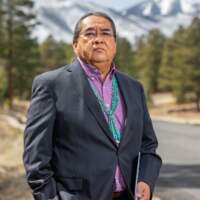 Manley Begay
Director of Tribal Leadership Initiative
Northern Arizona University
Manley Begay
Director of Tribal Leadership Initiative
Northern Arizona University
-
 Consent, Not Checkboxes: Energy Projects and Indigenous Rights in Canada
 John Cook
Senior VP & Portfolio Manager
Mackenzie Investments
John Cook
Senior VP & Portfolio Manager
Mackenzie Investments
 Raylene Whitford
Director
Canative Energy
Raylene Whitford
Director
Canative Energy