
Beyond the Bucket List: Canadian Tour Operators Must Lead on Sustainable Tourism
Canadian tour operators must move beyond the bucket-list mindset and lead globally in building a sustainable tourism model that prioritizes community well-being, environmental stewardship, and long-term resilience over short-term consumption.

As the world marks World Tourism Day on September 27, we are invited not just to celebrate travel, but to rethink its impact. Tourism, at its best, connects people, supports livelihoods, and fosters understanding across borders. But at its worst, it strains fragile ecosystems, displaces local communities, and erodes cultural heritage. In this global context, Canadian tour operators have both a unique role and an urgent responsibility to lead in creating a more sustainable, ethical, and regenerative tourism model.
Canada is globally recognized for its natural beauty, progressive values, and high travel standards. Canadian travellers and the companies that serve them are increasingly conscious of their impact. But as the industry rebounds post-pandemic, the threat of overtourism—the overcrowding of destinations to the point where it causes environmental degradation, infrastructure strain, and loss of local identity—is once again looming.
“From the congested streets of Venice to the coral-stressed beaches of Thailand, overtourism is not just a buzzword—it’s a crisis. Popular destinations are being “loved to death” as tourism exceeds their capacity.”
The Overtourism Dilemma
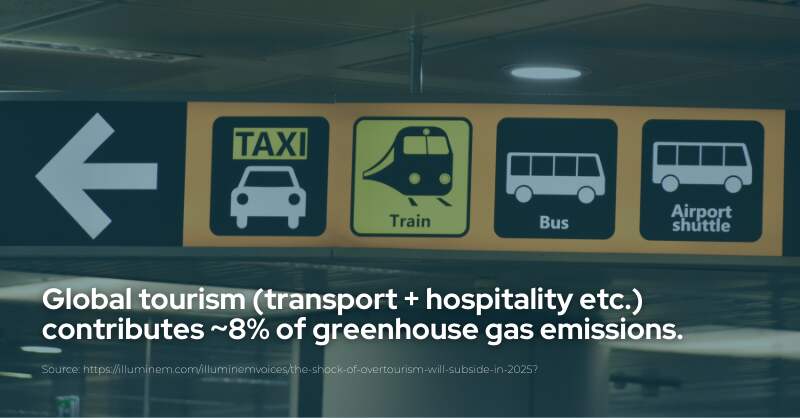
From the congested streets of Venice to the coral-stressed beaches of Thailand, overtourism is not just a buzzword—it’s a crisis. Popular destinations are being “loved to death” as tourism exceeds their capacity.
Canadian tour operators must acknowledge that the itineraries they craft, the seasons they promote, and the volume of visitors they direct all contribute to either mitigating or accelerating this problem.
Tourism Care is Not Optional—It’s Imperative
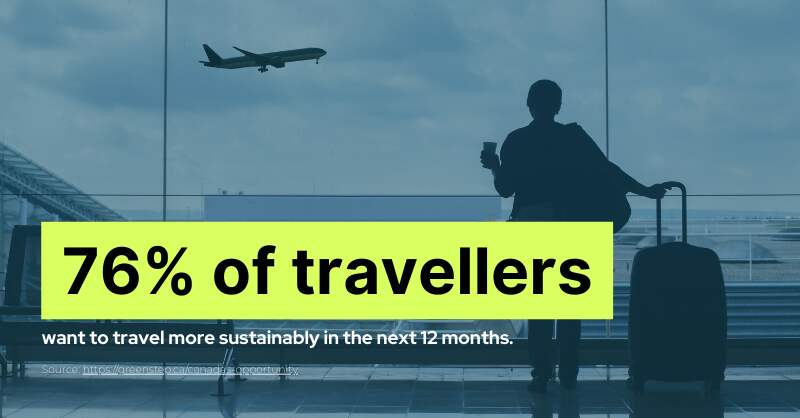
Tourism care means putting destination well-being on par with guest satisfaction. It means respecting Indigenous lands and cultures, supporting local economies beyond souvenir shops, and minimizing carbon footprints. Canadian operators have the resources and the global reputation to lead by example.
Practical steps include:
- Diversifying destinations beyond the over-trafficked icons. Promote lesser-known regions and shoulder-season travel to reduce pressure on hotspots.
- Building partnerships with local communities, especially Indigenous and marginalized groups, ensuring tourism dollars stay local, and that voices are heard in tourism planning.
- Educating travellers—not just about what to see, but how to see responsibly. Every itinerary is an opportunity to instill stewardship values.
- Offsetting emissions through credible carbon-offset programs and prioritizing low-impact travel modes where possible.
- Transparency in supply chains, ensuring accommodations and experiences adhere to ethical and sustainable standards.
A New Ethos for Travel
Tourism isn’t just an economic engine—it’s a storytelling platform. Canadian tour operators are in a position to shape the narrative. The story we need now is not about ticking off bucket lists, but about building meaningful connections that leave places better than they were found.
“Tourism isn’t just an economic engine—it’s a storytelling platform. Canadian tour operators are in a position to shape the narrative.”
The UN World Tourism Organization’s theme for 2025, “Tourism and Green Investment,” is a clarion call. Investments in sustainable tourism are not just a moral obligation—they’re a business imperative. Travellers, especially younger generations, are demanding it.
Canada’s Role on the Global Stage
Canada has the credibility to champion global standards in sustainable tourism. Our operators are respected in the international marketplace. By committing to sustainability, Canadian companies can influence global norms—setting benchmarks for environmental performance, social equity, and responsible marketing practices.
“Sustainable travel is proving to be more resilient, more attractive to conscious consumers, and better for long-term viability.”
And this leadership doesn’t have to come at the cost of profit. On the contrary, sustainable travel is proving to be more resilient, more attractive to conscious consumers, and better for long-term viability.
World Tourism Day is more than a date—it’s a decision point. Will we continue with business as usual, or will we rise to the moment? Canadian tour operators have the power—and the duty—to ensure tourism becomes a force for regeneration, not depletion.
Let’s choose care over consumption. Let’s travel with intention. And let’s ensure that, in seeing the world, we don’t harm it.
Wishing you a wonderful World Tourism Day and an even better future!
About the Expert
-

Jean Hébert is the Executive Director of the Canadian Association of Tour Operators (CATO). He has 40 years of experience in federal and provincial public administrations, serving as a political advisor and Chief of Staff. He excels in strategic planning, government relations, and advocacy. He has extensive knowledge of government mechanics. He served on the TICO Board of Directors from 2011 to 2021 and was elected Chair from 2015 to 2021. He was also a Public Member of the Ontario Judicial Appointments Advisory Committee (JAAC). He is currently a consultant and active in his community, residing in Ottawa.
See more
-
 Tourism in Canada: A Cornerstone of Growth and Sustainable Transformation
 Amy Butcher
Vice President of Public Affairs
Tourism Industry Association of Canada
Amy Butcher
Vice President of Public Affairs
Tourism Industry Association of Canada
-
 The Purposeful Economy: Why Canada’s Tourism Future is About People, Not Postcards
 Bruce Poon Tip
Founder
G Adventures
Bruce Poon Tip
Founder
G Adventures
-
 Eco-Effectiveness: Canada’s Path to Genuine Sustainable Growth
 Jury Gualandris
Associate Professor of Operations Management & Sustainability
Ivey Business School
Jury Gualandris
Associate Professor of Operations Management & Sustainability
Ivey Business School