
How Canada’s Hidden Talent Can Solve Our Productivity Crisis
Canada’s productivity crisis can be solved by unlocking the underutilized potential of racialized and underrepresented entrepreneurs, making equity in entrepreneurship a strategic driver of innovation, jobs, and long-term prosperity.

Canada’s productivity crisis is urgent, and our most powerful solution has been hiding in plain sight.
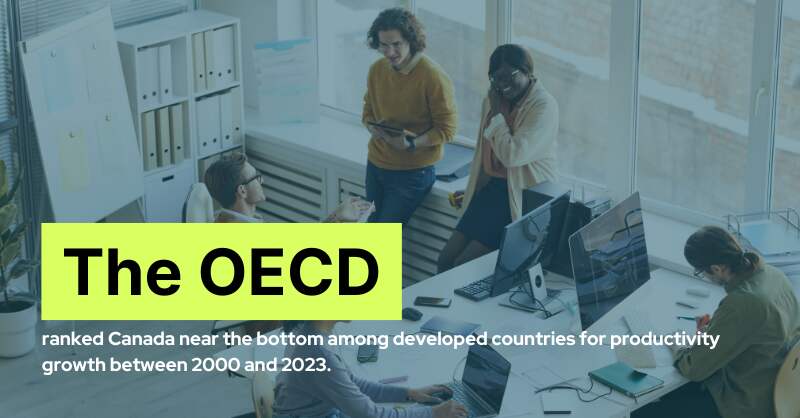
For decades, our productivity growth has slowed, with the OECD ranking Canada near the bottom among developed countries for productivity growth between 2000 and 2023. As global competition intensifies and technological disruption accelerates, Canada has some big decisions to make.
If the economic engine is broken, then how do we fix it?
One powerful, often overlooked solution lies in making the invisible visible. I’m talking about the “underrepresented” people—often categorized as visible minorities or racialized individuals. Ironically, visible minorities seem to be invisible in the participation of Canada’s economy—despite their presence, contributions, and potential.
Some communities, like Indigenous Peoples and African Nova Scotians, predate Confederation. Others—such as the millions of newcomers welcomed in the last decade—are reshaping the country’s cultural identity and economic fabric. What they share in common is not only the experience of systemic barriers, but also a deep well of entrepreneurial ambition and underutilized talent.
“These communities also represent one of Canada’s greatest untapped assets for building a more innovative, inclusive, and globally competitive economy.”
It’s well understood that Black, Indigenous and people of colour face persistent barriers to capital, networks, and opportunity. But what’s less understood—and too often ignored—is that these communities also represent one of Canada’s greatest untapped assets for building a more innovative, inclusive, and globally competitive economy.
We’re no longer in 2020. The global reckoning sparked by the Black Lives Matter movement has faded from the headlines. The pendulum has, in many ways, swung back, and the notion of “identity politics” is replacing real conversations about systemic injustices. But the work of building equity and inclusion remains. And so does the opportunity.
The Undeniable Benefits of Equity
Supporting racialized entrepreneurs offers significant benefits that extend far beyond the immediate communities. There is, of course, a profound moral obligation, and Canada must correct historical inequities. Black people, for example, were instrumental in building our country, yet were systematically denied access to land, education, and economic opportunities. This is evident especially in historical Black communities in Nova Scotia, home to African Nova Scotians – many of whom have roots in Canada for over 400 years.
“The cost of failing to invest in racialized entrepreneurship is significant.”
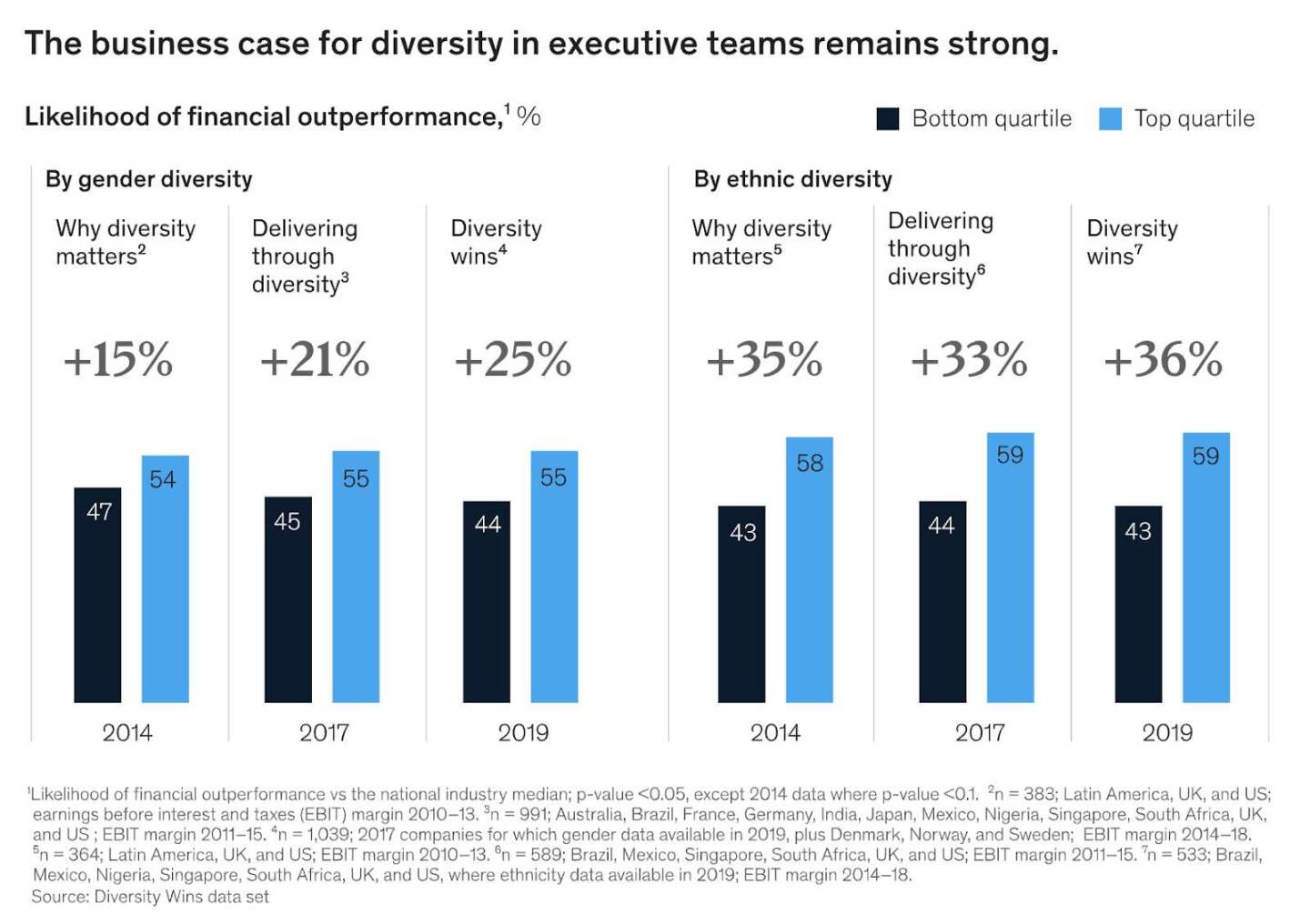
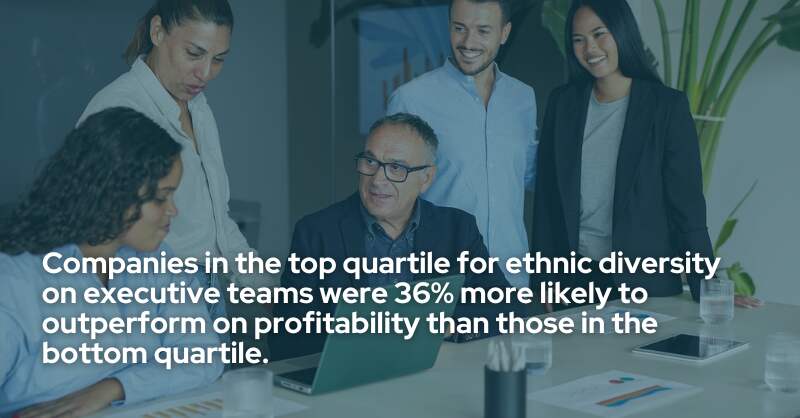
Beyond the moral imperative, there’s a compelling business case. All available data points to the immense economic value of diversity. According to a 2020 McKinsey report, companies in the top quartile for ethnic diversity on executive teams were 36% more likely to outperform on profitability than those in the bottom quartile.
The cost of failing to invest in racialized entrepreneurship is significant.
We limit our economic potential by ignoring a growing, entrepreneurial population. We miss out on companies that could compete globally and generate jobs domestically. We perpetuate inequality that weakens social cohesion and economic resilience.
Racialized entrepreneurs bring unique experiences and fresh perspectives that challenge the status quo and reshape industries. Their unique insights drive innovation and overall progress.
This isn’t a theory; it’s a proven return on investment for those seeking economic gains. Whether you come at it from either lens—morality or business—the outcome is the same: diversity benefits us all.
The Wealth Gap in Canadian Entrepreneurship
The core issue facing underrepresented entrepreneurs in Canada is equity. This isn’t about seeking handouts, but it is about ensuring equal opportunity to contribute and access to resources that have been denied for generations. Equity, in this context, is not merely about representation (diversity) or participation (inclusion); it’s about building systems that genuinely create opportunity and agency for all, especially in areas where folks have been disadvantaged.
“Achieving equity in entrepreneurship is not a “nice-to-have”, but is a strategic imperative. It’s essential for job creation, increasing productivity, and generating globally competitive companies.”
For Canada, achieving equity in entrepreneurship is not a “nice-to-have”, but is a strategic imperative. It’s essential for job creation, increasing productivity, and generating globally competitive companies. If we fail to act now, we risk not only missing the chance to build a more just society but also forfeiting significant economic gains—undermining quality of life and eroding a sense of belonging for generations to come.
Access to capital is crucial for building and scaling businesses, yet racialized entrepreneurs frequently face systemic barriers. For example, a 2021 report by the African Canadian Senate Group and Senator Colin Deacon highlighted access to capital as the greatest barrier for Black entrepreneurs and a lack of trust in traditional financial institutions. Similarly, a 2022 survey by the Canadian Council for Aboriginal Business highlighted that Indigenous businesses often struggle with access to capital and financial resources from institutions.
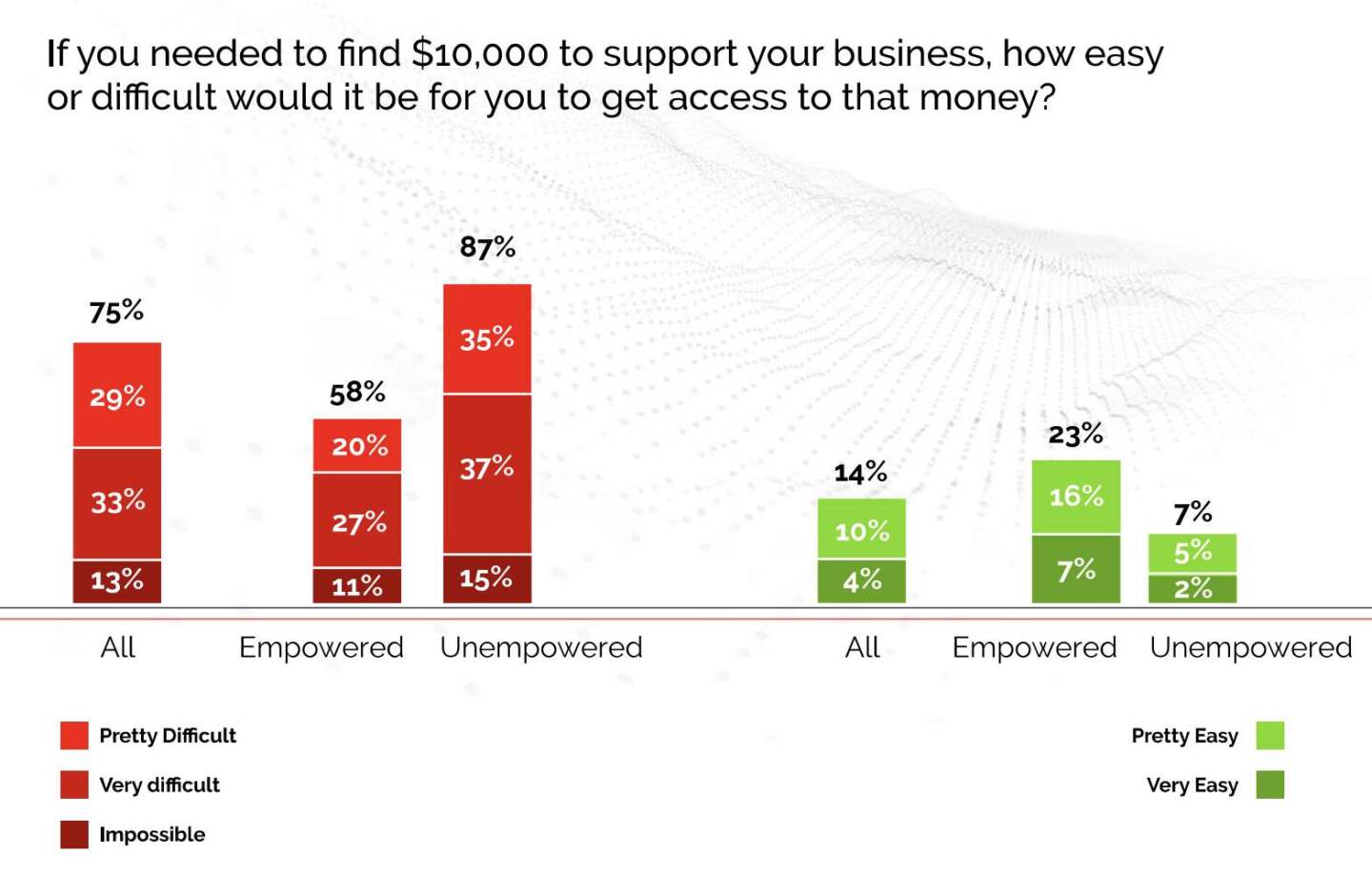
For any entrepreneur, regardless of background, three essentials are paramount: capital, coaching, and customers. However, for racialized entrepreneurs, accessing these foundational elements often presents significant hurdles.
“Hundreds of African Nova Scotian families do not have a title to the land they’ve lived on for generations. This means generations have been denied the legal right to ownership and the equity that comes with it.”
In Nova Scotia, for example, hundreds of African Nova Scotian families do not have a title to the land they’ve lived on for generations. This means generations have been denied the legal right to ownership and the equity that comes with it. Without a clear title, they cannot use their property as collateral for loans to start a business, secure funding for education, or invest in home improvements. This systemic barrier traps families in a cycle where wealth cannot be built or passed down, erasing opportunities for economic mobility and deepening the racial wealth gap.
Beyond capital, there’s a pressing need for strong mentorship, coaching, and advisory support. These networks, often built on long-standing relationships, can be difficult for newcomers or those outside traditional circles to penetrate.
Finally, entrepreneurs need customers – the ability to reach markets beyond local communities, ideally on a global scale. Without equitable access to these three pillars, a large subsection of our innovation economy will remain invisible.
Regional Disparities: Atlantic Canada’s Opportunity
While these challenges exist nationwide, some regions face unique circumstances. Historically, Atlantic Canada has been overlooked in national conversations around economic growth and opportunity. This region possesses significant, yet undervalued and highly skilled talent.
In comparison, larger cities like Toronto or Montreal, where innovation economies often boast diverse leadership due to their melting-pot nature, Atlantic Canada experiences a distinct lack of diversity in leadership positions within its economy. The same can be said for many regions outside of Canada’s major urban centres. This lack of inclusive leadership directly translates into a shortage of opportunities and systems designed to support underrepresented communities, thereby impacting equity.
Despite these gaps, Atlantic Canada holds immense potential. The region has seen substantial increases in immigration over the past decade, boasting some of the highest immigration growth rates in the country. Coupled with a high concentration of universities producing exceptional talent, this means Atlantic Canada possesses significant under-tapped, high-potential talent.
“Regions like Atlantic Canada must implement a more intentional approach to inclusive economic growth, which will ultimately unlock regional innovation and job creation.”
For Canada to realize gains in national productivity, regions like Atlantic Canada must implement a more intentional approach to inclusive economic growth, which will ultimately unlock regional innovation and job creation. These intentional efforts can not be outsourced to the same organizations and groups that lack diversity and the lived experience of the hidden talent I speak of. As a professional living in the region (Halifax), I make these observations from my own lived experience.
Canada’s Global Standing: A Window of Opportunity
In recent years, Canada has certainly taken meaningful steps forward. The Canadian government has launched significant initiatives, such as the Indigenous Growth Fund (IGF), which supports Indigenous businesses across the country through grants and loans, and the Black Entrepreneurship Program (BEP), which provides capacity building, training, coaching, and loans for Black entrepreneurs. These programs demonstrate a commendable commitment to levelling the playing field for underrepresented entrepreneurs.
Canadian corporations have not matched that scale or urgency, with the government largely leading these investments and still striving to bring the private sector fully along. This presents a crucial next step: it is vital to connect these new, diverse programs with mainstream innovation economy initiatives. Integrating efforts with existing programs like the Global Innovation Superclusters, Scale AI, Elevate IP, and the National Research Council is essential.
“Canadian corporations have not matched that scale or urgency, with the government largely leading these investments and still striving to bring the private sector fully along.”
Building diverse ecosystems in isolation is inefficient and unsustainable in the long term. Our entrepreneurs need to leverage existing mainstream programs and networks for sustained growth.
This also brings us to a critical inflection point. While the US is currently experiencing a political pullback on Diversity, Equity, and Inclusion (DEI) initiatives, Canada has a unique opportunity to double down on its investments and ensure these diverse ecosystems are seamlessly connected to mainstream networks. This is our moment to lead on the global stage.
In recent weeks, the US Government has also limited the H1-B visa by placing restrictions and fees on it. H1-B visas contribute to the prominence of tech startups and companies in Silicon Valley. For example, several major tech CEOs including Microsoft’s Satya Nadella and Google’s Sundar Pichai are foreign-born and were on H1-B visas after they finished their college and graduate studies in America.
This is another major opportunity for Canada to embrace sustainable immigration while inviting the world’s great talent to build in Canada.
Reimagining Our Future: A Call to Action
To truly support and accelerate positive change in innovation-driven entrepreneurship, Canada needs a fundamental shift in mindset.
“We need a coordinated national approach that recognizes equity not as a side project or an afterthought in government, organizations, and leadership, but as a standard of excellence, core to strategy, leadership, and innovation.”
We have the talent. We have the momentum. Now, we need a coordinated national approach that recognizes equity not as a side project or an afterthought in government, organizations, and leadership, but as a standard of excellence, core to strategy, leadership, and innovation.
To get specific, here’s what each stakeholder must do:
“The government must embed a lens of equity and inclusivity directly into the design of all economic policy.”
Government: Prime Minister Mark Carney has articulated a mandate that involves nation-building projects that will connect and transform Canada. The federal and provincial governments must ensure seamless integration between equity-focused initiatives and mainstream economic opportunities. The government must embed a lens of equity and inclusivity directly into the design of all economic policy; it must continuously ask the question, “How are we designing initiatives to uncover hidden gems and empower invisible contributors to our future economy?”
“Redefining DEI as a standard of excellence—not merely a compliance exercise—is paramount. This shift in mindset will unlock innovation and drive meaningful change.”
Private Sector: Industry leaders must commit to meaningful and sustained investment in underrepresented entrepreneurs. This translates into dedicated corporate venture capital funds, robust procurement targets for racialized-owned businesses, and strategic supplier diversity programs. For the private sector, redefining DEI as a standard of excellence—not merely a compliance exercise—is paramount. This shift in mindset will unlock innovation and drive meaningful change.
Academia: Universities and colleges play a critical role in building the talent pipeline. They must build more intentional pathways into innovation sectors, especially in business and technology, for racialized students. This includes expanding partnerships that support racialized students with scholarships, mentorship, and research opportunities, ensuring they have the foundational knowledge and networks to succeed.
Financial Institutions: Banks, credit unions, and other financial entities must innovate their offerings to better serve minority entrepreneurs. This means expanding flexible lending and equity options specifically designed for entrepreneurs and founders who may not fit traditional risk profiles. Furthermore, partnering with community-based capital lenders is crucial to reach overlooked founders and ensure capital flows where it is most needed.
“Indigenous, Black and other racialized entrepreneurs must continue to organize, collaborate, and advocate for systems that work for them.”
Entrepreneurs: Indigenous, Black and other racialized entrepreneurs must continue to organize, collaborate, and advocate for systems that work for them. Joining and supporting networks that amplify their access to resources, knowledge, and capital is vital. Their collective voice and innovative spirit are essential drivers of the change we seek.
At Tribe Network, we exemplify this mindset by enabling and empowering four key personas: Students, Professionals, Investors and Entrepreneurs. We partner with universities to create scholarships and pathways into tech and business programs, along with providing AI education. We facilitate career development, job readiness sessions, and mentorship. We offer capacity-building programs for angel investors to increase access to capital for entrepreneurs. We partner with existing innovation hubs, accelerators, and incubators to connect racialized entrepreneurs to the right resources, knowledge, and capital, fostering belonging and growth.
The vision is not just to help racialized people participate in the economy, but to help them shape it.
Canada Can—and Must—Lead Now
The world stands at a pivotal moment.
While other countries retreat from inclusion, Canada has a chance to lead.
“This is not charity. This is a strategy.”
By embracing equity as a cornerstone of our economic strategy, we can build an innovation economy that is not only globally competitive but grounded in equity and access. That is what will drive our productivity, fuel our recovery, and build a future where all Canadians contribute to—and benefit from—shared prosperity.
This is not charity. This is a strategy.
When people have access to opportunity, they still have to work hard to succeed.
But at least they’re in the game. Let’s empower more people to play.
About the Expert
-

Alfred Burgesson is the Founder & CEO of Tribe Network, advancing inclusive innovation for underrepresented entrepreneurs. An award-winning public policy advisor, he builds ecosystems that drive equity, economic growth, and opportunity across Canada.
See more
-
 Redefining Prosperity: Creating a Better Future for Canada
 Anne McLellan
Co-Chair
Coalition for a Better Future
Anne McLellan
Co-Chair
Coalition for a Better Future
 Lisa Raitt
Co-Chair
Coalition for a Better Future
Lisa Raitt
Co-Chair
Coalition for a Better Future
 Sasha Krstic
President
Mastercard Canada
Sasha Krstic
President
Mastercard Canada
-
 Canada’s Insurance Industry Has A Productivity Crisis. AI Can Cure It.
 Jackson Fregeau
CEO & Co-Founder
Quandri
Jackson Fregeau
CEO & Co-Founder
Quandri
-
 The Global Economy is Being Rewired. Canada Can’t Run Yesterday’s Playbook
 Shane Dunn
Canada EY-Parthenon Leader
EY Canada
Shane Dunn
Canada EY-Parthenon Leader
EY Canada