
Carbon Tech is Ours to Win if We Back What Works
Canada has the tools to lead in carbon removal—but to seize the opportunity, we must stop hesitating and start scaling the solutions already showing results.

Canada has a carbon tech advantage.
We’ve built it through world-class research institutions, early-stage support for innovation, as well as a strong policy foundation.
But if we want to keep that advantage and turn it into leadership, we need to shift our mindset.
This isn’t about chasing the shiniest object or waiting to see what the cool kids are scaling. It’s about having the confidence to scale the solutions we’re already good at, and doing so on our own terms.
We’ve Been Open, Now It’s Time to Focus
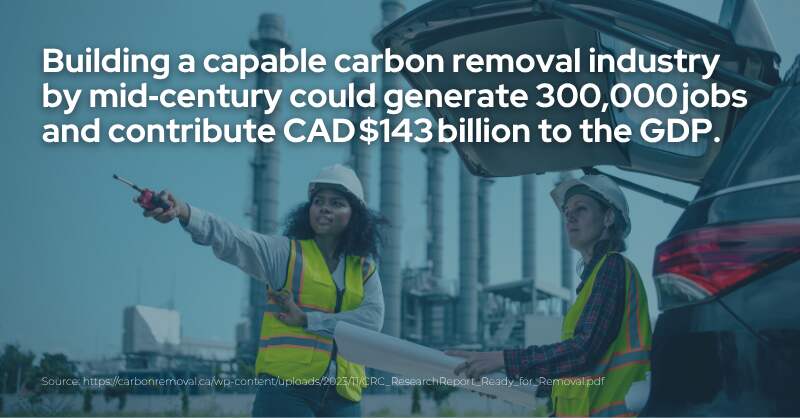
Canada has done a good job at the early stage of climate innovation. We’ve encouraged exploration across carbon removal pathways from DAC to BECCS to OAE. We’ve created space for emerging companies to test ideas, publish research, and raise seed funding.
“Other countries are already starting to make big bets on their national winners. If we stay in “explore mode” forever, we risk losing critical momentum as well as the companies and talent we helped build.”
Openness is a great start, but at some point, you’ve got to pick a horse and start riding.
At some point, we will need to focus. Other countries are already starting to make big bets on their national winners. If we stay in “explore mode” forever, we risk losing critical momentum as well as the companies and talent we helped build.
Neutrality Isn’t a Strategy
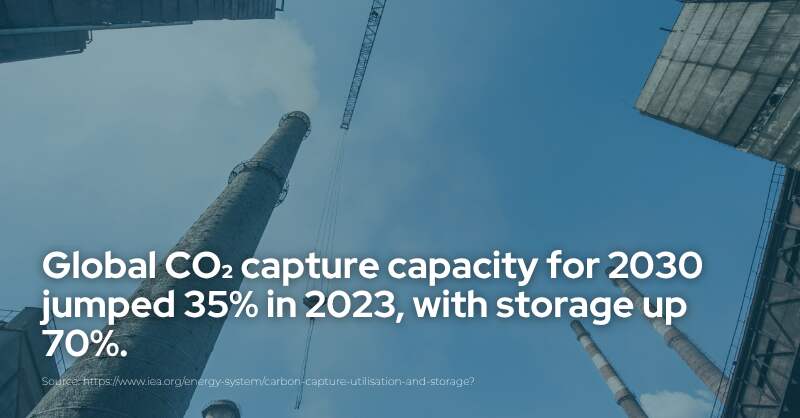
Staying neutral might feel like a safe policy in a complex space, but climate tech isn’t won with “maybe.”
By waiting to see what others scale, we create gaps in our own systems. By staying agnostic, we underfund what we do best. By hesitating, we fall behind.
The better move is to back what is already working and build the systems that help those solutions succeed at scale.
“By waiting to see what others scale, we create gaps in our own systems. By staying agnostic, we underfund what we do best. By hesitating, we fall behind.”
What Canada Must Do Now
Here are four actions Canada can take to lead and win in carbon tech:
“Canada should scale up its support for the technologies and companies that are already showing results. That means late-stage funding, procurement pathways, infrastructure support, and trust-building at the community level.”
1. Stay open early, focus late
At the early TRLs, we should absolutely stay open. The carbon removal landscape is evolving fast, and scientific exploration needs room to breathe. But once we start seeing success, whether it’s demonstrated durability, local deployment, or public-private alignment, we should stop being neutral and start being strategic.
Canada should scale up its support for the technologies and companies that are already showing results. That means late-stage funding, procurement pathways, infrastructure support, and trust-building at the community level.
Openness is great at the start, but focus is what will get us across the finish line.
2. Build communities of practice where we already lead
We need to create internal flywheels. These are the ecosystems that help Canadian carbon removal companies grow and stay here. That means:
- Regulatory clarity
- Talent development
- Industry-academia collaboration
- Smart procurement strategies
When we invest in the community around a technology, not just the tech itself, the whole ecosystem moves faster.
3. Combine academic rigour with policy action
Canada has an academic brain trust that is the envy of the world. But too often, that knowledge is siloed from the policymakers who need it. Let’s get researchers and regulators working shoulder-to-shoulder earlier so policy can lean out, and science can be the safety net. Leadership is about taking risks, but those risks must be calculated. The strong academic brain trust should provide a backing to allow our policymakers to be bold and to lead.
“Let’s get researchers and regulators working shoulder-to-shoulder earlier so policy can lean out, and science can be the safety net.”
4. Use public resources to de-risk, not just deploy
Governments shouldn’t be doing the building, but they should be making action possible. This includes:
- Guarantee mechanisms for early projects
- Public investment in measurement and monitoring
- Clear permitting processes
- Transparent community engagement tools
- Leveraging procurement to engage the private sector
The goal isn’t to choose winners from scratch; it’s to support the ones already pulling ahead and reduce the downside risk of moving fast.
5. Create markets for Canadian innovation
To create momentum in our carbon technologies, there must be a market for them. As governments create policy levers to reduce net carbon emissions, we need them to take leadership in including made-in-Canada solutions.
“While Canada created world-leading DAC pioneer Carbon Engineering, the DAC protocol came too late to support Canadian leadership and the company is now owned by Oxy, a US company.”
For example, Canada recently released the first Direct Air Capture protocol to be able to count DAC-based carbon removals against a company’s regulated and priced carbon footprint. That’s a great step forward, but it’s a follower position and not a leadership position. To date, there haven’t been any net removals delivered by DAC technologies based in Canada. While Canada created world-leading DAC pioneer Carbon Engineering, the DAC protocol came too late to support Canadian leadership and the company is now owned by Oxy, a US company, and their marquee project is being built in the US. Not in Canada.
In contrast, Ocean Alkalinity Enhancement projects in Canada are already delivering third-party certified net removals to customers against certified protocols. Globally, OAE is considered much earlier in the technology development cycle than DAC, but in terms of real, Canadian results, it’s far ahead. By accelerating an OAE protocol, supported by Canadian academic leadership, the Canadian government would cement our lead, not only in terms of R&D but also in terms of deployment.
The great thing about a protocol is that, unlike a tax credit, it costs the government nothing. It simply creates a market for the technology.
The Opportunity: A Defining Moment for Canada
We’re not starting from scratch; we’ve already built half the rocket. Now, we need to light the engines. Canada is already showing up in climate innovation, from policy leadership to on-the-ground deployments. But leadership doesn’t mean doing everything; it means recognizing where we have an edge and then going all in.
“If we invest with clarity and confidence, we don’t just stay in the game; we can write the playbook.”
If we wait for global consensus, we’ll miss our moment. If we hedge forever, we’ll lose to faster movers. If we invest with clarity and confidence, we don’t just stay in the game; we can write the playbook.
Canada has an opportunity, but it will take bold leadership and calculated risks.
About the Expert
-

Mike Kelland is Co‑Founder, Chief Executive Officer, and Board Member at Planetary Technologies, spearheading ocean alkalinity enhancement to remove CO₂ and generate hydrogen and battery metals. Based in Ottawa, he brings two decades of entrepreneurial and engineering experience, including a successful software exit, to scale climate impact and carbon removal.
See more
-
 Canada Excels at Climate Technology Innovation, but Struggles to Adopt It
 Tyler Hamilton
Senior Director of Climate
MaRS
Tyler Hamilton
Senior Director of Climate
MaRS
-
 Canada’s Cleantech Moment: 3 Actions to Lead the Global Sustainable Materials Race
 Mohammad Doostmohammadi
Founder, Director, and CEO
pH7 Technologies
Mohammad Doostmohammadi
Founder, Director, and CEO
pH7 Technologies
-
 Why Clean Equals Competitive When Building Canada’s Trade Alliances Beyond the US
 Rachel Doran
President and Executive Director
Clean Energy Canada
Rachel Doran
President and Executive Director
Clean Energy Canada