
Canada’s Cleantech Crossroads: Evolving for a Changing Market
To lead in cleantech, Canada must act fast—bridging provinces, backing domestic innovation, and building the economic resilience needed to thrive in a shifting global market.

President Trump’s recent tariffs are a stark wake-up call: Canada’s economic reliance on the US is a critical vulnerability. For cleantech innovators, this isn’t just a political headache; it’s an existential threat. The time for reactive measures is over. We must proactively build a resilient domestic market to survive and thrive. This call for increased Canadian cleantech adoption isn’t new; Foresight Canada, among others, has been advocating for this shift for years. Cleantech innovators know that challenges are merely springboards for innovation. This moment presents a unique opportunity to demonstrate Canada’s resilience and leadership in sustainable technologies.
“We must proactively construct a robust and resilient domestic market, capable of weathering external shocks and fostering sustainable growth.”
Foresight’s Future Proofing Canada webinar series, initiated in response to the growing uncertainties and the shifting tides of international trade, provided a crucial platform for dialogue and strategic planning. With resilience, innovation, and collaboration at its core, the series brought together cleantech entrepreneurs, government representatives, American allies, industry experts, and private capital leaders. Together, they explored ways to anticipate future developments, pinpoint critical areas for support, and develop strategies to keep Canada’s cleantech sector competitive. The series reinforced the notion that the era of passive reliance on established trade relationships is over. We must proactively construct a robust and resilient domestic market, capable of weathering external shocks and fostering sustainable growth. Despite growing uncertainty, one key takeaway from the series was clear: momentum for cleantech adoption remains strong, but it needs to adapt, and quickly, demanding immediate action on diversification, domestication, and the strategic use of existing platforms.
1. Diversification is not merely an option, but a necessity.

The current US administration has shown its propensity to rapidly shift trade policies. This creates a challenging environment for the cleantech sector, which relies on long-term investment cycles and predictable market conditions to see projects through to completion and achieve a return on investment. But where there are challenges, there are opportunities. This has brought to light the necessity for Canadian businesses to diversify their export markets. While Canadian cleantech must continue to engage with the US in a collaborative effort to improve our societies and build resilient economies through sustainability, we cannot afford to place all our eggs in one basket. We must aggressively explore new international opportunities, forging partnerships with emerging economies and diversifying our export portfolio. However, the most immediate and impactful avenue for diversification lies within our own borders.
“Unlocking the flow of goods, services, and capital between provinces will create a unified domestic market, fostering competition, innovation, and resilience.”
The persistent barriers to interprovincial trade cripple our economic potential and hinder our ability to adapt to external pressures. Economists across the spectrum have consistently emphasized the transformative potential of removing these barriers. These barriers exist in various forms, from differing provincial regulations on goods and services to restrictions on professional certifications and public procurement. They stifle the movement of goods, limit labour mobility, and hinder the growth of businesses seeking to expand beyond their provincial borders.
Unlocking the flow of goods, services, and capital between provinces will create a unified domestic market, fostering competition, innovation, and resilience. Economists and government leaders have identified this as a tangible strategy for mitigating the impact of US tariffs and unlocking new avenues for growth. Fortunately, this shift is underway, and the obstacles to East-West trade are being addressed. Once these barriers are removed, we must swiftly realign Canada’s trade strategy.
2. Domestication is essential for building strategic autonomy and fostering long-term economic security.
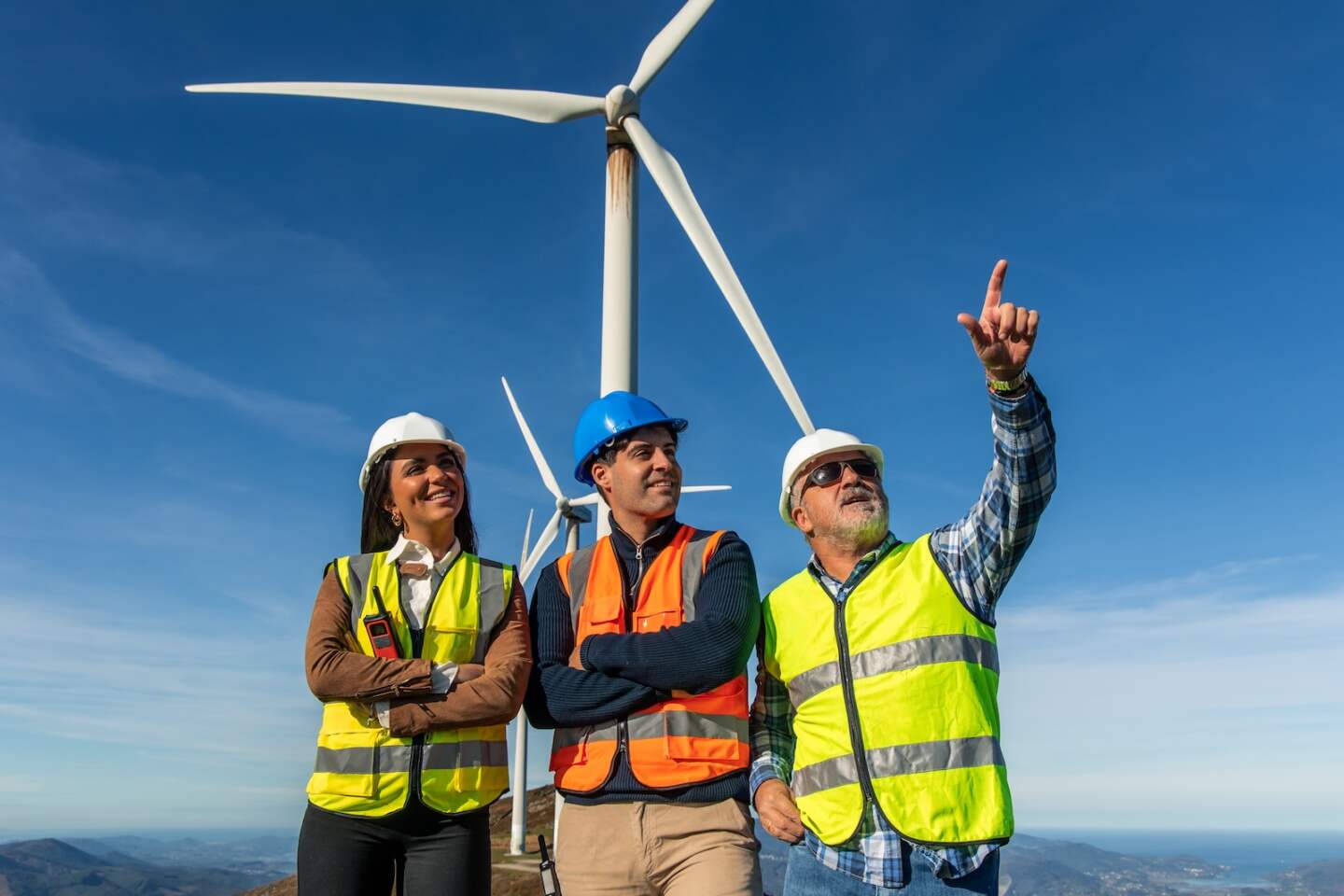
Canadian industries, both in the public and private sectors, must pivot from a dependency on foreign technologies, particularly those sourced from the US, towards the development and adoption of Canadian-made alternatives. The adoption of cleantech, in particular, must spearhead this transition. Canada possesses a wealth of innovative talent and technological expertise. We must leverage these assets to develop and deploy homegrown solutions that address our unique sustainability challenges and create new economic opportunities. This is not just about protecting domestic industries; it’s about fostering a culture of innovation and entrepreneurship that positions Canada as a global leader in cleantech.
“Canadian industries, both in the public and private sectors, must pivot from a dependency on foreign technologies, particularly those sourced from the US, towards the development and adoption of Canadian-made alternatives.”
Crucially, Canadian cleantech adoption isn’t just an environmental imperative; it’s a strategic business advantage. By embracing sustainable technologies, Canadian businesses can enhance productivity, streamline operations, and reduce long-term costs, thereby significantly boosting their competitiveness. This proactive approach will not only strengthen our domestic industries but also contribute to the overall resilience and competitiveness of Canada’s economy in the years to come.
3. Bridging domestic markets is possible through the strategic use of cleantech platforms.
Driving Canada’s economic transformation requires a concerted effort from government and industry. A centralized, government-supported platform is essential, and Foresight’s Cleantech Adoption Platform stands as a prime example. This platform effectively bridges the gap between Canadian public and private sector buyers and suppliers of proven cleantech. By creating an efficient marketplace for ready-to-deploy sustainable solutions, it accelerates domestic cleantech adoption and maximizes impact, which is vital for boosting the Canadian industry’s productivity and competitiveness in today’s economic climate.
The Cleantech Adoption Platform’s core function—connecting buyers and suppliers—offers a strategic opportunity to facilitate the shift from North-South to East-West trade. Expanding the platform’s scope will build robust East-West trade networks, driving the exchange of innovative technologies and fostering new partnerships. By simultaneously supporting domestic cleantech adoption and East-West trade, the platform maximizes its benefits. Increased usage strengthens network effects, amplifying its overall impact for all users.
“Government, industry, and non-profit organizations must work together to create a supportive ecosystem. This collaborative approach will enable businesses to swiftly adapt to changing market conditions, realign their strategies, and build a robust domestic market.”
To fully realize the platform’s potential, a culture of collaboration and partnership is essential. Government, industry, and non-profit organizations must work together to create a supportive ecosystem. This collaborative approach will enable businesses to swiftly adapt to changing market conditions, realign their strategies, and build a robust domestic market. Government must incentivize innovation, streamline regulations, and foster entrepreneurship. Industry must embrace collaboration and knowledge sharing to develop and deploy cutting-edge technologies. Non-profit organizations can serve as vital connectors, bridging the gap between partners. This collaborative ecosystem will amplify the effectiveness of the platform, driving both domestic adoption and East-West trade, both crucial to building a resilient Canadian economy.
Canada’s Cleantech Future
This is not just about weathering a temporary storm; it’s about seizing a strategic advantage. By prioritizing domestic resilience and fostering Canadian innovation and deployment, we can treat the current, rather precarious economic landscape as an opportunity for Canada to drive long-term prosperity. We can solidify Canada’s position as a global cleantech leader, building an economy that is both sustainable and equitable. But, to do this, we need bold and decisive action, and soon. We need to embrace economic development that prioritizes resilience, innovation, and collaboration.
Cleantech entrepreneurs thrive on challenge, and with their inherent determination and ability to spot opportunity amidst uncertainty, they will undoubtedly play a pivotal role in shaping Canada’s prosperous and sustainable future.
-
 Canada Excels at Climate Technology Innovation, but Struggles to Adopt It
 Tyler Hamilton
Senior Director of Climate
MaRS
Tyler Hamilton
Senior Director of Climate
MaRS
-
 Carbon Tech is Ours to Win if We Back What Works
 Mike Kelland
Co‑Founder, Chief Executive Officer, and Board Member
Planetary Technologies
Mike Kelland
Co‑Founder, Chief Executive Officer, and Board Member
Planetary Technologies
-
 Canada’s Cleantech Moment: 3 Actions to Lead the Global Sustainable Materials Race
 Mohammad Doostmohammadi
Founder, Director, and CEO
pH7 Technologies
Mohammad Doostmohammadi
Founder, Director, and CEO
pH7 Technologies