
Smart Climate Policy Will Unleash Forest-Based Energy Solutions

The United Nations has declared March 21 as the International Day of Forests. Canada’s vast forests blanket nearly 40% of the country and are not merely a testament to our rich natural heritage—they also represent significant untapped potential for driving our national and international transition towards a more sustainable green energy future.
The Potential of Canada’s Forest Biomass
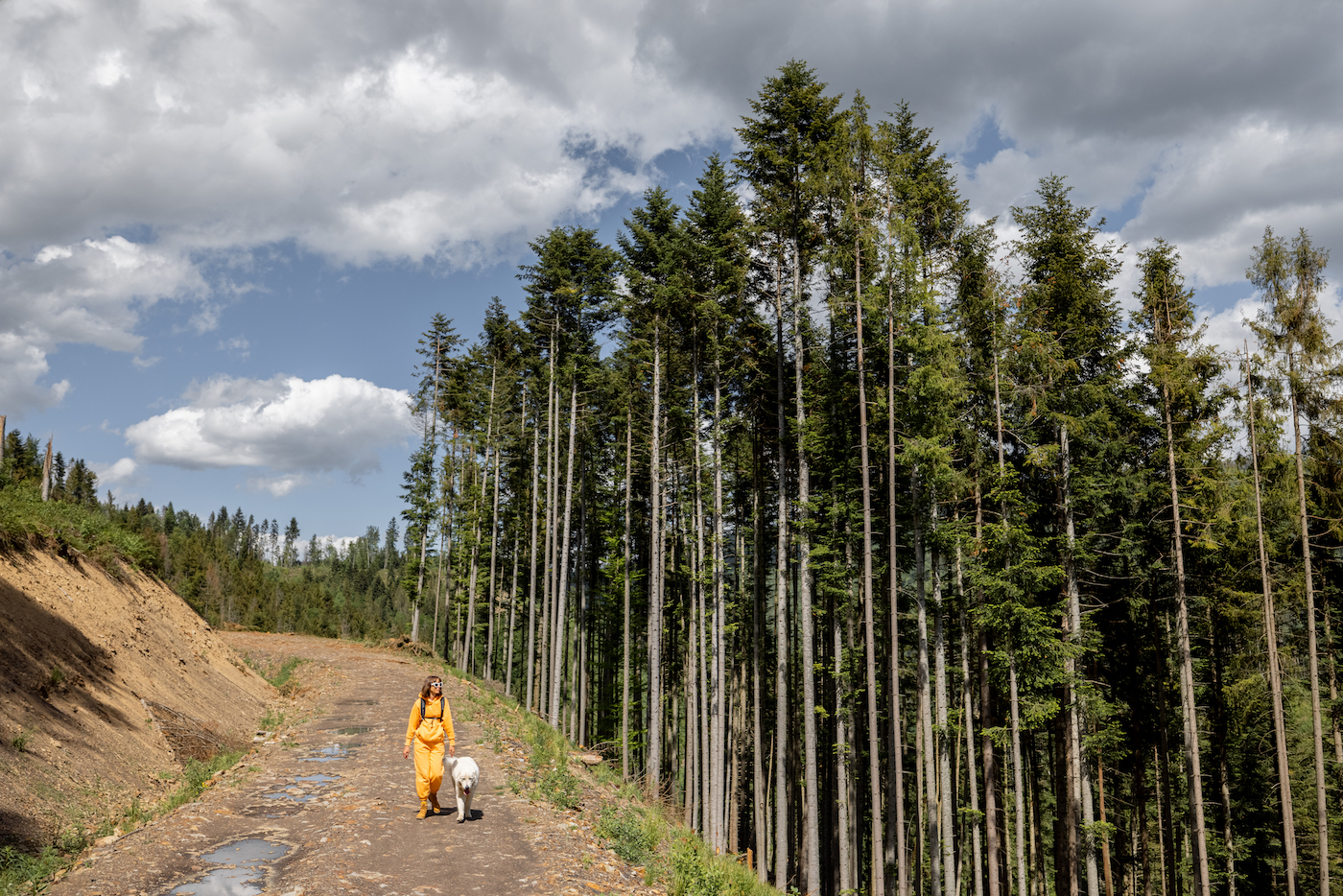
Canada’s forests are already one of the world’s most sustainable providers of renewable, reusable, and recyclable forest-based products and materials.
In fact, sustainably managed forests in Canada and the renewable products they provide play a vital role in helping us meet the UN’s Sustainable Development Goals (SDGs) while growing our green economy at home.
“Canada’s forests are already one of the world’s most sustainable providers of renewable, reusable, and recyclable forest-based products and materials.”
But the journey doesn’t end here.
Last November, the federal government took an important step in its 2023 Fall Economic Statement to incentivize the further decarbonization of forest sector mill operations and other industries looking to reduce carbon emissions.
In her budget update, Finance Minister Chrystia Freeland announced plans to include forest biomass—an important source of green energy for the industry and other industrial sectors—in the government’s investment tax credit framework that aims to accelerate Canada’s move to a lower carbon economy.
“The tax credit will allow mills, for example, to receive a refundable investment tax credit of up to 30% of the capital cost of building biomass technologies.”
The move to include forest biomass will improve the position of forest sector businesses looking to secure project financing for their clean energy investments and will help address the growing competitiveness gap given similar incentives south of the border via the US Inflation Reduction Act.
The tax credit will allow mills, for example, to receive a refundable investment tax credit of up to 30% of the capital cost of building biomass technologies (like modern industrial furnaces) that convert wood residuals like sawdust, branches, and bark into energy and lower carbon fuels. Such a climate policy will make a huge difference for not only the forest sector but also other heavy industrial users of energy looking to use waste biomass to reduce carbon emissions.
Biomass-based energy is both renewable and carbon-neutral. As trees grow, they absorb carbon dioxide from the atmosphere transforming it into biomass. In addition, utilization of these materials is good for the environment because these wood residuals would otherwise be left to pile up, decompose, or burn in forests, often releasing more harmful greenhouse gases into the atmosphere regardless. Why not turn this lower-grade wood into electricity or heat instead?
Eventually, we will get to the point where this technology is combined with carbon capture to produce the holy grail of climate action: negative emissions.
While most of Canada’s mills already rely on this sort of energy to power their facilities, it’s an underutilized technology nationwide.
Climate Policy for Forest-Based Energy Solutions

Biomass currently accounts for 5% to 6% of domestic energy production, but we estimate that number can rise to as much as 25% with the right government policies. Given the vast availability of wood-based feedstock (Canada has nearly 10% of the world’s forests), there is potential to do so much more.
“Biomass currently accounts for 5% to 6% of domestic energy production, but we estimate that number can rise to as much as 25% with the right government policies.”
The gains, meanwhile, extend far beyond the direct impact of lowering carbon emissions.
For one, an important advantage of the policy is that it greatly benefits rural and Indigenous communities and the resource sectors that sustain them.
Biomass is an extremely versatile technology that provides energy security and economic opportunities to remote areas of the country—often off the grid—that currently rely on diesel fuel and heating oil.
For example, Indigenous-owned biomass facilities, such as the Whitesand Bioeconomy Centre, will create hundreds of full-time jobs while simultaneously meeting local energy needs.
The tax credit will also promote development of the biomass supply chain network, helping us maximize use of our abundant wood resources, whether it be wood produced from sustainable forestry practices such as wildfire mitigation or unused materials from trees such as branches and tree tops. This will support thousands of jobs in rural Canada, encourage innovation, help build local economies, and provide new sources of income for landowners and farmers.
“The residuals used by biomass conversion technologies tend to be wildfire prone. After a year of record fires, developing a market for such low-grade wood offers a promising way to mitigate this trend.”
Another big advantage is that it will provide economic incentives for better land and forestry management, including wildfire mitigation efforts.
The residuals used by biomass conversion technologies tend to be wildfire prone. After a year of record fires, developing a market for such low-grade wood offers a promising way to mitigate this trend.
More importantly, the federal government’s move will make Canada a more attractive destination for investment.
At the end of the day, bringing biomass under the tax credit umbrella is smart climate policy. It’s an acknowledgement that a wide range of technologies will be required to meet our targets and that every sector should have an opportunity to thrive in a low-carbon world.
As we set our sights on building a greener tomorrow, Canada’s forest sector looks forward to working with federal decision-makers to help accelerate our sector’s move to a lower carbon economy and improve economic opportunities for rural and northern workers and families in the process.
-
 Tall Trees, Strong Roots: Untold Stories in Indigenous Forestry
 John Desjarlais
Executive Director
Indigenous Resource Network
John Desjarlais
Executive Director
Indigenous Resource Network
-
 Leveraging Sustainable Wood Construction to Beat the Housing Crisis
 Rick Jeffery
President and CEO
Canadian Wood Council
Rick Jeffery
President and CEO
Canadian Wood Council
-
 Rebranding Canada as a Leading Sustainable Mining and Metals Economy
 Jean Simard
President & CEO
Aluminium Association of Canada
Jean Simard
President & CEO
Aluminium Association of Canada