
Canada’s Hydrogen Strategy: Pioneering a Low-Carbon Future

In 2020, the Government of Canada released an ambitious Hydrogen Strategy that positioned Canada as a world-leading producer, user and exporter of low-carbon hydrogen and associated technologies. This strategy set Canada on the path to meeting its climate change goals of becoming net-zero by 2050.
Hydrogen can be used in numerous end-uses. It is used as a low-carbon transportation fuel for fuel cell vehicles and co-combustion engines, power generation for fuel cell generators and hydrogen turbines, heat for industries needing high-grade heat, like the cement, steel, and paper industries, heating buildings in boilers, and feedstock for fossil fuel refining, chemicals, and liquid synthetic fuels.
Canada’s chemistry sector is a key player in the emerging hydrogen economy, and it plays an important role as a significant hydrogen producer, distributor, and consumer.
The Hydrogen-Fuelled Future
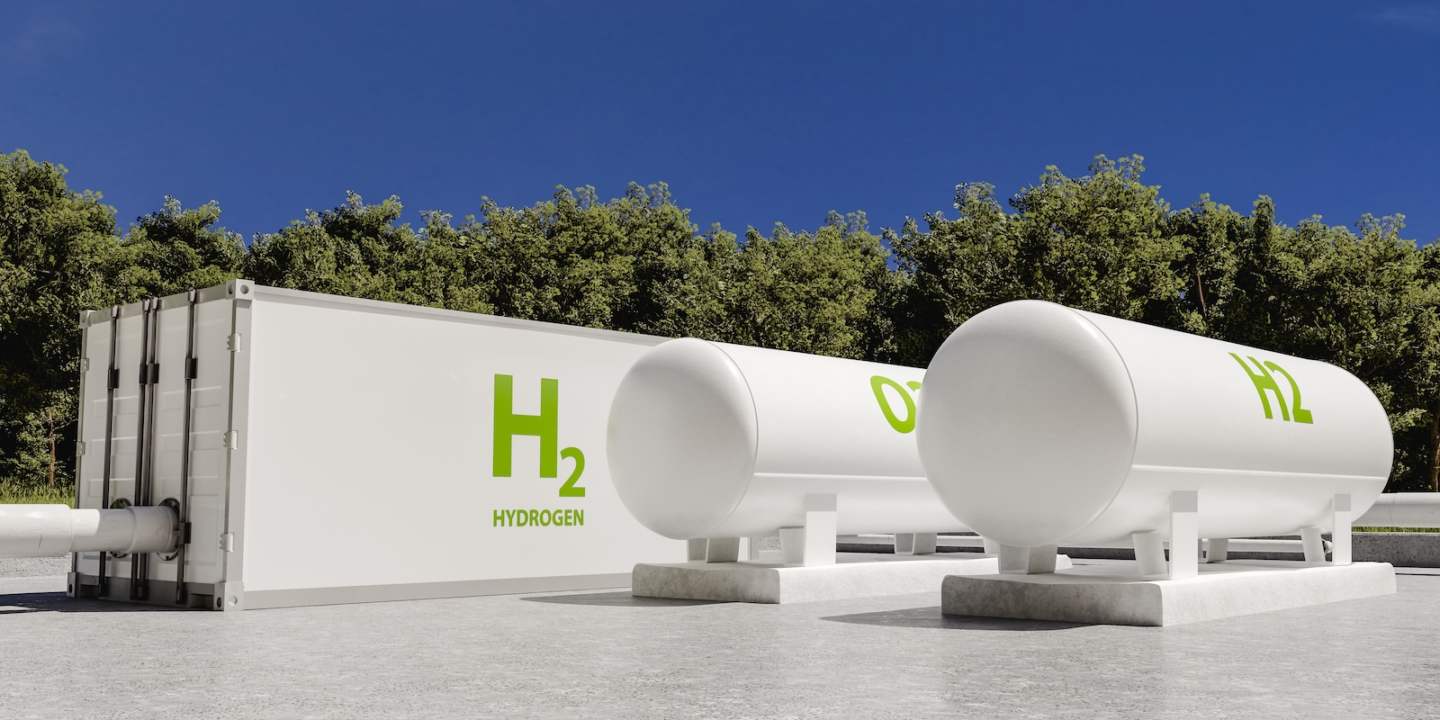
Hydrogen is often a co-product in the production of Canada’s electrochemistry and petrochemistry industries. For instance, the production of chlorine and sodium chlorate, both used in the production of clean drinking water and forest products, amongst other uses, results in the release of hydrogen from the electrolysis of water.
“As the lowest carbon fuel, hydrogen is essential to decarbonizing Canada’s most energy-intensive industries, like the chemistry industry.”
The chemistry sector is also poised to be an important consumer of hydrogen. Canada has committed to reducing GHG emissions by 30% below 2005 levels by 2030 under the Paris Agreement. It has also joined 72 other nations in an ambitious pledge to achieve net-zero emissions by 2050. As the lowest carbon fuel, hydrogen is essential to decarbonizing Canada’s most energy-intensive industries, like the chemistry industry.
In recent years, electro-chemical sites across Canada have been retrofitted to capture a portion of their hydrogen and use it as a combustion fuel for building heat in their own facilities. This replaces natural gas and reduces site wide greenhouse gas emissions. The hydrogen generated from these facilities, however, often exceeds the needs of the site. Companies such as ERCO Worldwide and Chemtrade Logisitics are partnering with others to bring this excess hydrogen to market and accelerate the adoption of zero-carbon hydrogen in long-haul transportation.
Hydrogen is also a co-product in the production of petrochemicals such as ethylene, the single largest produced industrial chemical in Canada. Like in the electro-chemical process, a portion of this hydrogen is already being captured and reintroduced in facilities as a substitute for natural gas. In 2023, Dow announced plans to build the world’s first net-zero scope 1 and 2 emissions petrochemical facility. The new facility will be designed to capture, clean and reuse the by-product process off-gas, and reintroduce the resulting hydrogen as fuel in what is being referred to as “a circular hydrogen process.”
Dow is partnering with industrial gases and engineering company Linde which is converting the methane formed as a by-product in Dow’s ethylene production into hydrogen and CO2, the latter of which is captured, transported and sequestered.
Other hydrogen production facilities are planned to support the transition to a low-carbon economy in key chemical-producing clusters such as Fort Saskatchewan, Alberta, and Bécancour, Quebec, where Air Liquide has completed construction of the world’s largest “green” hydrogen electrolyzer.
The Economic Opportunity for Hydrogen
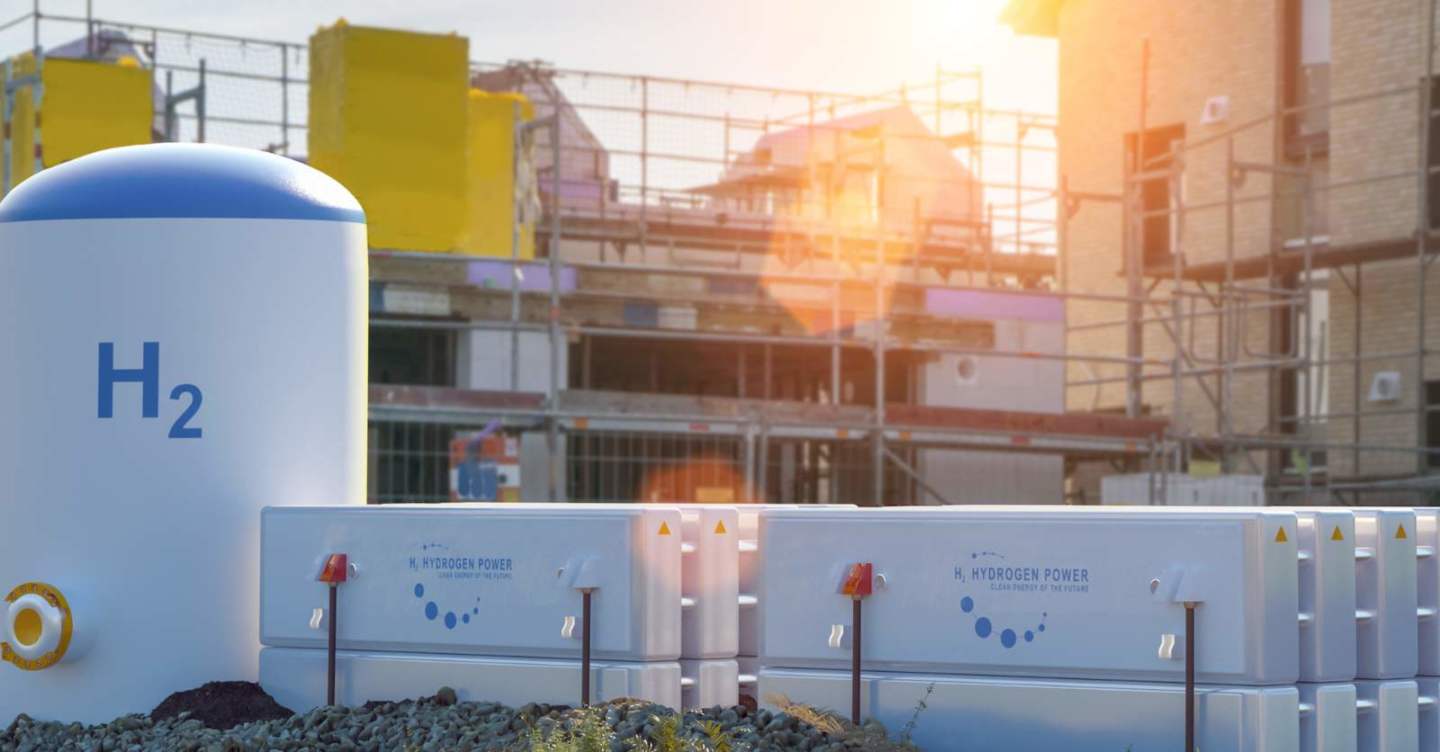
Canada’s chemistry industry also has the potential to play a key role in delivering hydrogen to offshore markets, assisting other countries in meeting their own climate change commitments. While carbon free, the transportation of hydrogen over long-distances is an expensive and technologically challenging task. One solution to this problem is to carry the hydrogen in an embedded form in other chemistries such as methanol or ammonia.
At present, there are more than 10 proposals in Alberta and British Columbia, several of which involve First Nations proponents, to generate hydrogen from Western Canada’s abundant natural gas resources, capture and store the carbon dioxide emissions associated with the hydrogen production, and then convert the hydrogen to ammonia and/or methanol.
These projects would export the zero-carbon energy via the Port of Prince Rupert to Asian markets where it will be used to reduce carbon intensity of their economy. Both Japan and South Korea have signaled their desire to purchase ammonia from the international market and there is a limited window of opportunity for Canada to participate and establish itself as a preferred jurisdiction for the global supply of clean hydrogen-as-ammonia.
The Japanese government’s Contract for Differences program has an aggressive timeline, with projects set to be selected by the end of 2024 and supply beginning in 2030. Similarly, the South Korean government has their own incentives to promote hydrogen-as-ammonia and is targeting imports to start in 2027. Both countries initially identified Canada as a potential safe, reliable and secure partner that could provide cost-competitive clean hydrogen-as-ammonia
“More work needs to be done for the sector to maximize its contributions and to assist in realizing the objective of a $50 billion contribution from hydrogen as proposed under the federal government’s Hydrogen Strategy for Canada.”
While Canada’s chemistry industry is indeed at the center of the emerging hydrogen economy, more work needs to be done for the sector to maximize its contributions and to assist in realizing the objective of a $50 billion contribution from hydrogen as proposed under the federal government’s Hydrogen Strategy for Canada.
The Government’s Role in Capturing the Hydrogen Opportunity
The chemistry industry was pleased to see the federal government’s long-awaited Clean Economy Investment Tax Credits (ITCs) enacted into law in June 2024 with the passing of Bills C-59 and C-69. Companies can now apply for the first four Clean Economy ITCs which include: the Clean Technology ITC, the Carbon Capture, Utilization and Storage (CCUS) ITC, the Clean Technology Manufacturing ITC, and the Clean Hydrogen ITC. The federal government anticipates providing eligible companies approximately $93 billion in federal incentives by 2034–35.
For many companies in the chemistry and plastics sector, ITCs are essential to expanding carbon capture and storage (CCS) projects, which will play a key role in reducing greenhouse gas emissions (GHG). The federal government has committed to reducing GHG emissions to 30% below 2005 levels by 2030.
The federal ITCs are complemented by the Alberta Carbon Capture Incentive Program, which provides grants to help accelerate the development of carbon capture, utilization and storage in Alberta.
“New standards and rules need to emerge quickly to enable the maximum safe utilization of hydrogen across the economy.”
The federal government must work closely with the provinces, which regulate all aspects of fuel combustion in homes, buildings and industry. New standards and rules need to emerge quickly to enable the maximum safe utilization of hydrogen across the economy.
Finally, continued attention is needed by Transport Canada in developing the regulations and standards to support the movement of hydrogen over long distances for domestic use and for the movement of large volumes of ammonia for export to international markets.
CIAC members are at the forefront of innovation, working to continuously improve the environmental, health and safety performance of their operations through our UN-recognized chemistry ESG initiative, Responsible Care. They are also at the forefront of providing solutions to enable low-carbon solutions for other areas of the economy, such as transportation, buildings, energy generation and other industries. It should come as no surprise then that Canada’s chemistry sector is positioning itself as a central contributor to the emerging hydrogen economy.
-
 Building Canada’s Future Hydrogen Economy
 Alanna Hnatiw
Mayor
Sturgeon County
Alanna Hnatiw
Mayor
Sturgeon County
 Bob Masterson
President and CEO
Chemistry Industry Association of Canada
Bob Masterson
President and CEO
Chemistry Industry Association of Canada
-
 Plastics: Capturing their Value Sustainably
 Rocky Vermani
Senior Vice President, Innovation and Sustainability
NOVA Chemicals
Rocky Vermani
Senior Vice President, Innovation and Sustainability
NOVA Chemicals
 Cher Mereweather
Managing Director
Canada Plastics Pact
Bob Masterson
President and CEO
Chemistry Industry Association of Canada
Cher Mereweather
Managing Director
Canada Plastics Pact
Bob Masterson
President and CEO
Chemistry Industry Association of Canada
-
 A Decarbonized Petrochemical Future
 Diego Ordonez
President
Dow Canada
Bob Masterson
President and CEO
Chemistry Industry Association of Canada
Diego Ordonez
President
Dow Canada
Bob Masterson
President and CEO
Chemistry Industry Association of Canada