
Canada’s Energy Industry and the Future Economy
-
 Video Interview
Consent, Not Checkboxes: Energy Projects and Indigenous Rights in Canada
Video Interview
Consent, Not Checkboxes: Energy Projects and Indigenous Rights in Canada
 John Cook
Senior VP & Portfolio Manager
Mackenzie Investments
John Cook
Senior VP & Portfolio Manager
Mackenzie Investments
 Raylene Whitford
Director
Canative Energy
Raylene Whitford
Director
Canative Energy
-
 Op-Ed
Smart Buildings in Canada: The Key to Achieving Net-Zero Emissions
Op-Ed
Smart Buildings in Canada: The Key to Achieving Net-Zero Emissions
 Peter Lukacko
VP, Smart Infrastructure
Siemens Canada
Peter Lukacko
VP, Smart Infrastructure
Siemens Canada
-
 Video Interview
Canada’s Energy Superpower Moment: What It Will Take to Build
Video Interview
Canada’s Energy Superpower Moment: What It Will Take to Build
 Christine Healy
President & CEO
Northland Power
John Cook
Senior VP & Portfolio Manager
Mackenzie Investments
Christine Healy
President & CEO
Northland Power
John Cook
Senior VP & Portfolio Manager
Mackenzie Investments
-
 Video Interview
The Culture and Politics of Building an Energy Superpower
John Cook
Senior VP & Portfolio Manager
Mackenzie Investments
Video Interview
The Culture and Politics of Building an Energy Superpower
John Cook
Senior VP & Portfolio Manager
Mackenzie Investments
 Jackie Forrest
Executive Director
ARC Energy Research Institute
Jackie Forrest
Executive Director
ARC Energy Research Institute
 Dr. Bruce Lourie
President
Ivey Foundation
Dr. Bruce Lourie
President
Ivey Foundation
-
 Op-Ed
Powering the Global Energy Future: Anticipating the Next Great Energy Transformation
Op-Ed
Powering the Global Energy Future: Anticipating the Next Great Energy Transformation
 David Rutherford
AVP, Sustainability Research & Insights
Mackenzie Investments
David Rutherford
AVP, Sustainability Research & Insights
Mackenzie Investments
-
 Op-Ed
The Clean Growth Imperative: How Energy Efficiency, Automation and Electrification Can Drive Canada’s Sustainable Economy
Op-Ed
The Clean Growth Imperative: How Energy Efficiency, Automation and Electrification Can Drive Canada’s Sustainable Economy
 Vince Pesce
Country Holding Officer
ABB Canada
Vince Pesce
Country Holding Officer
ABB Canada
-
 Op-Ed
Canada’s at a Hinge Point in Energy: How to Turn This Moment Into Momentum
Op-Ed
Canada’s at a Hinge Point in Energy: How to Turn This Moment Into Momentum
 Monica Gattinger
Founding Chair of Positive Energy
uOttawa
Monica Gattinger
Founding Chair of Positive Energy
uOttawa
-
 Op-Ed
An East-West Oil Pipeline Would be a Failure of National Imagination
Op-Ed
An East-West Oil Pipeline Would be a Failure of National Imagination
 Jatin Nathwani
Professor Emeritus
University of Waterloo
Jatin Nathwani
Professor Emeritus
University of Waterloo
-
 Op-Ed
Powering the Future: How Canada Can Lead in Energy Storage Innovation
Op-Ed
Powering the Future: How Canada Can Lead in Energy Storage Innovation
 Justin W. Rangooni
President and CEO
Energy Storage Canada
Justin W. Rangooni
President and CEO
Energy Storage Canada
-
 Op-Ed
Canada Needs Nuclear Energy to Meet the AI Moment
Op-Ed
Canada Needs Nuclear Energy to Meet the AI Moment
 Joe St-Julian
President of Nuclear
AtkinsRéalis
Joe St-Julian
President of Nuclear
AtkinsRéalis
-
 Op-Ed
The Demand for Data Centres is an Opportunity to Fuel a Sustainable AI Future
Op-Ed
The Demand for Data Centres is an Opportunity to Fuel a Sustainable AI Future
 Jim Kalogiros
Vice President, Secure Power
Schneider Electric
Jim Kalogiros
Vice President, Secure Power
Schneider Electric
-
 Op-Ed
Navigating the Transition to Electric Public Transit in Canada
Op-Ed
Navigating the Transition to Electric Public Transit in Canada
 Michael Habouri
Innovation & Strategy Leader for Mobility Solutions
Schneider Electric
Michael Habouri
Innovation & Strategy Leader for Mobility Solutions
Schneider Electric
-
 Op-Ed
AI and the Electric Grid: Friends or Foes?
Op-Ed
AI and the Electric Grid: Friends or Foes?
 Josh Wong
Founder & CEO
ThinkLabs AI
Josh Wong
Founder & CEO
ThinkLabs AI
-
 Video Interview
A Decarbonized Petrochemical Future
Video Interview
A Decarbonized Petrochemical Future
 Diego Ordonez
President
Dow Canada
Diego Ordonez
President
Dow Canada
 Bob Masterson
President and CEO
Chemistry Industry Association of Canada
Bob Masterson
President and CEO
Chemistry Industry Association of Canada
-
 Spotlight Interview
Marine Biofuels: Transitioning to Decarbonized Shipping
Spotlight Interview
Marine Biofuels: Transitioning to Decarbonized Shipping
 John Sypnowich
Chief Legal and Sustainability Officer
CSL Group
John Sypnowich
Chief Legal and Sustainability Officer
CSL Group
-
 Spotlight Interview
Enabling Consumers to Participate in Canada’s Electrified Future
Spotlight Interview
Enabling Consumers to Participate in Canada’s Electrified Future
 Moe Kabbara
Vice President
The Transition Accelerator
Moe Kabbara
Vice President
The Transition Accelerator
-
 Spotlight Interview
Creating A Transportation and Energy Policy Framework for Canada
Spotlight Interview
Creating A Transportation and Energy Policy Framework for Canada
 Josipa Petrunic
President and CEO
Canadian Urban Transit Research & Innovation Consortium (CUTRIC)
Josipa Petrunic
President and CEO
Canadian Urban Transit Research & Innovation Consortium (CUTRIC)
-
 Spotlight Interview
A Sales Mandate for Zero-Emissions MHDVs
Spotlight Interview
A Sales Mandate for Zero-Emissions MHDVs
 Adam Thorn
Program Director, Transportation Policy
Pembina Institute
Adam Thorn
Program Director, Transportation Policy
Pembina Institute
-
 Spotlight Interview
Sustainable Aviation Fuel is the Best Option for Decarbonizing Aviation
Spotlight Interview
Sustainable Aviation Fuel is the Best Option for Decarbonizing Aviation
 Pierre Ruel
Director of Strategy and Policy
Boeing Canada
Pierre Ruel
Director of Strategy and Policy
Boeing Canada
-
 Spotlight Interview
How to Accelerate the Decarbonization of Airports
Spotlight Interview
How to Accelerate the Decarbonization of Airports
 Tamara Vrooman
President and CEO
Vancouver International Airport
Tamara Vrooman
President and CEO
Vancouver International Airport
-
 Spotlight Interview
Stakeholders Must Join Forces to Decarbonize Aviation
Spotlight Interview
Stakeholders Must Join Forces to Decarbonize Aviation
 Benoît Schultz
CEO
Airbus Canada
Benoît Schultz
CEO
Airbus Canada
-
 Spotlight Interview
Driving Canada’s Competitiveness in Sustainable Aviation Fuels
Spotlight Interview
Driving Canada’s Competitiveness in Sustainable Aviation Fuels
 Geoff Tauvette
Executive Director
Canadian Council for Sustainable Aviation Fuels (C-SAF)
Geoff Tauvette
Executive Director
Canadian Council for Sustainable Aviation Fuels (C-SAF)
-
 Op-Ed
The High-Risk Climate Contradictions of the Canada Pension Plan
Op-Ed
The High-Risk Climate Contradictions of the Canada Pension Plan
 Patrick DeRochie
Senior Manager
Shift Action for Pension Wealth and Planet Health
Patrick DeRochie
Senior Manager
Shift Action for Pension Wealth and Planet Health
-
 Op-Ed
The Hunt for Talent in Canada’s Electricity Sector
Op-Ed
The Hunt for Talent in Canada’s Electricity Sector
 Francis Bradley
President and CEO
Electricity Canada
Francis Bradley
President and CEO
Electricity Canada
-
 Op-Ed
How Canada Can Fulfill Its Hydrogen Leadership Potential
Op-Ed
How Canada Can Fulfill Its Hydrogen Leadership Potential
 Bruno Pollet
Director of the Green Hydrogen Lab
The University of Quebec at Trois-Rivières
Bruno Pollet
Director of the Green Hydrogen Lab
The University of Quebec at Trois-Rivières
-
 Op-Ed
Nunavut’s Untapped Potential: The Infrastructure Gap and Arctic Security
Op-Ed
Nunavut’s Untapped Potential: The Infrastructure Gap and Arctic Security
 Anne-Raphaëlle Audouin
Chief Executive Officer
Nukik Corporation
Anne-Raphaëlle Audouin
Chief Executive Officer
Nukik Corporation
-
 Op-Ed
Raising Investment for Geothermal Energy in Canada
Op-Ed
Raising Investment for Geothermal Energy in Canada
 Paul Cairns
Co-Founder and Chief Business Development Officer
Eavor Technologies Inc.
Paul Cairns
Co-Founder and Chief Business Development Officer
Eavor Technologies Inc.
-
 Op-Ed
How to Drive Fleet Electrification in Canada
Op-Ed
How to Drive Fleet Electrification in Canada
 Frans Tjallingii
CEO and Co Founder
7Gen
Frans Tjallingii
CEO and Co Founder
7Gen
-
 Op-Ed
Long-Duration Energy Storage: Insurance for a 100% Renewable Grid
Op-Ed
Long-Duration Energy Storage: Insurance for a 100% Renewable Grid
 Curtis VanWalleghem
CEO
Hydrostor
Curtis VanWalleghem
CEO
Hydrostor
-
 Op-Ed
Composting: the Foundation of Sustainable Waste Management
Op-Ed
Composting: the Foundation of Sustainable Waste Management
 Douglas Horne
Founder and CEO
Evanesce
Douglas Horne
Founder and CEO
Evanesce
-
 Op-Ed
How Canada Can Lead in Nuclear Power
Op-Ed
How Canada Can Lead in Nuclear Power
 Mike Rencheck
President and CEO
Bruce Power
Mike Rencheck
President and CEO
Bruce Power
-
 Op-Ed
Alberta: Poised to Benefit the Most from the Inflation Reduction Act
Op-Ed
Alberta: Poised to Benefit the Most from the Inflation Reduction Act
 Mark Zacharias
Executive Director
Clean Energy Canada
Mark Zacharias
Executive Director
Clean Energy Canada
 Ollie Sheldrick-Moyle
Program Manager
Clean Energy Canada
Ollie Sheldrick-Moyle
Program Manager
Clean Energy Canada
-
 Op-Ed
Reducing Barriers to the EV Transition in Canada
Op-Ed
Reducing Barriers to the EV Transition in Canada
 Brian Kingston
President and CEO
Canadian Vehicle Manufacturers' Association
Brian Kingston
President and CEO
Canadian Vehicle Manufacturers' Association
-
 Op-Ed
5 Ways Canada is Leading in the Clean Economy
Op-Ed
5 Ways Canada is Leading in the Clean Economy
 John Aldag
Member of Parliament, Chair of the Natural Resources Committee
Natural Resources Committee
John Aldag
Member of Parliament, Chair of the Natural Resources Committee
Natural Resources Committee
-
 Op-Ed
Why Canada Must Increase Investment in Decarbonizing Its Chemistry Industry
Bob Masterson
President and CEO
Chemistry Industry Association of Canada
Op-Ed
Why Canada Must Increase Investment in Decarbonizing Its Chemistry Industry
Bob Masterson
President and CEO
Chemistry Industry Association of Canada
-
 Op-Ed
How to Advance Canada’s Critical Minerals Industry to Win in the Energy Transition
Op-Ed
How to Advance Canada’s Critical Minerals Industry to Win in the Energy Transition
 Mark Jarvis
CEO and Chairman of the Board
Giga Metals
Mark Jarvis
CEO and Chairman of the Board
Giga Metals
-
 Op-Ed
How to Accelerate Electrification in Canada’s Transport Systems
Op-Ed
How to Accelerate Electrification in Canada’s Transport Systems
 Brent Hartman
Director of Fuel & Transportation Standards
CSA Group
Brent Hartman
Director of Fuel & Transportation Standards
CSA Group
-
 Op-Ed
What Must Canada Do to Fulfill Its Net Zero Ambitions?
Op-Ed
What Must Canada Do to Fulfill Its Net Zero Ambitions?
 Normand Mousseau
Scientific Director
Institut de l'énergie Trottier (IET)
Normand Mousseau
Scientific Director
Institut de l'énergie Trottier (IET)
-
 Op-Ed
How to Build Canada’s Energy Transition Action Plan
Op-Ed
How to Build Canada’s Energy Transition Action Plan
 Lance Mortlock
Managing Partner, Energy and Resources
EY Canada
Lance Mortlock
Managing Partner, Energy and Resources
EY Canada
-
 Op-Ed
How Canada Can Win in Cleantech
Op-Ed
How Canada Can Win in Cleantech
 Mike Wilson
Executive Director
Smart Prosperity Institute
Mike Wilson
Executive Director
Smart Prosperity Institute
 Anik Islam
Senior Research Associate
Smart Prosperity Institute
Anik Islam
Senior Research Associate
Smart Prosperity Institute
-
 Op-Ed
3 Ways to Build A More Inclusive Canadian Energy Industry
Op-Ed
3 Ways to Build A More Inclusive Canadian Energy Industry
 Antoine Mindjimba
Culture and DE&I Lead
EY
Antoine Mindjimba
Culture and DE&I Lead
EY
 Karleen Batty
Energy and Resources Strategy and Transactions Leader
EY
Karleen Batty
Energy and Resources Strategy and Transactions Leader
EY
-
 Op-Ed
How to Charge Up Canada’s Battery Supply Chain
Op-Ed
How to Charge Up Canada’s Battery Supply Chain
 Dan Blondal
CEO, Director and Founder
Nano One Materials
Dan Blondal
CEO, Director and Founder
Nano One Materials
-
 Op-Ed
Net-Zero by 2050: Canada’s To-Do List
Op-Ed
Net-Zero by 2050: Canada’s To-Do List
 Vittoria Bellissimo
President and CEO
Canadian Renewable Energy Association (CanREA)
Vittoria Bellissimo
President and CEO
Canadian Renewable Energy Association (CanREA)
-
 Op-Ed
The Net-Zero Transition in Canada: Decentralised Energy’s Role
Op-Ed
The Net-Zero Transition in Canada: Decentralised Energy’s Role
 Alicia Couto
Industry Standards Lead
Decentralised Energy Canada
Alicia Couto
Industry Standards Lead
Decentralised Energy Canada
-
 Op-Ed
The Energy Transition is Happening – Will Canada Notice?
Op-Ed
The Energy Transition is Happening – Will Canada Notice?
 Gareth Gransaull
Co-Executive Director
Re_Generation
Gareth Gransaull
Co-Executive Director
Re_Generation
-
 Video Interview
How to Build the Infrastructure Canada Needs to Accelerate Economic Growth
Video Interview
How to Build the Infrastructure Canada Needs to Accelerate Economic Growth
 Mark Wiseman
Chairman of the Board
Alberta Investment Management Corporation
Mark Wiseman
Chairman of the Board
Alberta Investment Management Corporation
-
 Video Interview
How Canada can Fight Climate Change with Tech We Have Now
Video Interview
How Canada can Fight Climate Change with Tech We Have Now
 Bob McDonald
Host
Quirks and Quarks with Bob McDonald
Bob McDonald
Host
Quirks and Quarks with Bob McDonald
-
 Op-Ed
Auto, Ag and Energy: Why Canada Needs a Strong Domestic Semiconductor Industry
Op-Ed
Auto, Ag and Energy: Why Canada Needs a Strong Domestic Semiconductor Industry
 Melissa Chee
President and CEO
ventureLAB
Melissa Chee
President and CEO
ventureLAB
-
 Op-Ed
Canada Needs EV Charging Infrastructure to Transition to a Clean Economy
Op-Ed
Canada Needs EV Charging Infrastructure to Transition to a Clean Economy
 Carter Li
CEO and Co-Founder
SWTCH Energy
Carter Li
CEO and Co-Founder
SWTCH Energy
-
 Op-Ed
Real World Data Insights are Critical to Electrification Progress
Op-Ed
Real World Data Insights are Critical to Electrification Progress
 Neil Cawse
CEO and Founder
Geotab
Neil Cawse
CEO and Founder
Geotab
-
 Video Interview
Geothermal Energy’s Potential in Alberta and Canada
Video Interview
Geothermal Energy’s Potential in Alberta and Canada
 Alison Thompson
President and CEO
Borealis GeoPower
Alison Thompson
President and CEO
Borealis GeoPower
-
 Video Interview
Capital and the US Market for Canada’s Entrepreneurs
Video Interview
Capital and the US Market for Canada’s Entrepreneurs
 Brett Chell
President and CEO
Cold Bore Technology
Brett Chell
President and CEO
Cold Bore Technology
-
 Video Interview
Transformative Sectors in Edmonton’s Economy
Video Interview
Transformative Sectors in Edmonton’s Economy
 Malcolm Bruce
CEO
Edmonton Global
Malcolm Bruce
CEO
Edmonton Global
-
 Video Panels
Panel on Canada’s Electricity Workforce: Adapting for the Future
Video Panels
Panel on Canada’s Electricity Workforce: Adapting for the Future
 Kevin Weaver
Vice President Academic
Georgian College
Kevin Weaver
Vice President Academic
Georgian College
 Roberta Hykawy
Assistant Business Manager
International Brotherhood of Electrical Workers
Roberta Hykawy
Assistant Business Manager
International Brotherhood of Electrical Workers
 Adrian Thomas
Country President
Schneider Electric
Adrian Thomas
Country President
Schneider Electric
-
 Video Interview
Indigenous Participation in Canada’s Electricity Sector
Video Interview
Indigenous Participation in Canada’s Electricity Sector
 Eryn Stewart
Managing Director
Indigenous Clean Energy (ICE)
Eryn Stewart
Managing Director
Indigenous Clean Energy (ICE)
 Ricky-Lee Watts
Youth Program Manager
Indigenous Clean Energy (ICE)
Ricky-Lee Watts
Youth Program Manager
Indigenous Clean Energy (ICE)
-
 Video Interview
Youth Engagement in the Future Electricity Workforce
Video Interview
Youth Engagement in the Future Electricity Workforce
 Meredith Adler
Executive Director
Student Energy
Meredith Adler
Executive Director
Student Energy
-
 Video Interview
Work-Integrated Learning’s Future in Canadian Industry
Video Interview
Work-Integrated Learning’s Future in Canadian Industry
 Anne-Marie Fannon
Director, Work-Integrated Learning Programs
University of Waterloo
Anne-Marie Fannon
Director, Work-Integrated Learning Programs
University of Waterloo
-
 Video Interview
Canada’s Future Workforce and Work-Integrated Learning
Video Interview
Canada’s Future Workforce and Work-Integrated Learning
 Sarah Plouffe
Director of the Student Work Placement Program
Employment and Social Development Canada (ESDC)
Sarah Plouffe
Director of the Student Work Placement Program
Employment and Social Development Canada (ESDC)
-
 Video Interview
Transitioning Canada’s Electricity Workforce
Video Interview
Transitioning Canada’s Electricity Workforce
 Najlaa Rauf
VP of People and Culture
Spark Power Corp.
Najlaa Rauf
VP of People and Culture
Spark Power Corp.
-
 Video Interview
Training Canada’s Future Electricity Workforce
Video Interview
Training Canada’s Future Electricity Workforce
 Kathy McCrum
VP, HR and Safety
SaskPower
Kathy McCrum
VP, HR and Safety
SaskPower
-
 Video Interview
Climate Change’s Impact on Canada’s Electricity Sector
Video Interview
Climate Change’s Impact on Canada’s Electricity Sector
 Ken Hartwick
President & CEO
Ontario Power Generation (OPG)
Ken Hartwick
President & CEO
Ontario Power Generation (OPG)
-
 Video Interview
Upskilling the Canadian Electricity Sector Workforce
Video Interview
Upskilling the Canadian Electricity Sector Workforce
 Michelle Branigan
Chief Executive Officer
Electricity Human Resources Canada
Michelle Branigan
Chief Executive Officer
Electricity Human Resources Canada
-
 Video Interview
The Importance of Collaborative Sectoral Decarbonization
Video Interview
The Importance of Collaborative Sectoral Decarbonization
 Patrick Carré
Vice President of Commercial Road Transport
Sectors and Decarbonization Division, Shell
Patrick Carré
Vice President of Commercial Road Transport
Sectors and Decarbonization Division, Shell
-
 Video Panels
Decarbonizing Canada’s Industries Panel
Video Panels
Decarbonizing Canada’s Industries Panel
 Tonja Leach
Executive Director
QUEST Canada
Tonja Leach
Executive Director
QUEST Canada
 Robin Silvester
President & CEO
Vancouver Fraser Port Authority
Robin Silvester
President & CEO
Vancouver Fraser Port Authority
 Adam Auer
Vice-President, Environment & Sustainability
Cement Association of Canada
Adam Auer
Vice-President, Environment & Sustainability
Cement Association of Canada
-
Video Interview
Indigenous Participation in Canada’s Energy Transition
 Sandra Sutter
Manager, Indigenous Partnerships
PTW Energy
Sandra Sutter
Manager, Indigenous Partnerships
PTW Energy
-
 Video Panels
Indigenous Participation in Canada’s Energy Transition Panel
Sandra Sutter
Manager, Indigenous Partnerships
PTW Energy
Video Panels
Indigenous Participation in Canada’s Energy Transition Panel
Sandra Sutter
Manager, Indigenous Partnerships
PTW Energy
 Ernie Daniels
President & CEO
First Nations Finance Authority
Ernie Daniels
President & CEO
First Nations Finance Authority
-
 Spotlight Interview
Canada’s Cleantech Future
Spotlight Interview
Canada’s Cleantech Future
 Madison Savilow
Chief of Staff
Carbon Upcycling Technologies
Madison Savilow
Chief of Staff
Carbon Upcycling Technologies
-
Video Interview
Discussing Canada’s Energy Future
 Mallika Ishwaran
Senior Economist & Policy Advisor
Shell Scenarios Team
Mallika Ishwaran
Senior Economist & Policy Advisor
Shell Scenarios Team
-
 Video Panels
Discussing Canada’s Energy Future Panel
Mallika Ishwaran
Senior Economist & Policy Advisor
Shell Scenarios Team
Video Panels
Discussing Canada’s Energy Future Panel
Mallika Ishwaran
Senior Economist & Policy Advisor
Shell Scenarios Team
 Monica Gattinger
Director - Institute for Science, Society and Policy
University of Ottawa
Monica Gattinger
Director - Institute for Science, Society and Policy
University of Ottawa
 Ed Whittingham
Co-Founder
Academy for Sustainable Innovation
Ed Whittingham
Co-Founder
Academy for Sustainable Innovation
-
 Interview
The Creative Middle Ground: Opening Space for our Energy Future
Interview
The Creative Middle Ground: Opening Space for our Energy Future
 Alison Cretney
Managing Director
Energy Futures Lab
Alison Cretney
Managing Director
Energy Futures Lab
-
 Interview
Attracting Youth Talent is Vital to the Electricity Sector’s Future
Michelle Branigan
Chief Executive Officer
Electricity Human Resources Canada
Interview
Attracting Youth Talent is Vital to the Electricity Sector’s Future
Michelle Branigan
Chief Executive Officer
Electricity Human Resources Canada
-
 Interview
Breaking Gender Equality Barriers in Renewable Energy
Interview
Breaking Gender Equality Barriers in Renewable Energy
 Joanna Osawe
President & CEO
WiRE
Joanna Osawe
President & CEO
WiRE
-
 Video Interview
The COVID-19 Crisis’ Impacts on Canada’s Oil and Gas Industry
Video Interview
The COVID-19 Crisis’ Impacts on Canada’s Oil and Gas Industry
 Michael Crothers
President & Country Chair
Shell Canada
Michael Crothers
President & Country Chair
Shell Canada
-
 Interview
Putting Canada on the Map as a Major Energy Exporting Country
Interview
Putting Canada on the Map as a Major Energy Exporting Country
 Susannah Pierce
Director of Corporate Affairs
LNG Canada
Susannah Pierce
Director of Corporate Affairs
LNG Canada
-
 Interview
Distributed Energy Systems and Increased Electrification to Power the Future Economy
Interview
Distributed Energy Systems and Increased Electrification to Power the Future Economy
 Francis Bradley
President & CEO
Canadian Electricity Association
Francis Bradley
President & CEO
Canadian Electricity Association
-
 Interview
Canadian Hydropower: Rediscovering the Original Renewable
Interview
Canadian Hydropower: Rediscovering the Original Renewable
 Anne-Raphaëlle Audouin
President
WaterPower Canada
Anne-Raphaëlle Audouin
President
WaterPower Canada
-
 Interview
Renewable Energy and Reconciliation: Clean Energy’s Impact on Indigenous Communities
Interview
Renewable Energy and Reconciliation: Clean Energy’s Impact on Indigenous Communities
 David Isaac
President
W Dusk Energy Group
David Isaac
President
W Dusk Energy Group
-
 Interview
Leveraging Canadian Mining Expertise to Sustainably Develop Emerging Economies
Interview
Leveraging Canadian Mining Expertise to Sustainably Develop Emerging Economies
 Gianni Kovacevic
Author
Gianni Kovacevic
Author
-
 Interview
Natural Resource Development: Economic Growth, Environmental Sustainability and Inclusivity
Interview
Natural Resource Development: Economic Growth, Environmental Sustainability and Inclusivity
 Minister Amarjeet Sohi
Minister
Natural Resources Canada
Minister Amarjeet Sohi
Minister
Natural Resources Canada
-
 Interview
Canada Needs a National Energy and Electrification Strategy
Interview
Canada Needs a National Energy and Electrification Strategy
 Sergio Marchi
President & CEO
Canadian Electricity Association
Sergio Marchi
President & CEO
Canadian Electricity Association
-
 Interview
Comprehensive Wealth: Examining Canadian progress beyond GDP
Interview
Comprehensive Wealth: Examining Canadian progress beyond GDP
 Scott Vaughan
President & CEO
International Institute for Sustainable Development
Scott Vaughan
President & CEO
International Institute for Sustainable Development
-
Interview
Energy Transition: Leveraging Canada’s strengths to realize its aspirations
 Jacob Irving
President
Energy Council of Canada
Jacob Irving
President
Energy Council of Canada
-
 Interview
Canada Needs a Clear Execution Plan to Reach its Cleantech Potential
Interview
Canada Needs a Clear Execution Plan to Reach its Cleantech Potential
 Andrée-Lise Méthot
Founder and Managing Partner
Cycle Capital Management
Andrée-Lise Méthot
Founder and Managing Partner
Cycle Capital Management
-
 Interview
Alberta’s Slower Growth: An Opportunity to Get Off the Resource Rollercoaster
Interview
Alberta’s Slower Growth: An Opportunity to Get Off the Resource Rollercoaster
 Todd Hirsch
Chief Economist
ATB Financial
Todd Hirsch
Chief Economist
ATB Financial
-
 Interview
Canadians Need to Know More About the Oil Sands
Interview
Canadians Need to Know More About the Oil Sands
 Chris Turner
Award-winning Author
Chris Turner
Award-winning Author
-
 Interview
Wind Energy and the Transition of Canada’s Electricity Grid
Interview
Wind Energy and the Transition of Canada’s Electricity Grid
 Robert Hornung
President
Canadian Wind Energy Association
Robert Hornung
President
Canadian Wind Energy Association
-
 Interview
Hydro: The Power Underpinning our Future Energy System
Interview
Hydro: The Power Underpinning our Future Energy System
 Ed Wojczynski
Interim President
Canadian Hydropower Association
Ed Wojczynski
Interim President
Canadian Hydropower Association
-
 Interview
Climate and Energy: Other countries are watching Canada
Interview
Climate and Energy: Other countries are watching Canada
 Linda Coady
Chief Sustainability Officer
Enbridge
Linda Coady
Chief Sustainability Officer
Enbridge
-
 Interview
Canada Should Leverage its Competitive Advantage in Energy to Foster Innovation
Interview
Canada Should Leverage its Competitive Advantage in Energy to Foster Innovation
 Sean Collins
President
Terrapin Geothermics
Sean Collins
President
Terrapin Geothermics
-
 Interview
Regulation and Innovation in Cleantech: A Win-Win Scenario
Interview
Regulation and Innovation in Cleantech: A Win-Win Scenario
 Audrey Mascarenhas
President and CEO
Questor Technology
Audrey Mascarenhas
President and CEO
Questor Technology
-
 Interview
Climate Change and the Future Energy Mix: Canada’s global nuclear influence
Interview
Climate Change and the Future Energy Mix: Canada’s global nuclear influence
 John Barrett
President & CEO
Canadian Nuclear Association
John Barrett
President & CEO
Canadian Nuclear Association
-
 Interview
Successful Energy Transition: We need to cut costs and we need to cut carbon
Interview
Successful Energy Transition: We need to cut costs and we need to cut carbon
 Steve MacDonald
CEO
Emissions Reduction Alberta
Steve MacDonald
CEO
Emissions Reduction Alberta
-
 Interview
Canada’s Clean Energy Transition: Win-Win for the Economy and the Environment
Interview
Canada’s Clean Energy Transition: Win-Win for the Economy and the Environment
 Merran Smith
Executive Director
Clean Energy Canada
Merran Smith
Executive Director
Clean Energy Canada
-
 Interview
Hydrocarbons Industry: Looking at the full spectrum of options
Interview
Hydrocarbons Industry: Looking at the full spectrum of options
 Joy Romero
Vice-President, Technology and Innovation
Canadian Natural Resources Ltd.
Joy Romero
Vice-President, Technology and Innovation
Canadian Natural Resources Ltd.
-
 Interview
The Collective Vision of Canada’s Future Energy Leaders
Meredith Adler
Executive Director
Student Energy
Interview
The Collective Vision of Canada’s Future Energy Leaders
Meredith Adler
Executive Director
Student Energy
-
 Interview
Canada and Alberta: We need to expand our views beyond our borders
Interview
Canada and Alberta: We need to expand our views beyond our borders
 Laura Kilcrease
CEO
Alberta Innovates
Laura Kilcrease
CEO
Alberta Innovates
-
 Interview
Emission Reduction in Canada’s Future Energy Economy
Interview
Emission Reduction in Canada’s Future Energy Economy
 Glen Murray
Executive Director
The Pembina Institute
Glen Murray
Executive Director
The Pembina Institute
-
 Interview
Innovation Strategy: Canada is making a bet on the future
Interview
Innovation Strategy: Canada is making a bet on the future
 Jason Switzer
Executive Director
Alberta Clean Technology Industry Alliance (ACTia)
Jason Switzer
Executive Director
Alberta Clean Technology Industry Alliance (ACTia)
-
 Interview
Canada’s Clean Energy Future: Turning Policy into Action
Interview
Canada’s Clean Energy Future: Turning Policy into Action
 Ed Whittingham
Former Executive Director & Principal
The Pembina Institute & Whit & Ham
Ed Whittingham
Former Executive Director & Principal
The Pembina Institute & Whit & Ham
-
 Interview
The Status Quo Can Be our Biggest Competitor
Interview
The Status Quo Can Be our Biggest Competitor
 Steven Koles
President & CEO
Hifi Engineering
Steven Koles
President & CEO
Hifi Engineering
-
 Interview
Cleantech: The colossal trillion-dollar business opportunity
Interview
Cleantech: The colossal trillion-dollar business opportunity
 Vincent Chornet
Cofounder, President & CEO
Enerkem
Vincent Chornet
Cofounder, President & CEO
Enerkem
-
 Interview
One of the Big Challenges of the Future Economy: The density of manufactured energy
Interview
One of the Big Challenges of the Future Economy: The density of manufactured energy
 Christofer Mowry
CEO & Director
General Fusion
Christofer Mowry
CEO & Director
General Fusion
-
 Interview
The Future of Canada’s Economy
Interview
The Future of Canada’s Economy
 Perrin Beatty
President & CEO
The Canadian Chamber of Commerce
Perrin Beatty
President & CEO
The Canadian Chamber of Commerce
-
Interview
The Future of Canada’s Economy and its Energy Sector
 Vicky Sharpe
Corporate Director
Sustainable Development Technology Canada
Vicky Sharpe
Corporate Director
Sustainable Development Technology Canada
-
 Interview
The Future of Canada’s Economy and Oil & Gas Sector
Michael Crothers
President & Country Chair
Shell Canada
Interview
The Future of Canada’s Economy and Oil & Gas Sector
Michael Crothers
President & Country Chair
Shell Canada
-
 Interview
Environment and Sustainability: Drivers of opportunity
Interview
Environment and Sustainability: Drivers of opportunity
 Karen Clarke-Whistler
Chief Environment Officer
TD Bank Financial Group
Karen Clarke-Whistler
Chief Environment Officer
TD Bank Financial Group
-
 Interview
Canada’s Economic Goals are Tied to Environmental Goals
Interview
Canada’s Economic Goals are Tied to Environmental Goals
 Annette Verschuren
Chair & CEO
NRStor
Annette Verschuren
Chair & CEO
NRStor
-
 Interview
Ecofiscal Policy: Better environmental and economic outcomes
Interview
Ecofiscal Policy: Better environmental and economic outcomes
 Christopher Ragan
Chair
Canada’s Ecofiscal Commission
Christopher Ragan
Chair
Canada’s Ecofiscal Commission
-
 Interview
Changing our Mindsets to be Relevant in a Decarbonized World
Interview
Changing our Mindsets to be Relevant in a Decarbonized World
 Suzanne West
President & CEO
Imaginea Energy
Suzanne West
President & CEO
Imaginea Energy
-
 Interview
Energy Transition: Not ‘If’ but ‘When’
Interview
Energy Transition: Not ‘If’ but ‘When’
 David Murray
President
Hydro-Québec Distribution
David Murray
President
Hydro-Québec Distribution
-
 Interview
We Need Innovation that Maximizes the Value of our Natural Assets
Interview
We Need Innovation that Maximizes the Value of our Natural Assets
 Wal van Lierop
President & CEO
Chrysalix
Wal van Lierop
President & CEO
Chrysalix
-
 Interview
Economic Growth and Sustainability Aren’t Trade-offs but Go Hand in Hand
Interview
Economic Growth and Sustainability Aren’t Trade-offs but Go Hand in Hand
 Dominic Barton
Global Managing Partner
McKinsey & Company
Dominic Barton
Global Managing Partner
McKinsey & Company
-
 Interview
A Very Unusual Energy Transition
Interview
A Very Unusual Energy Transition
 Todd Parker
CEO
Blue Spark Energy
Todd Parker
CEO
Blue Spark Energy
-
 Interview
We Need to Get Smarter, Cheaper, Faster
Interview
We Need to Get Smarter, Cheaper, Faster
 Marty Reed
CEO
Evok Innovations
Marty Reed
CEO
Evok Innovations
-
 Interview
Carbon Competitiveness: Improving environmental performance while achieving economic outcomes
Interview
Carbon Competitiveness: Improving environmental performance while achieving economic outcomes
 Gordon Lambert
Chair
Alberta Climate Leadership Task Force on Technology
Gordon Lambert
Chair
Alberta Climate Leadership Task Force on Technology
-
 Interview
CCS: An Essential Part of the Climate Change Solution
Interview
CCS: An Essential Part of the Climate Change Solution
 Jeff Erikson
General Manager
Americas Region - Global Carbon Capture and Storage Institute
Jeff Erikson
General Manager
Americas Region - Global Carbon Capture and Storage Institute
-
Interview
Collaboration, Disclosure and Investment in Canada’s Oil & Gas Industry
 Alicia Quesnel
Partner
Burnet, Duckworth & Palmer LLP
Alicia Quesnel
Partner
Burnet, Duckworth & Palmer LLP
-
 Interview
The Oil and Gas Industry Needs to Think Like a New Industry
Interview
The Oil and Gas Industry Needs to Think Like a New Industry
 Richard Adamson
Former President
CMC Research Institutes
Richard Adamson
Former President
CMC Research Institutes
-
 Interview
Driving Technologies Down the Chain
Interview
Driving Technologies Down the Chain
 Neil Huff
Managing Director
Foresight Cleantech Accelerator Centre
Neil Huff
Managing Director
Foresight Cleantech Accelerator Centre
-
Interview
Working with Energy Industry Partners to Identify and Prioritize Innovation
 Kevin Frankowski
Executive Director
Kinetica Ventures
Kevin Frankowski
Executive Director
Kinetica Ventures
-
 Interview
Real Change will Come Through Breakthrough Innovation
Interview
Real Change will Come Through Breakthrough Innovation
 Jean-Michel Gires
CEO
NextTier Energy Solutions
Jean-Michel Gires
CEO
NextTier Energy Solutions
-
 Interview
Goal: Canada as a World Leader in Energy Innovation
Interview
Goal: Canada as a World Leader in Energy Innovation
 Koleya Karringten
President & CEO
Absolute Combustion International
Koleya Karringten
President & CEO
Absolute Combustion International
-
 Interview
Converting CO2 Into a Usable Product With Market Value
Interview
Converting CO2 Into a Usable Product With Market Value
 Paul Bunje
Energy & Environment Lead
XPRIZE Foundation
Paul Bunje
Energy & Environment Lead
XPRIZE Foundation
Canada’s Energy Industry: Powering Growth and Competitiveness
Canada’s energy industry sits at the centre of the country’s economic future. It powers homes, businesses, factories, mines, transportation systems, data centres, farms, and public services. It also shapes Canada’s exports, investment climate, regional economies, Indigenous partnerships, climate goals, and global competitiveness.
Energy is no longer a narrow sector conversation. It is a national economic strategy issue. As electricity demand rises, global energy security becomes more urgent, and industries compete for lower-carbon power, Canada faces a defining question: how can the country provide reliable, affordable, and cleaner energy while building long-term prosperity?
The answer will affect almost every part of the economy. Canada’s ability to attract investment in manufacturing, artificial intelligence, critical minerals, clean technology, life sciences, transportation, agriculture, and housing will depend in part on whether its energy systems can meet rising demand.
Why the Energy Industry Matters to Canada
The energy industry is one of Canada’s most important economic engines. Oil, natural gas, hydroelectricity, nuclear power, wind, solar, biofuels, hydrogen, uranium, critical minerals, transmission infrastructure, and energy services all play different roles in the national economy.
Canada is unusual because it is both a major energy producer and a high-energy-use economy. The country has vast natural resources, a cold climate, long travel distances, energy-intensive industries, and export-oriented regions. This makes energy affordability and reliability especially important.
For businesses, energy costs affect competitiveness. For households, they affect affordability. For governments, they affect industrial policy, public infrastructure, trade, climate commitments, and regional development. For investors, energy access can determine whether major projects move forward.
Canada’s energy industry also supports jobs across the country, including engineering, construction, skilled trades, operations, finance, environmental services, transportation, Indigenous business development, research, and technology. The sector is not only about producing energy. It is about building the systems that allow the whole economy to function.
Reliability, Affordability, and Competitiveness
Energy policy often involves trade-offs, but three goals are becoming especially important: reliability, affordability, and competitiveness.
Reliability means energy must be available when people and businesses need it. Power outages, fuel shortages, grid constraints, and supply disruptions can have major economic costs. As more parts of the economy electrify, reliability will become even more important.
Affordability matters because energy is a basic cost for households and businesses. If energy becomes too expensive, families feel the pressure and companies may struggle to compete. Industrial sectors such as manufacturing, mining, agriculture, transportation, and data infrastructure are especially sensitive to energy costs.
Competitiveness depends on both reliability and affordability. Companies looking to invest in Canada want confidence that energy will be available at the right price, in the right place, and with a clear long-term policy framework. A strong energy system can help Canada attract investment. A constrained or uncertain system can push investment elsewhere.
Electricity Demand Is Rising
Electricity is becoming more central to Canada’s future economy. More vehicles, buildings, industrial processes, digital systems, and clean technologies are expected to rely on power. Data centres and artificial intelligence could add further demand in regions with suitable land, fibre connections, and reliable electricity.
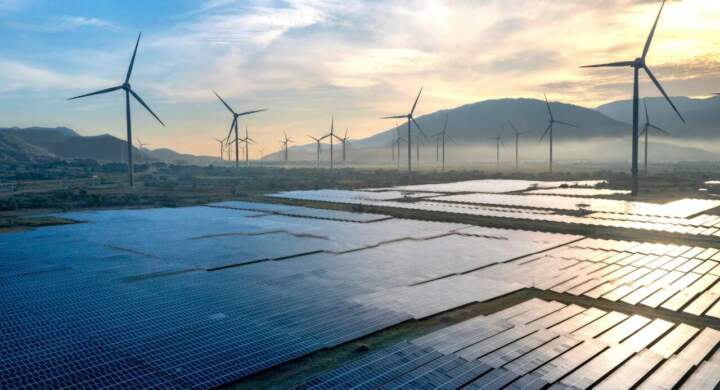
This creates a major opportunity. Canada already has a relatively clean electricity grid, supported by hydroelectricity, nuclear power, wind, solar, and other sources. That gives the country an advantage as global companies look for lower-carbon energy.
But the opportunity also comes with pressure. Canada will need new generation, stronger transmission systems, more storage, grid modernization, demand management, and faster project approvals. Existing infrastructure must also be maintained and replaced.
The challenge is not only to produce more electricity. It is to build a power system that is reliable, affordable, clean, and ready for economic growth.
Oil and Natural Gas in a Changing World
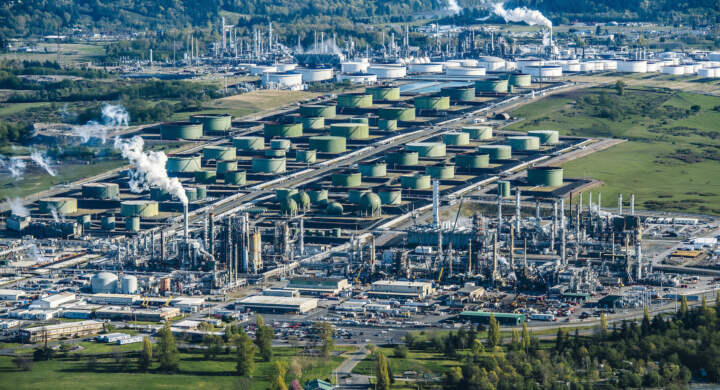
Oil and natural gas remain major parts of Canada’s energy industry and export economy. They support jobs, public revenues, trade, and industrial activity, especially in Western Canada. They also remain important to global energy security, even as countries work to reduce emissions and expand cleaner energy sources.
The future of oil and gas in Canada will depend on several factors: global demand, emissions performance, export access, investor confidence, Indigenous partnerships, regulation, technology, and international competition. Canadian producers face pressure to reduce emissions while continuing to supply markets that still rely on fossil fuels.
Liquefied natural gas has become part of this debate. Supporters argue that Canadian LNG can help allies diversify supply and replace higher-emitting fuels in some markets. Critics warn that new fossil fuel infrastructure could lock in emissions and slow the transition to cleaner systems.
For Canada, the economic question is how to manage existing strengths while preparing for a lower-carbon future. That means reducing emissions from production, improving methane performance, investing in cleaner technologies, and making clear decisions about which projects serve long-term national interests.
Clean Energy and Industrial Growth
Clean energy is increasingly tied to industrial strategy. Countries are competing to attract investment in batteries, electric vehicles, clean fuels, critical minerals, hydrogen, carbon management, low-carbon steel, and advanced manufacturing. Canada has advantages in many of these areas, but those advantages need infrastructure, capital, policy certainty, and skilled workers.
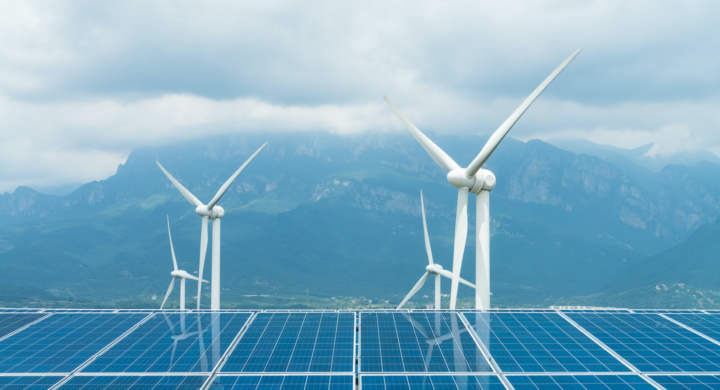
Clean energy is not only about reducing emissions. It is also about building new industries. Wind, solar, nuclear, hydro, storage, geothermal, bioenergy, hydrogen, and carbon capture all create opportunities for engineering, construction, manufacturing, maintenance, research, and exports.
Canada’s critical minerals sector is closely connected to the energy transition. Minerals such as lithium, nickel, cobalt, graphite, copper, and rare earth elements are needed for batteries, transmission lines, electronics, and clean technologies. Developing these resources responsibly could help Canada build stronger supply chains and support allied markets.
The countries that build the next generation of energy systems will also shape the next generation of industrial growth. Canada has the resources. The question is whether it can move quickly enough to turn potential into projects.
Indigenous Leadership in Energy
Indigenous Nations are increasingly central to Canada’s energy future. Across the country, Indigenous Nations and businesses are involved in renewable energy, transmission, oil and gas infrastructure, equity partnerships, project governance, environmental monitoring, and community energy systems.
This is a major shift. Energy development in Canada has often raised difficult questions about land, rights, consent, environmental impact, and economic benefit. Future projects will need to take Indigenous leadership seriously from the beginning, not as an afterthought.
Indigenous ownership and partnership can change the economics and legitimacy of major projects. It can support local revenue, jobs, training, business development, and long-term community priorities. It can also improve project design by bringing local knowledge and accountability into decision-making.
A stronger energy future for Canada will require more than consultation. It will require shared value, meaningful participation, and respect for rights.
Energy Infrastructure and Project Timelines
Canada’s energy ambitions depend on infrastructure. New power generation, transmission lines, pipelines, export terminals, storage facilities, charging networks, hydrogen hubs, carbon dioxide transport systems, and grid technologies all take years to plan, approve, finance, and build.
Project timelines are now one of the biggest challenges facing the energy industry. Canada needs to build faster, but it also needs to build responsibly. That means clearer approval processes, better coordination between governments, early engagement with communities, environmental accountability, and stronger project management.
Long delays can weaken Canada’s competitiveness. Investors may move capital to jurisdictions where decisions are faster and clearer. At the same time, rushing poorly planned projects can create public opposition, legal disputes, and long-term costs.
The goal should be disciplined speed: faster decisions, stronger planning, and better alignment between economic, environmental, and community priorities.
Energy Security and Global Markets
Energy security has returned to the centre of global politics. Conflicts, supply disruptions, trade tensions, and shifting alliances have reminded governments that energy is not only a commodity. It is a strategic asset.
Canada has an opportunity to be a reliable energy partner. The country can supply oil, natural gas, uranium, electricity expertise, critical minerals, clean technologies, and energy services. It can also help allies reduce dependence on less stable suppliers.
But access to global markets depends on infrastructure, trade relationships, regulatory confidence, and public support. Canada cannot play a larger global energy role without the ability to move products and technologies to customers.
Energy security also matters at home. Canadians need energy systems that can withstand extreme weather, cyber risks, infrastructure failures, and market volatility. A secure energy system is diverse, reliable, well-maintained, and able to adapt.
The Future of Canada’s Energy Industry
The future of Canada’s energy industry will not be defined by one fuel or one technology. It will be shaped by a mix of resources, regions, infrastructure, policies, markets, and innovations.
Canada will need oil and gas with lower emissions. It will need more clean electricity. It will need stronger grids, more storage, expanded transmission, and better demand management. It will need critical minerals, nuclear expertise, hydroelectric assets, renewable growth, clean fuels, and practical partnerships with Indigenous communities.
Most of all, Canada will need to treat energy as a foundation for economic competitiveness. Energy is what allows industries to grow, homes to be heated, goods to move, data systems to operate, and communities to function.
The energy industry is not separate from the future economy. It is one of the systems that will determine whether Canada can build it.