
Beyond Celebration: Recognizing Agriculture as Canada’s Strategic Asset

Canadian agriculture and agri-food is one of Canada’s most undervalued strategic assets. Most Canadians probably do not realize that the system provides 1 in 9 jobs, about 7% of Canada’s GDP, and contributed almost $100 billion in exports in 2023. It does this using just over 6% of Canada’s land (with one of the highest rates of agricultural land per person in the world).
Our ability to take that land and turn it into wheat, canola, tomatoes, apples, beef, pork, milk and more helps make Canada more prosperous, more resilient and one of a shrinking number of net food exporters at a time when demand for food is growing as the population and incomes grow around the world.
“At a time when geopolitics and global systems seem to be falling apart around us, Canada’s ag land, the farmers who farm it and the rest of the ag and food system are something that helps insulate Canada from an increasingly volatile world.”
The good news is that agricultural land cannot be taken away from us. At a time when geopolitics and global systems seem to be falling apart around us, Canada’s ag land, the farmers who farm it and the rest of the ag and food system are things that help to protect Canada from an increasingly volatile world.
Canada’s Agriculture Sector Amid Global Volatility
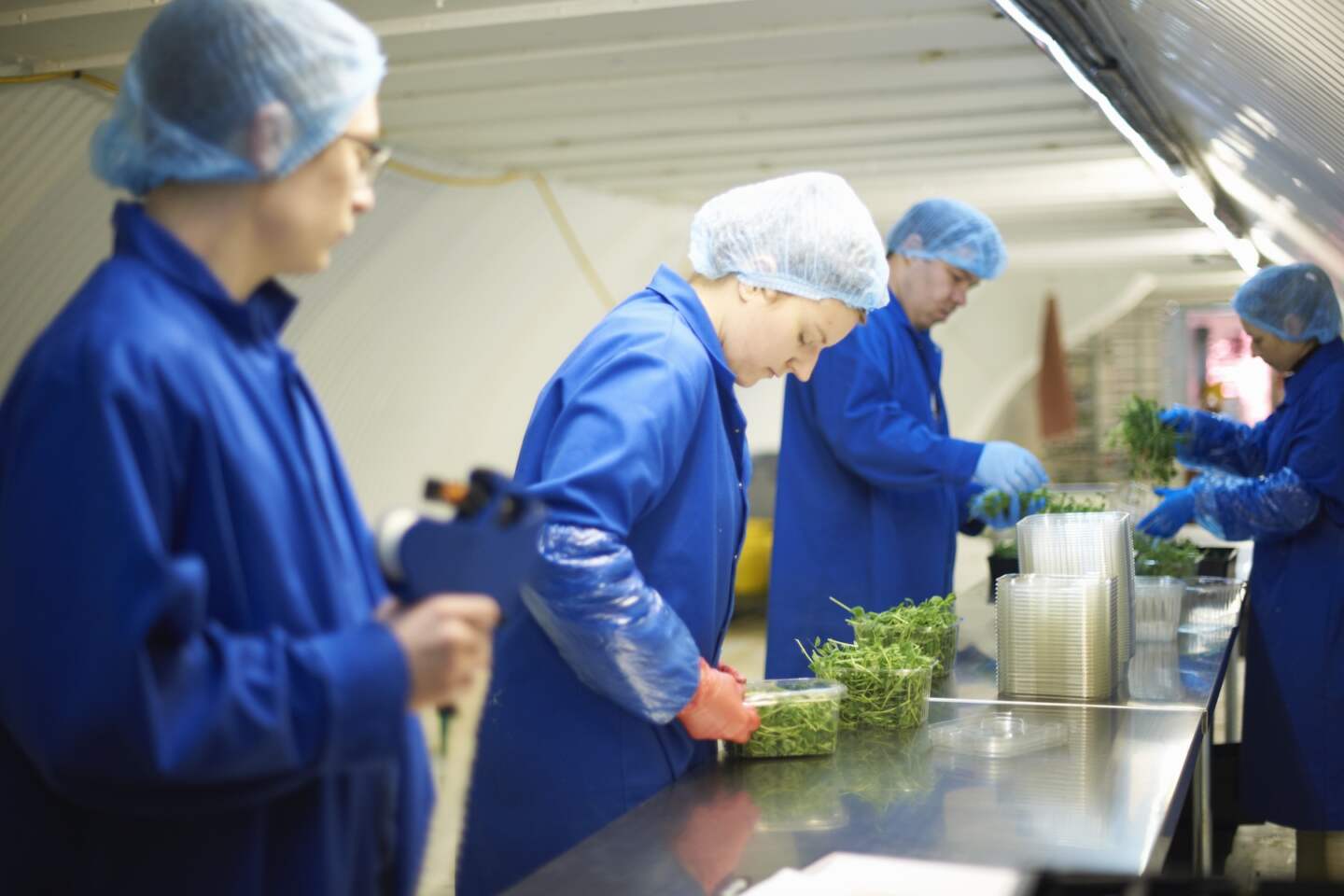
Canada’s Ag Day is all about celebrating agriculture, but should also be about recognizing the strategic asset that is the the sector and acting to protect and grow it.
However, as much as there is a lot to celebrate, the global storm clouds, from Trump’s tariffs to a changing climate, are all putting pressure on Canada’s strategic assets. And an asset can lose its value if it’s not cultivated and maintained.
Some of the things that have made Canada’s agriculture asset so valuable are also what is putting it at risk.
“The ease of doing business in the US, the challenges with market access and supply chain reliability have made trade diversification hard. Canada put a lot of its eggs in the US basket—a basket that looks a lot less stable than it did a couple of months ago.”
Canadian agriculture and agri-food exports are more concentrated in the United States than in the last 20 years. The ease of doing business in the US, the challenges with market access and supply chain reliability have made trade diversification hard. Canada put many eggs in the US basket—a basket that looks much less stable than it did a couple of months ago.
Innovation in Agriculture
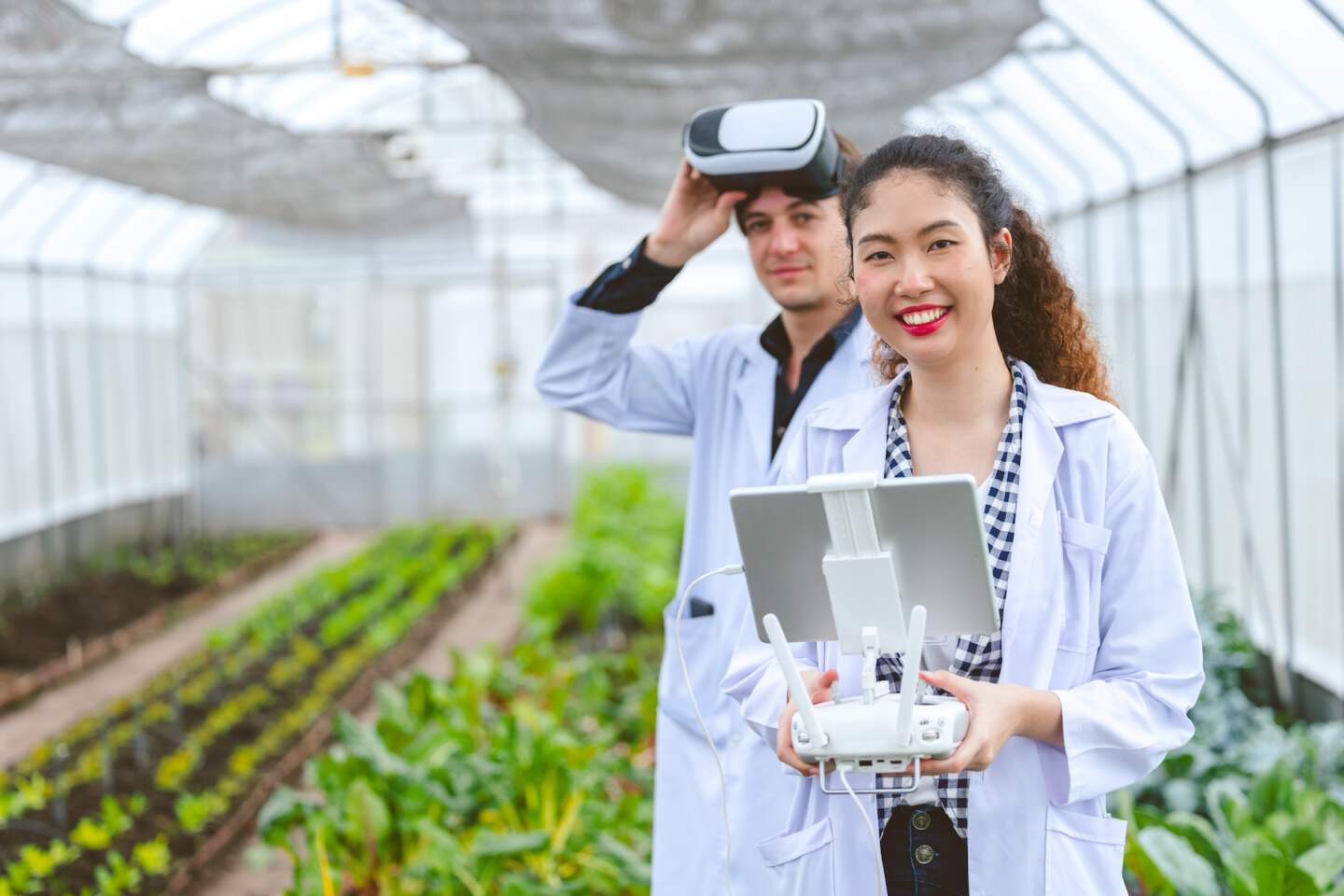
Canadian agriculture and agri-food is a sector that embraces innovation. The image of a farmer leaning on a fence in front of a red barn is outdated. The technology in a sprayer or combine, the data-driven systems used to produce food and the advances being made with gene editing are changing the way the food system works in ways that may not be appreciated by consumers but are helping provide them with more affordable, more sustainable, more resilient food.
“Canadian innovators changed the game when they developed canola; it needs to be easier to develop the next game changer if the sector wants to stay on top of the challenges it faces.”
The ability to continuously produce more with less has helped increase production on a shrinking land base with fewer inputs. However, our productivity growth is slowing, and innovation is getting harder. Increasing regulatory burden and a challenging investment climate are some of the headwinds that Canadian agri-food innovators face. Canadian innovators changed the game when they developed canola; it needs to be easier to create the next game changer if the sector wants to stay on top of its challenges.
Agriculture as a Driver of the Economy
Agriculture and agri-food are also much more than the primary production system, which includes farmers, plant breeders, animal nutritionists and more. The agri-food part of the system includes Canada’s largest manufacturing sector, contributing more than 16% of manufacturing GDP and almost 18% of manufacturing jobs.
It also generates a trade surplus with the United States. It is an example of Canada moving past its history as hewers of wood and drawers of water to take our resources and add value to them.
The food processing sector adds much value to the agriculture and agri-food system and is often less well understood and underappreciated than farmers are. The recent and ongoing threat of tariffs and the potential job losses expose how much there is to lose.
“Our bakeries, meat processors, oilseed processors, dairy manufacturers and so much more are all at risk if they lose reliable market access. These are small, medium and large businesses across the country that offer high-paying jobs.”
Many Canadians may not know that our bakeries, meat processors, oilseed processors, dairy manufacturers and so much more are all at risk if they lose reliable market access. These small, medium and large businesses across the country offer high-paying jobs, add value to commodities and play an important role in rural, suburban and urban communities.
They need to be recognized and celebrated too.
Don’t Just Celebrate Canadian Agriculture
But celebrating Canadian agriculture and agri-food is not enough. Now more than ever, we must act to maintain and grow our great strategic asset.
While much of the reaction to date has focused on buying more Canadian, which is always a great idea, much more can be done.
CAPI has released a policy brief with short, medium and long-term actions. It is a starting point for a whole of agriculture response. Hopefully, it will spur governments, businesses, and associations to develop action plans to improve the sector’s resilience and position it for growth.
Let’s celebrate Canada’s Agriculture Day but also roll up our sleeves. The best time to act was yesterday, but it’s not too late to act today.
-
 Innovation is Key to the Future of Agriculture
 Bill Greuel
Deputy Minister of Agriculture
Government of Saskatchewan
Bill Greuel
Deputy Minister of Agriculture
Government of Saskatchewan
-
 Planning for Canada’s Agriculture and Food Future
 Robert Hunter
CEO
Protein Industries Canada
Robert Hunter
CEO
Protein Industries Canada
-
 Reimagining Canada’s Agri-Food Investments: How to Deliver a Sustainable Economy
 Steven Webb
CEO
Global Institute for Food Security (GIFS)
Steven Webb
CEO
Global Institute for Food Security (GIFS)