
From Farm to Market: Canada’s Economic Playbook
Canada’s agriculture sector has the potential to drive major economic growth—but without urgent action on infrastructure, trade execution, and innovation investment, we risk falling further behind.

Canada is at an economic crossroads. We can either continue to fall behind and let global competitors surpass us, or we can seize opportunities by empowering our industries to grow and prosper. Uncertainty in the Canada-US trade relationship has shone a spotlight on how vulnerable Canada is economically and how we must take our economic sustainability more seriously. However, without an equal partner in Ottawa for industry to work with, our sectors, including agriculture, won’t have a clear path to growth and economic development.
In typical Canadian fashion, a hockey analogy was recently shared with me to explain the balance between government and industry. The government’s role is to create the game, build the arena, and referee the play, while industry is made up of the players who compete on a level playing field to achieve success. However, if the referees start tilting the game—over-regulating, changing the rules mid-play, or favouring one team over another—then the players can’t win. And in any game, hockey or business, unfair play stifles competition and limits success.
“Unpredictable policies, regulatory burdens, and unreliable trade relations are making it harder to compete. The sector, including farmers across Canada, is in dire need of an equal partner in government that will support their continued growth, not hinder it.”
That’s exactly what’s happening to Canada’s agriculture sector today. Unpredictable policies, regulatory burdens, and unreliable trade relations are making it harder to compete. The sector, including farmers across Canada, is in dire need of an equal partner in government that will support their continued growth, not hinder it. As an export-oriented economy, we need to play to our strengths and continue trading with countries worldwide. We also need to ensure that we can deliver products to market in a reliable fashion. Lastly, we also need to increase our productivity, and for the agricultural sector, which means growing more food.
Investing in Innovation to Feed the Future
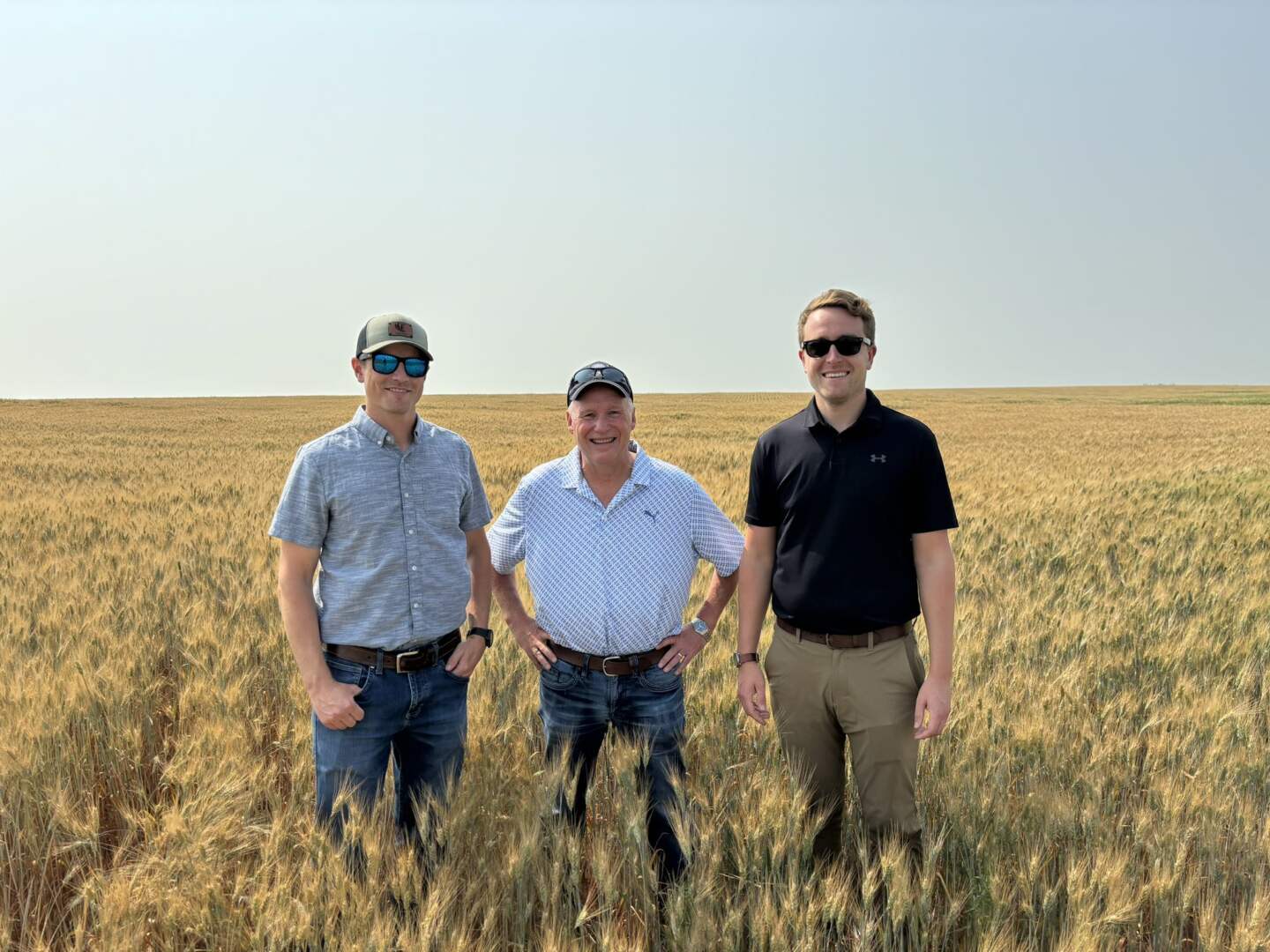
Let’s start at home. Canada has decades of experience growing food that Canadians and the world rely on. In terms of grain alone, we export well over half of what we grow in Canada, including wheat, canola, pulses, barley, corn, soybeans and more. However, we can only grow our exports by growing more in Canada. To achieve this, we need to get more serious about research and development, and plant breed innovation.
“Government investment in agricultural R&D has been steadily declining. This is concerning, given that every dollar invested in public plant breeding returns $33 to the economy.”
In 1980, farmers grew an average of 40 bushels per acre. Today, thanks to advances in plant breeding, that number has increased to 60 bushels per acre—a 50% gain that has strengthened farm profitability and boosted exports, driving growth in Canada’s economy. Despite these clear benefits, government investment in agricultural R&D has been steadily declining. This is concerning, given that every dollar invested in public plant breeding returns $33 to the economy. If we want to remain competitive, we need urgent reinvestment in innovation. Strengthening our commitment to R&D is essential to securing the future of Canadian farming and ensuring we remain a global leader in food production.
The government also has a role to play in attracting private plant breeding investments into Canada. Unfortunately, our market will always be smaller than that of Americans or Europeans, so the return on investment for private companies will be limited. This is where the government must step in to create a clearer path for crop variety commercialization for companies looking to invest in Canada. This includes lessening the regulatory burden on life science companies and looking at ways to partner with them on key investments. To compete globally on attracting these foreign direct investments, the government needs to be present.
Strengthening Canada’s Reputation as a Trading Partner
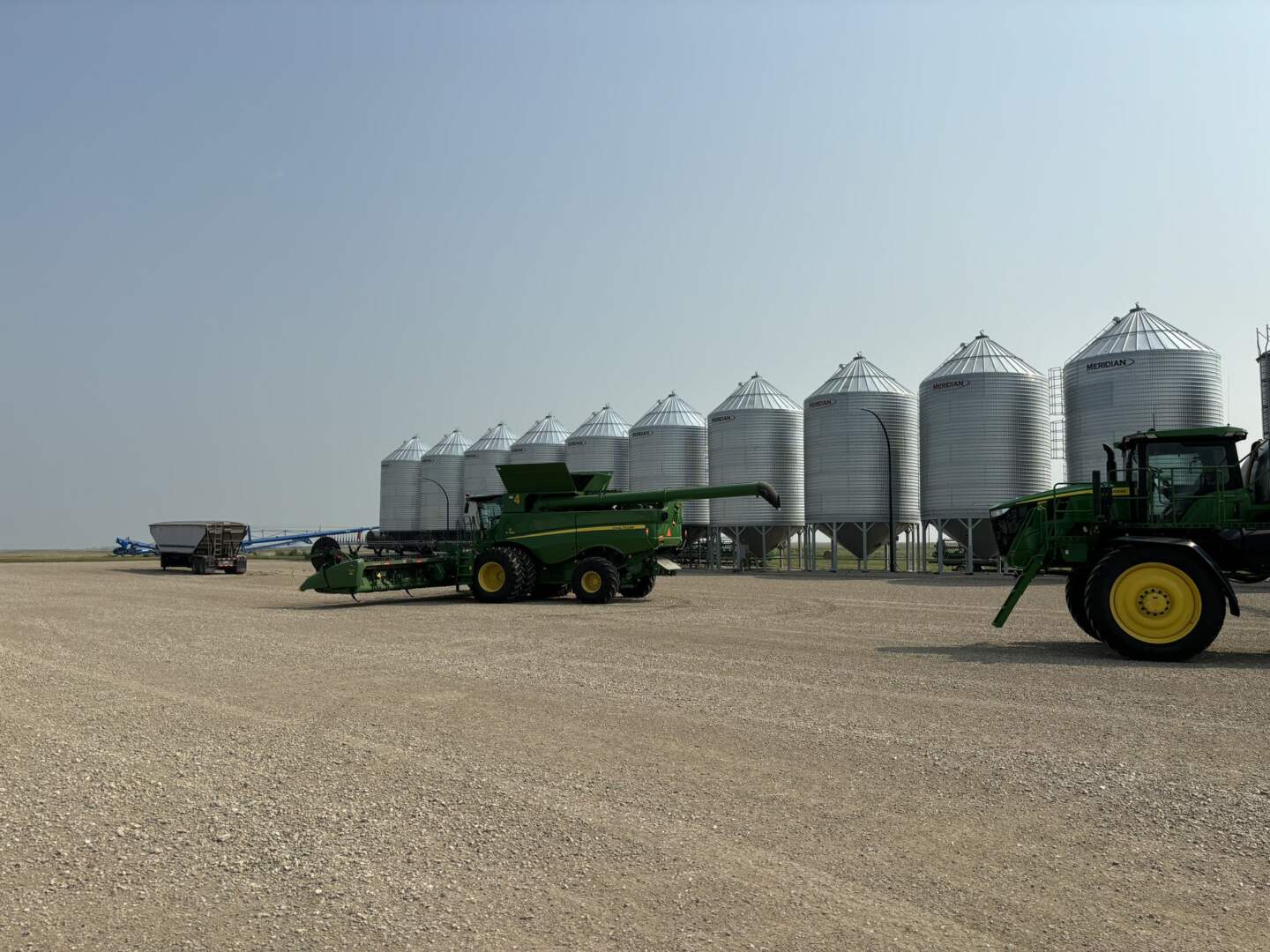
Canada’s reputation as a reliable trading partner is eroding, putting our global competitiveness at risk. Years of labour disruptions and failing infrastructure have reinforced this perception, creating uncertainty for our international customers. Take 2024 as an example. The Canadian grain sector experienced five labour disruptions in five months. The largest and most disruptive was the historic dual-rail shutdown, when workers for both CPKC and CN rail went on strike at the same time. This caused weeks of delays in us being able to fulfill contracts with international customers and was followed by further labour disruptions at the Port of Vancouver, which is responsible for over 50% of grain exports.
In contrast, the United States, under the Railway Labor Act, has seen just one major rail disruption in over a century. Other countries manage labour relations and essential services to their economic security in different ways. There isn’t one silver bullet for Canada to fix this problem, but there needs to be a better way forward.
“The Port of Vancouver, which handles $800 million worth of cargo daily, is years behind in needed investment.”
We are also falling behind in investing in our trade-enabling infrastructure. Other global competitors, especially in emerging economies, have recognized how important having efficient and modern infrastructure is to their economic prosperity. However, the Port of Vancouver, which handles $800 million worth of cargo daily, is years behind in needed investment. The Second Narrows Rail Bridge, which is a vertical-lift railway bridge built in 1969, remains the only rail access point to Vancouver’s North Shore. With growing vessel traffic and more than 50 years of wear, the bridge does not meet the demands of modern trade and has become a bottleneck in Canada’s supply chain.
The George Massey Tunnel, a long-time political football for British Columbians, also stands in the way of economic growth. Its shallow construction prevents today’s vessels from accessing the Fraser River, an area that could easily be further developed. By building a more modern and deeper tunnel, new terminals could be built along the Fraser River to serve increased vessel traffic from the Pacific.
Expanding and Implementing Trade Agreements
This leads us to the final piece, which is growing our international markets. Successive Canadian governments have identified the Indo-Pacific and countries in the region as key to our economic development. The main reasons are that countries such as Indonesia, the Philippines, India, and others not only have growing populations but are also becoming richer, increasing their global demand. Other countries, such as Australia, have taken advantage of this reality. While Canada has opened an office in the region to grow our agricultural exports, more must be done. This includes investing in more personnel on the ground and exploring opening offices in other countries in the region. For example, the United States Department of Agriculture (USDA) have had offices in most Indo-Pacific countries for years, something that we need to look to emulate to stay competitive.
“Canada has a long history of being good at signing trade agreements, but also a long history of being poor at implementing those agreements.”
The other challenge we face is trade implementation. Canada has a long history of being good at signing trade agreements, but also a long history of being poor at implementing those agreements. The Canada-European Union Comprehensive Economic and Trade Agreement (CETA) is a perfect example. Access to the European market could bring massive economic benefits to Canada, but many of the provisions in the agreement still haven’t been implemented, despite the CETA being signed in 2016. As an export-oriented nation, it is critical that we take full advantage of the current agreements we have, while seeking to sign other agreements with regions and countries such as the Association of Southeast Asian Nations (ASEAN) and the United Kingdom.
It’s Time to Grow, Together
Canada has all the pieces to succeed—innovative farmers, a strong export base, and a proven track record in global markets. However, just like in any hockey game, talent alone isn’t enough. We need a government that plays its role: investing in research, modernizing infrastructure, and ensuring reliable trade routes. If the government sets fair rules and lets the players do what they do best, Canada can drive economic growth at home and win on the world stage. The choice is clear—step up and compete or risk falling further behind.
-
 Dairy That Delivers: Why Supply Management Works for a Modern Canada
 David Wiens
Dairy farmer & President
Dairy Farmers of Canada
David Wiens
Dairy farmer & President
Dairy Farmers of Canada
-
 Getting Sustainable Finance for Agri-food Right is How Canada Feeds the World
 Amr Addas
Senior Director, Sustainable Finance and Insights
Farm Credit Canada
Amr Addas
Senior Director, Sustainable Finance and Insights
Farm Credit Canada
 Barbara Swartzentruber
Senior Advisor
Canadian Alliance for Net-Zero Agri-food
Barbara Swartzentruber
Senior Advisor
Canadian Alliance for Net-Zero Agri-food
 David Hughes
President & CEO
Generate Canada
David Hughes
President & CEO
Generate Canada
-
 Innovation is Key to the Future of Agriculture
 Bill Greuel
Deputy Minister of Agriculture
Government of Saskatchewan
Bill Greuel
Deputy Minister of Agriculture
Government of Saskatchewan