
Innovation is Key to the Future of Agriculture

Necessity, as the saying goes, is the mother of invention. For the province of Saskatchewan, one needs to look no further than our world-leading and impressively inventive agriculture industry, one of the cornerstones of our export-based economy, to see that concept in action. It’s an industry that arguably merges proven traditions with cutting-edge innovation like no other, with results that speak for themselves.
“The Growth Plan’s long-term ag-related targets include goals such as increasing provincial agri-food exports to a value of $20 billion and increasing value-added revenue to $10 billion by the end of this decade.”
This is partly why Saskatchewan’s Growth Plan, the province’s economic road map to 2030, relies heavily on agriculture. The Growth Plan’s long-term ag-related targets include goals such as increasing provincial agri-food exports to a value of $20 billion and increasing value-added revenue to $10 billion by the end of this decade.
We’ve already surpassed the former and are on track to achieving the latter: our value-added agriculture sector is one of the fastest growing in Canada, with annual revenue that has more than doubled since 2012, from $3.5 billion to an estimated $7.5 billion in 2022-23. Our biotech community has been instrumental in making it possible for Saskatchewan to facilitate that kind of development and growth.
Growing a Biotech Ecosystem
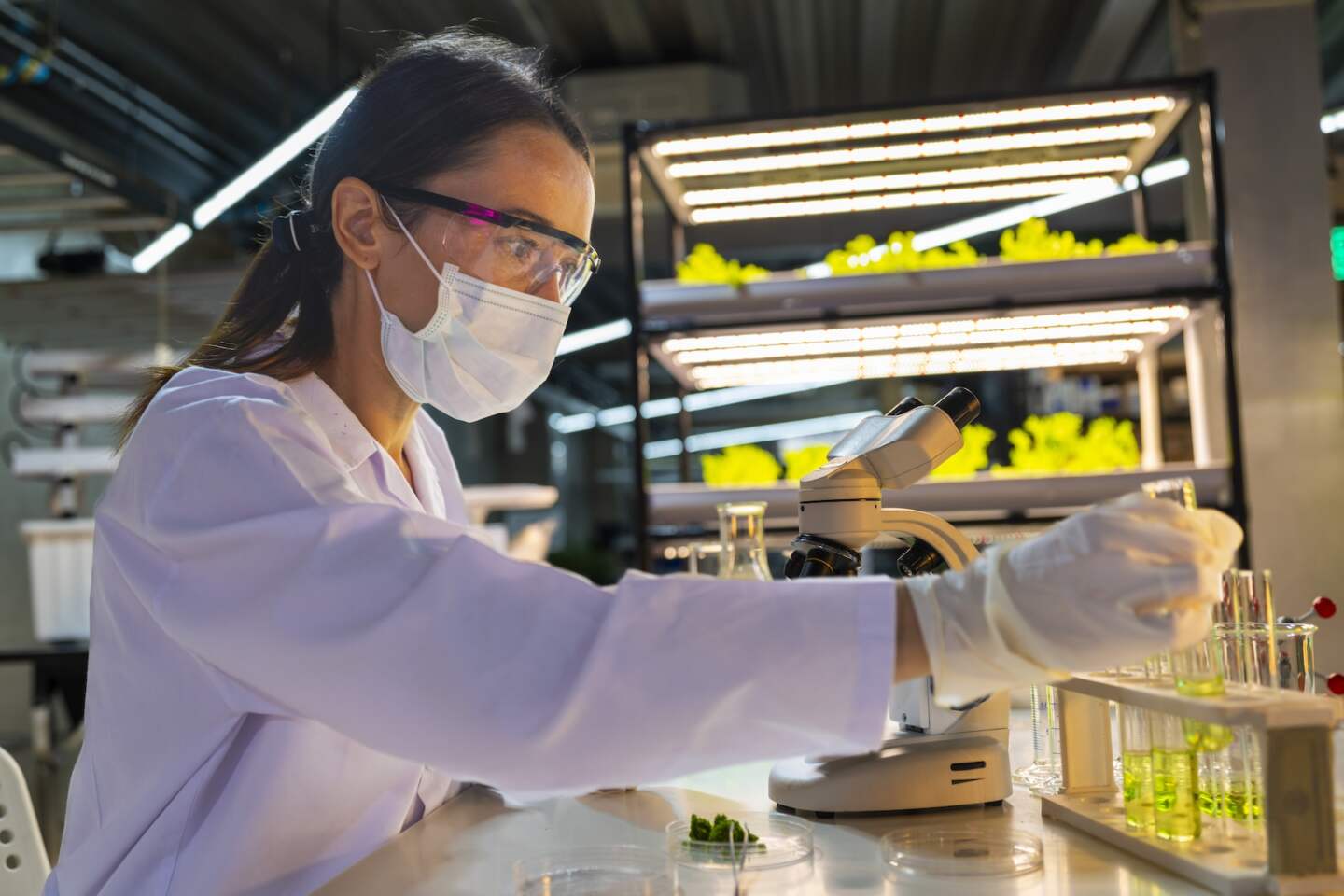
Over one-third of Canada’s ag-biotech industry is, in fact, located right here in Saskatchewan, making our provincial bioscience cluster a major hub of infrastructure and ideas. There are excellent reasons for this; our province is a place where those ideas can thrive, thanks to the unique combination of our agricultural resources and an investment-friendly policy environment. In 2023, for example, through the Sustainable Canadian Agricultural Partnership (Sustainable CAP), we announced renewed funding of $5 million over five years for the Saskatchewan Food Industry Development Centre in Saskatoon, which has been enabling new ideas and products since 1997, helping to diversify our markets and keep our competitive, export-based economy dynamic and growing.
“Through the Sustainable Canadian Agricultural Partnership (Sustainable CAP), we announced renewed funding of $5 million over five years for the Saskatchewan Food Industry Development Centre in Saskatoon, which has been enabling new ideas and products since 1997.”
Ag-West Bio, as another example, is a catalyst for this kind of activity by providing a framework where good ideas become commercial opportunities. Put simply, this organization facilitates the networking that connects businesses, entrepreneurs and scientists in a community of innovation—one that’s geared to moving ideas forward and delivering results.
It’s difficult to quantify the kind of value this brings to the product development process. One of Ag-West Bio’s members, Protein Industries Canada, is one of five Global Innovation Clusters across the country and is working with its own partners to explore the development potential of the $25-billion opportunity created by Canada’s ingredient manufacturing, food processing and bio-product sector. These five clusters are collectively facilitating collaboration between Canadian businesses and post-secondary and research institutions in support of projects that can transform and diversify the food processing sector.
Enabling Innovation
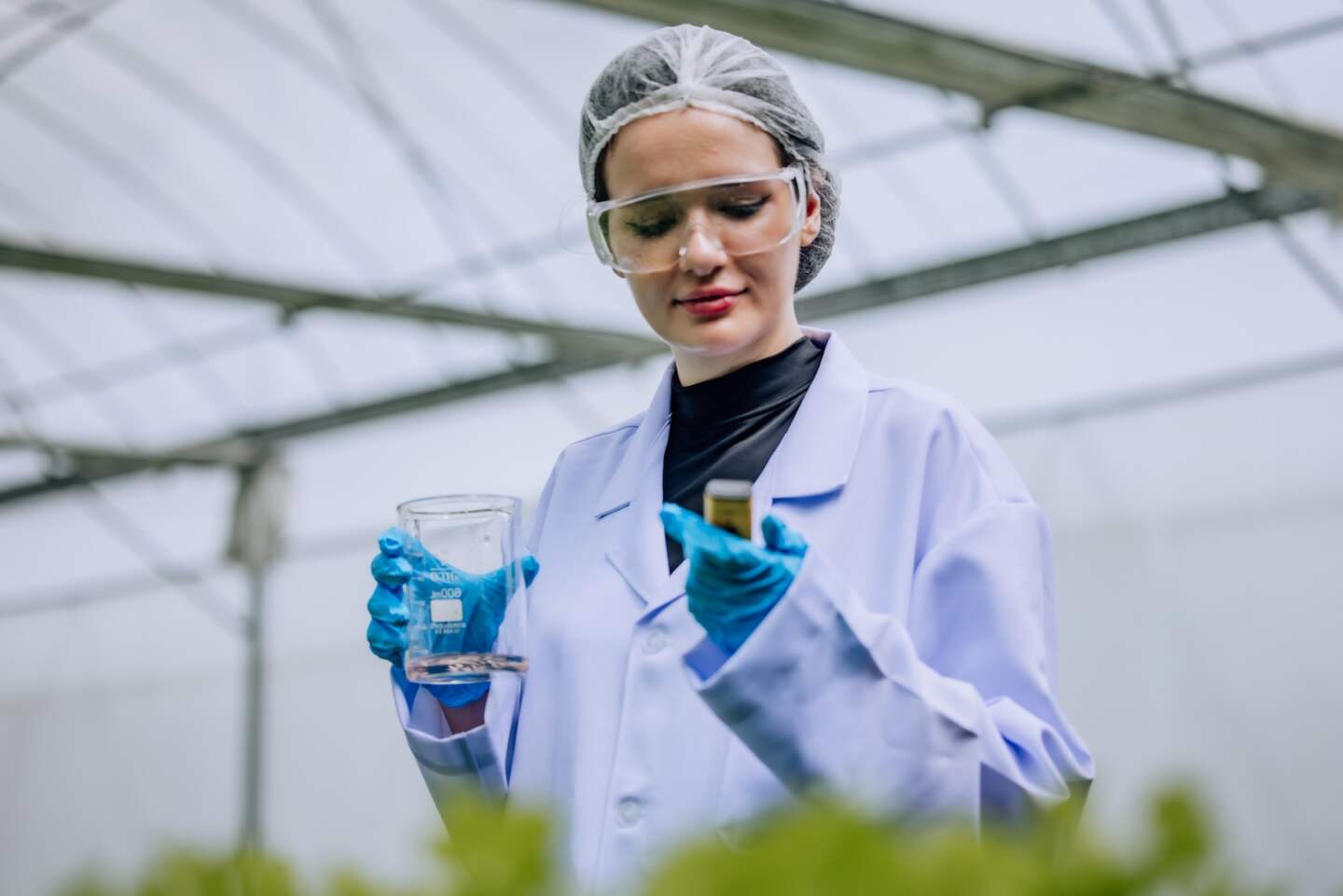
Here in Saskatchewan, we know enabling innovators to commercialize their research and products can expand our markets. That’s immensely important to an export-based economy like ours. Its growth largely relies on two things: staying connected to international markets and staying competitive. Innovation is critical to both.
By their nature, biotech companies face unique challenges that differ from those facing other tech companies, and the path to commercialization can be significantly longer and more complex. We also appreciate that sustainable production and practices, which enable us to grow major crops with some of the smallest carbon footprints in the world, are one of the keys to our future—not just the future of our province but of the world we live in.
“Sustainable practices are really nothing new to Saskatchewan. Zero or minimum till, for one, which minimizes soil disturbance and sequesters carbon dioxide, has been in use for decades and today accounts for almost all seeded acres here, from just 36% in 1991 to 95% today.”
The good news is that sustainable practices are really nothing new to Saskatchewan. Zero or minimum till, for one, which minimizes soil disturbance and sequesters carbon dioxide, has been in use for decades and today accounts for almost all seeded acres here, from just 36% in 1991 to 95% today. Inputs of this nature make a difference. As the global population increases, so will the demand for safe, reliable and sustainably produced food and the expanding range of value-added products we create from them.
To stay competitive, however, we have to get the message out that our products can meet that need and do so better than anyone else’s. It’s getting easier to tell that story thanks to the work of institutions like the Global Institute for Food Security (GIFS), which in 2024 released the results of a study proving that Saskatchewan’s net carbon footprint for production of five major crop types is significantly lower than competitive jurisdictions. GIFS is next comparing the carbon footprint of beef production (kgs of CO2eq per kg of beef) in Western Canada to a number of jurisdictions around the world; the results of this study are expected to be released in mid-2025.
As well, Saskatchewan’s Agriculture Development Fund, under Sustainable CAP, has invested $185 million over the past five years to support approved research projects on a variety of topics that will help advance the industry. Some of its priorities include new crops or cultivars meeting market demands and consumer preferences, increased livestock competitiveness, new and innovative food, bioproducts, and processing technologies, improved food quality, and the use of biotechnology to enhance agriculture and value-added production.
“It’s about the people and organizations in Saskatchewan coming up with new and better ways to do things and, perhaps most importantly, it’s about what that means for all of us.”
These are just a few reasons why our provincial agriculture industry has such an exciting story to tell. It’s a story which is getting bigger all the time, but one thing remains the same: it’s about the people and organizations in Saskatchewan coming up with new and better ways to do things and, perhaps most importantly, it’s about what that means for all of us.
-
 Planning for Canada’s Agriculture and Food Future
 Robert Hunter
CEO
Protein Industries Canada
Robert Hunter
CEO
Protein Industries Canada
-
 Reimagining Canada’s Agri-Food Investments: How to Deliver a Sustainable Economy
 Steven Webb
CEO
Global Institute for Food Security (GIFS)
Steven Webb
CEO
Global Institute for Food Security (GIFS)
-
 Beyond Celebration: Recognizing Agriculture as Canada’s Strategic Asset
 Tyler McCann
Managing Director
Canadian Agri-Food Policy Institute
Tyler McCann
Managing Director
Canadian Agri-Food Policy Institute