
How Canadian Agriculture Can Lead in the Global Economy

As Canada becomes increasingly urban, it seems that it is becoming easier for people to not think about Canadian agriculture and food systems. When people do, there is a temptation to think of red barns with white fences and not about the sector that is actually best placed to drive Canada’s future economy. The truth is that the world is hungry and feeding it can help define Canada’s future.
“Agriculture is increasingly technological and digital, driven by data, AI, machine learning, and an expanding innovation horizon.”
The list of examples of how outdated the red barn perception of Canadian farms is growing every day. Agriculture is increasingly technological and digital, driven by data, AI, machine learning, and an expanding innovation horizon. Between farmers and consumers, the value chains that deliver food from Canadian farms to consumers in Canada and around the world are changing. It is not just new technology, but new ways of doing business. The opportunities for disruption and growth are significant, but innovation is only a fraction of what is working in agriculture and food’s favour.
What are the Trends Influencing Canadian Agriculture?
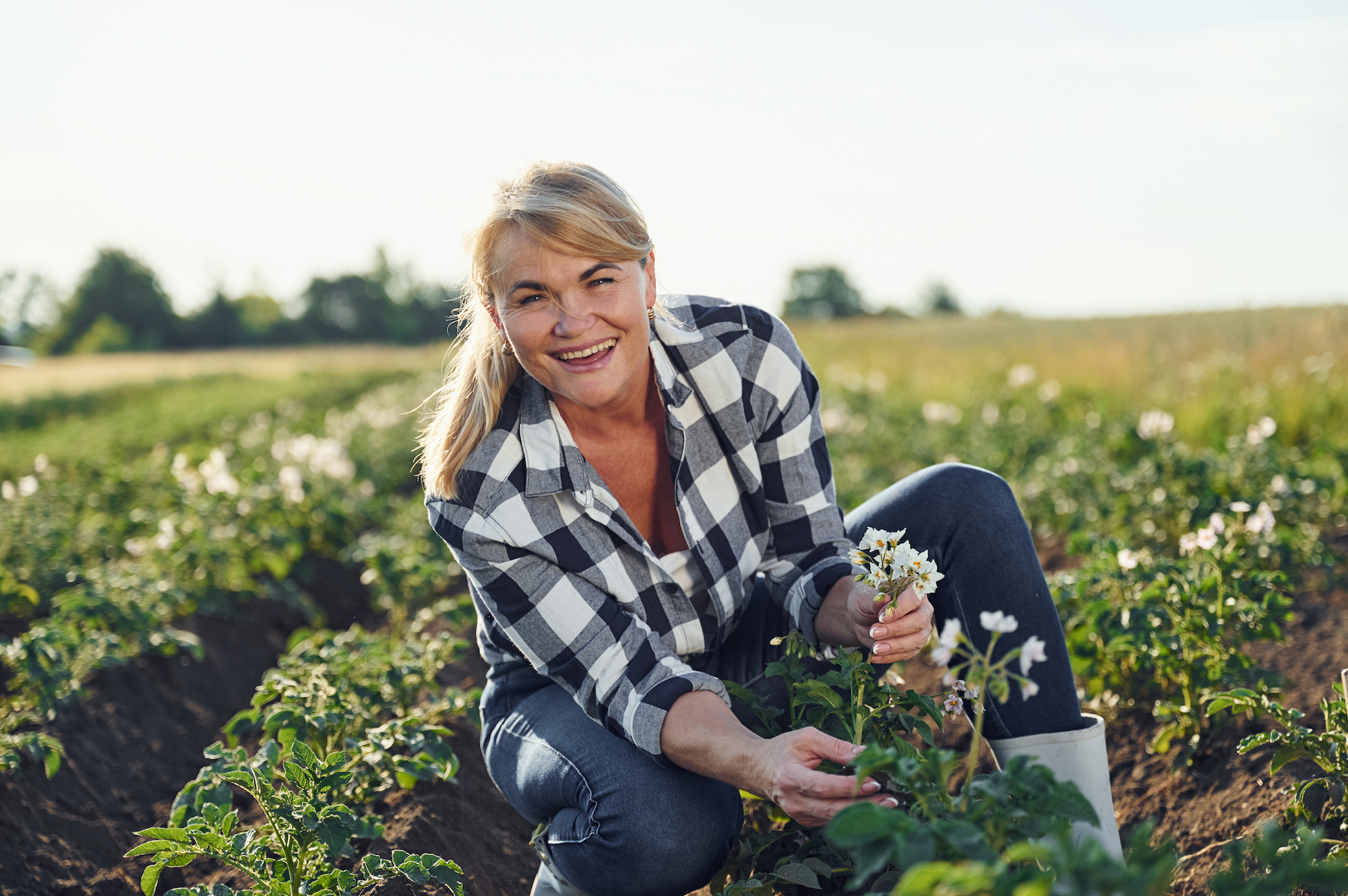
First, global forces are building a stronger foundation for the food system. Demand for food continues to grow, and it is not just population growth working in Canadian agriculture’s favour. Rising incomes are changing diets, demanding more diverse food, higher in protein. More people, with higher incomes, means Canadian agriculture needs to do more to ensure their dietary needs and wants are met.
“It is becoming increasingly hard for global food supply to keep pace with demand. Farms are on the front lines of climate change.”
At home, in addition to population and income growth, increasing demand for local food creates more opportunities to add value in different ways. There is a need to diversify food systems (one size does not fit all) to meet the need for abundant, affordable, and competitive food while also producing for local and niche higher-value markets.
It is becoming increasingly hard for global food supply to keep pace with demand. Farms are on the front lines of climate change. Extreme weather is increasing. The stories of droughts and floods worldwide make producing bountiful harvests year after year a challenge. Canadian farmers felt the full force of these pressures in 2021, when drought caused wheat production to fall to 16 million tonnes, down from 26 million in 2020. As major food-producing regions take their turn feeling the full force of extreme weather and climate change, the pressure to produce more will get stronger.
As much as Canada’s ability to meet the increasing need for sustainable food creates significant opportunities for agriculture and food to be Canada’s growth sector, there are challenges standing in the way of it delivering its full potential.
Challenges in Canadian Agriculture

While demand is growing, so is competition. There is competition in R&D, farm programs, regulatory innovation, and measurement and verification systems, which are just some of what is needed to build a stronger future food system. Unfortunately, Canada often struggles to compete.
1. Agricultural R&D and Investment
Our public agricultural R&D spending is not keeping pace with that of the US, China, and Europe. This is made worse by Canada not doing well in attracting private R&D investment.
These competitive forces can drive Canada to do better and help agriculture drive the future economy, but Canada needs to decide if it wants to compete.
“Canada should be competing to attract investment and realize the benefits of innovations like gene editing, but instead, there is foot-dragging.”
Unfortunately, it often appears like Canada does not have the drive to be a leader. For example, gene editing is changing the way plant varieties are developed. The technology, which can improve disease resistance, improve fertilizer use efficiency, and reduce food waste, is widely regarded to be as safe as conventional breeding approaches. However, Canada has been slow to modernize its regulatory framework, with countries like the US, Australia, Kenya, and others moving more quickly. Canada should be competing to attract investment and realize the benefits of innovations like gene editing, but instead, there is foot-dragging.
2. Labour Shortage in the Agriculture Industry
Competition also applies to people and agriculture struggles to attract and maintain the workforce it needs. While the number of farms in Canada is falling, the labour shortage in agriculture and food is increasing. Whether it is farmers, food processors, truckers, or retailers, every link of the food production system is being held back by a lack of workers. Food is being produced and making it to store shelves, but the pressures on the food system from a lack of staff are growing.
Challenges attracting investment and people are holding the sector back from coast to coast. Companies are being forced to cut back on their products’ diversity. Raw commodities are being exported to be processed in other countries because we struggle to have enough people to do further processing in Canada. That is lost economic opportunity today and those losses look set to increase.
3. Agtech Skills for the Future
The challenges are exacerbated as Canadian agriculture increasingly relies on higher-skilled labour to keep pace in an increasingly automated and technology-driven system. We do not just need people; we need people with the right skills who are ready and willing to invest in and adopt new things and new ways of working. The competition for those individuals is severe.
The industry has recognized that there is no simple solution to the workforce challenge and is working on a national workforce strategy. It cannot be overstated how critical it is to build the desired workforce to meet immediate labour needs and address the systemic issues that are holding the sector back.
4. Agricultural Infrastructure and Trade
Canada is an agri-food trading nation and one of the few major net food exporters. As scarcity increasingly drives competition and nationalism in other major food producers to restrict exports, more of the world will rely on Canada’s capacity greatly exceeding domestic demand. However, getting food from Canada to the world seems to be getting harder, with transportation and trade systems increasingly under pressure.
There is a need to build critical trade infrastructure and rebuild trade rules to enable food to move around the world. Both are complex, difficult challenges, requiring investments and attention. Some progress is being made on infrastructure capacity, but progress on the rules-based trading system seems more difficult. Canada can and should be more of a leader in building both.
In addition to these challenges, the unfortunate reality is that most risks facing the sector are increasing. The risk of plant and animal disease is growing. Geopolitical risk is disrupting global food systems. With big data comes concerns over privacy and the risks around data protection. Climate risk is impacting agriculture in Canada and worldwide. These risks and the inability to mitigate them effectively are a dark cloud hanging over growth in the sector.
5. Sustainable Agriculture
One of the most significant challenges, and greatest opportunities, is to do all that needs to be done sustainably. It is not simply enough to produce more. That food needs to be produced more sustainably. Embracing a broad definition of environmental, economic and social sustainability puts even more pressure on the food system. Canadian farmers, who were early adopters of conservation farming practices like no-till cropping, are leaders in sustainability, but they will need to do more to balance the needs of consumers, the planet, and their own bottom line.
The Future of Canadian Agriculture
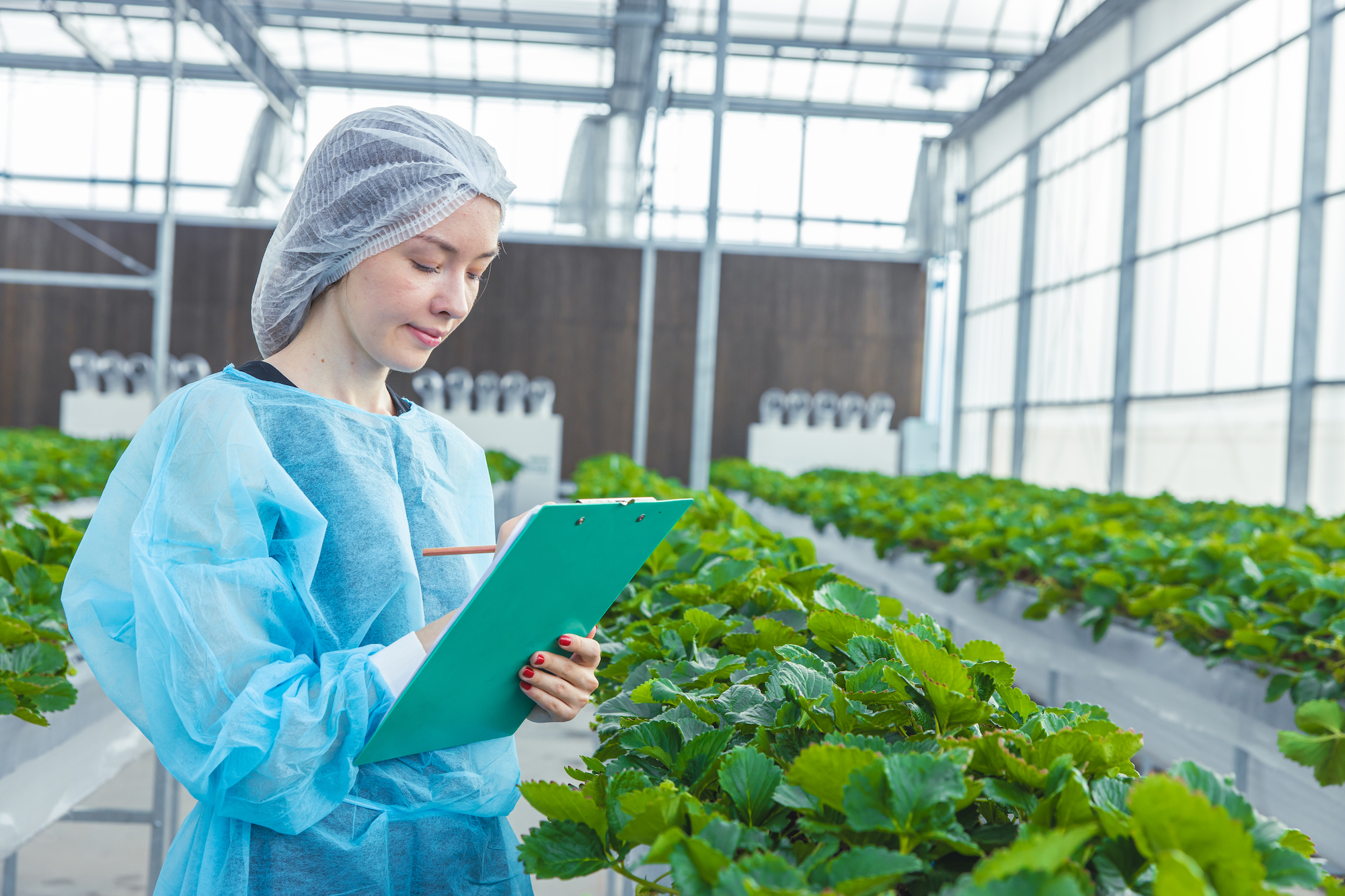
This global need to produce more food, on less land, with stronger incomes for those producing it, will not be easy to meet. Achieving one goal such as reducing environmental impacts, boosting production, or increasing profitability is possible, but it is much harder to do all three simultaneously. Recent challenges of food inflation have highlighted the need to ensure affordability while the sector is doing the other three. A sustainable food future is much easier said than done.
“Achieving one goal such as reducing environmental impacts, boosting production, or increasing profitability is possible, but it is much harder to do all three simultaneously.”
Addressing many of the challenges noted above can help address the foundational challenge of sustainability. Investing more in R&D is critical to sustainable productivity growth. Increasing the workforce, especially skilled individuals who can work with farmers to implement new technology and farming systems is important. Mitigating risks will enable a focus on sustainability and growth.
These challenges and risks remain a bottleneck to growth, restricting our capacity to fully seize on Canadian agriculture and food’s full potential. Every time we address these issues, be it investing more in infrastructure, or attracting more people to work in the sector, we increase the sector’s ability to do more.
But agriculture and food have another complicating factor. When we talk about agriculture and food, we are really talking about 200,000 farms and hundreds of processors across Canada. Each is different from the other, producing dozens of different commodities, and selling into different food, feed, and fuel markets in Canada and around the world.
This makes harnessing the full potential of agri-food different from other sectors. Unlike other well-established sectors (auto, energy, etc.) agriculture and food is a nebulous system with many parts that often seem to be moving in different directions.
“We really need 200,000 strategies, focused not just on improving environmental outcomes, but on producing more, with less, and with more profitability.”
The federal government is currently consulting on a sustainable agriculture strategy, which aims in part to improve environmental outcomes over the long term. The reality is that while the government can write one sustainable agriculture strategy for the country, we really need 200,000 strategies, focused not just on improving environmental outcomes, but on producing more, with less, and with more profitability.
Canadian agriculture and food have changed and continue to change, but must still change more. The days of the red barn are gone, replaced by precision agriculture, big data, gene editing and more. The significant natural capital Canada has, including land and water, enables it to positively respond to global forces demanding more food, that is more sustainably produced. The question remains whether Canada is prepared to address the challenges and bottlenecks and mitigate the risks so the sector can step up to drive Canada’s future economy.
-
 Dairy That Delivers: Why Supply Management Works for a Modern Canada
 David Wiens
Dairy farmer & President
Dairy Farmers of Canada
David Wiens
Dairy farmer & President
Dairy Farmers of Canada
-
 Getting Sustainable Finance for Agri-food Right is How Canada Feeds the World
 Amr Addas
Senior Director, Sustainable Finance and Insights
Farm Credit Canada
Amr Addas
Senior Director, Sustainable Finance and Insights
Farm Credit Canada
 Barbara Swartzentruber
Senior Advisor
Canadian Alliance for Net-Zero Agri-food
Barbara Swartzentruber
Senior Advisor
Canadian Alliance for Net-Zero Agri-food
 David Hughes
President & CEO
Generate Canada
David Hughes
President & CEO
Generate Canada
-
 From Farm to Market: Canada’s Economic Playbook
 Kyle Larkin
Executive Director
Grain Growers of Canada
Kyle Larkin
Executive Director
Grain Growers of Canada