
Supercharging International Trade for Canada’s Agri-Food Industry

Canadian agri-food exporters need an open and fair international trading environment to thrive. The global trading system is unfortunately under a great deal of pressure, but Canada can play a key role in protecting it.
The Impact of Canada’s Agri-Food Industry
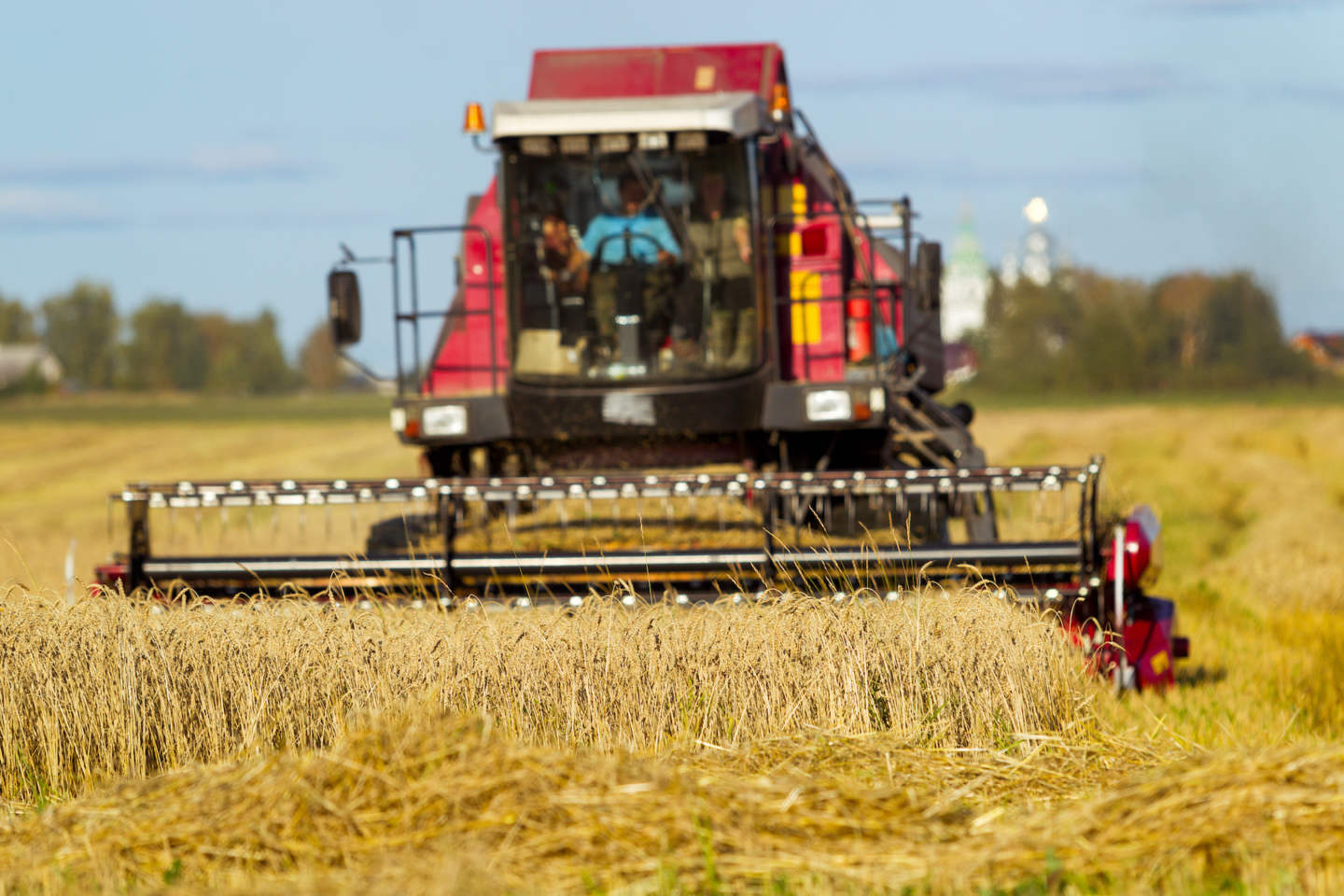
The Canadian Agri-Food Trade Alliance (CAFTA) is a coalition of national organizations that support a more open and fair international trading environment for the agriculture and agri-food industry. We represent the 90% of farmers who depend on trade and ranchers, producers, processors, and agri-food exporters who want to grow the economy through better access to international markets. This includes the beef, pork, meat, grains, cereals, pulses, soybeans, and canola, as well as the sugar and processed food industries. The sectors CAFTA represents support over a million jobs in urban and rural communities across Canada.
“Anywhere from 50% of Canada’s beef to 90% of our pulses end up on plates around the world.”
The agri-food industry is export-oriented as we sell over half of our products in over 150 countries. For example, anywhere from 50% of Canada’s beef to 90% of our pulses end up on plates around the world.
Countries all over the globe depend on Canada for their food security. To ensure we can continue to help feed families around the world, Canadian exporters must have competitive access to markets guided by the principles of free and rules-based trade. Implementing and negotiating free trade agreements, coupled with a robust World Trade Organization (WTO) are foundational to preserving our ability to contribute to global food security.
The Challenges of the Trade

Unfortunately, the WTO and the global rules-based trading system it represents are under tremendous pressure as some of the largest economies in the world look more interested in managing trade politically rather than through clear and fair rules. The United States has blocked dispute settlement for years, China continues to use trade as a political weapon, and India is showing greater willingness to block all agreements unless their priorities are front and centre.
There is evidence that international trade is becoming less global, with much-discussed but unclear phenomena like “nearshoring” or “friend shoring” creating shifts in global trade patterns.
The picture is not as dark as it might appear. International trade continues to grow. The great technological advances of recent decades such as shipping containers, larger cargo planes and ships, and digitalization have been key to the globalization that has lifted so many of the globe’s inhabitants from poverty. These recent technologies will not be forgotten, but there is no doubt that the risk factor in international trade is rising.
What can Canada do?
Enhancing International Trade for the Agri-Food Industry
At CAFTA, we believe that Canada must continue to beat the drum for the rules-based international trading system. Political winds shift over time and Canada must work with like-minded countries to advance the narrative that global trade leads to positive outcomes for all. Trade allows food to get from where it is produced to where it is needed. Reduced trade would lead to food insecurity in the developing world, especially in food-importing countries.
Though it is difficult to imagine positive, concrete progress being made in international negotiations over the coming years, Canada should work to “save the furniture” and prevent backsliding that would make things worse. The WTO’s 13th Ministerial Conference, to be held in Abi Dhabi from February 26 to 29, 2024, will be a difficult one. CAFTA and several members will be on the ground to support a positive outcome.
“The United States will always be our most important trading partner no matter how much diversifying we do, and protecting the benefits of CUSMA is an absolute priority.”
With multilateral negotiations stalled, Canada must concentrate on regional trade agreements such as the Comprehensive and Progressive Agreement for Trans-Pacific Partnership (CPTPP), the Canada-European Union Comprehensive Economic and Trade Agreement (CETA) and, most importantly, the Canada-US-Mexico Agreement (CUSMA). The United States will always be our most important trading partner no matter how much diversifying we do, and protecting the benefits of CUSMA is an absolute priority.
At the same time, the CPTPP provides the opportunity to increase exports to the rapidly growing Asian markets in Indonesia, Vietnam, and the Philippines.
Getting the Right Legislation in Place
As a country, we also need to avoid shooting ourselves in the foot through counter-productive policies and legislation. Canada’s Senate is currently studying Bill C-282, which would handcuff Canada’s trade negotiators by legislatively prohibiting them from discussing certain supply-managed agricultural sectors. Such an approach would seriously handicap Canadian Governments – irrespective of their political affiliation – and their trade negotiators to accommodate the give-and-take of future trade negotiations to open up new markets and secure valued access for Canadian products, services, and investments.
The timing could hardly be worse in that we would be weakening ourselves as we approach a period of high potential risk to our trading relationship with our closest trade partner, the United States. The upcoming “Joint Review” of CUSMA, which will begin in July 2026, risks being derailed by weakening the hand of our trade negotiators and providing an easy target for their American counterparts.
To conclude, there is reason for optimism in international agri-food trade despite the risks. Canada can seize the moment by protecting what the world has achieved while avoiding unnecessary own-goals.
-
 Waking the Sleeping Giant: Canada’s $25B Agriculture Opportunity
 Bill Greuel
CEO
Protein Industries Canada
Bill Greuel
CEO
Protein Industries Canada
-
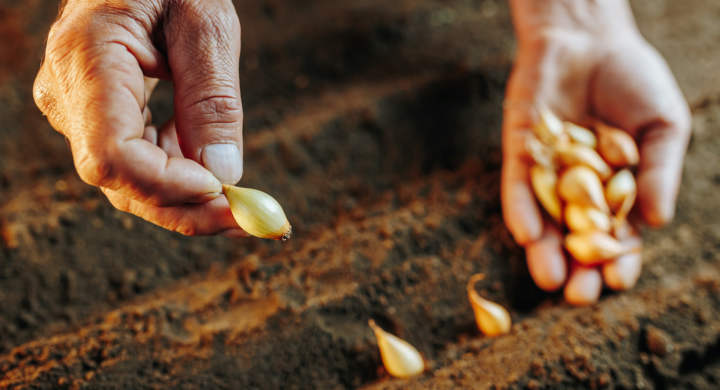 Sowing the Seeds of Progress: Agricultural Innovation in Canada
 Antoine Bernet
President
Bayer Canada
Antoine Bernet
President
Bayer Canada
-
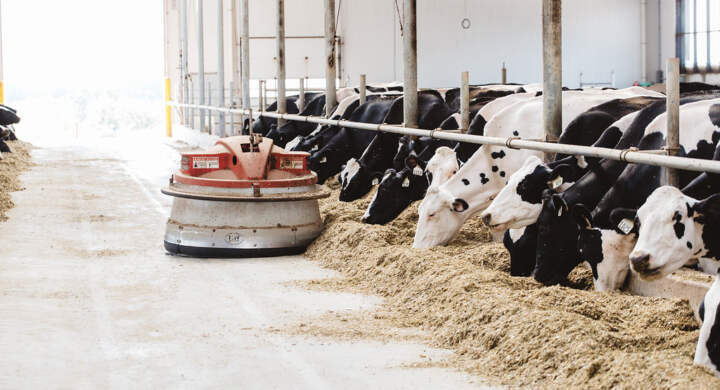 Dairy That Delivers: Why Supply Management Works for a Modern Canada
 David Wiens
Dairy farmer & President
Dairy Farmers of Canada
David Wiens
Dairy farmer & President
Dairy Farmers of Canada