
Monopoly: America’s Rigged Game Is Nearing Collapse. What Should Canada Do?
Canada must urgently shift its economic strategy to protect itself from an increasingly volatile US trade policy, investing in domestic manufacturing and global partnerships to secure its future.

Monopoly isn’t just a board game—it’s a cautionary tale. Beneath its cartoonish colours and family-friendly image is a brutal lesson in economic power, luck, and eventual collapse. Everyone starts with equal money and opportunity, but that illusion shatters quickly. The rich get richer, the poor hang on by a thread, and eventually the whole thing crashes or explodes.
In many ways, Monopoly is a mirror of America’s economic story—and more urgently, a warning about its future.
America’s Early Game Advantage
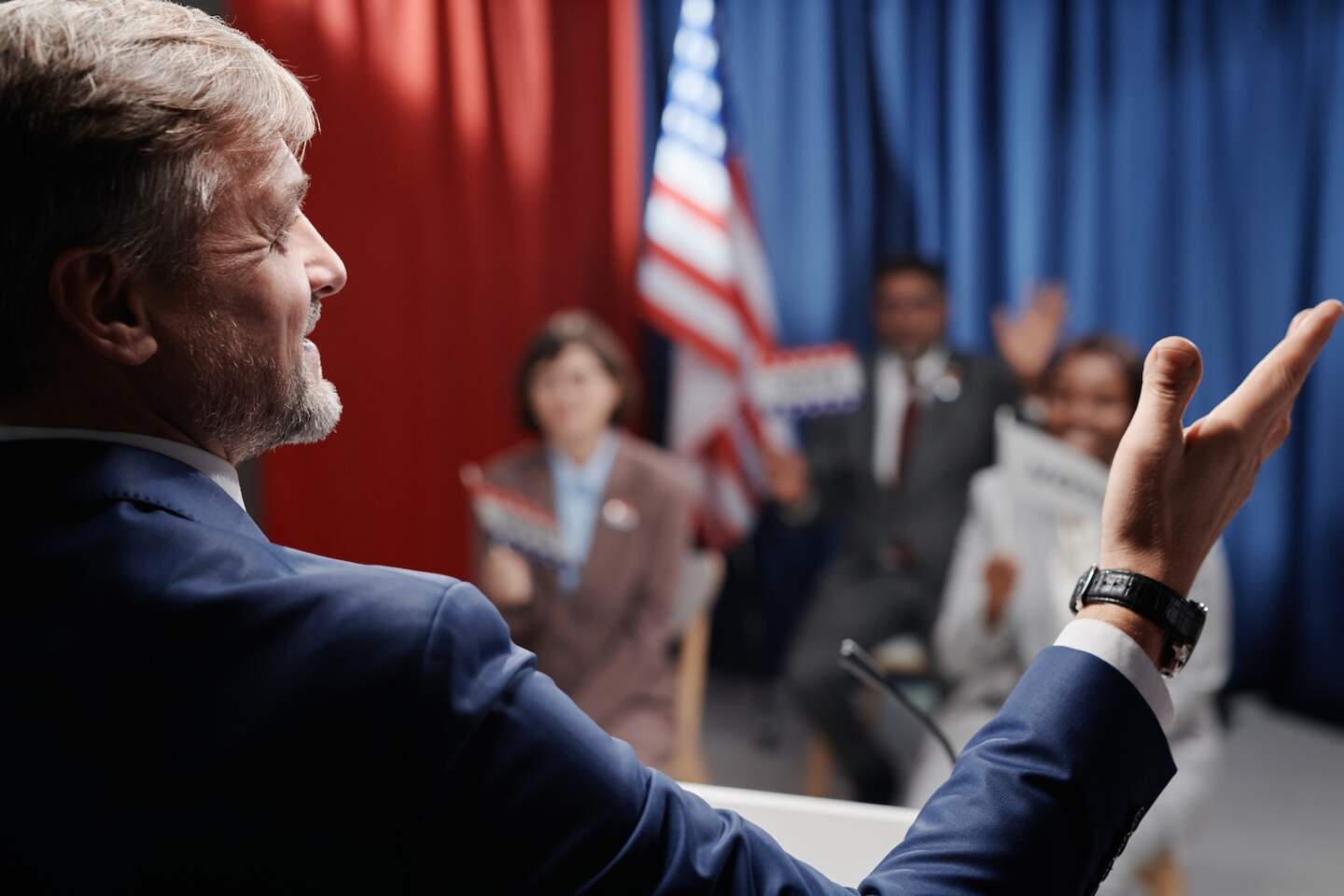
At the beginning of the game, everyone has a fair shot. But early advantages—buying prime properties, collecting steady rent, avoiding bad luck—quickly snowball. The winners consolidate their grip on the board, while the losers mortgage everything just to stay alive. In today’s global economy, the United States once played the part of the dominant player: it owned the best properties, collected the highest rents, and set the rules for the rest of the board.
But now, the US is playing like a former winner who knows they’re slipping.
Desperation, Not Dominance

Donald Trump’s recent push to revive steep tariffs and reshape America’s trade policy is a clear sign. Trump’s universal tariff on all imports and potentially even harsher penalties for trading partners are policies that economists across the spectrum warn could spark global retaliation, raise consumer prices, and slow down growth. It’s the Monopoly equivalent of the top player trying to block others from passing Go—slapping tolls on everyone else while insisting it’s just about “fair play.”
“Instead of innovation or global cooperation, America is reaching for tariffs, trade wars, and isolation—tools of desperation, not dominance.”
This kind of economic nationalism isn’t strength—it’s insecurity. It’s what a declining empire does when it no longer believes it can win by the original rules. Instead of innovation or global cooperation, America is reaching for tariffs, trade wars, and isolation—tools of desperation, not dominance.
Cracks in the American Model
Just like in Monopoly, where the wealthiest player can’t avoid the randomness of Chance or the burden of maintenance, the US can’t dodge the consequences of its own overreach. Decades of offshoring, financial deregulation, and wealth concentration have created an economy where a shrinking middle class mortgages its future just to make rent, while billionaires park wealth in tax havens and buy up digital equivalents of Boardwalk. The cracks are showing. Infrastructure is crumbling. Wages are stagnant. Debt—both personal and national—is piling up. And instead of reforming the system, we’re trying to double down on control.
Even Trump’s economic message reflects this Monopoly endgame mentality. It’s less about growth and more about vengeance. Tariffs aren’t about building something new—they’re about punishing others for playing the game better. And while a tariff might sound like economic assertiveness, in practice, it risks slowing down imports, raising costs for American consumers, and alienating allies. The last time he implemented broad tariffs, it led to retaliatory measures from China, higher prices for farmers and manufacturers, and widespread supply chain disruption.
As the game drags on, the dynamics shift from competition to survival. In Monopoly, games usually end in one of two ways. Sometimes, the losers flip the board out of frustration—mass unrest, protests, and calls for revolution. Other times, the winning player finally hits a bad break—an unexpected tax, a busted investment—and is forced to liquidate, their empire crumbling. The US economy is showing signs of both.
“Monopoly teaches us that when the game is rigged, the ending is inevitable: rebellion or collapse. And right now, America is stuck between both—still pretending it’s the banker, but behaving more like a panicked landlord.”
Strikes are surging. Younger generations are increasingly disillusioned with capitalism. Trust in institutions is near record lows. And at the same time, the financial system remains frighteningly fragile, reliant on constant growth, cheap debt, and global stability that is no longer guaranteed.
Monopoly teaches us that when the game is rigged, the ending is inevitable: rebellion or collapse. And right now, America is stuck between both—still pretending it’s the banker, but behaving more like a panicked landlord.
What Should Canada Do?
If America is the aging Monopoly champion making erratic moves to stay on top, Canada is the cautious player across the board, quietly calculating each move and trying not to land on someone else’s hotel. But with US protectionism on the rise and Trump-style policies gaining momentum, Canada can’t just hope the dice roll in its favour.
“Canada must invest in domestic manufacturing, ports, innovative ways to move goods across this big country, sustainable policies, and innovation so that Canadian jobs aren’t vulnerable to the whims of a US tariff tantrum.”
Canada must prepare for a future where its largest trading partner is no longer a predictable ally, but an increasingly volatile economic actor. That means aggressively diversifying trade relationships—deepening ties with the EU, Indo-Pacific nations, and Latin America—to reduce dependency on US markets. It also means rethinking the game we are playing. Canada must invest in domestic manufacturing, ports, innovative ways to move goods across this big country, sustainable policies, and innovation so that Canadian jobs aren’t vulnerable to the whims of a US tariff tantrum.
Critically, Canada must protect its middle class from being collateral damage in America’s internal collapse. That includes stronger social safety nets, better housing policy, and real wage growth to ensure that ordinary Canadians don’t get stuck in a debt cycle while the economic elite consolidate wealth, as has happened south of the border.
Canada should also take a leadership role in defending or establishing new global institutions and multilateral trade pacts, which the US is increasingly abandoning. In a world where America may walk away from the table, someone needs to keep the game from descending into chaos.
More practically, Canada should adopt policies that encourage domestic services to thrive, such as removing HST from used and refurbished goods. Not only would this support more sustainable consumption, but it could also revive a nearly lost art: the neighbourhood repair shop.
Endgame or Reset?
The US may still be the biggest player on the board, but it’s no longer the most stable. If Canada doesn’t act now, it may find itself trapped in someone else’s endgame.
We can’t keep playing the same game and expect a different outcome. And yet, we do. We keep passing Go, collecting our $200, and pretending the board hasn’t changed—hoping, somehow, that next time, we’ll win. But the board doesn’t change. Only the names of the players do.
-
 The Tariff Reckoning: Why Canada’s Financial Leaders Must Lead the Charge
 Howard Kerbel
Executive Director
FEI Canada
Howard Kerbel
Executive Director
FEI Canada
-
 Annex my A**: Navigating US Trade Tensions and Securing Canada’s Digital Sovereignty
 Keith Jansa
Chief Executive Officer
Digital Governance Council
Keith Jansa
Chief Executive Officer
Digital Governance Council
-
 Leveraging Political Turmoil to Achieve Economic Prosperity in Canada
 Meaghan Seagrave
Executive Director
Bioindustrial Innovation Canada
Meaghan Seagrave
Executive Director
Bioindustrial Innovation Canada