
Future in Focus: World Oceans Day
Canada has the world’s longest coastline, yet our fragmented approach to marine management leaves both ecosystems and economic potential adrift. Discover how shifting from a siloed “ocean sector” to a unified “ocean system” can unlock clean energy, protect biodiversity, and secure Canada’s future as a global blue superpower.
-
 Op-Ed
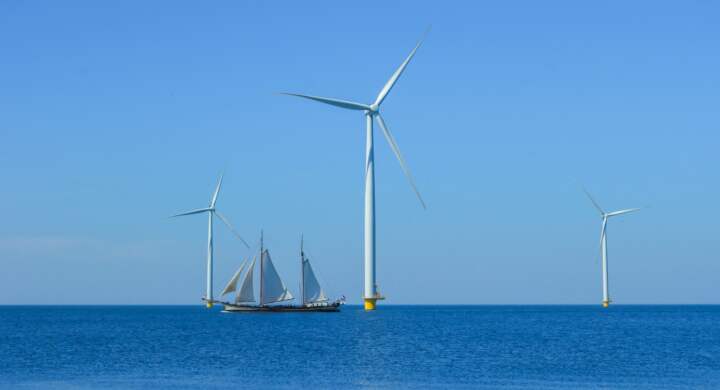
Marine Renewables: The Key to Unlocking Canada’s Blue Economy Potential
Op-Ed
Marine Renewables: The Key to Unlocking Canada’s Blue Economy Potential
 Elisa Obermann
Executive Director
Marine Renewables Canada
Elisa Obermann
Executive Director
Marine Renewables Canada
-
 Op-Ed
The Ocean Is Not a Sector. It Is the System. Let’s Treat it that Way
Op-Ed
The Ocean Is Not a Sector. It Is the System. Let’s Treat it that Way
 Jennie Moushos
Interim CEO & COO
Ocean Wise
Jennie Moushos
Interim CEO & COO
Ocean Wise
-
 Op-Ed
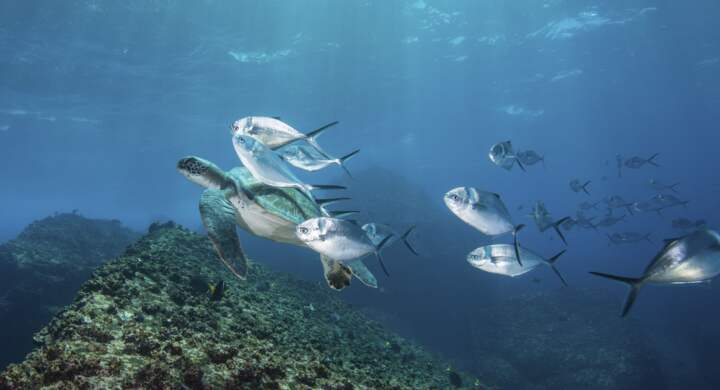
Canada’s Ocean Future: Building Prosperity Through Sustainable Marine Protection
Op-Ed
Canada’s Ocean Future: Building Prosperity Through Sustainable Marine Protection
 Jason Goldsworthy
Executive Director
COAST Centre for Ocean Applied Sustainable Technologies
Jason Goldsworthy
Executive Director
COAST Centre for Ocean Applied Sustainable Technologies
-
 Op-Ed
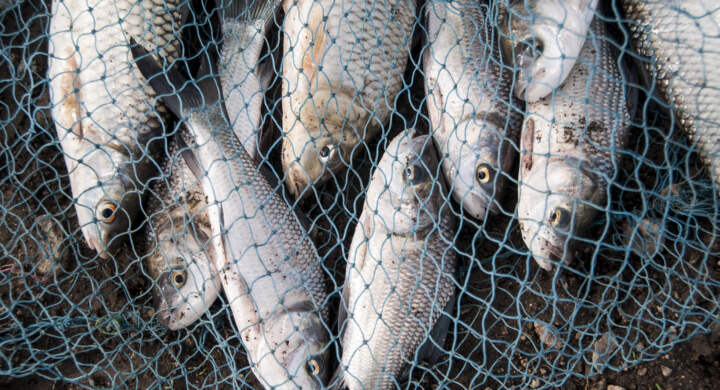
No More Delays: Efficiency and Integrity Should Guide Canada’s Fisheries Policies
Op-Ed
No More Delays: Efficiency and Integrity Should Guide Canada’s Fisheries Policies
 Daniel Pauly
Principal Investigator
Sea Around Us
Daniel Pauly
Principal Investigator
Sea Around Us
 Valentina Ruiz-Leotaud
Communications Lead
Sea Around Us
Valentina Ruiz-Leotaud
Communications Lead
Sea Around Us
The ocean is no longer just a sector to be exploited for isolated economic gains; it is a complex, interconnected biological and economic system that underpins Canada’s climate resilience, coastal identity, and future prosperity. Boasting the longest coastline in the world, Canada’s maritime waters are our greatest natural asset—and our most profound management challenge.
For generations, Canada has approached the ocean through a fragmented lens, separating fisheries from energy, and conservation from commercial shipping. This siloed governance has left our marine ecosystems vulnerable and our blue economy underperforming, contributing just 1.2% to national GDP. To secure our coastline for the next century, Canada must shift from reactive conservation to a unified, systemic framework that treats marine health and economic wealth as deeply dependent variables.
Our latest Future in Focus series draws on leading insights from marine policy, renewable energy developers, and conservation scientists to map out the structural transformations required to establish Canada as a sustainable global ocean superpower.
1. Shifting from an Ocean “Sector” to an Ocean “System”
Historically, Canada’s maritime policy has treated the ocean as an assortment of distinct industries—fisheries, oil and gas, tourism, and shipping—operating in isolation. True ocean sustainability requires recognizing that a disruption in one area ripples across the entire marine ecosystem. By implementing integrated Marine Spatial Planning (MSP), public institutions can balance commercial use with environmental boundaries, moving away from fragmented, ad-hoc decision-making toward a holistic governance model that protects biodiversity while fostering predictable economic growth.
2. Unlocking Canada’s Marine Renewable Potential
Canada possesses some of the most powerful tidal movements, wave resources, and offshore winds on the planet, yet our marine renewable energy (MRE) sector remains largely untapped. Scaling these clean technologies is essential to meeting Canada’s net-zero targets and phasing out diesel dependency in remote, coastal, and Indigenous communities. To bridge the gap between pre-commercial technology and grid-scale reality, Canada needs modernized, agile regulatory pathways that encourage private investment and de-risk early-stage infrastructure deployments.
3. Redefining Marine Protection as a Driver of Prosperity
Marine protection has long been framed as an inherent trade-off against industrial progress. In reality, well-managed Marine Protected Areas (MPAs) serve as economic engines that replenish commercial fish stocks, safeguard coastal communities from climate-driven erosion, and anchor robust eco-tourism economies. Sustainable marine protection relies on co-governance with Indigenous nations and local stakeholders, ensuring that conservation networks are not just lines drawn on a map, but active investments in long-term ecological and regional prosperity.
4. Anchoring the Blue Economy in National Strategy
As global competition for maritime resources intensifies, Canada cannot afford an underdeveloped blue economy. Treating our oceans as a national strategic priority means aligning federal capital, scientific research, and workforce training to meet the challenges of the future. By investing in digital ocean technologies, clean maritime transportation, and sustainable aquaculture, Canada can drive a high-value, low-carbon blue economy that generates generational wealth while preserving the ecological integrity of our three oceans.
Call to Action
The race to govern and protect the global ocean system is underway, and Canada’s vast coastlines position us to lead. True leadership, however, requires moving beyond piecemeal regulations and embracing systemic, long-term stewardship.
It is time to build a maritime framework that honors the ocean as a unified system. By accelerating marine renewable energy, scaling collaborative protection areas, and modernizing ocean governance, we can safeguard our ecosystems and secure Canada’s economic future. Explore the series and join the conversation on building a resilient, prosperous blue economy.
-
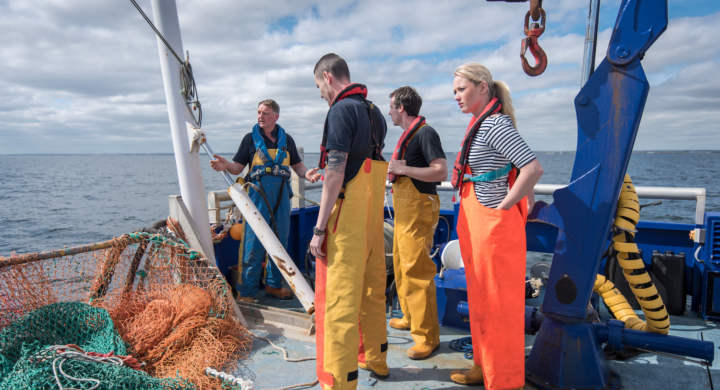 Canada’s Marine Economy Must Be Sustainable, Climate Resilient and Diversified
 Jake Rice
Chief Scientist Emeritus
Department of Fisheries and Oceans Canada
Jake Rice
Chief Scientist Emeritus
Department of Fisheries and Oceans Canada
-
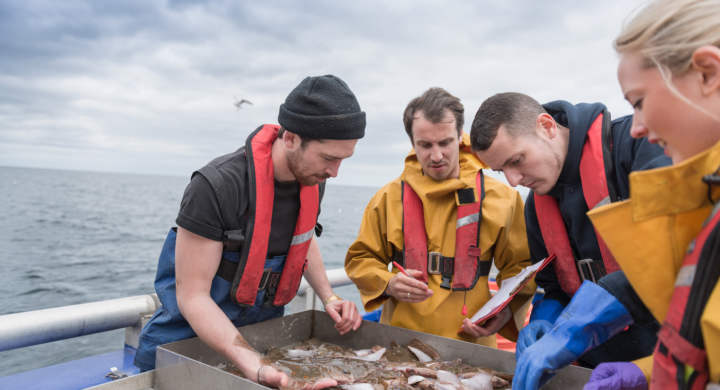 The Future of Canada’s Fisheries
 Minister Bernadette Jordan
Minister of Fisheries, Oceans, and the Canadian Coast Guard
Government of Canada
Minister Bernadette Jordan
Minister of Fisheries, Oceans, and the Canadian Coast Guard
Government of Canada
-
 From the Arctic to Ottawa: Investing in Climate Resilience Before It’s Too Late
 Don Iveson
Executive Advisor, Climate Investing & Community Resilience
Co-operators
Don Iveson
Executive Advisor, Climate Investing & Community Resilience
Co-operators
 Hillary Thatcher
Managing Director, Investments
Canada Infrastructure Bank
Hillary Thatcher
Managing Director, Investments
Canada Infrastructure Bank
 Priya Bala-Miller
Managing Director
Nature Investment Hub
Priya Bala-Miller
Managing Director
Nature Investment Hub
 David Hughes
President & CEO
Generate Canada
David Hughes
President & CEO
Generate Canada