
The Ocean Is Not a Sector. It Is the System. Let’s Treat it that Way
The ocean feeds us, powers trade, carries our data, and regulates the climate. It is not a separate sector. It is the foundation of our economy, security, and future. It is time we treated it that way.

Every second breath we take comes from the ocean. That simple truth should cut through the noise of policy debates. It should reframe what we often treat as an environmental issue into something far more fundamental. The ocean is not a distant concern. It is the operating system beneath our economy.
The Ocean Is the Foundation of the Global Economy
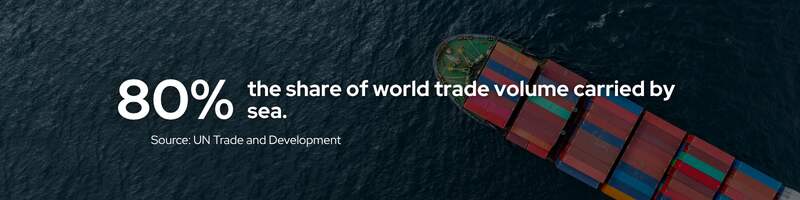
The ocean covers 70% of the planet, absorbs most of the excess heat we generate, and stores roughly half of global carbon. It carries our food, energy, and data. It connects supply chains and underpins global trade. And yet, despite this central role, it remains largely invisible in conversations about economic growth, resilience, and national security.
That invisibility is starting to shift. In March 2026, Prime Minister Mark Carney launched A Force of Nature: Canada’s Strategy to Protect Nature, a $3.8 billion plan that explicitly links environmental protection with economic strength, sovereignty, and long-term competitiveness.
The Spring Economic Update went even further, providing $957.8 million over five years for small craft harbours and $160.8 million over five years for protecting whales and their habitat. It is a notable change in framing. Nature and the ocean are no longer positioned as something to balance against the economy. It is being recognized as foundational to it.
But even within this important shift, the ocean still risks being underappreciated. A country that cannot feed itself, fuel itself, or defend itself has few options. The ocean and our connection to it are central to supporting these options.
Food Security Depends on Healthy Ocean Ecosystems
Start with food. Global fisheries and aquaculture support billions of people, providing a primary source of protein and livelihoods for coastal communities around the world. In Canada, seafood is not only part of our cultural identity, it is a major export and economic driver.
Yet food security conversations often focus on agriculture. That narrow lens ignores the role of sustainable fisheries, responsible aquaculture, and the ecosystems that make both possible. If we degrade ocean health, we undermine one of our most reliable food systems.
The Ocean’s Growing Role in Energy Security
“Global energy transportation depends on the ocean, from tanker routes to subsea pipelines. When we speak about energy independence or transition, the ocean is not adjacent to the story. It is at the heart of it.”
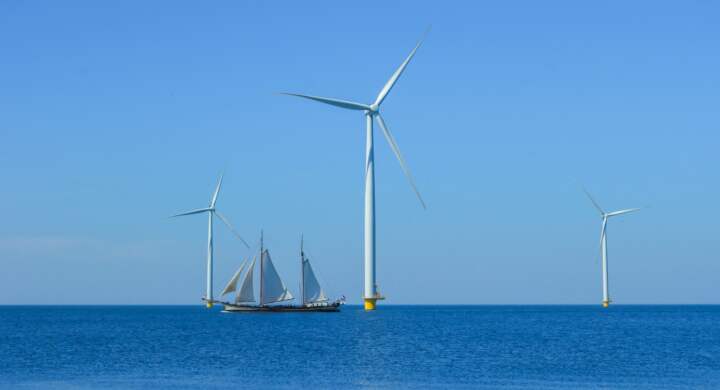
Now consider energy. The ocean is already central to how we power modern life. Offshore oil and gas have long been part of the global energy supply. Today, offshore wind is one of the fastest-growing sources of renewable power, with enormous potential along Canada’s coastlines. Tidal and wave energy technologies, though still emerging, hold promise for predictable and low-impact power generation.
Even global energy transportation depends on the ocean, from tanker routes to subsea pipelines. When we speak about energy independence or transition, the ocean is not adjacent to the story. It is at the heart of it.
Why Ocean Security Is National Security
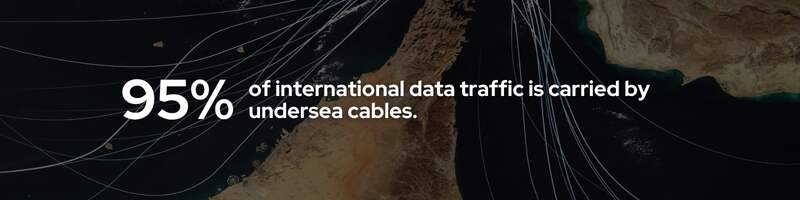
Then there is defence. The ocean is not empty space. Undersea cables carry more than 95% of international data traffic, forming the invisible backbone of our digital economy. Naval capacity, maritime surveillance, and Arctic sovereignty are all tied to ocean access and understanding.
As geopolitical tensions evolve, the security of marine corridors and infrastructure becomes more critical. Yet defence discussions often treat the ocean as a backdrop rather than a domain that requires sustained investment, innovation, and stewardship.
Building a Sustainable Ocean Economy Through Integration
What becomes clear is that the ocean is not a discrete industry or a niche environmental concern. It is the connective tissue that links sectors that often operate in silos. Energy, logistics, food production, climate science, and technology all intersect in the ocean. When we fail to see those connections, we miss opportunities to build more integrated and resilient systems.
Part of the challenge is perception. The ocean has long been described as the final frontier. It is vast, complex, and largely unexplored. We have mapped the surface of Mars in greater detail than our own seafloor. That reality should give us pause. It is difficult to manage what we do not understand, and even harder to value what we rarely see.
“If the ocean remains out of sight in economic narratives, it will continue to be underrepresented in funding decisions, innovation strategies, and long-term planning.”
This lack of visibility has consequences. Investment flows where attention goes. Policy follows public awareness. If the ocean remains out of sight in economic narratives, it will continue to be underrepresented in funding decisions, innovation strategies, and long-term planning. That is a missed opportunity at a time when countries like Canada are seeking pathways to sustainable growth and global leadership.
Canada’s Opportunity to Lead the Sustainable Ocean Economy
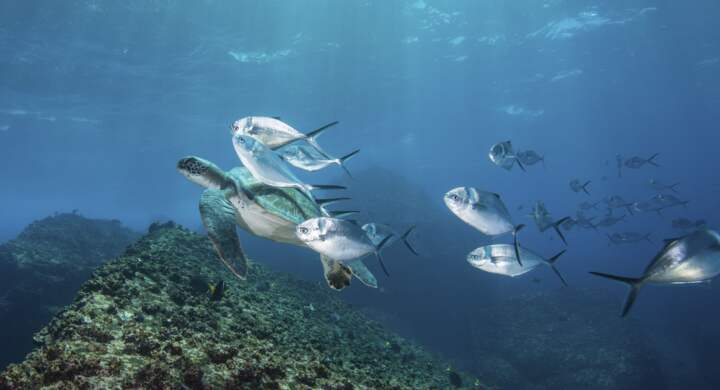
Canada, in particular, has a unique advantage. With the longest coastline in the world and access to three oceans, the country is positioned to lead in the development of a sustainable ocean economy. That includes advancing clean ocean technologies, supporting responsible fisheries, expanding marine conservation, and investing in ocean data and monitoring systems.
It also includes building stronger partnerships between Indigenous communities, industry, and government, recognizing that stewardship and economic development can and must go hand in hand.
The Ocean Is Already Part of Every Industry’s Story
“The next step is integration. That means embedding ocean literacy into business education, ensuring that executives in sectors like finance, technology, and infrastructure understand how their work intersects with marine systems.”
Awareness is the starting point, but it cannot be the end goal. The next step is integration. That means embedding ocean literacy into business education, ensuring that executives in sectors like finance, technology, and infrastructure understand how their work intersects with marine systems. It means designing policies that reflect the interconnected nature of ocean and land-based activities. It means investing in research and data that can inform better decision-making, from real-time monitoring of marine ecosystems to advanced mapping of the seafloor.
For business and policy leaders, this is not about adding another issue to an already crowded agenda. It is about recognizing an existing dependency. If you work in energy, the ocean influences your infrastructure and future resource mix. If you are in logistics, it is central to your supply chains. If you are in food production, it shapes a significant portion of the global protein supply. The ocean is already part of your story.
The question is whether we are prepared to act on that reality.
The Economic Opportunity of a Healthier Ocean
The opportunity is significant. A healthier ocean can support stronger economies, more resilient communities, and more stable climates. Responsible development of ocean resources can create jobs and drive innovation. Better protection of marine ecosystems can safeguard biodiversity while maintaining the services those ecosystems provide.
The next era of economic growth will be defined by how well we understand and manage interconnected systems. The ocean is one of the largest and most important of those systems. It is time we started treating it that way.
About the Expert
-

Jennie Moushos is Interim Chief Executive Officer and Chief Operations Officer of Ocean Wise Conservation Association. With more than 30 years of executive leadership experience, her work focuses on building partnerships, advancing sustainability, and driving practical solutions that support the long-term health of Canada’s oceans and communities.
Ocean Wise Conservation Association is a global ocean conservation organization focused on building communities that take meaningful action to protect and restore the ocean. Its work addresses climate change, ocean pollution and plastics, overfishing, sustainable seafood, marine species conservation, shoreline cleanups, research, education, and youth engagement. The organization is based in Vancouver on the traditional and unceded territories of the Musqueam, Squamish, and Tsleil-Waututh Nations, and works across Turtle Island and beyond.
See more
-
 Marine Renewables: The Key to Unlocking Canada’s Blue Economy Potential
 Elisa Obermann
Executive Director
Marine Renewables Canada
Elisa Obermann
Executive Director
Marine Renewables Canada
-
 Canada’s Ocean Future: Building Prosperity Through Sustainable Marine Protection
 Jason Goldsworthy
Executive Director
COAST Centre for Ocean Applied Sustainable Technologies
Jason Goldsworthy
Executive Director
COAST Centre for Ocean Applied Sustainable Technologies
-
 No More Delays: Efficiency and Integrity Should Guide Canada’s Fisheries Policies
 Daniel Pauly
Principal Investigator
Sea Around Us
Daniel Pauly
Principal Investigator
Sea Around Us
 Valentina Ruiz-Leotaud
Communications Lead
Sea Around Us
Valentina Ruiz-Leotaud
Communications Lead
Sea Around Us