
Future in Focus: World Water Day
For decades, Canada has thrived on the “myth of abundance”, the belief that our freshwater is a limitless, static resource. But as global markets destabilize and the climate warms, that myth is being replaced by a stark new reality: Water is one of the most strategic form of national capital we possess. This series brings together three defining perspectives on why water is the ultimate pivot point for Canada’s future.
-
 Op-Ed
Water is Economic Infrastructure. Canada’s Supply Chains Depend on It.
Op-Ed
Water is Economic Infrastructure. Canada’s Supply Chains Depend on It.
 Justin Murgai
CEO
WaterAid Canada
Justin Murgai
CEO
WaterAid Canada
-
 Op-Ed
Canada’s Water Advantage: A Strategic Economic Strength in a Volatile World
Op-Ed
Canada’s Water Advantage: A Strategic Economic Strength in a Volatile World
 Lorena Patterson
President & CEO
WaterPower Canada
Lorena Patterson
President & CEO
WaterPower Canada
-
 Op-Ed
Canada’s Water Future: Climate Change, Water Security, and Sustainable Management
Op-Ed
Canada’s Water Future: Climate Change, Water Security, and Sustainable Management
 John Pomeroy
Director
Global Water Futures Observatories
John Pomeroy
Director
Global Water Futures Observatories
The Blue Engine of Prosperity: Water as Canada’s Strategic National Capital
Water is no longer just a natural resource; it is the backbone of a modern economy and the foundation of national security. In a volatile world, Canada’s freshwater and hydropower assets are among the defining forces shaping our future prosperity and global competitiveness.
From anchoring the clean energy grids of tomorrow to stabilizing the global supply chains that feed and clothe the world, water determines which nations will thrive in an era of climate disruption. For Canada, holding one-fifth of the world’s freshwater, the transition from “accidental abundance” to “strategic management” is not only an environmental necessity but a critical economic strategy.
And yet, the moment is fragile.
Canada’s water ecosystem is under strain as aging infrastructure, regulatory complexity, and a rapidly warming climate threaten to turn our greatest advantage into a point of failure. Without a coordinated national effort to treat water as strategic capital, Canada risks losing the very stability needed to fuel our industrial and social ambitions.
To mark World Water Day, our new Future in Focus series explores the three pillars required for Canada to turn its water advantage into a permanent national strength.
1. Hydropower as a Strategic Economic Shield
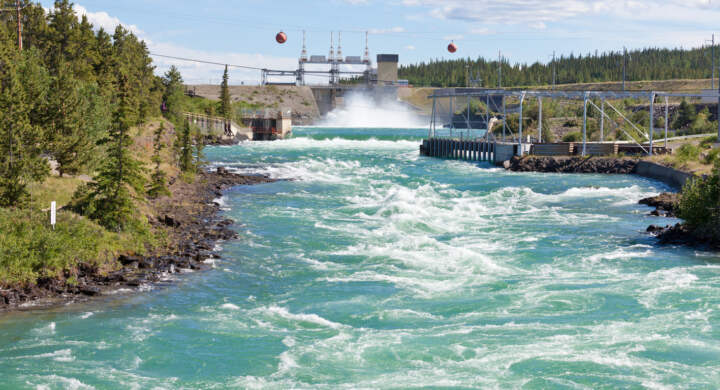
Canada’s water advantage is a massive economic hedge against global volatility. Unlike energy sources tied to unpredictable foreign fuel markets, hydropower provides a “quiet strength” that offers long-term price stability for households and industry alike. As the “backbone” technology for electrification, hydro acts as a giant national battery, allowing us to integrate wind and solar while maintaining a reliable, 24/7 grid. Treating these generational assets as strategic national capital—rather than simple utilities—is essential to protecting Canada’s industrial competitiveness for the next century.
2. Water Infrastructure as a Global Supply Chain Stabilizer
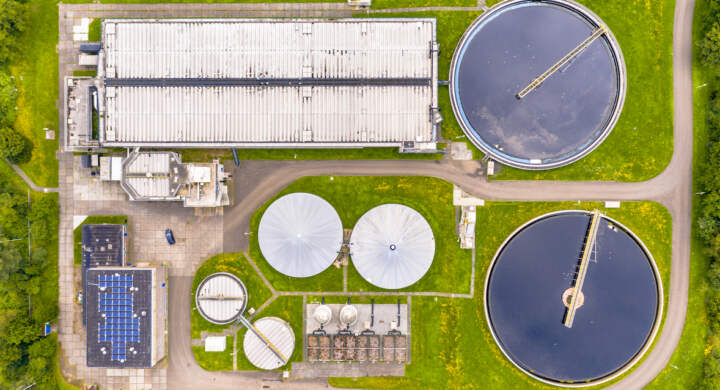
In an interconnected economy, water is the silent partner of productivity. Inadequate water, sanitation, and hygiene (WASH) are not just humanitarian issues; they are “economic eroders” that cost some emerging markets over 8% of their annual GDP. For Canadian companies operating globally in mining and agriculture, investing in local water security is a savvy risk-management strategy. Proven data shows that reliable water access can slash worker absenteeism by 30% and boost productivity by 25%. For Canada to lead, we must recognize WASH as essential economic infrastructure in our trade and development strategies.
3. “Water Intelligence” for a Thawing Frontier
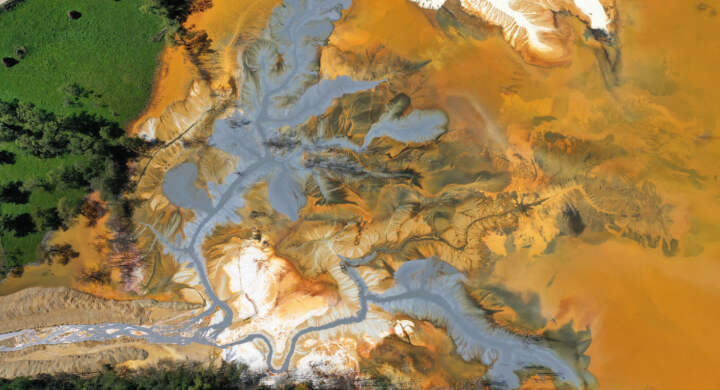
The myth of limitless, easy water is dying. As climate change “overheats” our snow and ice, Canada is losing the natural reservoirs that sustain our western farms and northern communities. Navigating this “Great Thaw” requires a new era of “Water Intelligence”—blending high-tech satellite modeling and stream-gauge data with the deep traditional knowledge of Indigenous Nations. By moving toward integrated river basin management and precision water allocation, Canada can adapt to new extremes of flood and drought while ensuring water remains a life-giving basis for national security.
Call to Action
World Water Day is not just a moment for reflection; it is a strategic checkpoint. Canada possesses the resources and the expertise to be a global water superpower, but that leadership will not happen by default. It requires a commitment to modernize our regulations, invest in aging infrastructure, and include Indigenous voices at the core of every decision.
The transition to a more volatile, water-stressed world is already underway. The question is whether Canada will treat its water as a strategic asset to lead this new reality, or continue to rely on a myth of abundance until the taps run dry.
-
Canada’s Water Advantage: A Strategic Economic Strength in a Volatile World
Lorena Patterson
President & CEO
WaterPower Canada
-
 Fusion’s Decisive Decade and Why Canada Is Positioned to Lead
 Amitava Bhattacharjee
President & Chief Science Officer
Stellarex
Amitava Bhattacharjee
President & Chief Science Officer
Stellarex
-
 Canada’s Economic Future Runs on Electricity
 Vittoria Bellissimo
President & CEO
CanREA
Vittoria Bellissimo
President & CEO
CanREA
 Imran Noorani
Vice President of Policy
CanREA
Imran Noorani
Vice President of Policy
CanREA