
Future in Focus: International Day of Clean Energy
-
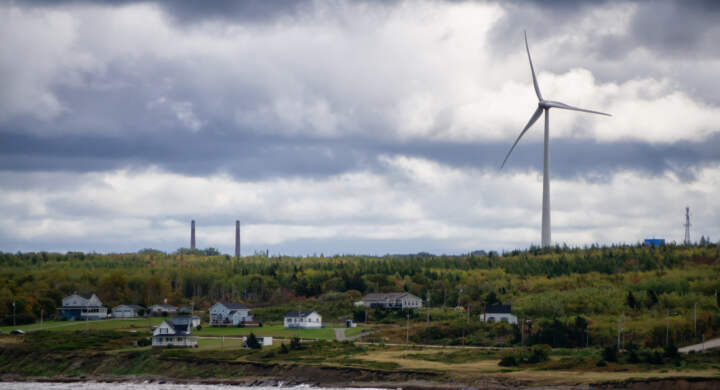 Op-Ed
Canada’s Economic Future Runs on Electricity
Op-Ed
Canada’s Economic Future Runs on Electricity
 Vittoria Bellissimo
President & CEO
CanREA
Vittoria Bellissimo
President & CEO
CanREA
 Imran Noorani
Vice President of Policy
CanREA
Imran Noorani
Vice President of Policy
CanREA
-
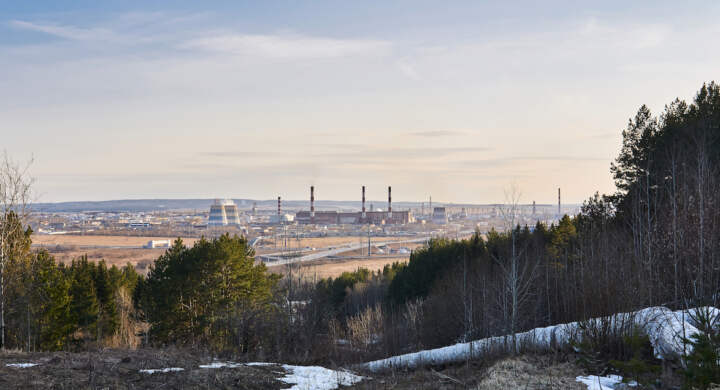 Op-Ed
CCS Deployment: Don’t Take the “S” for Granted
Op-Ed
CCS Deployment: Don’t Take the “S” for Granted
 Neil Wildgust
President & CEO
Carbon Management Canada
Neil Wildgust
President & CEO
Carbon Management Canada
-
 Op-Ed
Canada Excels at Climate Technology Innovation, but Struggles to Adopt It
Op-Ed
Canada Excels at Climate Technology Innovation, but Struggles to Adopt It
 Tyler Hamilton
Senior Director of Climate
MaRS
Tyler Hamilton
Senior Director of Climate
MaRS
-
 Op-Ed
Canada’s Clean Energy Opportunity: Powering Shared Prosperity
Op-Ed
Canada’s Clean Energy Opportunity: Powering Shared Prosperity
 Kwatuuma Cole Sayers
Executive Director
Clean Energy BC
Kwatuuma Cole Sayers
Executive Director
Clean Energy BC
-
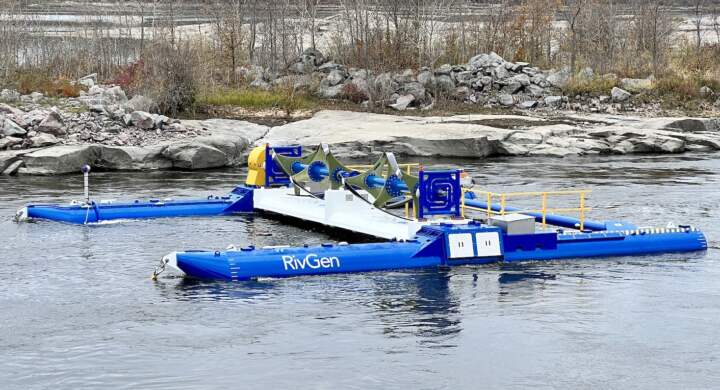 Op-Ed
Marine Renewables: The Hidden Gem in Canada’s Energy-Superpower Future
Op-Ed
Marine Renewables: The Hidden Gem in Canada’s Energy-Superpower Future
 Elisa Obermann
Executive Director
Marine Renewables Canada
Elisa Obermann
Executive Director
Marine Renewables Canada
Clean energy is no longer a side project of climate policy. It is the backbone of modern economies, the foundation of industrial competitiveness, and one of the defining forces shaping national security and prosperity in the twenty-first century.
From powering advanced manufacturing and electrifying transportation to securing supply chains and attracting global investment, clean energy now determines which countries lead and which fall behind. For Canada, with its vast natural resources, engineering talent, and capital markets, the energy transition is not only an environmental imperative but also an economic strategy.
And yet, the moment is fragile.
Canada’s clean-energy ecosystem is under strain. Grid constraints, project delays, permitting bottlenecks, skills shortages, and policy uncertainty threaten to slow deployment just as global competition accelerates. The United States, Europe, and Asia are moving quickly to anchor supply chains, scale domestic manufacturing, and lock in investment through aggressive industrial policy. Without coordinated leadership and long-term planning, Canada risks becoming a follower in a race it is uniquely positioned to lead.
To mark International Day of Clean Energy, our new Future in Focus series explores what it will take for Canada to turn ambition into advantage, and build a clean-energy system capable of powering growth, resilience, and global leadership.
1. Clean Energy as a Platform for National Competitiveness
Clean power is now a core input into advanced economies. Low-cost, reliable electricity determines where data centres are built, where batteries and semiconductors are manufactured, and where capital flows.
Canada already holds a strategic edge, with one of the cleanest electricity grids in the G7 and abundant hydro, wind, nuclear, and critical mineral resources. But competitiveness will depend on scale and speed. Expanding transmission, accelerating interprovincial trade, and aligning infrastructure with industrial clusters will determine whether Canada captures the next generation of energy-intensive industries or watches them move elsewhere.
2. Energy Security and Global Leadership
Energy systems are now central to geopolitics.
As global supply chains fragment and climate risks intensify, countries are rethinking how they secure power, fuels, and critical materials. Canada has an opportunity to position itself as a trusted supplier of clean electricity, low-carbon fuels, hydrogen, and critical minerals to allies seeking stable, democratic partners.
Leadership in clean energy is no longer just about emissions. It is about sovereignty, reliability, and influence in a rapidly changing global order.
3. Workforce, Innovation, and Next-Generation Technologies
The energy transition will be built by people.
From power-system engineers and grid operators to trades, project developers, and software specialists, the clean-energy workforce is becoming one of the largest and most strategic labour markets in the country. Training pathways, immigration policy, and industry-education partnerships will shape how fast Canada can scale.
At the same time, innovation remains central. Advanced nuclear, long-duration storage, carbon capture, clean fuels, and digital grid technologies will define the next phase of deployment. Countries that combine research strength with domestic commercialization will capture not just projects, but entire value chains.
4. Policy, Permitting, and System-Level Reform
Canada’s clean-energy challenge is no longer technological. It is institutional.
Projects stall not because solutions are missing, but because governance is fragmented across jurisdictions, timelines are unpredictable, and accountability is diffuse. Aligning federal and provincial policy, modernizing permitting, coordinating regulators, and planning the grid as a national system are now essential to unlocking investment at scale.
Without reform, even the best incentives will struggle to deliver outcomes.
Call to Action
International Day of Clean Energy is not just a celebration; it is a checkpoint.
Canada has the resources, talent, and credibility to become a clean-energy superpower. But leadership will not emerge by default. It requires a coherent national strategy, faster infrastructure, a skilled workforce, and the political will to treat energy as the economic system it has become.
The transition is already underway. The question is whether Canada will shape it or simply adapt to choices made elsewhere.
The future of competitiveness, security, and growth will be powered by clean energy. Canada should be at the centre of that future.
-
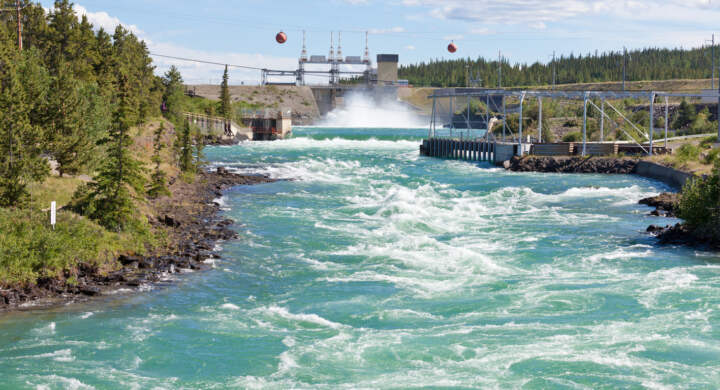 Canada’s Water Advantage: A Strategic Economic Strength in a Volatile World
 Lorena Patterson
President & CEO
WaterPower Canada
Lorena Patterson
President & CEO
WaterPower Canada
-
 Fusion’s Decisive Decade and Why Canada Is Positioned to Lead
 Amitava Bhattacharjee
President & Chief Science Officer
Stellarex
Amitava Bhattacharjee
President & Chief Science Officer
Stellarex
-
Canada’s Economic Future Runs on Electricity
Vittoria Bellissimo
President & CEO
CanREA
Imran Noorani
Vice President of Policy
CanREA