
Canadian Lithium Production: The Value of Domestic Refining

The renewable energy transition is here, and with it comes an ever-increasing demand for lithium. Batteries, electric cars, laptops, cell phones, and the expanding Energy Storage System (ESS) industry all rely on lithium for power. This highly dense and reactive element has become a key component of humanity’s path forward, making it increasingly valuable within the global market.
As demand grows, countries rich in this powerful mineral have an opportunity to reclaim a significant portion of the battery-value supply chain. Canada, with the sixth-largest lithium reserves worldwide, is uniquely positioned to become a major player in the lithium industry.
“Canada exports most of its raw lithium ore for refining abroad, receiving only a fraction of its true worth. This reliance on foreign refining leaves our economy vulnerable.”
The challenge lies in unlocking the full value of our domestic lithium reserves. Currently, Canada exports most of its raw lithium ore for refining abroad, receiving only a fraction of its true worth. This reliance on foreign refining leaves our economy vulnerable to geopolitical issues, potential logistical challenges, and an increased environmental footprint.
The new industrial revolution is at our doorstep. The question is, will Canada rise to meet it?
The State of Canada’s Lithium Reserves

Canada’s lithium reserves hold tremendous promise. Lithium is found in feedstocks across the country, including salts in brines, petro-brines, and hard rock minerals like spodumene, which are plentiful in Quebec and Ontario.
Despite this abundance, domestic lithium production has been limited. Between 2014 and 2019, Canada produced almost no lithium. Thankfully, the demand for renewable energy technologies, primarily driven by the surge in electric vehicle adoption, has led to increased funding for exploration projects in Canada. As of April 2023, Mining Intelligence data reports there are 409 active lithium projects within Canada at various stages of exploration or development across the country.
“Maximizing lithium’s value means developing downstream production capacities to capture more of its true worth.”
North American policies, such as Canada’s Critical Mineral Strategy and the Inflation Reduction Act in the US, also provide incentives for domestic lithium production. Both policies promise to streamline the regulatory process, fostering resource development projects and bolstering battery supply chains.
Still, domestic supply is only part of the equation. Maximizing lithium’s value means developing downstream production capacities to capture more of its true worth. Yet, one crucial link remains missing in Canada’s battery value chain: domestic refinement.
The Problem with Overseas Lithium Production
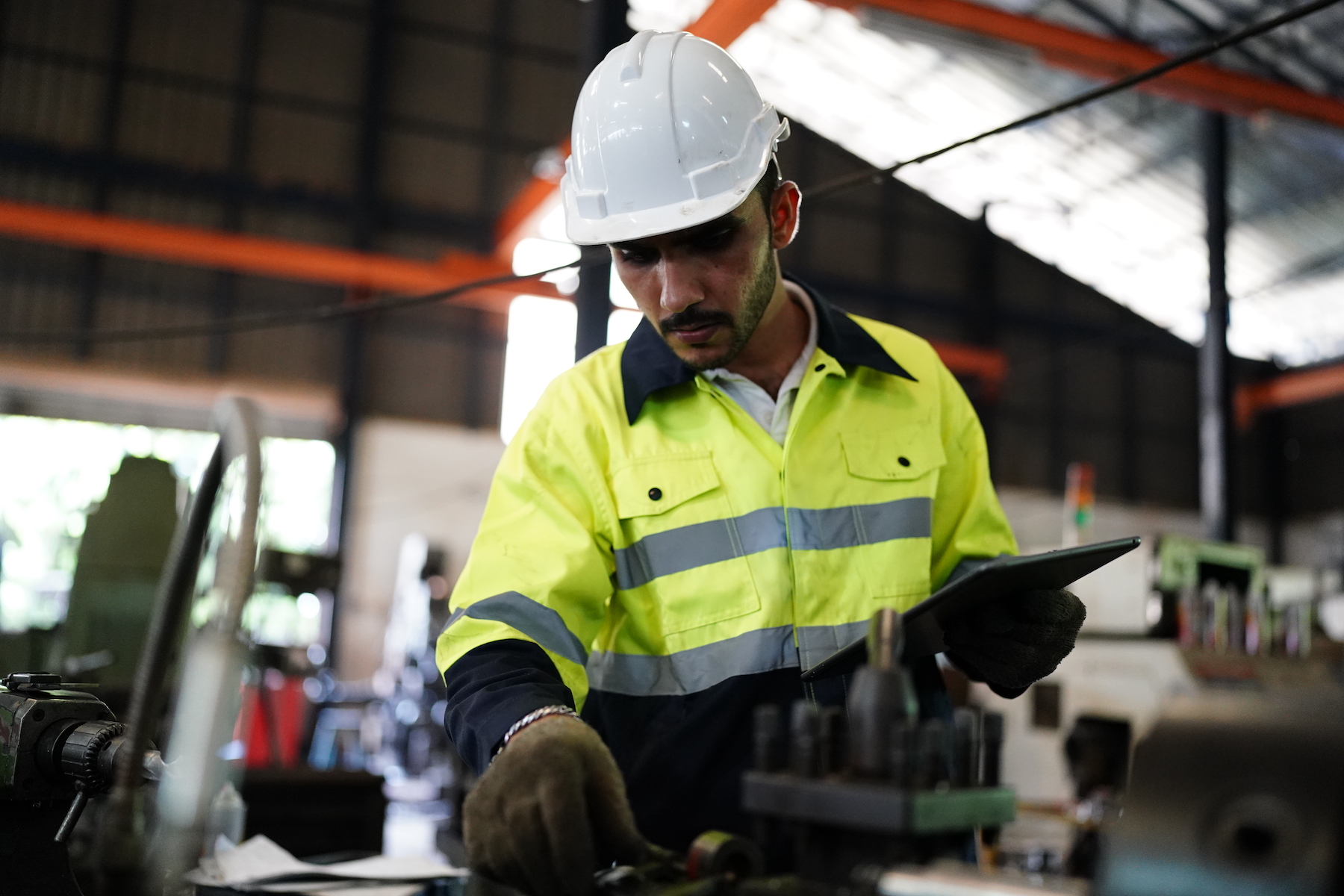
As noted in this Government of Canada’s Lithium Facts page, extracted spodumene lithium from Quebec, the site of Canada’s only operating lithium production, has historically been shipped to China for refining into a battery-grade product. While Chinese lithium refining operations have proven cost-effective, our reliance on foreign sources of lithium introduces economic, security, and environmental risks.
The consequences of such practices were evident in 2022 when several Chinese lithium refining operations were ordered to suspend production. This was due to suspected pollution of the Jin River, a primary water source for seven Chinese cities and townships. Bloomberg reported that these closures shut down a tenth of the global lithium supply.
“This reliance on overseas lithium production establishes geopolitical risks and logistical complications that can further tighten bottlenecks in the supply chain.”
In addition to environmental concerns, shipping extracted lithium overseas for refining creates a bottleneck in the supply chain. This reliance on overseas lithium production establishes geopolitical risks and logistical complications that can further tighten bottlenecks in the supply chain.
China currently ranks as the world’s third-largest lithium producer, despite holding only ten percent of global supply. This suggests that demand is met through refining rather than extraction, presenting a remarkable opportunity for Canada’s lithium industry.
The Missing Link: Co-Locating Refining
Innovating lithium refining processes can bring sustainable and cost-effective lithium refining back into the hands of Canadian producers. On the horizon is electrochemical lithium processing and refining, which can co-locate with lithium extractors, battery manufacturers, and battery recyclers. With battery manufacturing operations emerging in the United States and battery recycling companies already existing in Canada and the US, Canadian refining would complete a fully North American battery-value chain, adding to domestic GDP and energy security.
“On the horizon is electrochemical lithium processing and refining, which can co-locate with lithium extractors, battery manufacturers, and battery recyclers.”
Electrochemical lithium refining is also feedstock flexible, meaning it can convert lithium extracted from brines, hard rocks, clays or recycled batteries into highly pure battery-grade lithium hydroxide. The technology also allows for refining operations to come online incrementally with demand.
More importantly, with the push to transition to renewable energy from fossil fuels, using an electrochemical process for lithium refining would be in step with Canada’s philosophy of sustainable alternatives to incumbent technologies as well.
As the lithium production industry pioneers innovative extraction methods like direct lithium extraction and explores alternative feedstock sources such as petro-brines, it must also develop innovative lithium refining processes that can be conducted domestically.
Domestic Refinement Brings Jobs, Growth, and Global Strength
Canada has a crucial choice to make regarding its lithium resources. By opting for domestic refinement, we can unlock benefits that contribute to our nation’s growth, job creation, and global influence.
Choosing domestic refinement means taking ownership of our resources, ensuring environmental protection standards, and fostering technological innovation. It is a strategic move that strengthens our position, both domestically and internationally, and sets us on a path toward sustainable and responsible energy practices.
-
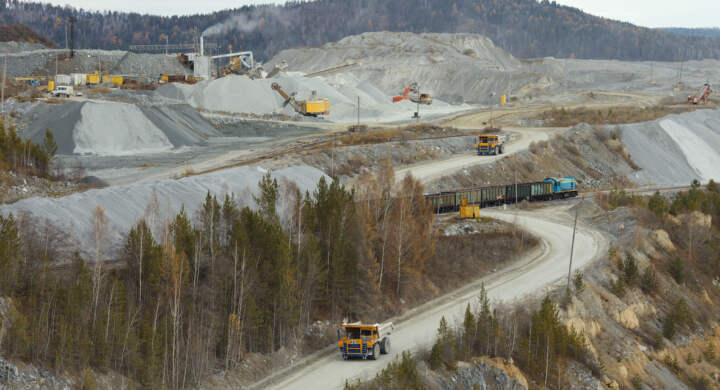 A Territorial Development Approach to Mining in Canada
 Andres Sanabria
Policy Analyst
OECD’s Centre for Entrepreneurship, SMEs, Regions and Cities
Andres Sanabria
Policy Analyst
OECD’s Centre for Entrepreneurship, SMEs, Regions and Cities
 Bridget Donovan
Policy Analyst
OECD’s Centre for Entrepreneurship, SMEs, Regions and Cities
Bridget Donovan
Policy Analyst
OECD’s Centre for Entrepreneurship, SMEs, Regions and Cities
 Tamara Krawchenko
Associate Professor
University of Victoria
Tamara Krawchenko
Associate Professor
University of Victoria
-
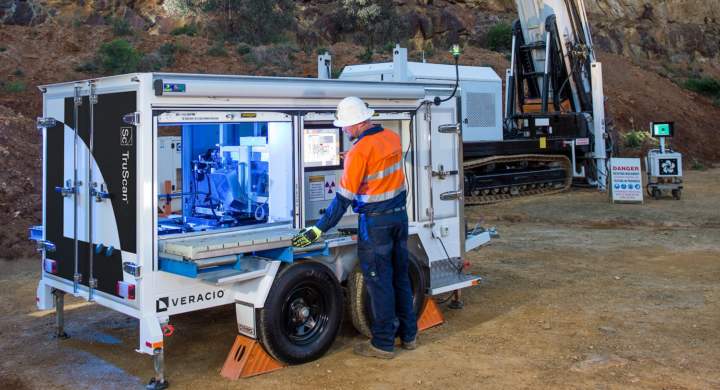 The Role of AI in Mining: Accelerating Critical Mineral Exploration for the Energy Transition
 JT Clark
Chief Executive Officer
Veracio
JT Clark
Chief Executive Officer
Veracio
-
 Spotlight on Investing in Yukon’s Mining Sector
 Scott Donaldson
Director & CEO
BMC Minerals
Scott Donaldson
Director & CEO
BMC Minerals
 Shelagh Rowles
Executive Director
Centre for Northern Innovation in Mining, Yukon University
Shelagh Rowles
Executive Director
Centre for Northern Innovation in Mining, Yukon University
 Isaac Fage
President and Co-Founder
GroundTruth Exploration
Isaac Fage
President and Co-Founder
GroundTruth Exploration
 Jani Djokic
CEO
Na-Cho Nyäk Dun Development Corporation
Jani Djokic
CEO
Na-Cho Nyäk Dun Development Corporation