
From Energy Transition to Energy Transformation
The future of energy is not a simple shift from fossil fuels to renewables. It is a transformation of the entire energy system, creating significant long-term investment opportunities.

For decades, the investment opportunity around energy has been framed through the lens of the energy transition, where fossil fuels would be exchanged for renewables and other clean technologies. It was a simple, transactional narrative that aligned with global climate ambitions and net-zero commitments.
But that story never truly reflected the reality of the global energy system.
The transition to more efficient, low-carbon energy use is not a transaction. It is not about simply trading one energy source for another. Rather, a more accurate characterization of the transition is as an expansive transformation of the global energy system that fundamentally recalibrates how the world produces, delivers, and consumes energy. It is a transformation dependent on a massive injection of capital, that involves building new, and refurbishing existing, infrastructure, and that requires a fundamental reconsideration of the systemic requirements of energy from all energy sources, including an extended life for fossil fuels.
Renewables Alone Cannot Currently Meet Energy Demand
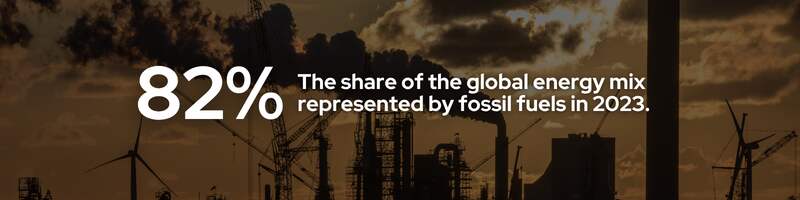
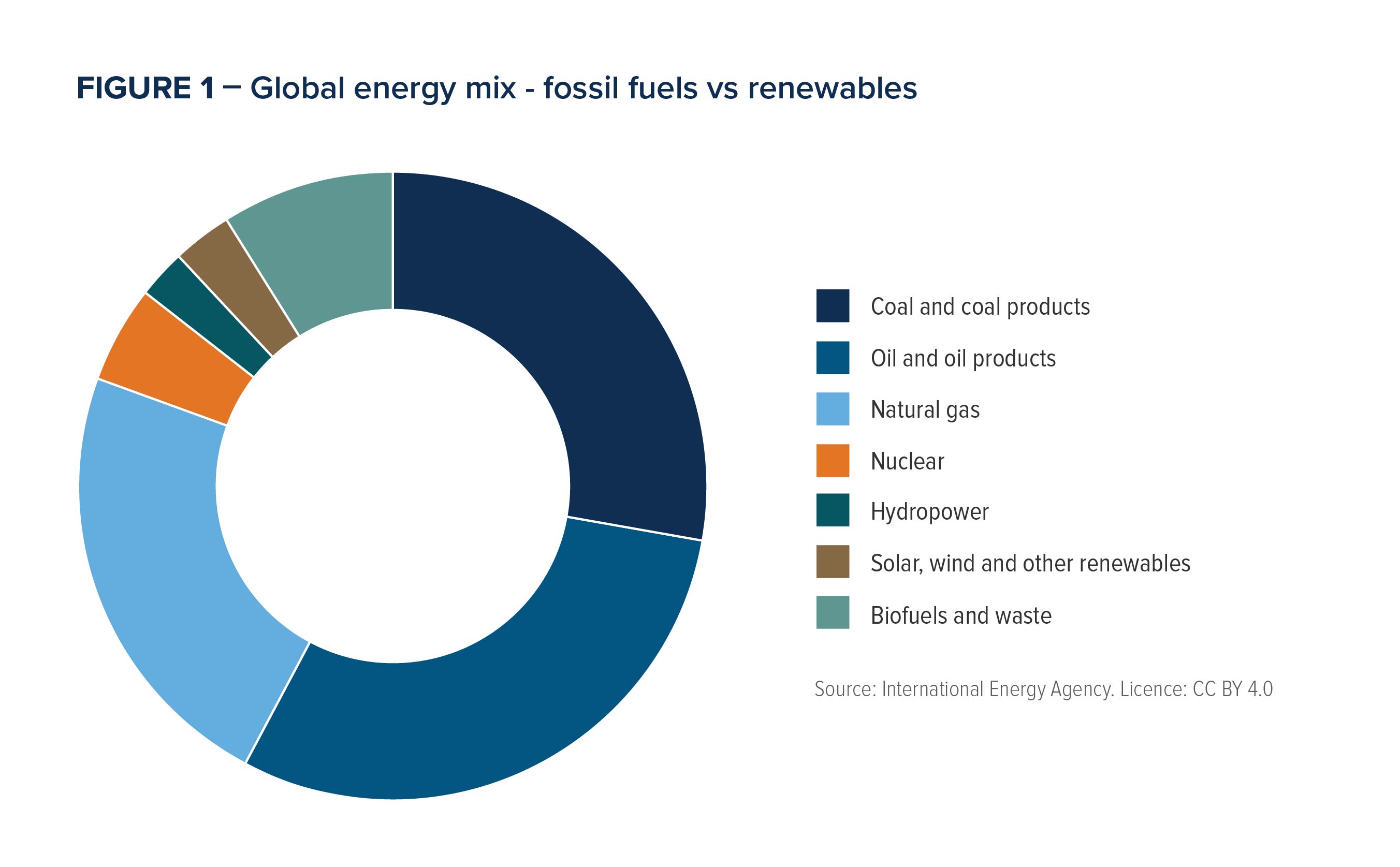
Building the optimal energy system for the future is critical because demand is rising rapidly, driven by the needs of artificial intelligence and data centres, industrial reshoring and especially population growth. Expecting renewables alone to meet this demand will not be enough. Far from it, in fact. Despite an estimated $15 trillion investment in clean energy and related technologies over the past two decades1, the global energy system remains overwhelmingly dependent on fossil fuels, which, despite the scale of investment in clean energy, still account for approximately 80% of total energy consumption.
The “Trilemma” Changes the Perspective on the Future of Energy
Though mitigating the negative effects of climate change was initially the core motivation for the energy transition, climate is no longer the sole driver of the world’s energy future. That singular perspective is insufficient to address future energy needs. If the goal is to create an energy system capable of meeting the long-term demand for energy, a broader perspective is necessary. It is much more relevant to view the future of energy as a “trilemma”, where the often-competing factors of sustainability, affordability and security are considered equally and concurrently.
“A complete departure from fossil fuels is currently unfeasible. A global population approaching 10 billion cannot be sustained without continuing to use traditional sources.”
Be assured, adopting the trilemma perspective still makes it very clear that unchecked growth of fossil fuel-based energy is no longer a viable, long-term strategy. But recent events, such as the closing of the Strait of Hormuz, underscore the growing importance of energy security and affordability in arriving at that conclusion. The trilemma also makes it clear that a complete departure from fossil fuels is currently unfeasible. A global population approaching 10 billion cannot be sustained without continuing to use traditional sources. Though the consumption of fossil fuels may not grow at the rate of the previous century, they’re not going away anytime soon. That, too, is a departure from the prevailing transition narrative.
To arrive at an optimal balance of trilemma considerations, capital allocators will need to become more selective within traditional energy sources, directing investment toward operators that can deliver fossil fuel-based energy at lower costs, with lower emissions and stronger governance, and, importantly, in alignment with the future energy system. Natural gas, for example, already plays a critical role as a lower-emission fuel, particularly in addressing the intermittency challenges that currently plague renewable power systems. Technologies such as carbon capture, utilization, and storage (CCUS) also have the potential to reduce emissions intensity in harder-to-abate sectors. This is the trilemma in action. It introduces a far more complex set of trade-offs that will shape capital allocation, asset pricing, and long-term return expectations across the energy system.
A Second Trilemma: Minerals and Materials
“Global copper production, currently around 25 million tonnes annually, may need to reach 50 million tonnes by 2050 to meet electrification targets.”
Less visible, but no less important to the world’s energy future, is the role of minerals and materials.
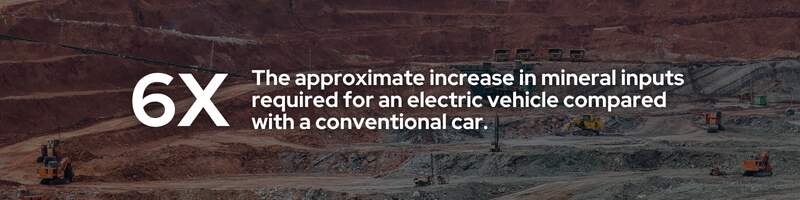
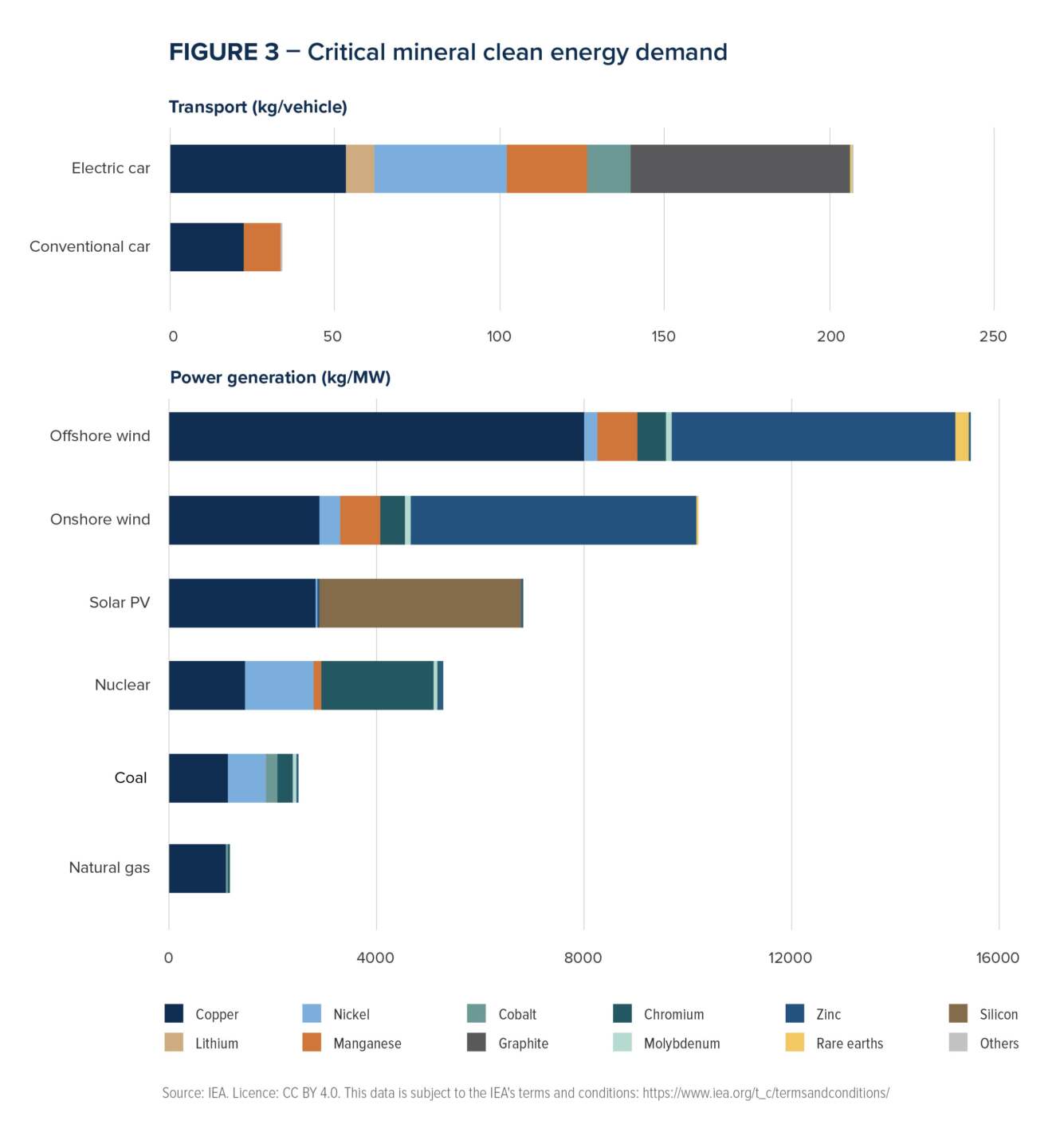
Transforming the global energy system is not only about generating more power; it is about building the physical systems that can enable that to happen. These physical systems are highly resource-intensive. For example, an electric vehicle requires approximately six times more mineral inputs than a conventional car. Wind and solar infrastructure also require significantly more materials than hydrocarbon-based energy systems1.
The new energy system the world needs will drive a massive surge in mineral demand and challenge the ability to supply and process essential minerals, such as copper. Global copper production, currently around 25 million tonnes annually, may need to reach 50 million tonnes by 2050 to meet electrification targets. Yet current projections indicate a potential 10 million tonne supply shortfall, or roughly 25% below expected demand.
These imbalances are not cyclical; they are structural. They reflect years of underinvestment, long project lead times, and increasing concentration in both production and refining. Addressing these vulnerabilities will require diversification of supply chains and increased investment in domestic and allied production, an adjustment that will reshape global trade flows and capital allocation over time. For these reasons, geopolitical dynamics are becoming increasingly influential, once again reinforcing the importance of energy security. At the same time, the capital intensity of updating the system and building new infrastructure introduces new affordability challenges.
How to Realize the Generational Investment Opportunity of Energy
“Success depends on understanding how to effectively allocate capital to optimize energy use – and energy sources – across the rapidly transforming global ecosystem.”
While complex, building a secure, affordable and sustainable (both economically and environmentally) energy future marks the beginning of a generational investment opportunity. With the future of energy no longer tied to a linear transition, we’re no longer asking investors to choose between old and new, clean and dirty, or fossil fuels and renewables. Success depends on understanding how to effectively allocate capital to optimize energy use – and energy sources – across the rapidly transforming global ecosystem.
The challenge then is not simply to attract capital so we can build more of everything. Capital remains finite. Rather, the challenge and the opportunity are to invest strategically and with discipline while navigating an increasingly complex system in a way that ensures global energy needs are effectively met.
References
- Greg Payne, Mackenzie Greenchip Team, Bloomberg interview, March 20, 2026
Disclaimer
Commissions, trailing commissions, management fees and expenses all may be associated with mutual fund investments. Please read the prospectus before investing. Mutual funds are not guaranteed, their values change frequently and past performance may not be repeated. The content of this document (including facts, views, opinions, recommendations, descriptions of or references to, products or securities) is not to be used or construed as investment advice, as an offer to sell or the solicitation of an offer to buy, or an endorsement, recommendation or sponsorship of any entity or security cited. Although we endeavour to ensure its accuracy and completeness, we assume no responsibility for any reliance upon it.
About the Expert
-
David Rutherford is AVP, Sustainability Research and Insights at Mackenzie Investments. David leads the delivery of sustainability insights to investment managers and the stewardship team, and supports the firm’s thought leadership on themes shaping advisors and investors. Before joining Mackenzie in 2025, David spent nearly a decade at NEI Investments and its parent company, Aviso, where he led NEI’s responsible investing team, oversaw a rebrand anchored in the firm’s responsible investing legacy, and helped develop Aviso’s enterprise-wide sustainability strategy. Earlier in his career, he held senior marketing and communications roles across Canadian and U.S. financial services firms, including a previous tenure at Mackenzie Investments.
Mackenzie Investments is a Canadian asset management firm providing investment solutions to retail and institutional clients. It offers a broad range of mutual funds and investment strategies, including sustainable and environmental investing.
See more
-
 Powering the Global Energy Future: Anticipating the Next Great Energy Transformation
 David Rutherford
AVP, Sustainability Research & Insights
Mackenzie Investments
David Rutherford
AVP, Sustainability Research & Insights
Mackenzie Investments
-
 The Culture and Politics of Building an Energy Superpower
 John Cook
Senior VP & Portfolio Manager
Mackenzie Investments
John Cook
Senior VP & Portfolio Manager
Mackenzie Investments
 Jackie Forrest
Executive Director
ARC Energy Research Institute
Jackie Forrest
Executive Director
ARC Energy Research Institute
 Dr. Bruce Lourie
President
Ivey Foundation
Dr. Bruce Lourie
President
Ivey Foundation
-
 Canada’s Energy Superpower Moment: What It Will Take to Build
 Christine Healy
President & CEO
Northland Power
John Cook
Senior VP & Portfolio Manager
Mackenzie Investments
Christine Healy
President & CEO
Northland Power
John Cook
Senior VP & Portfolio Manager
Mackenzie Investments