Budget 2025’s Major Projects: Canada’s Strategic Infrastructure Push
Budget 2025’s major projects priorities represent one of the most ambitious national investment agendas in modern Canadian economic policy. Designed to accelerate strategic infrastructure, unlock industrial capacity, and strengthen long-term competitiveness, the initiative signals a major shift toward purposeful, nation-building development. With global markets becoming more volatile and the clean-energy transition intensifying, Mark Carney’s major projects are intended to equip Canada with the energy, transportation, and resource infrastructure needed to thrive over the next several decades.
Rather than focusing on short-term stimulus, the program targets structural advantages — clean electricity corridors, low-carbon LNG, critical minerals, and northern infrastructure — that can reshape Canada’s economic landscape. In doing so, these major projects blend economic ambition with a future-oriented view of sovereignty, innovation, and global competitiveness.
Why Budget 2025’s Major Projects Matter for Canada’s Long-Term Strategy
The core philosophy behind accelerating these major projects is that Canada’s future prosperity depends on building the enabling systems that allow industries to grow. After years of stalled megaprojects, regulatory frustration, and insufficient long-term planning, Carney’s approach is meant to restore national confidence in building large, complicated, cross-jurisdictional projects.
The strategy emphasizes three long-term national priorities:
- Clean, reliable energy systems that support low-carbon industrial growth.
- Resource and supply-chain security, particularly for critical minerals and energy exports.
- Indigenous-led and northern development, ensuring growth is more equitable and regionally distributed.
The government’s commitment to these priorities is reflected in the creation of the Major Projects Office (MPO) and the “one project, one review” framework designed to speed up decision-making without weakening environmental or Indigenous-rights protections.
What Budget 2025’s Major Projects List Actually Includes
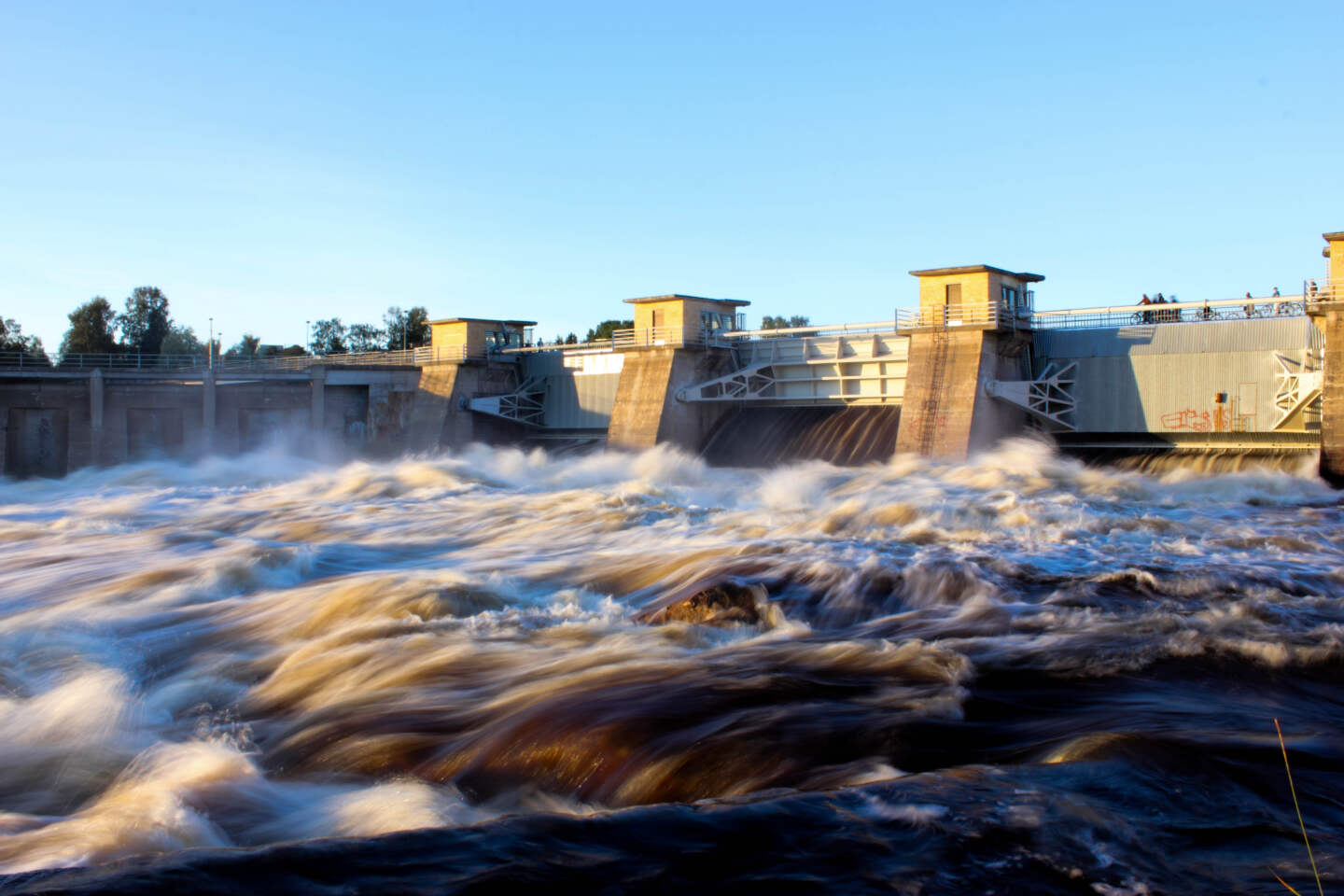
While “major projects” can sound abstract, the federal government has made concrete announcements across several sectors. Below are six key projects — a mix of clean energy, LNG, minerals, and northern infrastructure.
1. North Coast Transmission Line (B.C.)
A large clean-power corridor extending from Prince George to the northwest coast, enabling electrification of industry, mining, and LNG. This project is foundational to the government’s vision because it unlocks low-carbon industrial growth while reducing diesel reliance in remote communities.
2. Ksi Lisims LNG (Nisg̱a’a Nation, B.C.)
A proposed low-emission LNG export facility co-led by the Nisg̱a’a Nation. Its referral to the MPO signals federal commitment to Indigenous-led, globally competitive energy infrastructure.
3. LNG Canada Phase 2 (Kitimat, B.C.)
An expansion of the country’s largest LNG export project, positioned at the centre of Canada’s broader energy-export strategy. By supporting this expansion, the government ties LNG development to electrified, lower-emissions operations.
4. Crawford Nickel Project (Ontario)
One of the world’s largest planned nickel-sulphide operations, vital for EV batteries and clean-technology manufacturing. Nickel is essential for Canada’s ambitions in battery supply chains and electric-vehicle competitiveness.
5. Sisson Tungsten and Molybdenum Mine (New Brunswick)
A major critical-minerals project intended to diversify Canada’s supply of strategic metals used in aerospace, defence, and clean-tech applications.
6. Nukkiksautiit Hydro Project (Nunavut)
An Inuit-led hydro project in Iqaluit is designed to replace diesel power generation, improve energy security, and support northern climate resilience.
Together, these projects demonstrate that Budget 2025’s major projects are not a single sector initiative but a cross-country blueprint for modernizing the foundations of the Canadian economy.
How Budget 2025 Supports Clean Growth
One of the distinguishing features of Budget 2025’s major projects is the deliberate integration of clean-energy considerations. Every major project category — LNG, mining, electricity, northern infrastructure — is being reframed around lower-carbon performance.
Three clean-growth principles underpin the initiative:
1. Electrification First
From LNG plants to mining sites, major-project approvals increasingly depend on their ability to use clean electricity rather than fossil-fuel power.
2. Lowest-Carbon Competitive Advantage
The government’s view is that future exports will be judged on carbon intensity. Projects that adopt best-in-class emissions standards will attract more investment and global customers.
3. Indigenous Leadership and Ownership
Many of Budget 2025’s major projects incorporate Indigenous equity stakes, co-governance models, and revenue-sharing structures. This ensures the clean-growth economy is built in partnership with Indigenous governments, not merely adjacent to them.
These principles allow Budget 2025 to align with Canada’s climate responsibilities while strengthening industrial capacity.
Economic Impacts: Jobs, Investment, and Long-Term Industrial Capacity

Beyond their environmental design, Budget 2025’s major projects are intended to deliver broad economic benefits that extend far beyond construction cycles.
1. Job Creation
Tens of thousands of high-skilled jobs in engineering, construction, trades, logistics, and operations will be created across the country. Many of these jobs help sustain regions that have historically been underutilized or overdependent on boom-and-bust cycles.
2. Investment Attraction
Major-project certainty encourages global investors to commit capital to Canada — something the country has struggled to attract in recent years.
3. Industrial Ecosystem Growth
New clean-power corridors and LNG expansions create demand for equipment manufacturing, green-tech development, and improved transportation systems.
4. Strengthened Supply Chains
Critical minerals projects like Crawford and Sisson support Canada’s emergence as a secure supplier to global battery and advanced manufacturing sectors.
The Strategic Vision Behind Budget 2025’s Major Projects
Ultimately, Budget 2025 reflects a broader shift in economic strategy: moving Canada from reactive policymaking toward a long-term, nation-building mindset.
This strategy positions Canada to:
- Become a leader in low-carbon LNG exports
- Anchor North American battery and critical minerals supply chains
- Expand clean-power capacity in remote and northern regions
- Strengthen Indigenous economic sovereignty
- Build globally competitive industrial corridors
In a world where economic security and energy transition pressures are reshaping global markets, these projects help ensure Canada is not simply adapting to change but actively shaping it.
Budget 2025’s major projects priorities signal a reassertion of Canada’s capacity to build big, build clean, and build for the future. By targeting energy, critical minerals, clean power, and northern infrastructure, the initiative provides a strategic foundation for long-term prosperity and competitiveness. The true impact of these projects will unfold over decades — and if successfully executed, they could reshape Canada’s economic direction for generations.