Pipelines in Canada: Infrastructure That Will Shape the Next Era of Economic Growth
Pipelines in Canada continue to influence the country’s long-term economic direction at a time when global markets, climate goals, and technological innovation are all shifting rapidly. While public conversation often focuses on short-term controversy, the strategic value of pipelines extends far into the future. They are not just conduits for oil and gas, but foundations for investment, regional development, and the evolution of new energy sectors.
Understanding how pipelines fit into this future is essential for policymakers, businesses, and communities preparing for decades of transition.
The Recent Federal-Alberta MOU
The recent memorandum of understanding signed between the federal government and Alberta represents a notable shift toward cooperation after years of tension over energy and climate policy. The agreement outlines joint commitments to streamline regulatory processes, align certain climate measures, and establish a structured pathway for evaluating a new bitumen pipeline to the West Coast.
Economically, the MOU aims to restore investor confidence by offering clearer approval timelines and reducing jurisdictional conflict—two factors that have historically hindered large-scale energy projects. By pairing infrastructure development with commitments related to carbon pricing, methane reductions, and emissions management, the agreement attempts to balance market access goals with Canada’s broader climate objectives. Whether this framework holds politically remains uncertain, but the MOU marks a strategic recalibration of how governments approach pipelines in Canada.
Do Pipelines Still Matter During the Energy Transition?
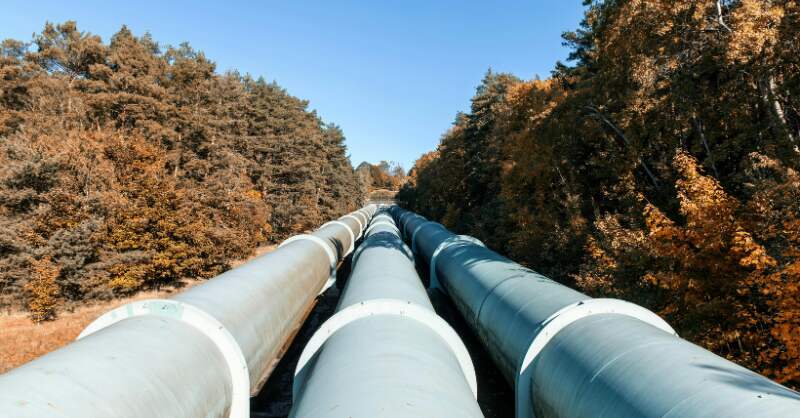
Even in a rapidly decarbonizing world, industry has argued that pipelines remain important to maintaining economic stability while new energy sources scale up. They say oil and gas consumption will decline gradually rather than abruptly, and reliable infrastructure is essential to bridge that period without major disruptions to jobs or government revenue.
Over the long term, the adaptability of pipelines may prove even more significant. Many analysts anticipate that existing routes could be repurposed for hydrogen, renewable natural gas, or carbon dioxide transport. Converting these systems would be far less costly than building new corridors from scratch. As Canada invests in clean-energy technologies, having flexible, pre-existing infrastructure strengthens the country’s ability to accelerate the transition efficiently and competitively.
Economic and Employment Opportunities Linked to Pipelines in Canada
Construction, engineering, environmental science, robotics, and data analytics all play growing roles in the lifecycle of pipelines in Canada. Thousands of workers may benefit directly from construction phases, while long-term operation and maintenance provide stable, high-wage employment across multiple provinces.
The economic ripple effects extend through manufacturing, technology development, and services. Canadian firms specializing in automation, inspection drones, advanced metals, and regulatory compliance form part of a supply chain that gains momentum from major pipeline projects. As Canada seeks to boost productivity and build globally relevant industrial clusters, the innovation stimulated by pipelines will remain economically important.
Global Market Trends Influencing the Strategic Importance of Pipelines
Geopolitical volatility has underscored the value of reliable and responsibly regulated energy suppliers. Pipelines in Canada help ensure a steady supply for global markets that prioritize stability and transparent governance. As Europe and parts of Asia seek to diversify energy sources, Canada has the opportunity to differentiate itself as a supplier with comparatively lower emissions intensity and stringent oversight.
The future competitiveness of Canadian energy depends not only on the resources themselves but also on the infrastructure that delivers them. Pipelines are central to this equation and will remain a determining factor in whether Canada fully captures emerging market opportunities.
Innovation is Redefining the Future of Pipelines in Canada
Technological innovation will shape the next century of pipeline development. Several trends are already transforming how infrastructure is designed and operated:
- AI-supported maintenance systems that identify risks before they escalate
- Digital twins that model pipeline behaviour under climate and environmental stress
- Advanced materials that reduce corrosion and extend operational lifespan
- Integration with carbon capture and storage networks to support emissions reduction
These innovations support both environmental performance and economic competitiveness. They also reinforce Canada’s growing expertise in cleantech and industrial automation—sectors expected to generate significant value in the future economy.
Challenges and Opposition to Pipelines
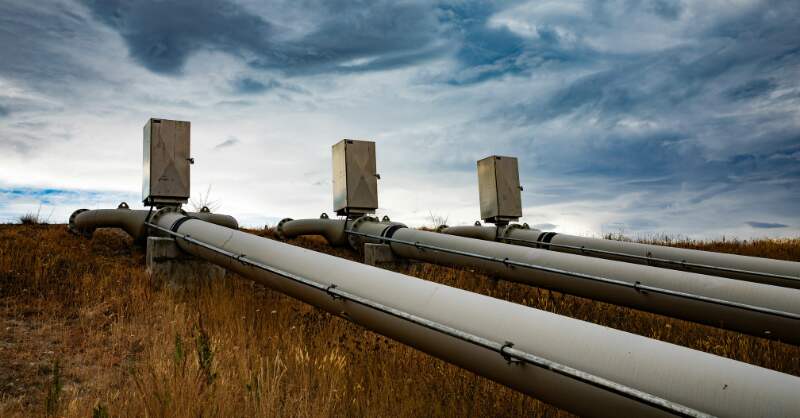
Despite the economic rationale, pipelines continue to face significant criticism rooted in environmental, social, and jurisdictional concerns. Opponents argue that expanding pipeline capacity locks Canada into long-term fossil fuel dependence at a moment when global markets and climate science point toward accelerated decarbonization. Additional concerns focus on ecological risks—from spills to impacts on sensitive marine and terrestrial ecosystems—particularly in regions where proposed routes would cross difficult terrain or culturally important lands.
A second source of opposition comes from governance and rights considerations. Some Indigenous nations strongly contest pipeline development, arguing that consultation processes often occur too late or lack real decision-making influence. Others worry that new pipelines exacerbate tensions between provincial and federal authority, or between resource development and national climate commitments. For these groups, the debate is not just about infrastructure, but about economic priorities, environmental responsibility, and the distribution of risks and benefits across communities.
A Strategic Outlook for the Role of Pipelines in Canada
Looking ahead, pipelines in Canada will remain essential, not because they represent the past, but because they can be adapted to support the economic system of the future. Their value will shift from maximizing fossil fuel throughput to enabling flexibility, resilience, and sustainable growth.
Canada’s challenge is to balance infrastructure planning with climate ambition—ensuring continued economic strength while building the foundations of a low-carbon economy. With the right policies, partnerships, and investments, pipelines in Canada can help the country navigate one of the most consequential transitions in its history.