Labour Strikes in Canada
Labour strikes in Canada have always been more than short-term disruptions; they are catalysts for long-term change in industries, labour relations, and the broader economy. As Canada transitions toward a digital, green, and globally competitive economy, the role of workers is evolving. These movements highlight deep structural issues while also shaping the trajectory of innovation, productivity, and fairness in the workplace.
Labour Strikes in Canada and Their Historical Significance
Labour strikes in Canada are not a new phenomenon. From the Winnipeg General Strike of 1919 to recent work stoppages in manufacturing, education, and public services, strikes have historically advanced workers’ rights while reshaping industrial relations. Each major strike has forced governments, employers, and unions to recalibrate the balance between productivity and equity. In the long run, these moments have led to minimum wage laws, workplace safety regulations, and broader social protections—cornerstones of Canada’s current economic framework.
Current Trends in Labour Strikes

Recent years have seen a resurgence in labour strikes in Canada, driven by inflationary pressures, technological disruption, and workforce shortages. Key sectors include:
- Public sector services: Teachers, healthcare workers, and civil servants are demanding fair compensation amid rising costs of living.
- Transportation and logistics: Port workers and airline staff are striking over automation, safety, and scheduling challenges.
- Manufacturing and energy: Workers are negotiating job security as industries transition to low-carbon models.
These disputes are not merely about wages—they reflect anxieties about automation, globalization, and the stability of middle-class employment. In this sense, labour strikes act as a barometer for the stresses of economic transformation.
Economic Implications of Labour Strikes
The economic costs of labour strikes in Canada can be immediate and visible: production slowdowns, service delays, and lost output. However, the long-term implications are more complex. Strikes can catalyze structural reforms that improve efficiency and fairness, such as:
- Wage and productivity realignment: Higher wages can pressure firms to adopt productivity-enhancing technologies, making industries more competitive.
- Strengthening of collective bargaining: Strikes reinforce the importance of negotiation as a stabilizing mechanism in labour markets.
- Innovation in workplace models: Disruptions often accelerate hybrid work, training programs, and new organizational structures.
From an industry perspective, however, these strikes present significant challenges. Prolonged work stoppages can undermine supply chain reliability, discourage foreign investment, and erode customer confidence in Canadian operations. Firms facing repeated labour unrest may redirect capital toward automation or relocate production to jurisdictions perceived as more stable. For industries operating on thin margins, even short disruptions can have cascading effects that weaken global competitiveness. Balancing the need for fair labour outcomes with the imperative of maintaining a predictable business environment will be critical for Canada’s industrial strategy.
Labour Strikes in Canada and the Future of Work
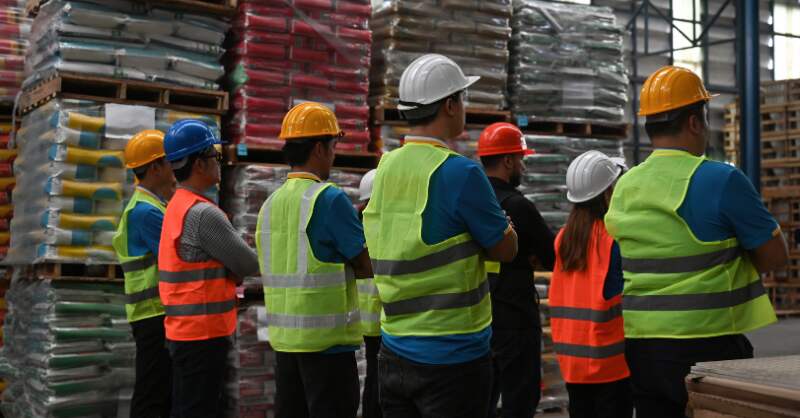
The future of work in Canada is being actively shaped by labour strikes. As artificial intelligence, green energy, and global supply chain realignments reshape industries, workers are demanding a voice in these transitions. Strikes are increasingly focused on:
- Job security in automation-heavy sectors
- Equitable transitions to green energy employment
- Fair pay structures in a gig and platform-driven economy
By forcing negotiations around these themes, labour strikes in Canada are ensuring that technological and environmental transitions do not come at the expense of workers’ livelihoods.
A Strategic Opportunity for Canada
Labour strikes are not simply interruptions to business as usual; they are inflection points that shape the future of the economy. By addressing the root causes of strikes—inequality, technological disruption, and structural economic change—Canada can strengthen its long-term competitiveness. In doing so, strikes may become less about conflict and more about collaboration in building an economy that is resilient, fair, and prepared for the challenges of the next century.