Electrification in Canada: Powering a Competitive and Sustainable Economy
Electrification has become a defining feature of the nation’s economic transformation. As global markets shift toward decarbonization, Canada’s ability to replace fossil fuels with clean electricity will determine its long-term competitiveness. The energy transition is no longer a matter of environmental stewardship alone—it is an industrial strategy, reshaping how Canadians produce, move, and power almost everything.
From vehicle manufacturing to heavy industry and digital infrastructure, electrification in Canada represents both a technological revolution and a strategic imperative. It promises lower emissions and greater energy security, but it also demands massive investment, new skills, and grid modernization at a scale unseen since the mid-20th century.
How Electrification in Canada is Redefining Economic Growth
Canada’s electricity system is already among the cleanest in the world—over 80% of power generation comes from non-emitting sources such as hydro, nuclear, and wind. This gives Canada a global advantage as companies seek to reduce their carbon footprints. Clean power is becoming a competitive asset, attracting investment in battery manufacturing, data centers, and advanced materials.
Electrification can serve as a powerful catalyst for economic diversification. Regions traditionally reliant on resource extraction are pivoting toward new industrial opportunities. In Northern Ontario, for example, nickel and lithium producers are aligning with electric vehicle (EV) supply chains. In Alberta and Saskatchewan, power companies are investing in renewables and carbon capture to balance emissions reduction with energy reliability.
The economic ripple effects are profound. Every dollar invested in clean energy infrastructure can generate long-term employment and innovation opportunities. According to the International Energy Agency, electrification and clean power could account for millions of new jobs globally by 2030—and Canada, with its resource base and technical expertise, is well positioned to capture a share of that growth.
Building the Infrastructure Backbone for Electrification in Canada
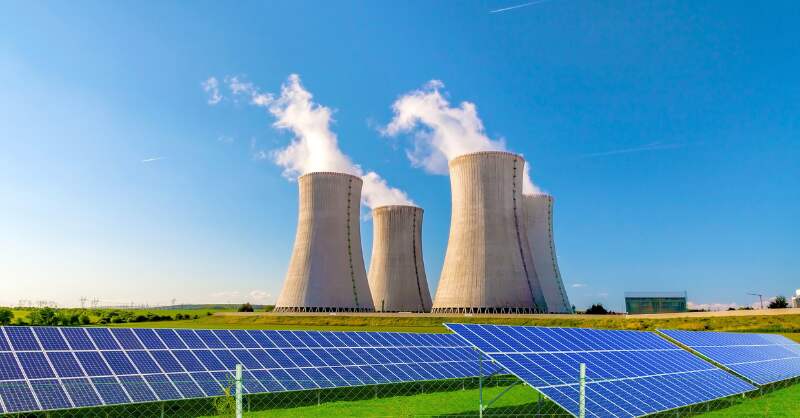
Infrastructure will be the foundation of success. Electrification in Canada requires an expansion of grid capacity, interprovincial connections, and transmission reliability. The Canadian Electricity Association estimates that investment needs may exceed $1.7 trillion by 2050 to modernize and expand the grid to meet growing demand from EVs, heat pumps, and industrial electrification.
This effort goes beyond adding wires. It involves digitalizing the grid to manage variable renewables, integrating distributed generation like rooftop solar, and implementing smart metering systems that empower consumers to manage energy use efficiently. Moreover, electrification in Canada must address regional disparities: provinces such as Quebec and British Columbia possess vast hydro capacity, while others depend more heavily on fossil fuels and imports.
Interprovincial cooperation will be key. A more connected national grid—often called the “clean electricity corridor”—could enable surplus hydroelectric power from Manitoba and Quebec to support provinces like Saskatchewan and Alberta during peak demand. This would strengthen national energy security and lower system-wide costs, turning electrification in Canada into a cohesive, nation-building project.
Industrial Electrification and Canada’s Global Competitiveness
Electrification in Canada is not only about cleaner homes and vehicles—it’s also about reimagining heavy industry. The mining, steel, cement, and chemical sectors account for a large share of emissions but are now testing electrified processes and hydrogen technologies to reduce their carbon intensity.
For instance, the steel industry in Ontario is shifting toward electric arc furnaces, supported by federal and provincial incentives. These projects reduce emissions by up to 90% compared with traditional blast furnaces. Similar transformations are emerging in aluminum smelting and fertilizer production, where clean electricity can drive innovation and attract global capital.
As the United States and European Union implement industrial policies favouring low-carbon production, Canada’s access to clean power offers a trade advantage. Products manufactured using low-emission electricity could enjoy preferential access to markets under carbon border adjustment mechanisms. In this way, electrification in Canada underpins both climate policy and export competitiveness.
Electrification in Canada and the Future of Work
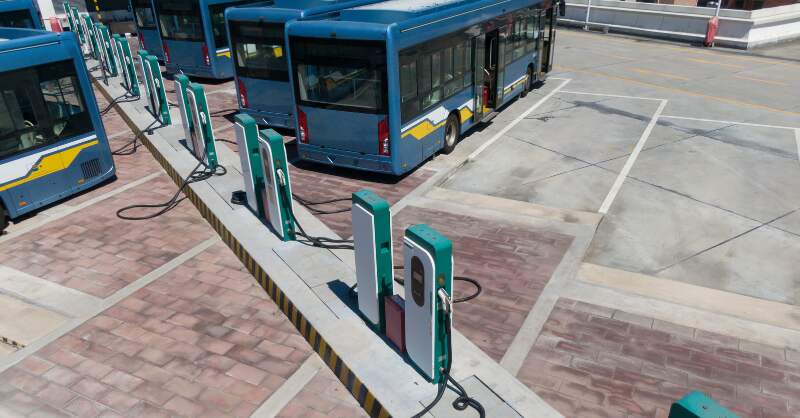
The transition toward electrification will reshape Canada’s labour market. Electric vehicle manufacturing, renewable energy deployment, and grid modernization demand a new generation of engineers, tradespeople, and data specialists. Universities and technical colleges are expanding programs focused on battery technology, power systems, and automation to meet this need.
Yet challenges remain. Ensuring equitable access to new job opportunities—particularly for workers in fossil fuel industries—will be essential for maintaining social stability and political consensus. Training, reskilling, and regional development programs must align with the pace of technological change to ensure that electrification in Canada drives inclusive prosperity.
Policy and Investment Priorities for the Next Decade
To succeed, Canada must treat electrification as a national strategic priority. Key policy levers include:
- Accelerating permitting and regulatory approvals for transmission and renewable projects.
- Expanding interprovincial grid connections to balance supply and demand efficiently.
- Encouraging private investment through predictable carbon pricing and tax incentives.
- Developing critical mineral supply chains for batteries and clean technology manufacturing.
- Investing in workforce development to build technical capacity nationwide.
Public-private partnerships will also be crucial. Governments can de-risk large-scale projects, while private capital brings innovation and operational expertise. As global capital increasingly seeks sustainable investments, electrification in Canada offers one of the most compelling opportunities of the 21st century.
Electrification as a Defining Canadian Advantage
Electrification in Canada is more than an environmental ambition—it’s a blueprint for future prosperity. By leveraging its clean power, natural resources, and skilled workforce, Canada can lead the next industrial revolution rooted in sustainability and technology.
If managed strategically, electrification will not only reduce emissions but also secure long-term competitiveness in a global economy that rewards clean, efficient, and resilient systems. The challenge now is to ensure that the transition happens quickly, equitably, and intelligently—so that electrification in Canada truly powers a stronger, more sustainable nation.