Critical Minerals in Canada: Building the Future Economy
Critical minerals in Canada are becoming a cornerstone of the country’s long-term economic strategy. With the global shift toward clean energy, electric vehicles (EVs), and advanced technologies, the demand for lithium, cobalt, nickel, and rare earth elements is skyrocketing. Canada’s vast reserves and stable political environment position it to become a global leader in the sustainable supply of these resources—if it can act quickly and strategically.
Why Critical Minerals in Canada Matter for the Future
Critical minerals are essential for manufacturing batteries, wind turbines, solar panels, and countless high-tech devices. As countries race to meet climate targets and secure their supply chains, the ability to produce these minerals domestically is becoming an economic and geopolitical necessity.
Canada’s geological endowment is world-class, with significant deposits spread across provinces and territories—from lithium in Quebec and Manitoba to rare earth elements in the Northwest Territories. The federal government’s Critical Minerals Strategy, launched in 2022, aims to accelerate exploration, extraction, and processing capacity while adhering to environmental and Indigenous consultation standards.
Innovation and Value-Added Opportunities
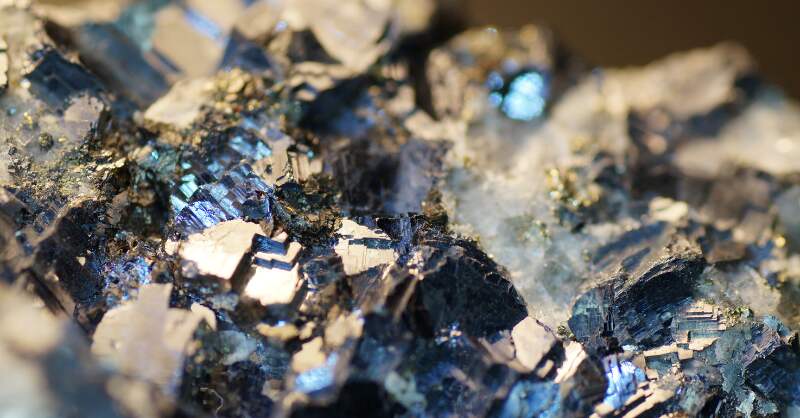
Simply extracting critical minerals in Canada is not enough to maximize their economic impact. The real opportunity lies in building value-added industries, such as domestic battery manufacturing, EV assembly, and advanced materials R&D. By investing in downstream processing, Canada can capture a larger share of the global clean-tech value chain instead of exporting raw materials.
This aligns with national goals to strengthen domestic supply chains and reduce reliance on foreign processing, currently dominated by China. Canada’s combination of critical minerals supply and renewable energy potential could make it a preferred partner for countries seeking ethically sourced, low-carbon components.
Job Creation and Regional Development
Developing critical minerals in Canada could create thousands of high-paying jobs in mining, processing, engineering, and logistics. Northern and rural communities—often rich in mineral deposits—stand to benefit the most, provided projects are managed sustainably and with meaningful local engagement.
Indigenous partnerships will be central to this process. Many deposits are located on or near Indigenous lands, offering opportunities for co-ownership, skills training, and shared economic benefits. Done right, critical minerals development could become a model for inclusive growth.
Critical Minerals and National Security
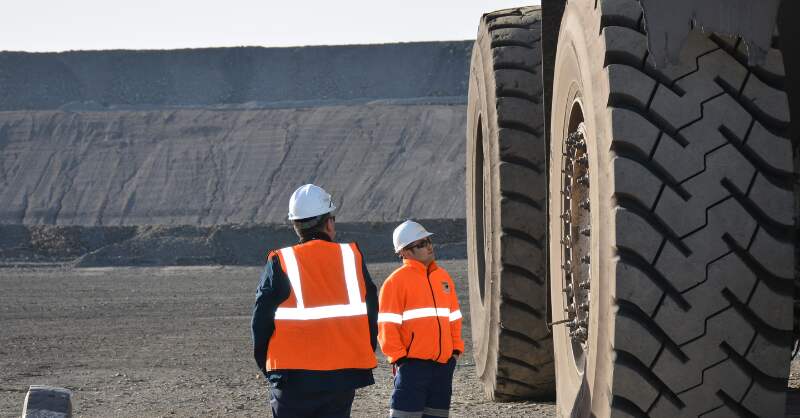
The race for critical minerals is not just about economics—it’s also about sovereignty. As demand grows, supply risks and geopolitical competition will intensify. Control over critical minerals in Canada ensures that the country is not vulnerable to external shocks or political leverage from resource-rich competitors.
In addition, critical minerals are vital for defence technologies, from aerospace to secure communications. A strong domestic supply safeguards both economic and strategic interests.
Trade and Global Competitiveness
The U.S., EU, and other allies are actively seeking secure and ethical sources of critical minerals. Canada’s close trade ties, environmental standards, and political stability give it a competitive advantage in meeting this demand. Bilateral agreements, such as the Canada–U.S. Joint Action Plan on Critical Minerals, open doors for integrated North American supply chains, particularly for EV and clean energy industries.
To maintain its edge, Canada must accelerate permitting processes, invest in refining capacity, and foster innovation in mineral recycling. The global market will not wait for slow movers.
Policy Priorities for the Next Decade
For Canada to fully seize this opportunity, policy must focus on:
- Streamlining project approvals without sacrificing environmental safeguards.
- Scaling up domestic processing to reduce dependency on foreign refineries.
- Investing in R&D for extraction efficiency and recycling technologies.
- Ensuring Indigenous equity participation in major projects.
- Building strategic reserves to manage supply risks.
If these steps are taken, critical minerals in Canada could fuel economic growth, support climate goals, and position the nation as a clean-tech superpower in the decades ahead.