Climate Resilience in Canada: Are We Ready for Extreme Weather Events?
Climate Resilience in Canada: Why it Matters Now
Climate resilience in Canada is no longer an abstract goal—it’s a policy imperative. As extreme weather events unfold with increasing frequency and severity, the need for long-term adaptation strategies is urgent. The decades ahead will define Canada’s ability to safeguard communities, economies, infrastructure, and ecosystems.
Climate Resilience in Canada and the Rising Toll of Extreme Weather
Canada has seen a string of extreme weather events recently:
- Extreme heat and summer heat domes: A heat dome this June brought triple‑digit temperatures to parts of Canada, reflecting a trend of earlier and more intense summer heat. Heat waves now begin weeks earlier and last longer, exposing vulnerable communities and stressing energy grids.
- Wildfire surges: As of June 2025, over 3.9 million hectares have burned across Canada, uprooting tens of thousands and prompting states of emergency in provinces such as Manitoba and Saskatchewan. Smoke travels across borders, affecting air quality far from the fire zones.
- Record-setting wildfires in 2024 and 2025: The 2024 Jasper wildfire—the largest blaze in Jasper, Alberta—forced a 25,000-person evacuation, razed 358 structures, and incurred CA$880 million in insured losses. Insurers paid out a record CA$8.5 billion for weather-related claims that year.
- Floods and storms: In October 2024, an atmospheric river triggered floods, landslides, and fatalities in BC, costing over CA$110 million and disrupting infrastructure. Meanwhile, Canada is seeing more frequent hailstorms, damaging winds, and flash floods.
- Business and societal impacts: One in four Canadians reported being affected by extreme weather in the past year. In 2024 alone, insured losses from severe weather blew past CA$9 billion, straining domestic insurers and highlighting economic vulnerability.
Moving From Crisis to Strategy
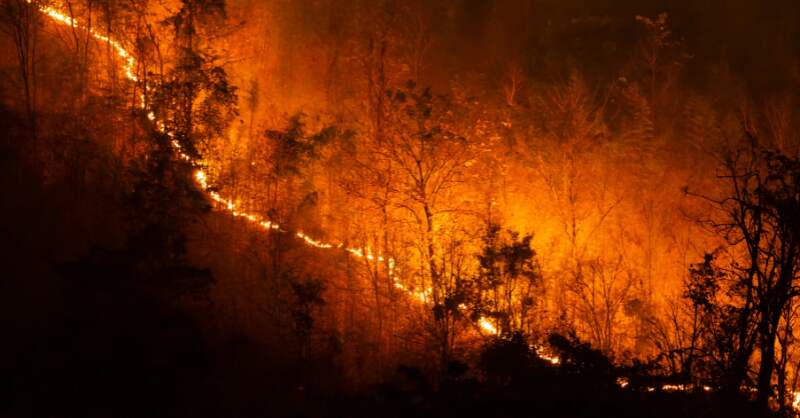
Addressing this surge in disasters requires a multi-pronged resilience strategy that aligns with Canada’s broader economic and societal goals.
Nature-based solutions and urban cooling
To combat rising heat, cities are ramping up tree planting, green roofs, and reflective infrastructure, boosting climate resilience in Canada’s urban centers by reducing temperatures and improving livability.
Infrastructure upgrades
Federal investments in stormwater systems, flood barriers, and energy grids are underway. A March 2025 initiative from Natural Resources Canada allocated funding for flood and permafrost adaptation in northern communities.
Wildfire preparedness
Provinces are conducting prescribed burns (e.g., Edmonton’s first city-led burn in March 2025) and enhancing firefighting assets across jurisdictions. Calls for national air tanker fleets and coordinated wildfire response are gaining traction following the catastrophic 2023–25 fire seasons. Experts have also suggested that mortgage providers take a more active role in preparing clients for wildfire and flood prevention.
Early warning and community readiness
Strengthening the Canadian Interagency Forest Fire Centre, alongside improved heat and air quality alert systems, delivers critical lead time for at-risk residents.
Indigenous and local engagement
Resilience depends on working with First Nations and local communities, not only in emergency response but in co-developing fire management strategies and cultural land stewardship.
Private sector readiness
With estimates suggesting climate events could cost Canada CA$25 billion in lost GDP growth (2025), businesses are stepping up resilience investments in energy backup systems, supply chain safeguards, and corporate continuity plans.
Climate Resilience in Canada as a Lever for Future Economic Prosperity
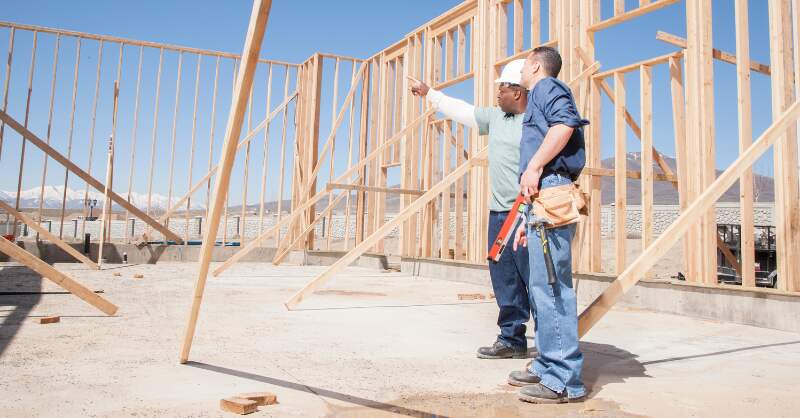
Investing in resilience is not just risk management—it’s a pathway to economic opportunity:
- Job creation: Projects to upgrade green infrastructure, retrofit buildings, and enhance emergency services support skilled labour and innovation-led employment.
- Competitiveness: Firms and communities that build resilience signal stability and sustainability, which strengthens trade, investment, and talent attraction.
- Sovereignty and regional equity: Strengthening northern and remote communities increases nationwide resilience and supports equitable development.
- Global leadership: By showcasing effective climate resilience models—from wildfire mitigation to urban heat adaptation—Canada enhances its standing in global climate diplomacy and markets.
Charting the Next Steps
To build a truly resilient Canada, policies and actions must scale up rapidly:
- Long-term funding mechanisms: Sustainable, multi-year financing for adaptation must be embedded in federal and provincial budgets.
- Resilience standards: Building codes and infrastructure planning must be updated nationwide to account for future climate extremes.
- Data-driven adaptation: Improved climate modelling and risk mapping—especially for wildfire and flood—should guide policy and investment.
- Cross-sector collaboration: Governments, Indigenous partners, insurers, businesses, and civil society must coordinate across silos.
- Global carbon cuts: Reducing greenhouse gas emissions remains essential—mitigation and adaptation must proceed in tandem.
The Future of Climate Resilience in Canada
Canada’s record-breaking extreme weather of recent years has exposed vulnerabilities—but also catalyzed a national shift toward climate resilience. Embracing innovation, equitable investment, and proactive planning can transform Canada into a model of adaptive strength—protecting communities, fueling economic growth, and inspiring global climate leadership. The resilience we build today will define Canada’s future prosperity.