
Teaching Young People Healthy Relationship Skills Enables Business Success

Effective collaboration. Intervention in moments of bullying and bias. Questioning internalized stereotypes. Maintaining personal boundaries. Seeking consent. Being curious about and acting on other people’s needs and wants. Civic and community engagement. Knowing and caring for yourself and others.
Strong, healthy relationship education offers baseline skills and practice opportunities for all the above and more.
Healthy relationship skills include respectful communication, active listening, reflexive thinking, emotional intelligence, and digital and media literacy. They’re core to human development, especially in the teenage years as young people grapple through the transition between childhood and early adulthood. They’re an asset in all sorts of relationships, from romantic partnerships to friendships to colleagueship and familyhood.
They’re critical abuse prevention tools. They guard against isolation and enable us to participate in nurturing interpersonal and community life.
When you have the tools for creating and keeping healthy relationships, you have the building blocks for health, safety, and resilience. You have more of what you need to take care of yourself and others. You have the ingredients for a better quality of life.
Key Skills for Youth
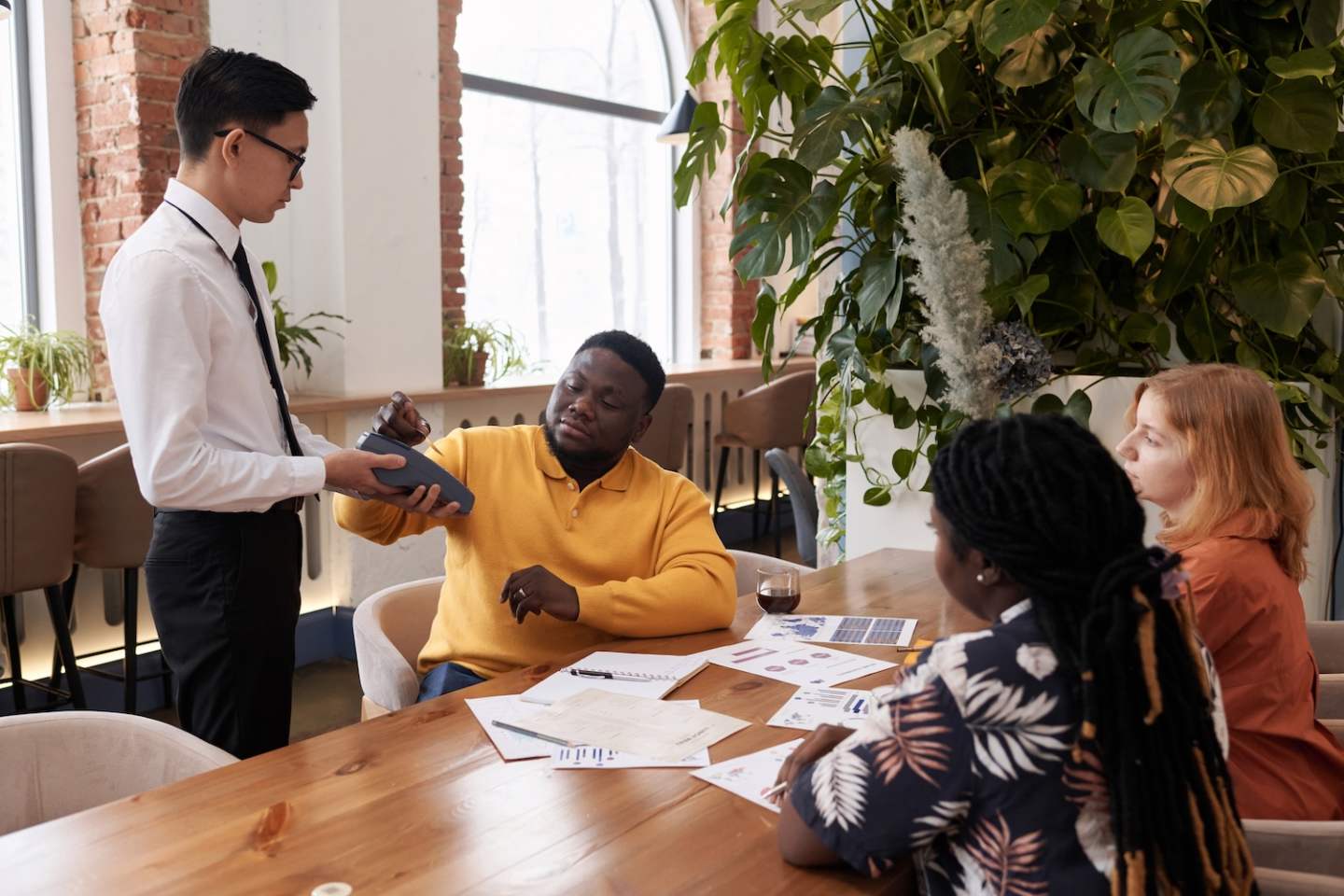
At a time when intimate partner and gender-based violence, as well as loneliness, have reached epidemic proportions, healthy relationship skills can save lives.
In Canada, the teaching of these skills has been inconsistent. Curricula related to healthy relationships and the execution of healthy relationship learning goals have varied widely across schools and school boards.
“At a time when intimate partner and gender-based violence, as well as loneliness, have reached epidemic proportions, healthy relationship skills can save lives.”
The best healthy relationship education happens in synergistic partnerships between communities, families, and schools. This is one of the reasons the Canadian Women’s Foundation funds community-based teen healthy relationship programs in every region of the country. We want to fill the gaps so more young people have the opportunity to build these skills in environments that centre their unique learning needs and diversities.
Young people need healthy relationship skills to live better lives. They also need them to successfully participate in and contribute to a thriving, sustainable economy.
“Excellent communication, negotiation, and conflict resolution are among the top business leadership skills, which are also healthy relationship skills.”
Healthy relationship skills are an underappreciated driver of healthy businesses and economies.
Excellent communication, negotiation, and conflict resolution are among the top business leadership skills, which are also healthy relationship skills. Without them, you can’t be an effective, self-reflective leader with the capacity to inspire high-achieving teams.
There’s also strategic thinking and planning, problem-solving, and monitoring results. You can’t improve business results without the healthy relationship skills that enable you to ask great questions of the diverse partners involved in your business, listen carefully to their ideas, and act responsibly on what you learn.
We also need skills around results-driven marketing, developing a business identity, and deep understanding of customers and clients. It’s impossible to do any of these things without healthy relationship skills that enable you to appreciate differences, attend to constructive feedback, and reflect on the diverse perspectives of others.
Any way you slice it, healthy relationship skills make for good business. They’re not the only skills that enable business success, but business success doesn’t happen without them.
Why Don’t We Always Recognize the Importance of Healthy Relationship Skills?
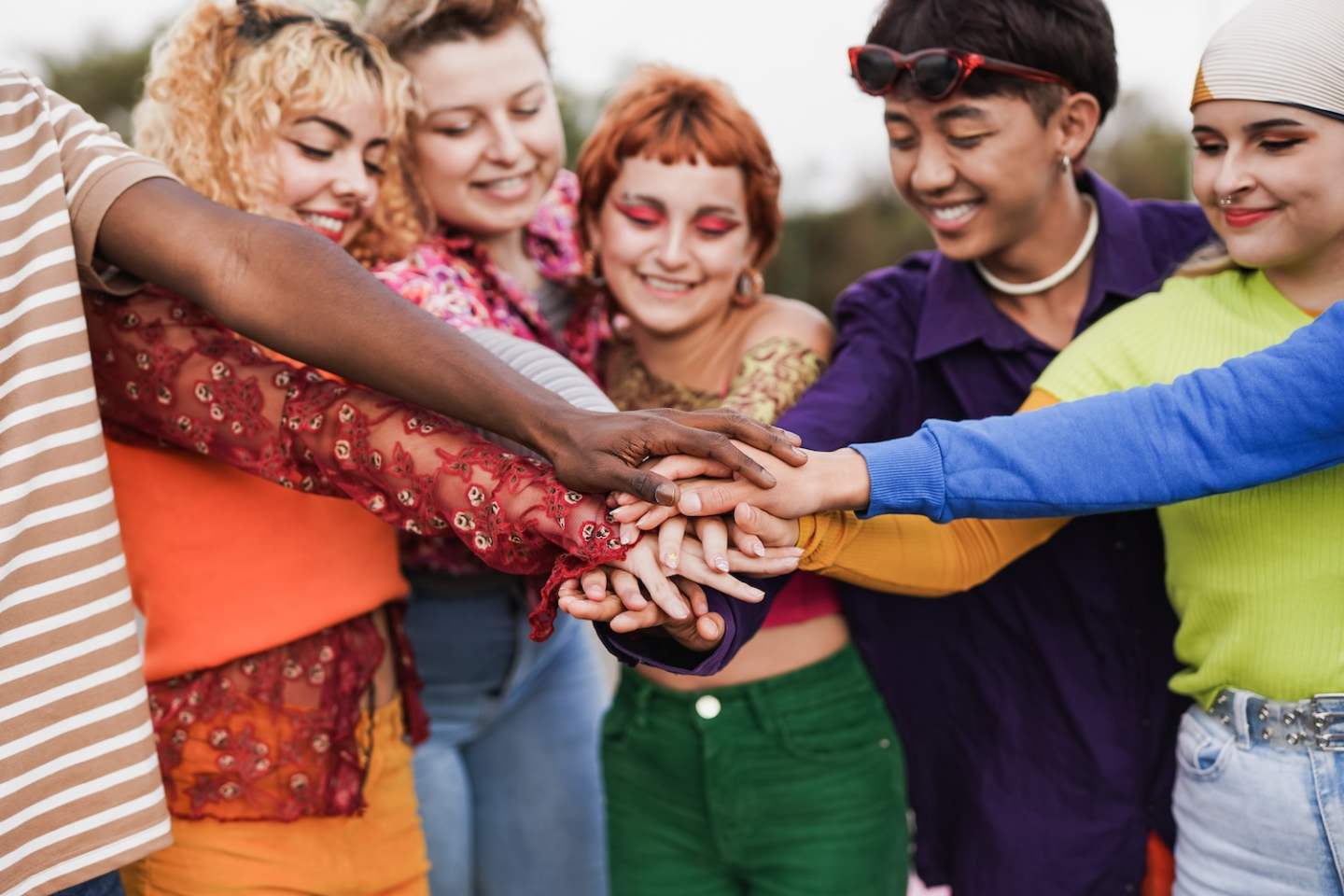
Perhaps we fall into old habits of artificially cordoning off “business behaviour” from “personal behaviour,” public life from private life, and hard skills from soft skills.
We may carry skewed notions of supposedly strong business competencies: directing, ordering, controlling, top-down management, power holding, and power plays.
Feminist thought-leaders have long questioned these approaches, as they conform to toxic, limiting gender stereotypes and reproduce harmful patriarchal and colonial patterns.
Nowadays, old ways of thinking and talking about business acumen are being challenged. So too is the idea that anyone should be cut out of civic participation and the economy due to their gender, race, sexuality, ability, and other identity factors.
But that doesn’t mean old ideas aren’t emotionally active in our minds and culturally and systemically influential. It doesn’t mean we’ve escaped the traps of placing business and personal relationships on opposite ends of the spectrum, behaving as if the two have nothing to do with each other.
How do we escape the trap? We start with what we teach young people.
“Healthy relationship skill-building must be embedded in our business schools, breaking down the artificial and hindering boundaries between so-called hard and soft skills.“
We must make moves to understand the power of healthy relationship skills as a core element of human development. We should prioritize and invest in this education in elementary and secondary school, as well as in the community spaces young people frequent.
Healthy relationship skill-building must be embedded in our business schools, breaking down the artificial and hindering boundaries between so-called hard and soft skills. Think about the future of the sustainable economy we need to build, where business profits all of life for everyone and the environment in which we live, not the other way around.
We shouldn’t stop with students. We should move into the workplace itself, investing in training, mentorship, employee programming, and policies and practice improvements to enable and incentivize healthy relationship skill-building in our intergenerational teams. This will promote employee career progression and stronger business outcomes.
When it comes to healthy relationship skills, we know we need to start young. We also know it is never too late to learn.
-
 Canada’s Future Lies With Our Youth: Ensuring Access to Post-Secondary Education
 Nimmi Kanji
Executive Director
TELUS Friendly Future Foundation
Nimmi Kanji
Executive Director
TELUS Friendly Future Foundation
-
 The Cost of Neglecting Investment in Youth Skills
 Hugh Maynard
Interim CEO
4-H Canada
Hugh Maynard
Interim CEO
4-H Canada
-
 Rethinking Lifelong Learning: Reskilling is Actually About Unlearning
 Melissa Sariffodeen
Co-Founder & CEO
Canada Learning Code
Melissa Sariffodeen
Co-Founder & CEO
Canada Learning Code