
Rethinking Lifelong Learning: Reskilling is Actually About Unlearning

Canada is facing a critical challenge. Our digital businesses consistently highlight a significant barrier to their growth: the need for more skilled digital talent. This gap is not just a minor inconvenience—it’s an issue that threatens our economic future. With over 42% of Canadian jobs projected to be impacted by automation by 2036, the need for a strategic approach to skills development cannot be overstated.
“Compared to our global peers, Canada’s economic output per input is shrinking. This is mainly due to our slow adoption rate of productivity-boosting innovations such as software, robotics, artificial intelligence, and advanced manufacturing technologies.”
Despite the demand for specialized technology skills, our current educational and training systems need to meet the needs of our economy. Adding to this challenge is Canada’s persistent productivity problem. Compared to our global peers, Canada’s economic output per input is shrinking. This is mainly due to our slow adoption rate of productivity-boosting innovations such as software, robotics, artificial intelligence, and advanced manufacturing technologies.
The challenges ahead of us are complex. There is a clear need for a workforce equipped with advanced technological skills. This includes new graduates and the current workforce, who must be reskilled and upskilled to adapt to the changing job landscape. And so, how do we grow and foster this workforce?
Lifelong Learning is Not Enough

Almost every roundtable or conversation about the future of work inevitably comes to a similar conclusion: lifelong learning. We are fixated on becoming learning organizations and encouraging individuals to adopt a growth “always be learning” mindset to acquire skills and adopt new technologies. Yet, even the most well-intentioned organizations struggle to make real progress. To answer this, we look at what might be holding us back.
As Einstein said, “We cannot solve our problems with the same thinking we used when we created them.”
“We must focus less on lifelong learning and more on something else: we need to unlearn.”
After more than a decade of teaching people technical skills at Canada Learning Code, I have realized that to win in the future of skills development, we must focus less on lifelong learning and more on something else: we need to unlearn. We need to unlearn some of the ways we have approached skilling efforts in the past to adopt new approaches that address the rapidly changing needs of the future.
We need individuals, organizations, and governments willing to think and act differently regarding upskilling.
Make Upskilling Everyone’s Priority
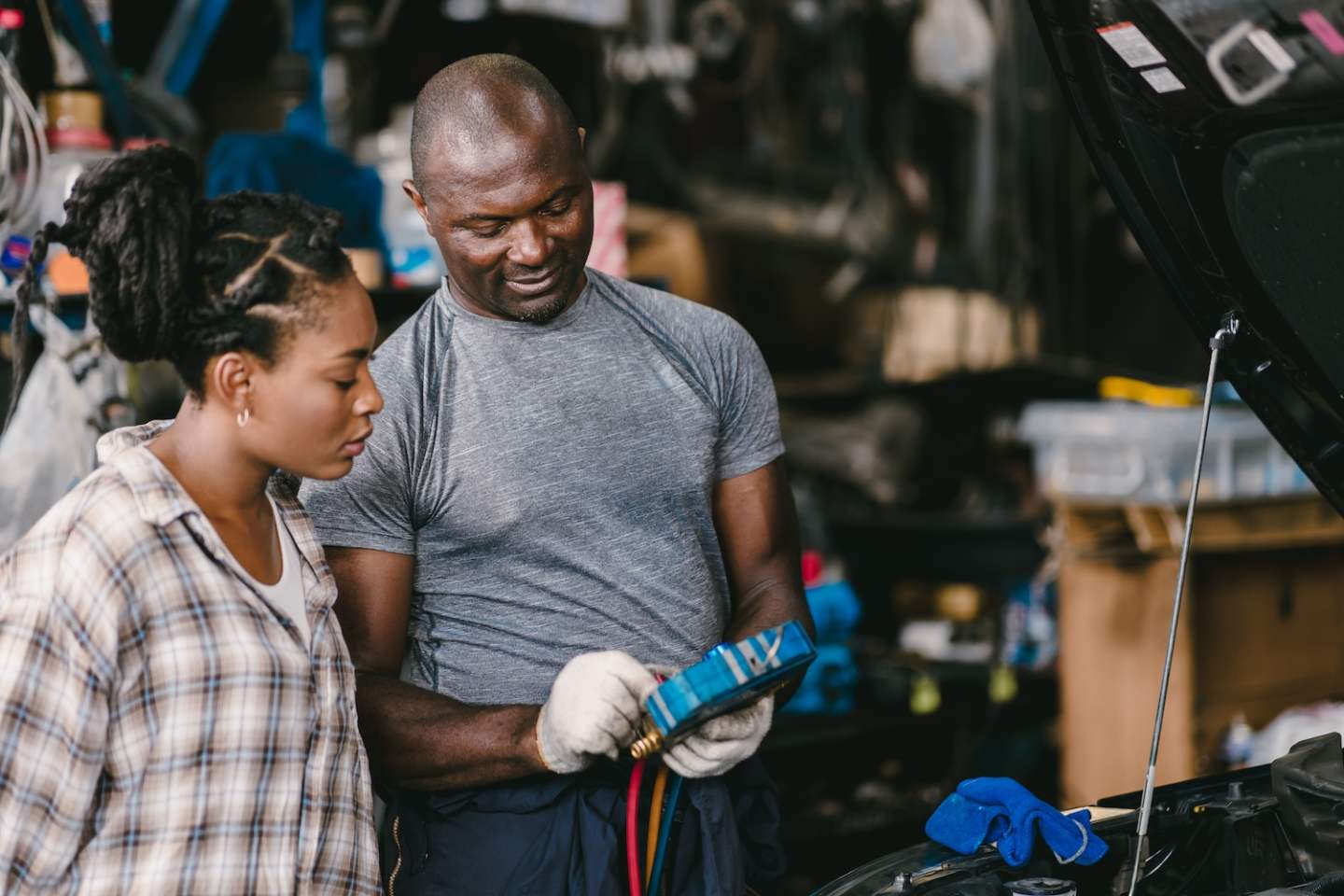
Most fundamentally, the concept of lifelong learning places undue emphasis on individual responsibility. For many reasons, relying on individuals solely to carry the torch for learning is not the way forward. Firstly, Canadian firms lag behind their international peers in upskilling investment, negatively impacting the availability of training in the first place. Broadly, when training is accessible, only a small fraction of workers participate in standard training programs and those who do frequently need it the least. This points to a gap in the availability and accessibility of these programs.
“Delegating responsibility for learning to workers themselves neglects the systemic barriers many, particularly women, face in training and pursuing STEM fields.”
Secondly, delegating responsibility for learning to workers themselves neglects the systemic barriers many, particularly women, face in training and pursuing STEM fields. Many women are also primary caregivers and carry additional responsibilities that impact the time available for learning. This dual burden can negatively limit their ability to engage in continuous learning and professional development. Moreover, the lack of support structures, such as affordable childcare and flexible learning schedules, further exacerbates this issue.
“Organizations must define what upskilling requirements are required, paint a clear roadmap of employee expectations, and provide reasonable support to help them achieve them.”
Upskilling must be a shared responsibility of both employers and employees. Organizations must define what upskilling requirements are required, paint a clear roadmap of employee expectations, and provide reasonable support to help them achieve them. Instead of providing employees with a blank slate of opportunities they need to make sense of, organizations would be better served if they provided clear direction about what upskilling needs are required by their employer to ensure they remain current, productive and set up for success. Further, policies that grant employees dedicated paid time for learning and development activities are essential. This ensures that employees have the time to focus on upskilling without the pressure of their regular work responsibilities. Additionally, organizations should embed upskilling goals into performance reviews and career development plans. This encourages employees to seek learning opportunities continuously and aligns their personal growth with organizational goals.
Redefine Learning Success Metrics
We must rethink our ingrained assumptions about what “success” means in the context of learning and skilling. The traditional metrics organizations measure for the delivery of training content include courses delivered, learning hours per employee, and learner satisfaction. These are no longer sufficient. Instead, we should optimize our efforts to measure outcomes that enable employees to increase performance and effectiveness. These include real-time data on sales, operational performance, customer satisfaction, etc.
“Skilling programs should focus on practical, hands-on learning experiences directly tied to organizational and industry requirements.”
A shift towards outcome-based skills training programs is also needed to support this. Skilling programs should focus on practical, hands-on learning experiences directly tied to organizational and industry requirements. Teaching broad concepts and theory and expecting actionable learning is unrealistic. We can better bridge the skills gaps by aligning learning outcomes with industry and organizational needs coupled with real work experience.
Put the Learner at the Center
Organizations and governments must place the learner at the center of their skilling strategies. Many reskilling programs have been associated with job loss, or at least significant job changes that make reskilling challenging to discuss openly and proactively in the workplace. Yet, a large percentage of employees recognize the need and are willing to upskill. Skilling efforts should engage those most impacted in both their design and implementation.
“To ensure accessibility, government and educational institutions can collaborate to provide low-cost or no-cost technology training programs, particularly for equity-deserving groups.”
Training opportunities must also be accessible to all people in Canada, regardless of geographic location, socioeconomic status, or background, and intentionally designed to support equity-deserving groups such as women. To ensure accessibility, government and educational institutions can collaborate to provide low-cost or no-cost technology training programs, particularly for equity-deserving groups. Considerations should be made for additional wrap-around support (i.e. mentorship and career coaching) needed to help equity-deserving groups navigate their educational and career paths.
Don’t Go at it Alone
So many organizations set up internal skilling programs and pathways for their employees. Reskilling for the future is not a task to be undertaken in isolation; it requires a collaborative ecosystem where multiple actors play critical roles, especially when supporting equity-deserving groups.
Instead of building an organization’s skilling infrastructure from scratch, companies can accelerate their progress by leveraging partnerships to “buy,” “rent,” or “partner” to help build out their own skilling programs more efficiently and holistically. This includes meaningful and trusted partnerships with other organizations and non-profits that can support various parts of an employee’s learning journey. This is particularly important for including women and equity-deserving groups who often face additional barriers and would benefit from multiple on-ramps to upskilling opportunities across their entire workforce journey.
“To truly address the rapidly changing needs of the future, we must focus on unlearning outdated methods and adopting new, collaborative approaches to upskilling.”
Lifelong learning is often positioned as the solution to the future of work. Still, this approach places too much emphasis on individual responsibility and neglects systemic barriers, especially those faced by women and equity-deserving groups. To truly address the rapidly changing needs of the future, we must focus on unlearning outdated methods and adopting new, collaborative approaches to upskilling. This requires organizations and governments to prioritize upskilling, redefine success metrics to focus on practical outcomes and place the learner at the center of their strategies. By leveraging partnerships and providing clear, directed support, we can ensure that all individuals have access to the training they need to succeed.
The pace of change will only accelerate, and Canada’s skilled workforce needs will continue to evolve. The future will not just happen to us; we actively shape it with our choices and actions. The true question is, are we ready to rethink our existing approaches and pave the way for change?
Together, we can ensure that Canada not only meets the challenges of a future-ready workforce but leads it.
-
 Canada’s Future Lies With Our Youth: Ensuring Access to Post-Secondary Education
 Nimmi Kanji
Executive Director
TELUS Friendly Future Foundation
Nimmi Kanji
Executive Director
TELUS Friendly Future Foundation
-
 Teaching Young People Healthy Relationship Skills Enables Business Success
 Mitzie Hunter
President and CEO
Canadian Women’s Foundation
Mitzie Hunter
President and CEO
Canadian Women’s Foundation
-
 The Cost of Neglecting Investment in Youth Skills
 Hugh Maynard
Interim CEO
4-H Canada
Hugh Maynard
Interim CEO
4-H Canada