
Climate-Aligned Finance Will Future-Proof Canada’s Economy

In the wake of the COVID-19 pandemic and a summer of devastating extreme weather events, humanity stands at a critical crossroads, confronting the grim reality of a broken system that threatens both our well-being and the health of our planet. These crises expose the deep-rooted fractures in our relationship with nature and present us with an opportunity to pause, reflect, and envision a sustainable future. We have a choice: To be either visionary leaders ushering profound transformations, or indifferent individuals beholden to a destructive system. Our decisions today will define how future generations will remember us.
The World at a Crisis Point
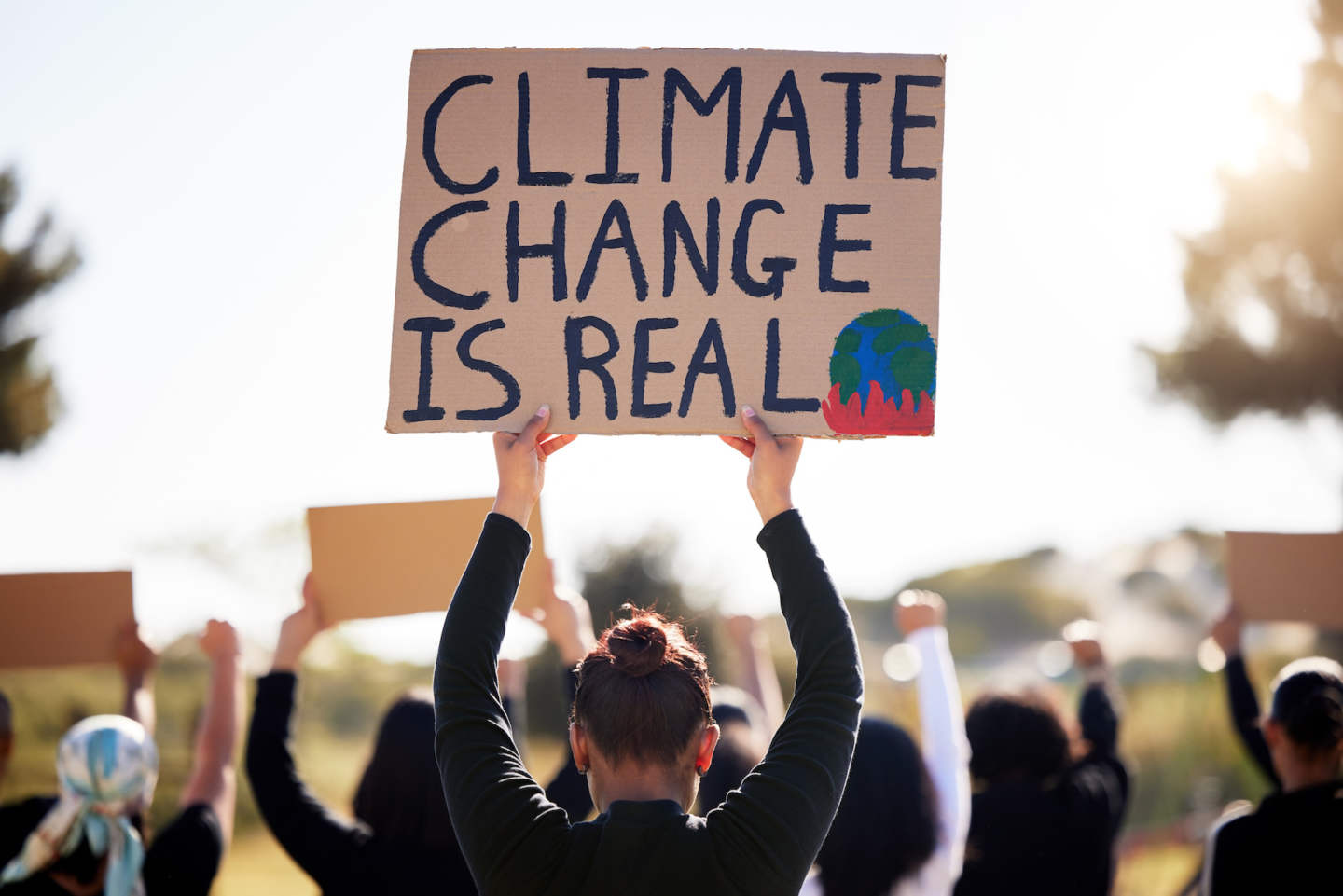
As scientists have warned, we have exceeded the limits of six out of the nine planetary boundaries essential for human and ecosystem viability. The epoch we currently inhabit, the Anthropocene, is marked by severe crises such as planetary warming, biodiversity loss, mass extinctions, and ocean acidification. These highlight that our very survival is intrinsically tied to the health of our environment, and the time for bold action is now.
“The epoch we currently inhabit, the Anthropocene, is marked by severe crises such as planetary warming, biodiversity loss, mass extinctions, and ocean acidification.”
This is a pivotal moment; we must not squander the profound lessons learned during the pandemic. We must “build forward better” to avert future crises as I advocated in a white paper outlining a suite of feasible legislative actions proposed by scientists and policymakers worldwide, describing a new economy that puts humans and ecosystems before economic monetary benefits. Our collective vision should prioritize the well-being of all, rooted in solidarity and a transformed ethical approach.
The World Economic Forum called for a fundamental reset of capitalism, recognizing that it is imperative for the survival of our civilized and democratic societies. Partisan divides should be set aside, and national and global emergencies should unite us in purpose. The very fabric of our society and economy is sustained by Earth’s ecosystems. Thus, a paradigm shift is essential.
“Unsustainable patterns of consumption, primarily entrenched in the social norms of the wealthiest populations, have led to our greatest challenges: An ongoing environmental crisis and growing socio-economic inequalities between peoples.”
Indeed, unsustainable patterns of consumption, primarily entrenched in the social norms of the wealthiest populations, have led to our greatest challenges: An ongoing environmental crisis and growing socio-economic inequalities between peoples. Our current economic model, premised on perpetual growth, must transition to a circular economy, renewable energy, and ecosystem protection. This necessitates internalizing externalities, especially pollution, by holding corporations accountable through robust regulatory measures. Awareness and solutions must stem from science, innovation, and widespread education, and understanding the value of nature, biodiversity, and improving human working conditions should be central tenets of a new ethical framework.
Defining Canada’s Values on Sustainability

The notion of sustainability is not new. In fact, in January 1972, The Ecologist published the seminal article “A Blueprint for Survival” in which the authors postulated that fundamental change was required and preordained in response to increases in population and consumption achieved through the disruption of ecosystems and resource depletion. The authors also suggested that sustainable living should be modeled after small self-sufficient communities similar to those of Indigenous societies. Certainly, Indigenous knowledge, traditions and lifestyles, including the traditional ecological knowledge of Indigenous peoples, are vital to all Sustainable Development Goals.
“Sustainable development extends beyond environmental protection to include economic well-being and social cohesion, which necessitates long-term structural changes to both our economic and social systems.”
Today, the 1987 United Nations Brundtland Commission definition of sustainability, “meeting the needs of the present without compromising the ability of future generations to meet their own needs,” is often used to describe this important concept. This definition is “global in scope, timeless, reflects an ongoing progress, and includes a moral responsibility for equity and justice.” Further, the Brundtland Report underscored the interconnected nature of environmental, social, and economic processes. Thus, sustainability is based on three dimensions:
- Environmental Sustainability
- Social Sustainability
- Economic Sustainability
Therefore, sustainable development extends beyond environmental protection to include economic well-being and social cohesion, which necessitates long-term structural changes to both our economic and social systems, intended to reduce consumption to a sustainable level while also maintaining economic prosperity and social solidarity. Notably, the United Nations recognizes that “sustainable development requires an integrated approach that takes into consideration environmental concerns along with economic development.” Ambitious sustainable development goals and strategies have been set by international agreements including the 2030 Agenda for Sustainable Development and the Paris Agreement. However, “climate action requires significant financial investments.”
The Importance of Climate-Aligned Finance
According to the UK government, the first step to delivering green and sustainable investment is “ensuring that the information exists to enable every financial decision to factor in climate change and the environment.” Therefore, sustainable finance, defined by the government of Canada as “financial activities that take into account environmental, social and governance factors as a means of promoting sustainable economic growth and the long-term stability of the financial system”, is a vital requirement for a sustainable future. Sustainable finance will not only help the planet and help create a more just and inclusive society, but evidence also suggests that sustainable businesses generate higher returns on investment. Furthermore, sustainable finance will play a key role in the global transition to net-zero emissions.
“Sustainable finance will not only help the planet and help create a more just and inclusive society, but evidence also suggests that sustainable businesses generate higher returns on investment.”
For example, meeting ambitious global decarbonization goals will undoubtedly require the development of new clean infrastructure, as well as the reconfiguration of existing infrastructure. Therefore, as we aspire to achieve a sustainable future, we must enlist our skilled engineers to play an active role in the delivery of a green industrial revolution. As an integral part of the green industrial revolution, engineers are thus tasked with providing technical improvements, innovative solutions, adaptations, and best practices for the delivery of low-carbon infrastructure while also considering how these projects are financed. However, engineers are not responsible for finding and deploying the funds necessary for reaching net-zero emissions.
Governments play a pivotal role in sending clear economic signals and urging the transition to a low-carbon economy, which promises prosperity for all. Simultaneously, opportunities in the low-carbon, care, digital, and circular economies must be harnessed to ensure an inclusive and just transition and enhanced individual well-being in harmony with nature. But when governments fail to act, others can pick up the slack and move the dial.
The Climate-Aligned Finance Act
That is why I put forward a bill in Parliament to address the most critical gap in climate policy: The Climate-Aligned Finance Act (CAFA). It attempts to weave a holistic societal approach, looking not only to decarbonize the economy and safeguard nature, but doing so while being mindful of equity and Indigenous rights, and not exacerbating food insecurity or economic inequalities.
“By aligning investments with climate commitments, we can redirect capital towards sustainable and resilient projects that contribute to emissions reduction and climate adaptation while respecting Indigenous rights.”
The bill is a collection of the best ideas canvassed from best practices and legislative innovations in other jurisdictions through engagement with dozens of international and national experts. It has since been endorsed by more than 120 civil society organizations, members of four parties in the House of Commons, and a former minister of Environment and Infrastructure of Canada. CAFA seeks to align federally-regulated financial entities with climate commitments and sustainability goals. It is a comprehensive legislative framework designed to drive the alignment of public and private investments under federal jurisdiction with our global climate goals. The legislation is built on the recognition that climate change is an existential threat and that the financial sector plays a crucial role in addressing it and transitioning to a low-carbon economy. By aligning investments with climate commitments, we can redirect capital towards sustainable and resilient projects that contribute to emissions reduction and climate adaptation while respecting Indigenous rights.
CAFA intends to drive the much-needed reset by establishing a superseding duty for directors, officers, and administrators to align reporting entities with climate commitments. It amends the purposes of organizations such as the Bank of Canada, the Office of the Superintendent of Financial Institutions, the Public Sector Pension Investment Board, and most Crown corporations to mandate alignment with climate commitments.
The Act obligates the transparent development of action plans, targets, and progress reports on meeting climate commitments through annual reporting requirements. It ensures climate expertise and avoids conflicts of interest on boards of directors. It would make capital adequacy requirements proportional to microprudential and macroprudential climate risks generated by financial institutions. It would also require a government action plan to align all financial products with climate commitments. Importantly, it would mandate timely public review processes on implementation progress to ensure iterative learning.
“CAFA creates clarity for financial players and gives them the right tools to fully participate in the transition to carbon neutrality.”
This bill pushes us toward a paradigm shift, moving from risk management to alignment, and establishing clear objectives and requirements. CAFA creates clarity for financial players and gives them the right tools to fully participate in the transition to carbon neutrality. It creates a financial system that not only assesses climate risks but actively works to mitigate them to protect the economy from hidden risks in the financial system. Put simply, it is about future-proofing our economy.
We stand on the precipice of a historic moment. It demands courage, determination, and innovative thinking to forge new pathways towards a better world for tomorrow. Despite the seemingly insurmountable challenges, hope emerges from action. Let us embrace this moment and collectively work towards a future that safeguards both humanity and our planet — a future that will define us as visionary leaders and stewards of a sustainable world. Let us future-proof our economy.
-
 Advancing Sustainable Finance in Canada: Key Priorities for a Low-Carbon Economy
 Olaf Weber
CIBC Chair in Sustainable Finance
Schulich School of Business
Olaf Weber
CIBC Chair in Sustainable Finance
Schulich School of Business
-
 Pension Reform in Canada: How to Build a Stronger, Smarter Retirement System
 Sebastien Betermier
Associate Professor of Finance, Desautels Faculty of Management
McGill University
Sebastien Betermier
Associate Professor of Finance, Desautels Faculty of Management
McGill University
-
 The Rise of Renting: How Companies, Not Renters, Must Adapt
 Lizaveta Akhvledziani
Founder and CEO
Chexy
Lizaveta Akhvledziani
Founder and CEO
Chexy