
Canada’s Nuclear Waste Management Strategy Is Key to a Clean Energy Future
Canada’s clean energy future depends on more than new reactors it depends on solving the nuclear waste challenge.

As Canada accelerates its nuclear ambitions, one truth remains constant: a clean energy future is only possible if we take responsibility for the energy we use today and the legacy we leave for future generations.
With provinces planning for refurbishment and new nuclear generation, from grid-scale reactors to emerging small modular reactor (SMR) technologies, the Nuclear Waste Management Organization (NWMO) is building a future that closes the nuclear fuel cycle while keeping people and the environment safe.
For more than two decades, the NWMO has been preparing Canada for this responsibility by taking action to safely manage Canada’s nuclear waste in deep geological repositories. This approach is internationally recognized as the safest method to isolate and contain nuclear waste for generations to come.
Where Canada Stands Today on Nuclear Waste Solutions
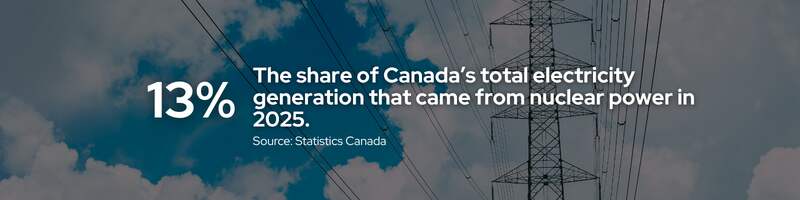
Canada has made significant progress in developing long-term nuclear waste solutions. After years of engagement with Canadians and Indigenous Peoples and extensive technical study, the NWMO is advancing two major projects at different stages of progress.
In 2024, the NWMO selected the Revell Batholith, a rock formation in northwestern Ontario, as the site for the first deep geological repository. The communities of Wabigoon Lake Ojibway Nation and the Township of Ignace voted in favour of moving forward in the process. This repository will be the future home of Canada’s used nuclear fuel.
The project is now making its way through the federal government’s regulatory decision-making process. This milestone reflects more than a decade of partnership, dialogue, and shared learning with the host communities. It also demonstrates the strength of Canada’s consent-based siting approach.
Planning for Future Nuclear Waste and SMR Development
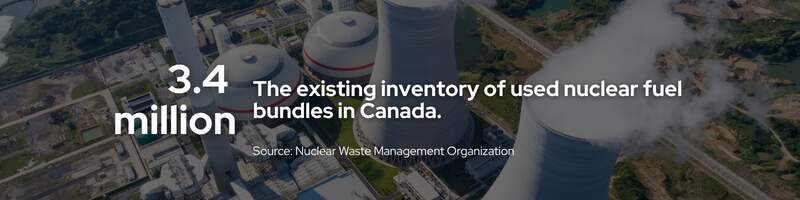
At the same time, the NWMO is in the very early stages of its second deep geological repository project, which focuses on the long-term management of intermediate- and high-level radioactive waste. The organization is currently inviting feedback on our proposed site selection process for that repository from Canadians and Indigenous Peoples. This work will ensure Canada has a plan for waste that comes from medical isotope production, generation, and used fuel from SMRs that may become operational in the future.
The NWMO also continues to collaborate, sharing its experiences with and learning from its global peers. Canada is among the many countries with commercial nuclear power production that are planning to isolate the waste byproducts of their nuclear fuel cycle in a deep geological repository. Finland, Sweden, France, and Switzerland are among the countries at various stages of moving forward with deep geological repositories.
The international scientific consensus is clear: this is the safest, most responsible approach to isolating nuclear waste over the very long term, and Canada’s progress places it among the world’s leaders.
Nuclear Waste Management as a Nation-Building Project
“Canada has the expertise, the partnerships, and the momentum to lead the world in nuclear waste solutions. What we need now is collective action.”
Canada’s clean energy ambitions are bold and achievable, but they depend on more than building reactors. They require trust, long-term infrastructure, and a shared commitment to responsibility.
Deep geological repositories are not simply engineering projects. They are nation-building projects that reflect our willingness to commit to the long-term, responsible management of our country’s nuclear waste.
Canada has the expertise, the partnerships, and the momentum to lead the world in nuclear waste solutions. What we need now is collective action to ensure that our clean energy future is built on a foundation of safety, science, and shared responsibility.
This is our moment. Let’s meet it.
Calls to Action for Nuclear Infrastructure Builders:
- Engage proactively in community readiness planning to ensure local infrastructure, emergency response, and workforce capacity align with project timelines.
- Continue co‑developing decision‑making frameworks that uphold rights, jurisdiction, and long‑term partnership in repository siting and monitoring.
- Commit early to transparent waste‑management planning for SMRs and new builds, including funding mechanisms that reflect full lifecycle responsibility.
- Deepen collaboration around the world to share data, lessons learned, and best practices as multiple countries advance repository projects.
About the Expert
-
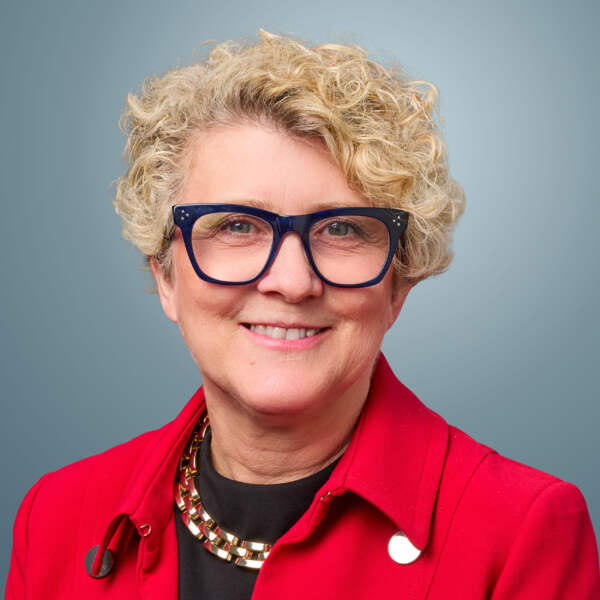
Laurie Swami is President and CEO of the Nuclear Waste Management Organization. With decades of experience in decommissioning and radioactive waste management in Canada’s nuclear sector, she leads the implementation of Canada’s long‑term plan for the safe management of intermediate- and high-level radioactive waste.
The Nuclear Waste Management Organization is a Canadian not-for-profit organization responsible for implementing Canada’s plan for the safe, long-term management of used nuclear fuel. Established in 2002 under the Nuclear Fuel Waste Act, the NWMO is advancing a deep geological repository and associated transportation system through technical study, regulatory review and engagement with communities, Indigenous peoples and governments.
See more
-
 Building More Isn’t Enough: Why Circular Construction Must Be Part of Canada’s Housing Future
 Paul Shorthouse
Managing Director
Circular Construction Canada
Paul Shorthouse
Managing Director
Circular Construction Canada
-
 Why Steven Guilbeault’s Resignation Must Reignite National Climate Action
 David Miller
Managing Director
C40 Cities
David Miller
Managing Director
C40 Cities
 Valerie Plante
Former Mayor
City of Montreal
Valerie Plante
Former Mayor
City of Montreal
-
 The Future of Sustainable Business: Turning Risk into Resilience
 Marena Winstanley
Managing Director
Smart Prosperity Institute
Marena Winstanley
Managing Director
Smart Prosperity Institute
 Aaron Pardy
Senior Research Associate, Energy and Materials
Smart Prosperity Institute
Aaron Pardy
Senior Research Associate, Energy and Materials
Smart Prosperity Institute