
Future in Focus: World Hunger Day
This series explores the systemic reforms, policy shifts, and homegrown innovations required to transform Canada’s fragile food infrastructure into a resilient, equitable, and self-sustaining national food system.
-
 Op-Ed
We Need an Accountable Federal Response to Food Insecurity in Canada
Op-Ed
We Need an Accountable Federal Response to Food Insecurity in Canada
 Valerie Tarasuk
Founding Investigator
PROOF
Valerie Tarasuk
Founding Investigator
PROOF
 Lynn McIntyre
Founding Investigator
PROOF
Lynn McIntyre
Founding Investigator
PROOF
-
 Op-Ed
Canada Now Has Commercially Viable Food Security Solutions. Will We Scale Them Here?
Op-Ed
Canada Now Has Commercially Viable Food Security Solutions. Will We Scale Them Here?
 Benjamin Feagin Jr.
CEO
AgriTech North
Benjamin Feagin Jr.
CEO
AgriTech North
-
 Op-Ed
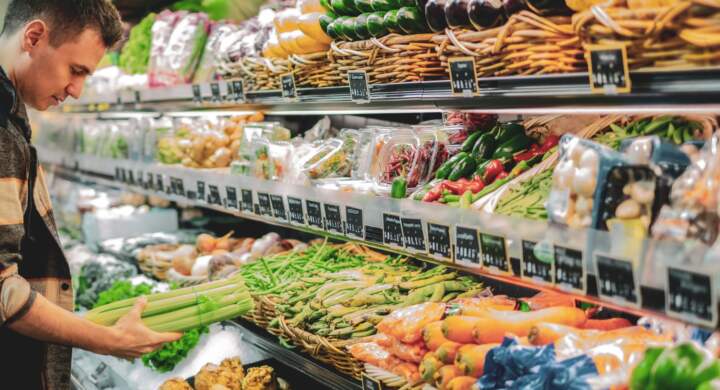
On World Hunger Day, Hunger Is Still a Policy Choice
Op-Ed
On World Hunger Day, Hunger Is Still a Policy Choice
 Nick Saul
Co-Founder & CEO
Right to Food
Nick Saul
Co-Founder & CEO
Right to Food
-
 Op-Ed
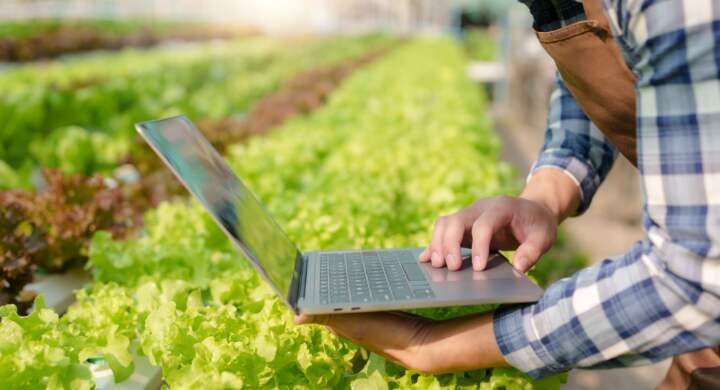
To Feed the Future, Canada Must Broaden Its Definition of Food Innovation
Op-Ed
To Feed the Future, Canada Must Broaden Its Definition of Food Innovation
 Tenille Bonoguore
Strategic Initiatives Lead
Arrell Food Institute
Tenille Bonoguore
Strategic Initiatives Lead
Arrell Food Institute
 Pauline Cripps
Community Food Lead
Arrell Food Institute
Pauline Cripps
Community Food Lead
Arrell Food Institute
 Evan Fraser
Executive Director
Arrell Food Institute
Evan Fraser
Executive Director
Arrell Food Institute
Sustaining the Harvest: Systemic Overhauls for Canadian Food Security
Food security is no longer just about emergency assistance in times of crisis; it is a foundational pillar of national health, economic stability, and sovereign resilience. In a changing global landscape, Canada’s food systems are our most vital resource—and our most vulnerable.
For decades, Canada has treated hunger as a localized issue managed by goodwill and emergency charity. Yet, despite the immense dedication of our frontline infrastructure, food insecurity continues to rise, especially in rural, remote, Northern, and Indigenous communities. To break this cycle, Canada must transition from short-term crisis response to long-term systemic investment, ensuring that every Canadian has reliable access to affordable, nutritious, and domestically grown food.
Our latest Future in Focus series brings together leading voices from agri-tech, social policy, and food sustainability to examine the structural shifts required to build a resilient, equitable, and self-sustaining food system for Canada.
1. Ending the “Charity Loop” in Public Policy
For too long, Canada’s social safety net has deferred the structural burden of food insecurity to emergency relief. While food banks do essential work, a basic human right should never depend on donated surplus or the goodwill of others. True food security requires an honest look at the root economic drivers of poverty. By prioritizing targeted income policies—such as strengthening the Canada Groceries and Essentials Benefit and scaling the Canada Disability Benefit—governments can address the underlying affordability failures that emergency charity was never designed to fix.
2. Scaling Canadian Agrifood Innovation
Canada possesses world-class, academically validated agricultural technologies specifically designed for high-cost, rugged, and remote environments. However, a stark commercialization gap leaves homegrown innovators stranded between technical validation and market deployment. To lower the structural cost of healthy food where prices are highest, public institutions must build dedicated pilot-to-procurement pathways. Investing in the first-stage deployment of Canadian agri-tech ensures that the innovations funded by Canadian brains are utilized to solve Canadian problems.
3. Innovation Beyond Technology
To protect our food supply without destroying the planet, Canada must expand its definition of innovation beyond laboratory breakthroughs and automated robotics. True innovation lies in our approach, techniques, and systemic design. This means building innovative financing models to compensate farmers for soil-healthy carbon sequestration, finding creative ways to redirect the 46% of food wasted every year back into the supply chain, and providing long-term operational support to the decentralized community networks that reach where the industrial food system cannot.
4. Food as a National Priority
The vulnerability of our food infrastructure has become acute, driven by a heavy reliance on creaky international import corridors and geopolitical volatility. Access to food is a marker of justice that shapes public health, anchors cultures, and drives economic productivity. Resolving this crisis requires real political leadership and an accountable federal response that treats food security not as a secondary concern, but as a critical national asset and a public good demanding robust, long-term capital investment.
Call to Action
The race to secure a sustainable, self-reliant food system is already underway, and the cost of inaction is too high to ignore. Canada holds the talent, the land, and the technological capability to lead, but leadership demands a shift from temporary stabilization to structural ownership.
It is time to build a food system that serves all Canadians. By scaling homegrown agricultural technology, modernizing our income supports, and investing in resilient food infrastructure, we can eradicate systemic hunger and secure long-term prosperity. Explore the series and join the conversation on how we can build a food-secure future for Canada.
-
To Feed the Future, Canada Must Broaden Its Definition of Food Innovation
Tenille Bonoguore
Strategic Initiatives Lead
Arrell Food Institute
Pauline Cripps
Community Food Lead
Arrell Food Institute
Evan Fraser
Executive Director
Arrell Food Institute
-
On World Hunger Day, Hunger Is Still a Policy Choice
Nick Saul
Co-Founder & CEO
Right to Food
-
Canada Now Has Commercially Viable Food Security Solutions. Will We Scale Them Here?
Benjamin Feagin Jr.
CEO
AgriTech North