Trade Infrastructure in Canada: Building the Foundations for Future Growth
Canada’s prosperity has always depended on its ability to move goods, people, and ideas across borders. Trade infrastructure in Canada—ports, railways, highways, airports, and digital networks—underpins the country’s economic engine. As global supply chains shift, climate pressures mount, and geopolitical competition intensifies, investing in resilient, modern trade infrastructure is no longer optional. It is the foundation of Canada’s long-term competitiveness.
Why Trade Infrastructure in Canada Matters
From the wheat fields of the Prairies to the tech hubs of Toronto and Vancouver, Canada’s economic future hinges on seamless connectivity to international markets. Trade infrastructure in Canada is not just about moving physical goods. It is about enabling industries—from agriculture and energy to clean technology and advanced manufacturing—to reach customers worldwide.
Every bottleneck at a port, every rail delay, and every outdated border crossing costs Canadian businesses time and money. Conversely, efficient infrastructure reduces costs, attracts foreign investment, and strengthens the nation’s position in global value chains.
Current Challenges Facing Trade Infrastructure in Canada
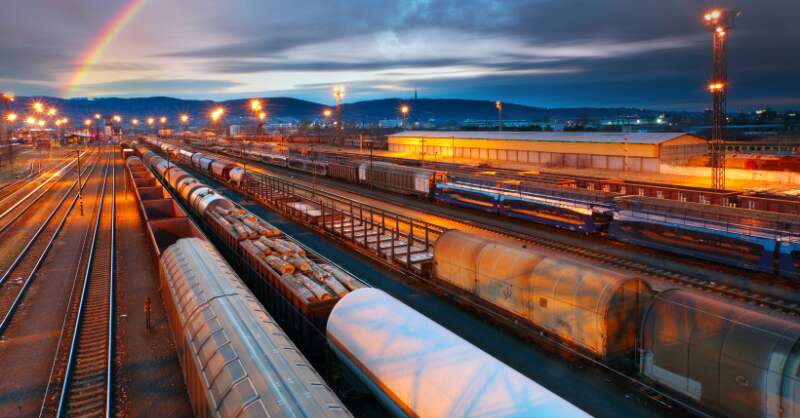
Despite Canada’s geographic advantage—bordering the world’s largest economy and serving as a gateway to Asia and Europe—significant challenges remain:
- Aging infrastructure: Many highways, bridges, and ports require upgrades to handle modern trade volumes.
- Bottlenecks in rail and port systems: Strikes, congestion, and limited capacity highlight vulnerabilities in Canada’s logistics backbone.
- Climate resilience: Extreme weather, from wildfires to flooding, increasingly disrupts supply chains.
- Digital infrastructure gaps: E-commerce and data-driven trade demand secure, high-speed digital networks, yet rural and northern regions still lag behind.
Unless these challenges are addressed, Canada risks losing market share to competitors like the United States, Mexico, and emerging hubs in Asia.
Trade Infrastructure and the Green Transition
The shift toward a low-carbon economy is reshaping global trade patterns. Trade infrastructure in Canada must adapt accordingly. Ports and rail systems will need to accommodate increased shipments of critical minerals, hydrogen, and other clean energy exports. At the same time, domestic supply chains must integrate more sustainable practices, from electrified trucking fleets to renewable-powered ports.
By aligning infrastructure investment with climate policy, Canada can position itself as a reliable supplier of green commodities and technologies. This creates opportunities not just for export revenues but also for high-skilled jobs in engineering, logistics, and advanced manufacturing.
Opportunities for Innovation and Competitiveness
Modernizing trade infrastructure in Canada offers several forward-looking opportunities:
- Digital trade corridors: Leveraging AI, blockchain, and IoT to improve customs processing and supply chain transparency.
- Northern development: Building resilient transport and communications links to Canada’s Arctic could unlock access to resources while asserting sovereignty in a geopolitically contested region.
- Integration with North America: Coordinated infrastructure with the U.S. and Mexico under CUSMA can strengthen Canada’s role in continental supply chains.
- Trade diversification: Enhanced port capacity in British Columbia and Atlantic Canada supports trade diversification beyond the U.S., particularly with Asia and Europe.
Policy Priorities for the Next Decade
To secure long-term prosperity, Canada must adopt a national strategy that prioritizes trade infrastructure in Canada as a driver of competitiveness. Key steps include:
- Long-term planning: Infrastructure investments should extend beyond electoral cycles, guided by 20- to 30-year strategies.
- Public-private partnerships: Mobilizing private capital while ensuring public interest safeguards.
- Indigenous partnerships: Many infrastructure projects intersect with Indigenous lands; co-ownership and benefit-sharing models are essential.
- Climate adaptation: Embedding resilience into every project to protect supply chains against future disruptions.
- Digital-first mindset: Recognizing that the future of trade is not only physical but also digital, requiring secure and reliable broadband nationwide.
Trade Infrastructure: A Strategic Investment in the Future
Canada stands at a crossroads. Investing in trade infrastructure in Canada is not simply about fixing today’s bottlenecks—it is about shaping tomorrow’s opportunities. Modern, resilient, and innovative infrastructure will allow Canadian businesses to thrive in an era of shifting supply chains, climate urgency, and technological disruption.
By treating infrastructure as a strategic asset, Canada can strengthen its sovereignty, enhance competitiveness, and secure prosperity for generations to come.