The Global Energy Transition: A Path to Sustainable Future
Published on
As we navigate the complexities of the 21st century, the global energy transition emerges as a pivotal theme in our collective journey toward sustainability. This transition signifies a fundamental shift from traditional fossil fuel-based energy systems to more sustainable and renewable energy sources. We find ourselves at a crossroads where the urgency of climate change, coupled with the finite nature of fossil fuels, compels us to rethink our energy consumption patterns.
The transition is not merely a technological shift; it encompasses economic, social, and political dimensions that require our concerted efforts and innovative thinking. In understanding this transition, we must recognize its multifaceted nature. It involves not only the adoption of renewable energy sources like solar, wind, and hydro but also a reconfiguration of our energy infrastructure and consumption habits.
As we delve deeper into this topic, we realize that the transition is driven by a combination of factors, including technological advancements, policy initiatives, and societal demands for cleaner energy. Our awareness of these dynamics is crucial as we strive to create a sustainable future for generations to come.
The Role of Renewable Energy in the Transition
Renewable energy stands at the forefront of the global energy transition, serving as both a solution to pressing environmental challenges and a catalyst for economic growth. As we explore the various forms of renewable energy—solar, wind, geothermal, and biomass—we begin to appreciate their potential to provide clean, sustainable power. These energy sources not only reduce greenhouse gas emissions but also enhance energy security by diversifying our energy supply.
By harnessing the power of nature, we can mitigate our reliance on fossil fuels and move toward a more resilient energy landscape. Moreover, the integration of renewable energy into our energy systems presents numerous opportunities for innovation and job creation. As we invest in renewable technologies, we stimulate economic growth while simultaneously addressing climate change.
The renewable energy sector has already proven to be a significant source of employment, with millions of jobs created worldwide in manufacturing, installation, and maintenance. By embracing renewable energy, we are not only contributing to environmental sustainability but also fostering economic resilience in an ever-evolving job market.
Challenges and Opportunities in the Transition

While the global energy transition offers immense potential, it is not without its challenges. As we embark on this journey, we encounter obstacles such as technological limitations, financial constraints, and social resistance. The existing infrastructure often favors fossil fuels, making it difficult to integrate renewable sources seamlessly.
Additionally, the initial investment required for renewable technologies can be daunting for many stakeholders, particularly in developing regions where resources are limited. However, within these challenges lie significant opportunities for growth and innovation. As we confront these barriers head-on, we can develop new technologies and business models that facilitate the transition.
For instance, advancements in energy storage solutions are crucial for addressing the intermittency of renewable sources like solar and wind. By investing in research and development, we can unlock new pathways for energy efficiency and sustainability. Furthermore, engaging communities in the transition process can foster a sense of ownership and commitment to sustainable practices.
Policy and Regulatory Framework for a Sustainable Future
The role of policy and regulatory frameworks cannot be overstated in our quest for a sustainable future. As we advocate for a global energy transition, it is imperative that governments implement policies that support renewable energy development and reduce reliance on fossil fuels. This includes establishing clear targets for emissions reductions, providing incentives for clean energy investments, and creating regulatory environments that encourage innovation.
We must also recognize the importance of international cooperation in shaping effective policies. Climate change knows no borders; therefore, collaborative efforts among nations are essential to address this global challenge. By sharing best practices and aligning our regulatory frameworks, we can create a cohesive approach to the energy transition that benefits all countries involved.
As we work together toward common goals, we can build a more sustainable future that transcends national interests.
Technological Innovations Driving the Transition
Technological innovation is at the heart of the global energy transition, propelling us toward a more sustainable future. As we witness rapid advancements in renewable energy technologies, we are reminded of the transformative power of human ingenuity. From solar panels with increased efficiency to wind turbines capable of generating power in low-wind conditions, these innovations are reshaping our energy landscape.
Moreover, emerging technologies such as smart grids and artificial intelligence are revolutionizing how we manage and distribute energy. By leveraging data analytics and real-time monitoring, we can optimize energy consumption and enhance grid reliability. As we embrace these technological advancements, we position ourselves to overcome some of the most pressing challenges associated with the transition.
The synergy between technology and sustainability is not just a vision; it is becoming our reality.
Impacts of the Transition on Global Economy and Society
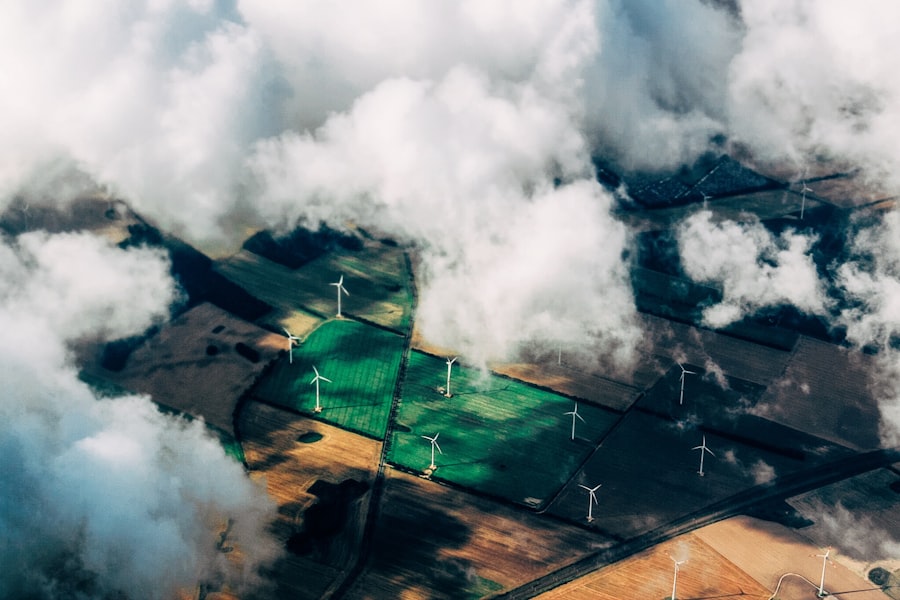
The global energy transition carries profound implications for both the economy and society at large. As we shift toward renewable energy sources, we can expect significant changes in job markets and economic structures. While some traditional industries may face decline, new sectors focused on clean energy will emerge, creating opportunities for employment and economic diversification.
This transition can lead to a more equitable distribution of resources as communities invest in local renewable projects. Furthermore, the societal impacts of this transition extend beyond economic considerations. As we adopt cleaner energy practices, we contribute to improved public health outcomes by reducing air pollution and its associated health risks.
Communities that embrace renewable energy often experience enhanced resilience against climate-related disasters, fostering a sense of security among residents. By prioritizing sustainability in our energy systems, we are not only addressing environmental concerns but also enhancing the quality of life for individuals around the globe.
Building a Resilient Energy Infrastructure for the Future
To ensure a successful global energy transition, we must prioritize building a resilient energy infrastructure capable of supporting renewable sources. This involves modernizing existing grids to accommodate decentralized energy generation while enhancing their reliability and efficiency. As we invest in infrastructure development, we must also consider the integration of smart technologies that enable real-time monitoring and management of energy resources.
Moreover, resilience extends beyond physical infrastructure; it encompasses social systems as well. Engaging communities in the planning and implementation of renewable projects fosters local ownership and accountability. By involving stakeholders at every level—from policymakers to residents—we can create an inclusive approach that strengthens our collective capacity to adapt to changing circumstances.
A resilient energy infrastructure is not just about technology; it is about empowering people to take an active role in shaping their energy future.
Collaborative Efforts for a Smooth Transition to Sustainable Energy
The path toward a sustainable energy future is paved with collaboration among various stakeholders—governments, businesses, non-profit organizations, and communities alike. As we embark on this journey together, it is essential to foster partnerships that leverage diverse expertise and resources. Collaborative efforts can drive innovation while ensuring that no one is left behind in the transition process.
We must also recognize the importance of knowledge sharing in facilitating this transition. By exchanging ideas and best practices across borders and sectors, we can accelerate progress toward our shared goals. Initiatives such as international conferences and collaborative research projects play a vital role in fostering dialogue and cooperation among stakeholders.
Together, we can navigate the complexities of the global energy transition and build a sustainable future that benefits all members of society. In conclusion, as we reflect on our collective journey toward a sustainable energy future, it becomes clear that the global energy transition is both an opportunity and a responsibility. By understanding its complexities and embracing collaboration across sectors, we can pave the way for a cleaner, more resilient world.
The time for action is now; together, we can shape an energy landscape that prioritizes sustainability for generations to come.
As the world increasingly shifts towards sustainable energy solutions, understanding the role of cleantech becomes essential. A related article that delves into this topic is available at The Future Economy’s Cleantech section, which explores innovative technologies and practices that are driving the energy transition. This resource provides valuable insights into how cleantech can contribute to a more sustainable future.
More on this topic