SMRs in Canada: Powering a Low-Carbon Future
Canada is at a pivotal moment in its energy transition, and SMRs in Canada—small modular reactors—are emerging as a cornerstone of the strategy. With rising demand for clean, reliable power, SMRs represent more than just an alternative energy source; they signal a long-term shift in how Canada balances sustainability, economic growth, and technological leadership.
Why SMRs in Canada Are Gaining Momentum
Small modular reactors are a new generation of nuclear technology designed to be built in standardized units, typically generating between 50 and 300 megawatts of electricity. Unlike traditional large-scale reactors, SMRs are compact, factory-assembled, and easier to transport, allowing them to be deployed in regions where massive nuclear facilities would be impractical. Their modular design also makes it possible to scale output by adding additional units over time, offering both flexibility and cost efficiency. Critically, SMRs incorporate advanced safety features that often rely on passive systems—such as natural cooling—reducing the risk of accidents compared to older reactor designs.
For decades, nuclear power has been both a promise and a challenge for Canada. Large-scale reactors built in the 20th century provided clean baseload electricity, but their complexity, cost overruns, and waste challenges limited expansion. SMRs are designed to overcome these barriers.
Unlike traditional nuclear plants, SMRs are compact, scalable, and manufactured off-site, reducing both construction time and financial risk. This flexibility makes them suitable for diverse Canadian contexts—from powering remote northern communities to supplying clean energy to heavy industries like mining and steelmaking.
SMRs in Canada and the Net-Zero Economy
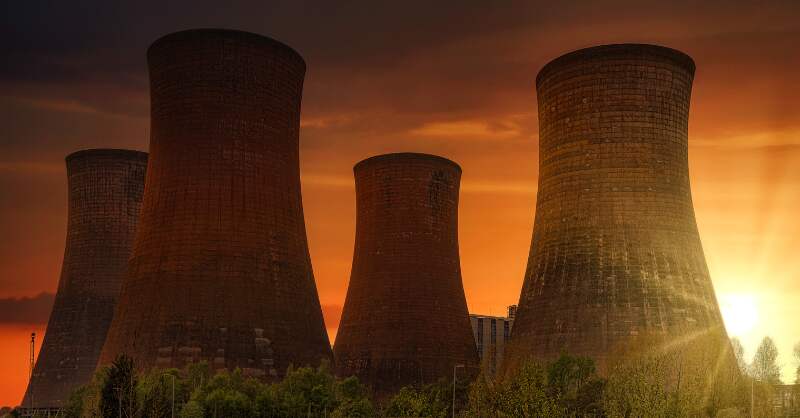
Canada’s commitment to achieving net-zero emissions by 2050 will require more than renewables alone. Wind and solar offer enormous potential, but their intermittency creates gaps that demand stable backup sources. This is where SMRs in Canada stand out.
SMRs can deliver carbon-free baseload electricity that complements renewables, ensuring grid stability and reliability. By deploying SMRs in industrial clusters—such as Alberta’s oil sands or Ontario’s manufacturing belt—Canada could significantly reduce emissions in traditionally high-pollution sectors without compromising economic activity.
Economic Opportunities from SMRs in Canada
The development and deployment of SMRs in Canada are not just about energy; they are about economic strategy. Industry estimates suggest the domestic SMR market could be worth billions by 2040, with global export potential far beyond that.
Key benefits include:
- Job creation: Designing, building, and operating SMRs will require skilled engineers, technicians, and tradespeople.
- Innovation ecosystems: Investments in nuclear technology drive advancements in robotics, materials science, and safety systems.
- Export potential: As countries worldwide seek clean energy solutions, Canadian expertise in SMRs could become a major export industry.
The federal government has already signalled its support, including funding for demonstration projects in Ontario, New Brunswick, and Saskatchewan. If Canada positions itself as a global leader now, SMRs could become a pillar of both domestic energy security and international trade.
SMRs in Canada and Energy Sovereignty
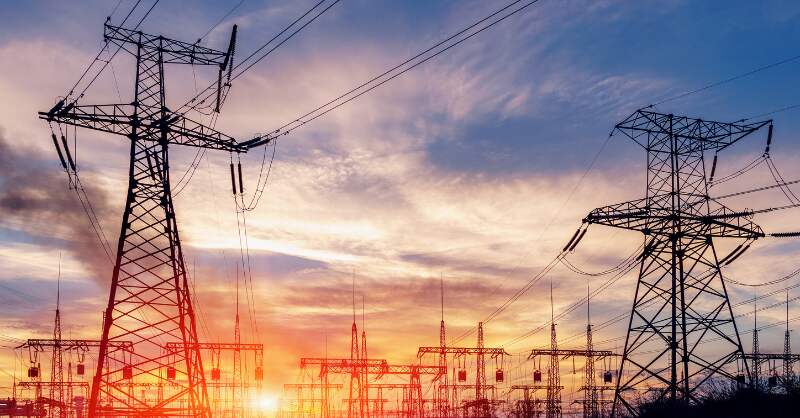
Energy independence is becoming increasingly critical in a volatile world. SMRs in Canada could bolster national energy sovereignty by reducing reliance on imported fossil fuels and enabling remote regions to produce their own power.
For Indigenous and northern communities, SMRs offer an alternative to costly diesel generation, improving both affordability and sustainability. Moreover, in an era of geopolitical uncertainty, securing a stable, domestic, low-carbon power supply strengthens Canada’s strategic resilience.
Challenges Ahead for SMRs in Canada
Despite their promise, SMRs in Canada face significant challenges. Regulatory approval processes must adapt to novel reactor designs without compromising safety. Public trust remains a hurdle, as nuclear power still carries perceptions of risk around waste management and safety.
Financing is another critical barrier. While modular construction reduces costs, SMRs are still capital-intensive projects that require significant upfront investment. To succeed, partnerships between governments, utilities, private investors, and communities will be essential.
The Future of SMRs in Canada
The next decade will be decisive. If demonstration projects succeed and SMRs gain public and private support, Canada could emerge as a world leader in modular nuclear technology. This leadership would not only strengthen domestic energy systems but also position Canada to export SMR expertise globally—an opportunity that aligns with the country’s broader innovation and trade agenda.
Ultimately, SMRs are about more than electricity. They represent a strategic bet on clean growth, energy sovereignty, and global competitiveness. If Canada can seize this moment, SMRs could power not just homes and industries, but the country’s economic future.