How Canada’s Defence Bugdet Shapes Long-Term Power
Reforming Canada’s defence budget is about more than military readiness—it’s fast becoming a cornerstone of the country’s long-term innovation, economic diversification, and geopolitical sovereignty. As Canada moves to meet the NATO defence spending target of 2% of GDP, a new future-facing vision is taking shape—one where national security policy intersects with industrial growth, climate resilience, and digital leadership.
Canada Defence Budget Increases: Why It’s a Pivotal Moment
Canada’s defence budget increase in 2025, which accelerates federal spending to 2% of GDP, marks a generational turning point. For decades, Canada has hovered below this benchmark, investing just 1.3% in 2023. The shift now underway signals a broader commitment to national self-reliance and strategic relevance.
This investment isn’t about returning to Cold War-era thinking. It’s about building a future-ready, technologically advanced ecosystem of defence, infrastructure, and dual-use capability. From cybersecurity to Arctic monitoring, today’s defence economy supports innovation that extends far beyond the military.
Strengthening Canada’s Sovereignty Through Strategic Defence Spending
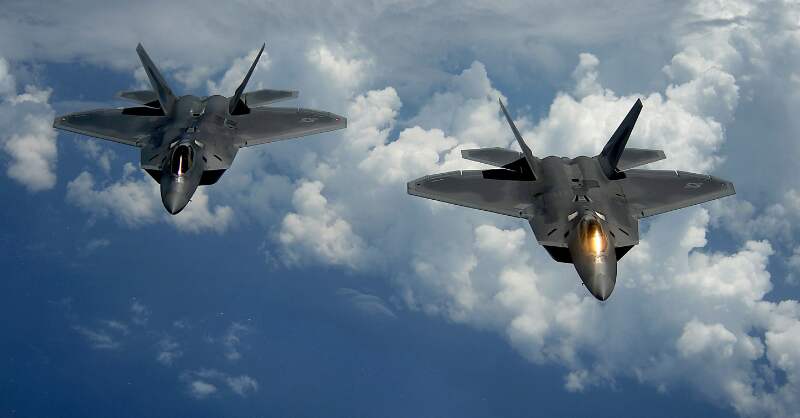
Future-facing defence strategy starts with sovereignty—on land, in the Arctic, in cyberspace, and increasingly in orbit. Canada’s investments in Arctic-capable drones, seafloor sensors, River-class destroyers, and space-based surveillance systems are not just about deterrence. They’re about protecting critical trade routes, energy corridors, and Indigenous communities.
These capabilities also support climate response, shipping safety, and data collection, creating dual-use assets that serve military and civil needs alike.
Canada’s Defence Budget as Industrial Policy
Canada’s defence spending can also reposition procurement as a tool of economic strategy. Rather than defaulting to international defence contracts, the federal government can emphasize Canadian-made solutions: using domestic steel, rare earths, and cybersecurity talent to fuel local supply chains.
This is part of a broader shift toward defence-as-industrial-policy, supporting high-tech manufacturing, critical minerals processing, and next-generation R&D. Investments in quantum tech, artificial intelligence, and remote systems are already feeding into the broader Canadian innovation landscape.
Building a Competitive Defence Innovation Ecosystem
One of the most transformative aspects of increased defence investment is its impact on Canadian innovation. Funding will be directed not only to equipment and infrastructure but also to human capital, through recruitment, mental health services, and STEM training pipelines for the armed forces.
Beyond that, the government will be able to support more collaborations with post-secondary institutions and startups to drive research in autonomous systems, communications resilience, ISR (intelligence, surveillance, and reconnaissance), and next-gen materials.
The outcome? A defence innovation ecosystem that helps Canadian companies scale, export, and contribute to global security and sustainability goals.
Geopolitical Leverage and NATO Alignment
Meeting the NATO threshold is also a move to enhance Canada’s geopolitical influence. Early action on the 2% commitment strengthens ties with European allies, positions Canada as a credible partner in defence modernization, and unlocks participation in multinational R&D and infrastructure platforms.
Canada’s engagement in transatlantic industrial networks also opens the door to defence-related clean tech, cybersecurity services, and space infrastructure exports. These are high-growth sectors that extend Canada’s reach beyond traditional resource-based industries.
Canada’s Defence Budget and the North: Security Meets Sustainability

Canada’s Arctic strategy is central to its long-term security and economic vision. Melting sea ice is reshaping access to Northern shipping lanes and resource basins, while heightening risks from both foreign military activity and environmental threats.
Investments in Arctic surveillance and logistics capacity, backed by Canada’s defence budget increases in 2025, help assert sovereignty while improving weather forecasting, search and rescue, and emergency response. These technologies also create commercial and public safety value far beyond military use.
What’s Ahead: Long-Term Milestones and Impacts
Canada’s future defence economy is defined not only by what it buys today, but by the strategic capabilities it builds for the 2030s and beyond. Key developments on the horizon include:
- River-class destroyer deployment by 2030
- Expanded partnerships with Indigenous suppliers and tech firms
- New cyber and space defence commands built out by 2026–27
- Deepened participation in NATO modernization platforms
- Growth of domestic ISR and dual-use tech innovation clusters
These shifts won’t just redefine Canada’s military capabilities—they’ll reshape its innovation economy, positioning the country as a hub for advanced systems, resilient supply chains, and sovereign infrastructure.
From Security to Strategy
Reforms to Canada’s defence budget are not just about upping security—it’s a national strategy to build economic strength through security and sovereignty. By aligning military modernization with clean industry, domestic innovation, and global engagement, Canada is charting a path to long-term competitiveness.
As global tensions rise and technologies evolve, future-ready defence is no longer a cost center—it’s an engine of national growth.