Embracing Renewables: A Sustainable Energy Future
Published on
As we navigate the complexities of the 21st century, the significance of renewable energy has never been more pronounced. Our planet faces unprecedented challenges, including climate change, dwindling fossil fuel reserves, and environmental degradation. In this context, renewable energy sources such as solar, wind, hydroelectric, and geothermal power emerge as vital alternatives.
They not only offer a sustainable solution to our energy needs but also present an opportunity to mitigate the adverse effects of climate change. By harnessing the power of nature, we can reduce our carbon footprint and work towards a cleaner, healthier planet for future generations. Moreover, the importance of renewable energy extends beyond environmental considerations.
It encompasses economic and social dimensions as well. Transitioning to renewable energy can stimulate job creation in various sectors, from manufacturing to installation and maintenance. As we invest in these technologies, we foster innovation and drive economic growth.
This shift also promotes energy independence, reducing our reliance on imported fossil fuels and enhancing national security. In essence, embracing renewable energy is not merely an environmental imperative; it is a pathway to a more resilient and sustainable future for all of us.
Advantages of Embracing Renewables
The advantages of embracing renewable energy are manifold and far-reaching. One of the most compelling benefits is the reduction in greenhouse gas emissions. By shifting away from fossil fuels, we can significantly decrease the amount of carbon dioxide and other harmful pollutants released into the atmosphere.
This transition is crucial for combating climate change and its associated impacts, such as extreme weather events, rising sea levels, and biodiversity loss. As we collectively adopt renewable energy solutions, we contribute to a healthier planet and a more stable climate. In addition to environmental benefits, renewable energy sources often lead to lower energy costs in the long run.
While the initial investment in renewable technologies may be higher than traditional fossil fuels, the operational costs are typically much lower. For instance, once solar panels are installed, they require minimal maintenance and have no fuel costs. As technology advances and economies of scale are realized, the cost of renewable energy continues to decline, making it an increasingly attractive option for consumers and businesses alike.
By embracing renewables, we not only protect our environment but also create a more economically viable energy landscape.
Challenges of Transitioning to Renewable Energy
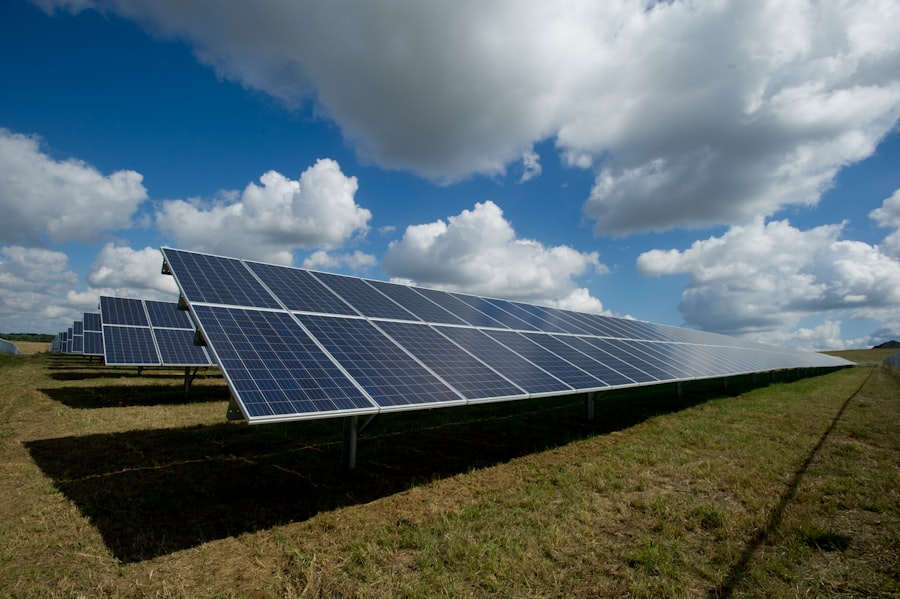
Despite the numerous advantages of renewable energy, transitioning from traditional fossil fuels presents several challenges that we must address collectively. One significant hurdle is the intermittency of renewable sources like solar and wind power. These energy sources are dependent on weather conditions and time of day, which can lead to fluctuations in energy supply.
To ensure a reliable energy grid, we need to invest in energy storage solutions and smart grid technologies that can balance supply and demand effectively. Another challenge lies in the existing infrastructure that heavily favors fossil fuels. Many regions have built their economies around oil, coal, and natural gas, making it difficult to shift to renewable alternatives.
This transition requires not only technological advancements but also significant investments in new infrastructure and retraining of the workforce. We must work together to create policies that support this transition while ensuring that communities dependent on fossil fuel industries are not left behind. By addressing these challenges head-on, we can pave the way for a smoother transition to a sustainable energy future.
Government Policies and Incentives for Renewable Energy
Government policies play a crucial role in facilitating the transition to renewable energy. By implementing supportive regulations and incentives, governments can encourage investment in clean energy technologies and promote their adoption across various sectors. For instance, tax credits for solar panel installations or subsidies for wind farm development can significantly lower the financial barriers for individuals and businesses looking to embrace renewables.
These policies not only stimulate economic growth but also signal a commitment to sustainability at the national level. In addition to financial incentives, governments can also invest in research and development to drive innovation in renewable technologies. By funding projects that explore new ways to harness energy or improve efficiency, we can accelerate the transition to a low-carbon economy.
Furthermore, international cooperation is essential in addressing global challenges like climate change. By participating in global agreements and sharing best practices, countries can work together to create a more sustainable future for all. Through effective government policies and incentives, we can create an environment conducive to the growth of renewable energy.
Technological Innovations in Renewable Energy
Technological innovations are at the forefront of the renewable energy revolution. As we continue to explore new ways to harness natural resources, advancements in technology are making renewable energy more efficient and accessible than ever before. For example, improvements in solar panel efficiency have led to increased energy output from smaller installations, making solar power a viable option even in urban environments with limited space.
Similarly, advancements in wind turbine design have resulted in larger turbines that can generate more power at lower wind speeds. Moreover, innovations in energy storage technologies are addressing one of the most significant challenges associated with renewable energy: intermittency. Battery storage systems are becoming more efficient and affordable, allowing us to store excess energy generated during peak production times for use during periods of low generation.
This capability enhances grid stability and ensures a reliable power supply for consumers. As we continue to invest in research and development, we can expect even more groundbreaking innovations that will further enhance the viability of renewable energy sources.
The Role of Businesses in Adopting Renewable Energy

Businesses play a pivotal role in the transition to renewable energy by adopting sustainable practices and investing in clean technologies. As corporate social responsibility becomes increasingly important to consumers, many companies are recognizing the value of integrating renewable energy into their operations. By committing to sustainability goals and utilizing renewable sources for their energy needs, businesses can enhance their brand reputation while contributing positively to the environment.
Furthermore, businesses can drive innovation by investing in research and development of new technologies that support renewable energy adoption. Collaborations between private companies and research institutions can lead to breakthroughs that make renewable solutions more efficient and cost-effective. Additionally, businesses can advocate for supportive policies at local, national, and international levels, helping to create an environment that fosters growth in the renewable sector.
By taking proactive steps towards sustainability, businesses not only benefit themselves but also contribute to a broader movement towards a cleaner future.
Community Engagement and Education in Sustainable Energy
Community engagement and education are essential components of promoting renewable energy adoption at the grassroots level. By raising awareness about the benefits of sustainable energy practices, we can empower individuals and communities to take action. Educational programs that inform residents about renewable technologies—such as solar panels or wind turbines—can demystify these solutions and encourage their implementation.
Moreover, community initiatives that promote collective action can amplify the impact of individual efforts. For instance, community solar projects allow multiple households to invest in a shared solar installation, making renewable energy accessible even for those who cannot install panels on their own properties. By fostering collaboration among community members, we can create a sense of shared responsibility for our environment while driving local economic growth through green jobs and initiatives.
The Future of Renewable Energy: Opportunities and Potential Impact
Looking ahead, the future of renewable energy is filled with opportunities that promise significant positive impacts on our planet and society as a whole. As technology continues to advance and costs decline, we anticipate an accelerated shift towards cleaner energy sources across all sectors—residential, commercial, and industrial alike. This transition will not only help mitigate climate change but also create millions of jobs in emerging industries related to renewable technologies.
Furthermore, as more countries commit to ambitious climate goals under international agreements like the Paris Accord, we will likely see increased collaboration on a global scale aimed at sharing knowledge and resources related to renewable energy development. This collective effort will enhance our ability to address pressing environmental challenges while fostering economic growth through innovation. In conclusion, embracing renewable energy is not just an option; it is an imperative for our collective future.
By recognizing its importance, leveraging its advantages while addressing challenges through supportive policies and technological innovations, engaging businesses and communities alike, we can pave the way for a sustainable world where clean energy powers our lives for generations to come. Together, we have the opportunity to shape a brighter future—one powered by the limitless potential of renewable resources.
As the world increasingly shifts towards sustainable energy solutions, the importance of understanding the economic implications of renewable resources cannot be overstated. A related article that delves into the intersection of innovation and sustainability is available at The Future Economy, where you can explore insights on how businesses are adapting to the renewable energy landscape. For more information, check out the article on renewable energy trends.
More on this topic