Accelerating the Clean Energy Transition: The Path to a Sustainable Future
As we navigate the complexities of the 21st century, the importance of the clean energy transition has never been more pronounced. The consequences of climate change are becoming increasingly evident, with extreme weather events, rising sea levels, and biodiversity loss affecting communities worldwide. By shifting our energy systems from fossil fuels to renewable sources, we can significantly reduce greenhouse gas emissions and mitigate the impacts of climate change.
This transition is not merely an environmental imperative; it is also an opportunity for economic growth, job creation, and technological innovation. By embracing clean energy, we can foster a sustainable future that benefits both people and the planet. Moreover, the transition to clean energy is essential for enhancing energy security.
As we rely heavily on fossil fuels, we expose ourselves to volatile markets and geopolitical tensions. By investing in renewable energy sources such as solar, wind, and hydroelectric power, we can diversify our energy portfolio and reduce our dependence on imported fuels. This shift not only stabilizes energy prices but also empowers local economies by creating jobs in the renewable sector.
As we collectively work towards a cleaner energy future, we must recognize that this transition is a crucial step in ensuring a resilient and sustainable world for generations to come.
Barriers to Accelerating Clean Energy Transition
Despite the clear benefits of transitioning to clean energy, several barriers hinder our progress. One significant challenge is the existing infrastructure that heavily favours fossil fuels. Many countries have built extensive systems around oil, coal, and natural gas, making it difficult to pivot towards renewable alternatives.
This entrenched infrastructure often leads to resistance from industries that fear economic losses or job displacement. As we confront these challenges, it is essential to engage stakeholders across sectors to find solutions that balance economic interests with environmental imperatives. Another barrier lies in the financial realm.
While the costs of renewable technologies have decreased dramatically over the past decade, initial investments can still be substantial. Many governments and private investors remain hesitant to commit resources to clean energy projects due to perceived risks and uncertainties. Additionally, access to financing can be limited for smaller companies or startups focused on innovative clean energy solutions.
To overcome these obstacles, we must advocate for policies that incentivize investment in clean technologies and create a more favourable environment for financing renewable projects.
Policy and Regulation for Clean Energy Transition
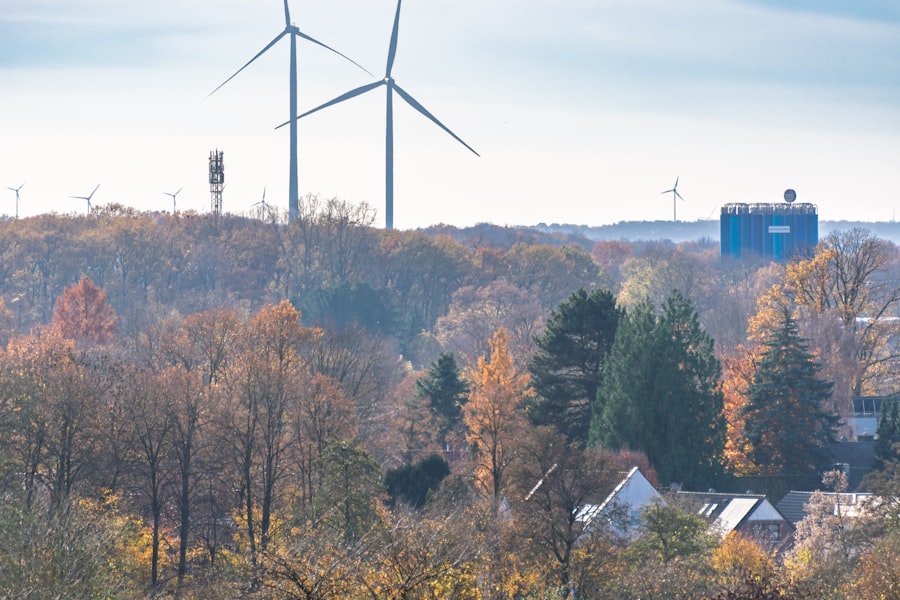
Effective policy and regulation play a pivotal role in facilitating the clean energy transition. Governments must establish clear frameworks that promote renewable energy development while phasing out subsidies for fossil fuels. By implementing policies such as carbon pricing or renewable portfolio standards, we can create a market environment that encourages investment in clean technologies.
These regulatory measures not only drive innovation but also signal to businesses and consumers that a transition to clean energy is both necessary and achievable. Furthermore, international cooperation is vital in shaping policies that support a global clean energy transition. Climate change knows no borders; therefore, collaborative efforts among nations are essential for sharing best practices and technologies.
By participating in global agreements like the Paris Accord, countries can commit to ambitious targets for reducing emissions and increasing renewable energy adoption. As we work together on these initiatives, we can create a unified approach that accelerates the transition to clean energy on a global scale.
Innovations in Clean Energy Technologies
Innovation is at the heart of the clean energy transition. As we explore new technologies and approaches, we unlock the potential for more efficient and sustainable energy systems. For instance, advancements in solar panel efficiency and battery storage capabilities have made renewable energy sources more viable than ever before.
These innovations not only enhance the reliability of clean energy but also reduce costs, making it accessible to a broader audience. As we continue to invest in research and development, we can expect even more breakthroughs that will revolutionize how we generate and consume energy. In addition to traditional renewable sources, emerging technologies such as hydrogen fuel cells and carbon capture are gaining traction as viable solutions for reducing emissions.
Hydrogen, produced from renewable sources, has the potential to power everything from vehicles to industrial processes without releasing harmful pollutants. Similarly, carbon capture technology allows us to mitigate emissions from existing fossil fuel infrastructure while transitioning to cleaner alternatives. By fostering an environment that encourages experimentation and innovation, we can accelerate the development of these transformative technologies and pave the way for a sustainable energy future.
Investments and Financing for Clean Energy Transition
Investment is crucial for driving the clean energy transition forward. As we seek to scale up renewable energy projects and develop new technologies, access to capital becomes increasingly important. Public funding plays a significant role in supporting research initiatives and infrastructure development; however, private investment is equally essential for bringing innovative solutions to market.
We must create an ecosystem where both public and private sectors collaborate effectively to mobilize resources for clean energy projects. Moreover, innovative financing mechanisms can help bridge the gap between traditional funding sources and the growing demand for clean energy investments. Green bonds, for example, offer investors an opportunity to support environmentally friendly projects while earning returns on their investments.
Crowdfunding platforms also enable individuals to contribute directly to renewable energy initiatives, democratizing access to financing and fostering community engagement. By diversifying funding sources and encouraging investment in clean technologies, we can accelerate the transition towards a sustainable energy landscape.
The Role of Businesses and Industries in Clean Energy Transition
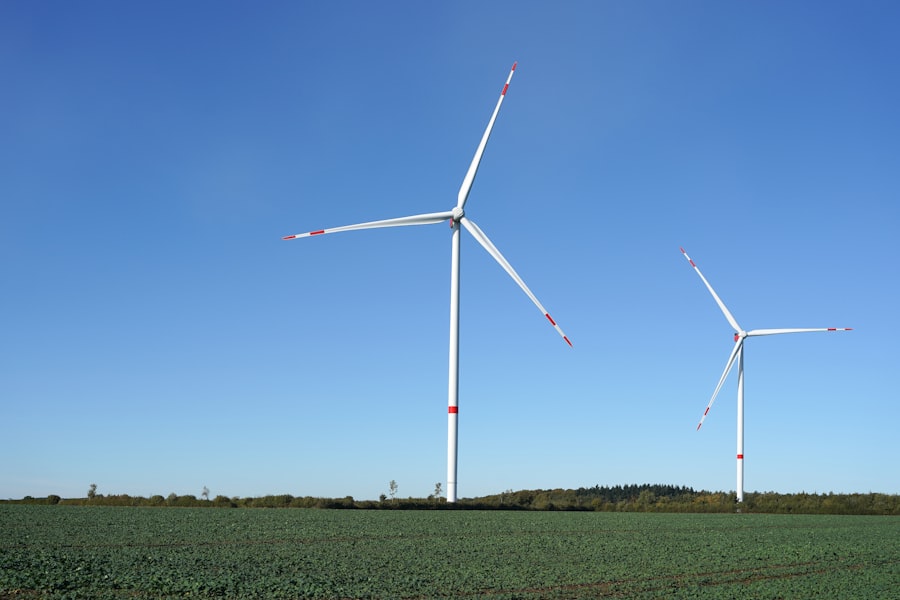
Businesses and industries play a critical role in driving the clean energy transition forward. As major consumers of energy, they have both the responsibility and the opportunity to adopt sustainable practices that reduce their carbon footprints. By investing in renewable energy sources for their operations, companies can not only lower their emissions but also enhance their brand reputation among environmentally conscious consumers.
Furthermore, businesses that prioritize sustainability often experience long-term cost savings through increased efficiency and reduced reliance on fossil fuels. Collaboration among industries is also essential for fostering innovation in clean energy solutions. By forming partnerships with startups or research institutions, established companies can leverage new technologies and ideas that may otherwise remain untapped.
This collaborative approach not only accelerates the development of clean energy solutions but also creates a culture of sustainability within industries. As we collectively embrace our roles as stewards of the environment, businesses can lead by example in demonstrating that profitability and sustainability can go hand in hand.
Community Engagement and Education for Clean Energy Transition
Community engagement is vital for ensuring a successful clean energy transition at the local level. By involving residents in discussions about renewable energy initiatives, we can foster a sense of ownership and commitment to sustainability efforts. Educational programs that raise awareness about the benefits of clean energy can empower individuals to make informed choices about their energy consumption.
When communities understand the importance of transitioning to renewable sources, they are more likely to support policies and initiatives that promote sustainability. Moreover, grassroots movements have proven effective in advocating for clean energy solutions. Local organizations often mobilize residents around specific projects or policies that align with their values and priorities.
By harnessing community support, these movements can influence decision-makers and drive meaningful change at various levels of government. As we engage communities in the clean energy transition process, we create a collective momentum that amplifies our efforts toward a sustainable future.
Global Collaboration for the Clean Energy Transition
The global nature of climate change necessitates collaboration across borders in our pursuit of a clean energy transition. Countries must work together to share knowledge, resources, and technologies that facilitate renewable energy adoption worldwide. International partnerships can help developing nations leapfrog traditional fossil fuel-based systems by providing access to advanced clean technologies and financing options tailored to their unique needs.
Furthermore, global initiatives such as climate summits provide platforms for nations to commit to ambitious targets while holding each other accountable for progress made toward those goals. By fostering an environment of cooperation and shared responsibility, we can accelerate the transition to clean energy on a global scale. As we unite our efforts across nations, we strengthen our collective resolve to combat climate change and build a sustainable future for all.
In conclusion, transitioning to clean energy is not just an environmental necessity; it is an opportunity for economic growth, innovation, and global collaboration. While barriers exist along this path, they are not insurmountable when we work together as communities, businesses, governments, and individuals committed to creating a sustainable future. Through effective policies, innovative technologies, strategic investments, community engagement, and international cooperation, we can accelerate our journey toward a cleaner, greener world for generations to come.